 Dwi Wanna
 Nana Wu
 Muslim
 Reynand Wu
 Ammar Sabilarrohman
 Asro
Asro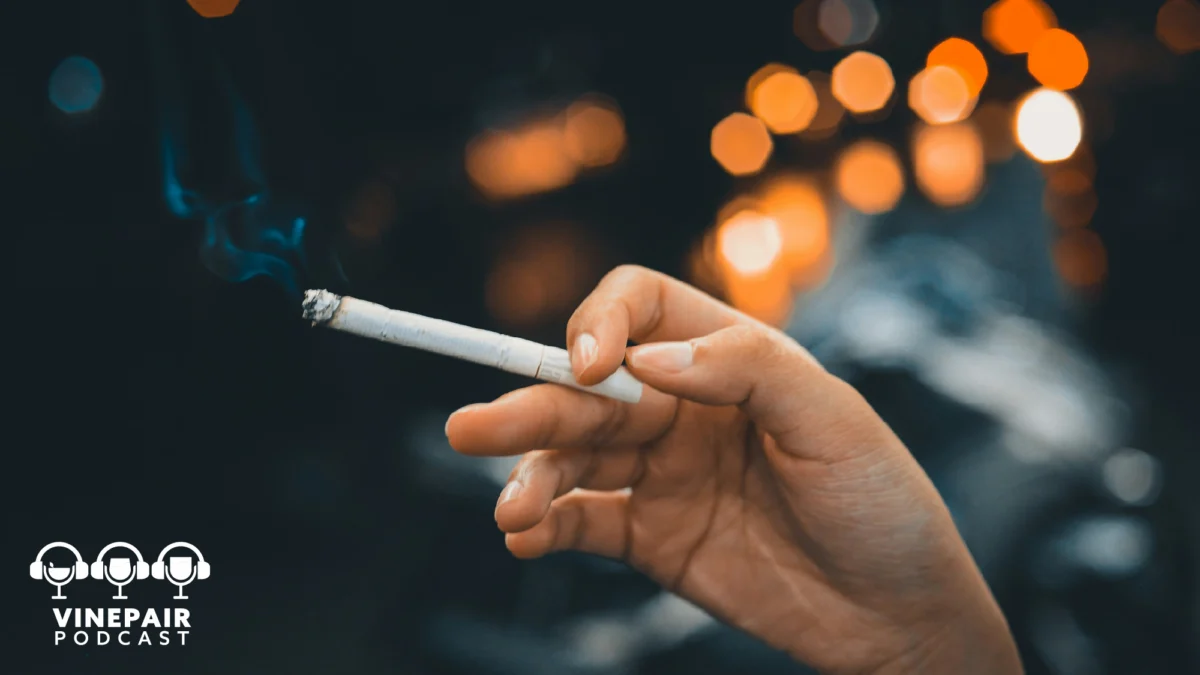
For decades, the public health narrative surrounding tobacco was one of terminal decline. Through aggressive legislative action, steep taxation, and an unrelenting global campaign to highlight the catastrophic health consequences of combustible tobacco, the cigarette was effectively pushed to the periphery of polite society. Yet, in a startling reversal that has caught sociologists and health advocates off guard, the cigarette is experiencing a clandestine, aesthetic renaissance among younger demographics.
In the latest episode of the VinePair Podcast, hosts Adam Teeter, Joanna Sciarrino, and Zach Geballe peel back the layers of this unsettling trend. They explore how the cigarette—once a symbol of industry-led deception—has been repurposed as a fashion accessory and a signifier of “cool” in an era defined by digital cynicism.
The Main Facts: A Counter-Cultural Shift
The core of the discussion centers on the paradoxical return of the cigarette. Despite an overwhelming body of medical evidence confirming that smoking is the leading cause of preventable death, the act has regained a foothold in the cultural zeitgeist.
This is not a return to the mid-century "Marlboro Man" era of ubiquity; rather, it is a curated, ironic adoption of smoking. Influencers, fashion icons, and members of the creative class are increasingly photographed with cigarettes, not necessarily as a statement of addiction, but as a statement of identity. The VinePair team posits that this shift is driven by a desire for "analog" experiences in a hyper-digitized world. Smoking, in this context, serves as a ritual—a way to disconnect from the screen and inhabit a physical space with a tactile, albeit lethal, prop.
Chronology of the Decline and Rebirth
To understand the current climate, one must look at the trajectory of tobacco in the 21st century.
2000–2010: The Era of De-normalization
This decade saw the solidification of global anti-smoking efforts. The World Health Organization’s Framework Convention on Tobacco Control (WHO FCTC) moved to restrict advertising and increase "sin taxes." Smoking was successfully branded as "uncool"—a habit of the elderly or the misinformed.
2011–2019: The Vaping Interregnum
As combustible cigarettes waned, electronic nicotine delivery systems (ENDS) surged. While public health officials debated the safety of vaping, the social stigma surrounding traditional cigarettes remained high. Vaping was marketed as a "tech-forward" alternative, leaving the analog cigarette to wither.
2020–Present: The Aesthetic Pivot
The COVID-19 pandemic acted as a strange catalyst for the resurgence. With global lockdowns, social anxiety, and a feeling of impending societal instability, the "health-conscious" era of the 2010s faced a backlash. Young adults, fatigued by the optimization of their lives, began leaning into "grittier" aesthetics. By 2023, the cigarette began appearing in high-fashion spreads and underground party scenes, signaling a return to a "rebellious" aesthetic that predates the wellness industrial complex.
Supporting Data: Why Health Warnings Aren’t Landing
Why do the health warnings, which were so effective in the 1990s, seem to fall on deaf ears today? The VinePair hosts argue that the psychological framing of risk has changed.
- The Nihilism Factor: Younger generations facing economic instability and climate anxiety often adopt a "why bother?" attitude. When the future feels uncertain, the long-term health consequences of smoking—which typically manifest in middle or old age—feel less urgent than the immediate social currency gained by "looking cool" in the present.
- The Failure of Public Health Messaging: Public health communication has become institutionalized and, to some, patronizing. When institutional messaging is viewed with skepticism, the "counter-culture" often adopts the very thing those institutions condemn as a form of rebellion.
- Social Media Amplification: Algorithms favor visual content. A cigarette in the hand of a celebrity provides a high-contrast, edgy aesthetic that performs exceptionally well on platforms like Instagram and TikTok, effectively normalizing the behavior to millions of viewers who would otherwise never encounter a smoker in their daily lives.
Official Responses and Industry Concerns
The alcohol industry, a frequent partner of the tobacco industry in the nightlife sector, is watching this trend with a mix of fascination and apprehension. As the VinePair discussion highlights, the synergy between alcohol and nicotine is historic.
If smoking becomes the "accessory of choice" for the drinking demographic, the alcohol industry faces a complicated marketing challenge. On one hand, the "nightlife" experience is inextricably linked to smoking in many European and Asian markets. If the trend catches on in the U.S., it could lead to an increase in alcohol consumption, as nicotine acts as a stimulant that often pairs with alcohol in social settings.
However, major beverage corporations remain wary. They have spent years distancing themselves from the "vice" image, focusing instead on "mindful drinking," low-ABV options, and wellness-focused branding. A return to a heavy "smoking and drinking" culture threatens to undo years of brand repositioning that seeks to portray alcohol as a sophisticated, rather than a self-destructive, pursuit.
Implications: A Dangerous Precedent
The potential consequences of this resurgence are significant.
Public Health Implications
The most immediate concern is a potential plateau or reversal in the decades-long decline of nicotine addiction. If the "cool" factor overrides the health warnings, we may see a new generation of nicotine-dependent individuals. This, in turn, creates a massive long-term burden on the healthcare system.
Cultural Implications
The romanticization of the cigarette reflects a broader trend of "nostalgia-baiting," where past aesthetics are recycled without regard for the negative realities that accompanied them. This "aestheticizing" of dangerous behaviors poses a challenge to media literacy; when the line between a curated image and reality is blurred, the impact on impressionable audiences can be profound.
The "Sip & Guzzle" Perspective
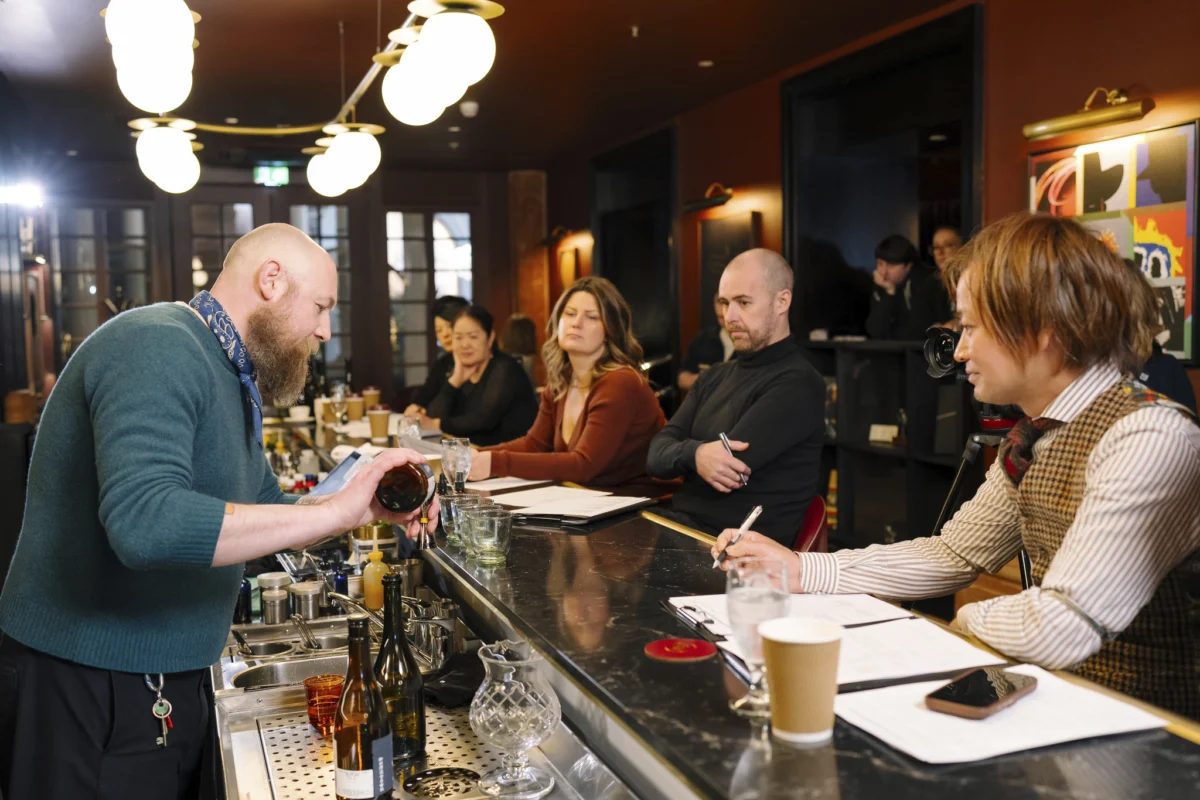
As Adam Teeter notes in his discussion with legendary bartender Shingo Gokan, the industry is currently obsessed with "hype" and "humility." The tension lies in whether bartenders and hospitality professionals should facilitate this trend or push back against it. Should a cocktail menu be designed to pair with a cigarette, or should the industry maintain its focus on the "elevated" experience of craft spirits?
Conclusion: The Podcast’s Verdict
The VinePair Podcast episode serves as a vital reminder that cultural trends do not always move in a linear, progressive direction. While we often assume that science and logic dictate behavior, the reality is far more complex. Fashion, identity, and the need for social belonging often override the cold, hard data of mortality.
As we look toward the future, the question remains: will this be a short-lived, performative trend, or the beginning of a genuine decline in public health standards? For now, the cigarette remains a potent symbol of rebellion, a choice that continues to haunt the modern bar scene.
For those interested in exploring the intersections of drinking, culture, and the shifting social landscape, the full conversation on the VinePair Podcast offers a deep dive into how these forces collide. As Zach, Joanna, and Adam illustrate, the cocktail menu is just the beginning; it’s the atmosphere we create around the drink that truly defines the age.
Further Reading & Resources
- For the Curious: Explore the nuances of modern mixology with 21 Liqueurs to Know to Read a Cocktail Menu With Confidence.
- For the Home Bartender: Elevate your hosting skills with Here’s How 7 Top Bartenders Make Spritzes at Home.
- For the Industry Professional: Gain insight into the global bar scene with the feature on Legendary Bartender Shingo Gokan.
To watch the full video discussion, visit the VinePair YouTube channel, or subscribe to the VinePair Podcast on Apple Podcasts and Spotify.


 Iffa Jayyana