

 Dwi Wanna
 Nana Wu
 Muslim
 Reynand Wu
 Ammar Sabilarrohman
 Evan Lee Salim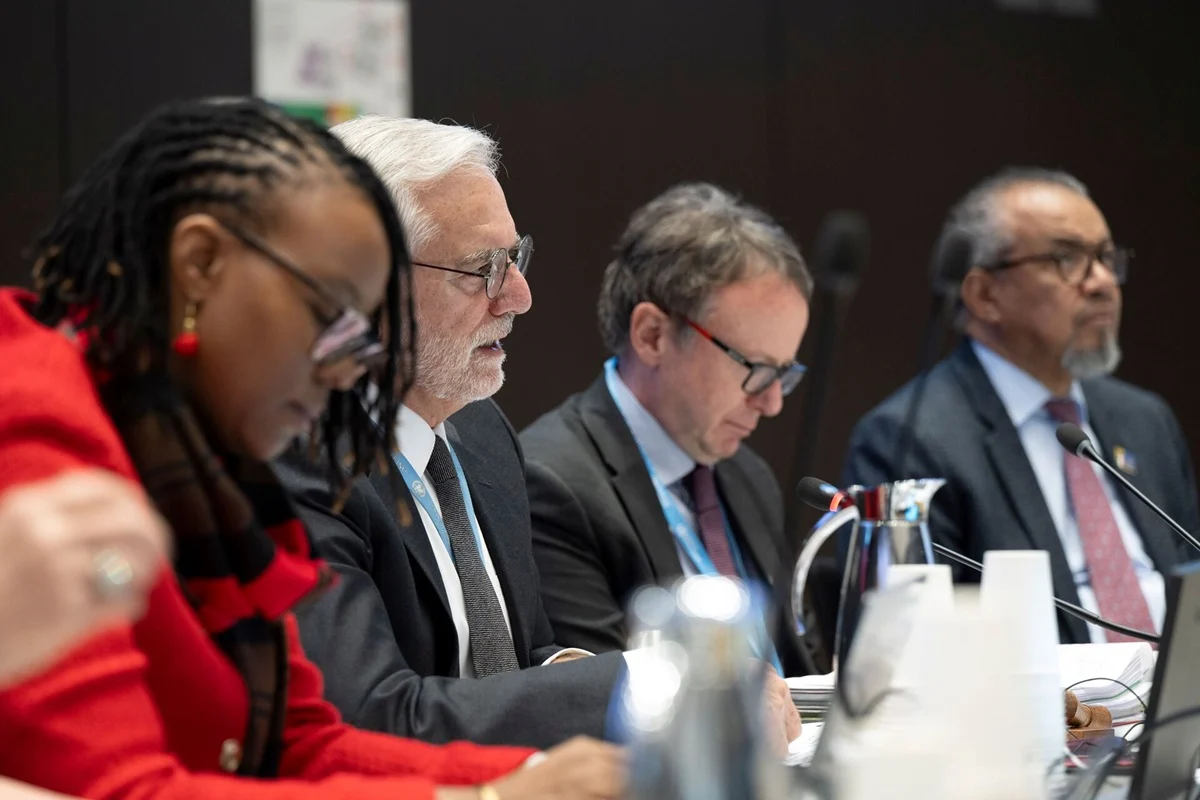
Introduction: The Unfinished Business of Global Health Security
The global architecture for pandemic preparedness remains under construction. Following the conclusion of the resumed sixth meeting of the Intergovernmental Working Group (IGWG) in Geneva, Member States of the World Health Organization (WHO) have acknowledged that the final piece of the historic Pandemic Agreement—the Pathogen Access and Benefit-Sharing (PABS) system—requires more time to crystallize.
While negotiators have made significant strides in defining the framework for how the world shares both biological threats and the medical countermeasures to combat them, the complexity of the task has necessitated a request for an extension. This decision underscores a sobering reality: the global community is engaged in a delicate, high-stakes negotiation to ensure that when the next pathogen emerges, the disparity in access to life-saving tools seen during the COVID-19 pandemic will be a relic of the past rather than a recurring nightmare.
Main Facts: The Core of the PABS Annex
At the heart of the ongoing negotiations is the PABS system, a critical operational annex to the broader WHO Pandemic Agreement. The objective is to create a synchronized, reciprocal mechanism:
- Rapid Pathogen Sharing: The system aims to ensure that when a pathogen with pandemic potential is identified, it is shared immediately with the WHO and designated laboratories globally. This is essential for the rapid development of surveillance, diagnostic tests, and research.
- Equitable Benefit Sharing: In exchange for the rapid disclosure of genetic sequence data and physical samples, the system mandates that the resulting "benefits"—vaccines, therapeutics, and diagnostics—are distributed equitably. This aims to prevent "vaccine nationalism" and ensure that low- and middle-income countries are not left at the back of the queue.
- The Regulatory Puzzle: Finalizing this annex is not merely a diplomatic hurdle; it is a legal prerequisite. Without the PABS system, the overarching Pandemic Agreement cannot be fully signed or ratified, as the "Access" and "Benefit" components are the essential glue holding the agreement together.
Chronology: From COVID-19 to the Geneva Negotiations
The path toward a Pandemic Agreement has been one of the most intensive diplomatic efforts in modern public health history.
- 2020–2022: The COVID-19 pandemic exposed systemic weaknesses in international cooperation, highlighting how the "North-South" divide in healthcare resources led to catastrophic delays in vaccine access for much of the world.
- May 2025: The World Health Assembly (WHA) formally adopted the WHO Pandemic Agreement. This watershed moment established the foundation for a new era of global health security, aiming to harmonize national responses under a single, legally binding instrument.
- Post-May 2025: The open-ended Intergovernmental Working Group (IGWG) was established to tackle the technical, legal, and political complexities of the PABS system.
- The Current Phase: The sixth meeting of the IGWG concluded in Geneva, where delegations reached a consensus that the current draft, while robust, requires further refinement to achieve the necessary technical precision and political buy-in.
- Future Milestones: The IGWG will present its status report to the 79th World Health Assembly later this month. A seventh meeting is already scheduled for July 2026, marking the beginning of the next phase of intensive deliberation.
Supporting Data: Why the Stakes Are High
The urgency behind the PABS negotiations is driven by data gathered from previous public health emergencies. During the COVID-19 crisis, the lag time between the emergence of a variant and the availability of testing reagents or vaccines in the Global South was often measured in months, or even years.
- Supply Chain Inequities: Analysis from the WHO suggests that during the pandemic, over 70% of initial vaccine supplies were purchased by high-income countries, despite those nations representing a small fraction of the global population.
- Surveillance Gaps: The PABS system aims to institutionalize the sharing of biological data, which currently relies on an ad-hoc, informal network. By formalizing this, the WHO hopes to reduce the "detection-to-response" window by an estimated 30–40%.
- Economic Impact: The economic cost of the COVID-19 pandemic is estimated in the trillions of dollars. A functional PABS system is viewed by economists and health experts alike as an "insurance policy" that could mitigate the massive GDP losses associated with future, unchecked pandemic spread.
Official Responses: Navigating Complexity with Urgency
The leaders overseeing the negotiations maintain a tone of cautious optimism, balancing the need for speed against the requirement for legal rigor.
The WHO Perspective
Dr. Tedros Adhanom Ghebreyesus, WHO Director-General, has been a vocal proponent of the "urgency over convenience" approach. During the conclusion of the latest session, he remarked:
"Real progress was made on the PABS annex and I am confident through continued negotiations differences will be overcome. Member States should continue approaching the outstanding issues with a sense of urgency because the next pandemic is a matter of when, not if."
Dr. Tedros emphasized that the PABS system is the "last piece of the puzzle" not just for the Pandemic Agreement, but for all the post-COVID reform initiatives intended to safeguard humanity.
The IGWG Leadership
The negotiators themselves acknowledge the technical weight of their mandate. Ambassador Tovar da Silva Nunes of Brazil, the IGWG Bureau Co-Chair, noted the necessity of precision:
"Finalizing a document of such technical and legal complexity requires precision and dedication, both of which the Member States have demonstrated in full. We are not there yet, but with an extension of our negotiations, we will get there."
Echoing this, fellow Co-Chair Mr. Matthew Harpur added that the progress made thus far provides a clear trajectory, stating:
"The IGWG Bureau is confident we are moving in the right direction to finalize the PABS annex, and in doing so provide the WHO Pandemic Agreement with the framework needed to ensure countries are better, and more equitably, prepared."
Implications: The Road to 2026 and Beyond
The decision to extend negotiations into 2026 and potentially 2027 carries significant implications for global health policy.
1. Sustaining Political Momentum
The primary risk of an extended timeline is the potential for "pandemic fatigue" among political leaders. As the immediate memory of the COVID-19 crisis fades, the political will to fund and prioritize complex international agreements can wane. By setting specific milestones—such as the July 2026 meeting and the possibility of a special WHA session—the WHO is attempting to keep the issue on the front burner of diplomatic agendas.
2. Legal and Scientific Integration
The PABS system is not just a diplomatic agreement; it is a scientific framework. It must reconcile intellectual property rights held by private pharmaceutical firms with the public health mandate of sovereign states. Negotiators are currently working through the legal language that will govern how commercial entities access the benefits of shared pathogen data, ensuring that "equitable sharing" does not stifle private-sector innovation.
3. A Precedent for Future Governance
If successful, the PABS annex will serve as a template for other global governance challenges. It represents a shift from "charity-based" healthcare (donating excess supplies) to "rights-based" healthcare (a structured system of equitable access). This model could eventually be applied to climate change, food security, or other areas where global public goods are at stake.
4. The Risk of Inaction
The alternative to a successful PABS system is the status quo, which effectively means a return to the chaotic, competitive, and inequitable landscape that preceded 2020. Without a formalized, legally binding structure, the next global health threat will likely witness a repeat of the scramble for resources, where only the wealthiest nations secure the countermeasures necessary to prevent mass mortality and economic collapse.
Conclusion: A Commitment to Collective Security
The ongoing work in Geneva is a testament to the fact that, in a globalized world, health security is fundamentally collective. The decision to take additional time for the PABS annex is not a sign of failure, but a recognition that the final product must be robust enough to withstand the immense pressure of a future pandemic.
As the world watches the 79th World Health Assembly, the message from the WHO and its Member States is clear: the path to safety is arduous, but it is a path that must be walked together. The goal is no longer just to respond to pandemics, but to build a system so equitable and efficient that the next threat can be neutralized before it triggers a global crisis. The countdown to July 2026 has already begun, and with it, the critical work of securing a healthier, more resilient future for all.