

 Azzam Bilal Chamdy
 Neng Nana
 Nana Muazin
 Dwi Wanna
 Raul Delapena Setiawan
 Pevita Pearce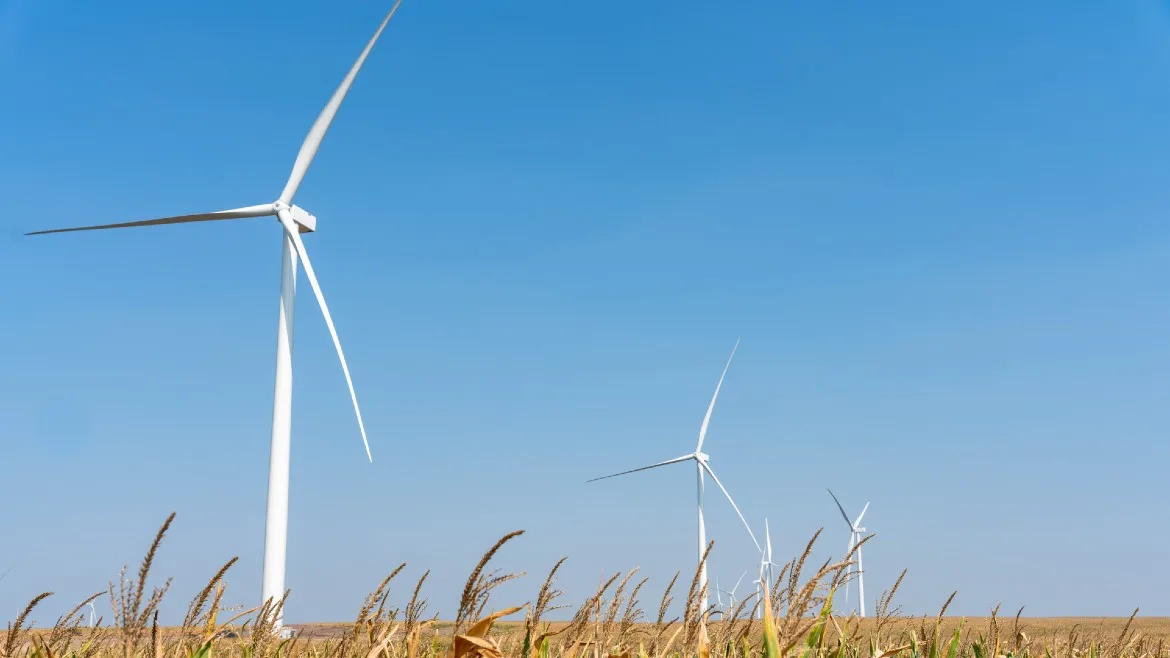
In a significant move toward decarbonizing its global supply chain, Cargill, the agricultural giant, has announced a major expansion of its renewable energy portfolio within the United States. By securing long-term virtual power purchase agreements (VPPAs) in South Dakota and Oklahoma, the company is not only working to meet its internal sustainability targets but is also actively helping its downstream customers lower their Scope 3 emissions.
This dual-pronged strategy—utilizing wind power from the Northern Plains and solar energy from the Southern Plains—marks a pivotal step in the company’s broader mission to reduce its absolute Scope 1 and 2 greenhouse gas emissions by 25% by 2035, using a 2020 baseline.
Main Facts: Powering Operations with Renewables
Cargill’s latest commitment involves a 12.6-year virtual power purchase agreement (VPPA) for 87 megawatts (MW) of wind capacity from the Sweetland Wind project in South Dakota. This agreement is projected to generate approximately 392,000 megawatt-hours (MWh) of renewable electricity annually. The environmental impact is substantial: Cargill estimates this will reduce carbon dioxide equivalent (CO2e) emissions by roughly 162,000 metric tons (MT) every year.
This wind investment follows the successful launch of the Choctaw Fields Solar project in Oklahoma. Cargill previously secured the full 85 MW output of this solar installation, which officially reached commercial operation in August 2026. Together, these two projects represent a significant investment in the regional grid infrastructure of the Southwest Power Pool (SPP), a territory that serves as the heart of Cargill’s U.S. processing operations.
Chronology: A Multi-Year Sustainability Journey
Cargill’s path to this current announcement is part of a decade-long transition toward decentralized and renewable energy procurement.
- Early Foundations (2015–2020): During this period, Cargill began piloting small-scale renewable projects at various facilities worldwide, laying the groundwork for more complex, utility-scale VPPAs.
- Defining the Baseline (2020): The company established 2020 as its benchmark year for its ambitious goal of reducing absolute Scope 1 and 2 emissions by 25% by 2035.
- The Solar Milestone (August 2026): The Choctaw Fields Solar project in Oklahoma went online. This project, which Cargill committed to earlier, was designed to contribute an annual reduction of approximately 86,000 MT of CO2e.
- The Wind Expansion (October 2026): Building on the momentum of the Oklahoma project, Cargill finalized the Sweetland Wind VPPA, signaling a shift toward a more aggressive procurement strategy in the central United States.
Supporting Data: The Math of Decarbonization
To understand the scale of Cargill’s renewable strategy, one must look at the cumulative data. The company has moved beyond simple facility-level solar panels to large-scale grid contributions.
Project Impact Breakdown
| Project | Location | Capacity | Est. Annual CO2e Reduction |
|---|---|---|---|
| Sweetland Wind | South Dakota | 87 MW | 162,000 MT |
| Choctaw Fields Solar | Oklahoma | 85 MW | 86,000 MT |
| Total | 172 MW | 248,000 MT/year |
Over the life of these agreements, the combined impact of the Sweetland and Choctaw projects is expected to support a reduction of approximately 3.3 million metric tons of CO2e. This data is critical for the food industry, where processing beef, sweeteners, and animal feed ingredients is traditionally energy-intensive. By replacing grid-standard energy—often sourced from fossil fuels—with wind and solar, Cargill is fundamentally changing the carbon profile of the food products that land on consumer dinner plates.
Official Responses: Aligning with Customer Goals
The strategic importance of these projects extends far beyond Cargill’s own balance sheet. As multinational food companies face increasing pressure from investors and regulators to report on supply chain emissions, Cargill is positioning itself as an enabler of its customers’ climate goals.
Christina Yagjian, Senior Director of Global Renewable Energy at Cargill, emphasized the partnership-driven nature of this strategy. "Our customers are looking for ways to reduce emissions from the products they source from us, and we’re partnering closely with them to support their goals," Yagjian stated.
She further explained the complexity of navigating the modern energy market: "By expanding renewable electricity in the regions where we operate, we can connect our energy sourcing more directly to the products and ingredients we supply to our customers. We continue to work with developers to find practical, creative opportunities to grow our renewable portfolio in a complex and competitive energy market while supporting reliable and resilient energy sourcing for our operations."
This perspective highlights the shift in corporate sustainability: companies are no longer just cleaning up their own factories; they are optimizing their entire energy supply chain to become a "low-carbon supplier" for their B2B clients.
Implications: The Future of Energy-Intensive Agriculture
Strengthening the Southwest Power Pool (SPP)
The choice to concentrate projects within the SPP region is deliberate. This regional grid serves as a critical hub for Cargill’s beef processing plants, feed mills, and sweetener refineries. By investing in the same grid that powers these energy-hungry facilities, Cargill is essentially "greening" the local electricity mix. This proximity ensures that the renewable energy generated is being fed directly into the infrastructure that sustains the company’s manufacturing base.
A Template for Global Scaling
Cargill’s current renewable portfolio is already massive, consisting of six major VPPAs in North America and over 100 individual projects across 30 countries. This global footprint serves as a laboratory for the company. Lessons learned in the competitive energy markets of the U.S. Midwest—such as grid balancing, intermittency management, and long-term price hedging—are being applied to operations in Europe, South America, and Asia.
The Scope 3 Advantage
For many of Cargill’s customers, the "Scope 3" challenge—emissions occurring in the value chain—is the most difficult hurdle to clear. Because electricity is a major input in the production of agricultural ingredients, Cargill’s transition to renewables acts as an immediate carbon-reduction lever for its customers. By purchasing green power at the source, Cargill lowers the carbon footprint of the beef and ingredients its customers buy, effectively outsourcing a portion of their sustainability work to Cargill’s procurement teams.
Addressing Energy Reliability
A common critique of renewable energy in industrial settings is the concern regarding reliability and intermittency. Cargill’s approach of using VPPAs allows the company to participate in the renewable transition without assuming the operational risk of managing solar arrays or wind farms directly. By partnering with experienced developers, Cargill ensures that its energy supply remains stable and resilient, even as the underlying source transitions from coal or gas to wind and sun.
Conclusion: A New Standard for Food Production
Cargill’s recent investments in the Sweetland Wind and Choctaw Fields Solar projects are indicative of a broader industry shift. As food production faces the dual challenge of feeding a growing global population and doing so within the constraints of a warming climate, energy procurement has become a core competency.
By successfully integrating 172 MW of new renewable capacity into the U.S. energy grid, Cargill is proving that large-scale decarbonization is not only possible but is a competitive advantage. The company’s ability to align its renewable energy procurement with the specific regional needs of its operations—and the sustainability mandates of its customers—sets a high bar for the food and agriculture sector.
As the company marches toward its 2035 target, the focus will likely shift to even more sophisticated energy management solutions, including battery storage and potential hydrogen integration. For now, however, the strategy of "localizing" renewable energy to match manufacturing footprints provides a clear, scalable roadmap for the next decade of sustainable food production. Through these partnerships, Cargill is transforming the way energy is sourced, utilized, and accounted for, ensuring that the ingredients of tomorrow are produced with the climate realities of today in mind.


 Laily UPN
 Rifan Muazin
