Azzam Bilal Chamdy
 Neng Nana
 Nana Muazin
 Dwi Wanna
 Raul Delapena Setiawan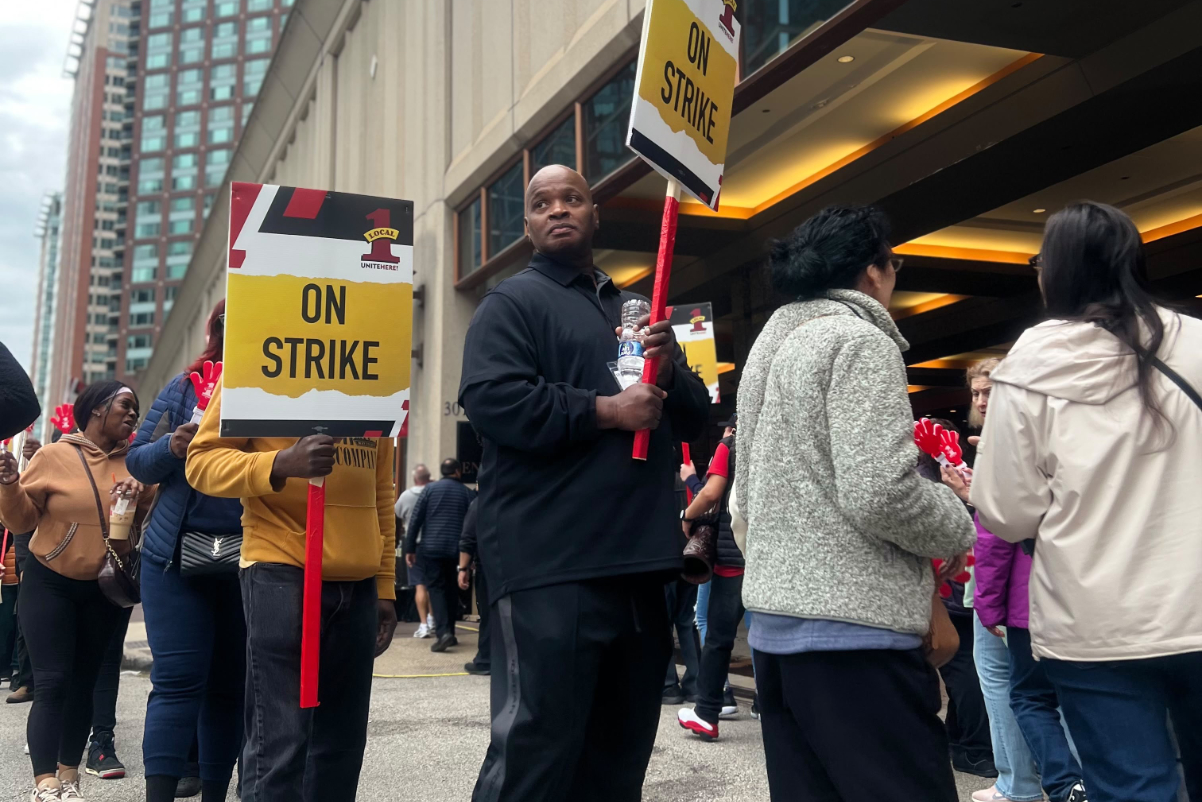
By Sean O’Neill | October 9, 2026
The hospitality landscape in Chicago faced a significant disruption this Friday as hundreds of unionized hotel workers walked off the job at six prominent downtown properties. The strike, organized by UNITE HERE Local 1, serves as a high-stakes pressure tactic arriving just 48 hours before the highly anticipated Chicago Marathon, an event that traditionally brings tens of thousands of visitors and record-breaking occupancy rates to the city’s lodging sector.
While the current walkout is limited to six hotels, the union has issued a stern warning: this may be merely the opening salvo in a broader campaign. With contracts for over 40 additional hotels remaining in limbo, the city’s tourism industry is bracing for a potential wave of labor volatility that could jeopardize the upcoming peak season.
The Scope of the Walkout: A Targeted Approach
The strike, which began in the early hours of Friday morning, centers on three major hospitality giants. The properties currently impacted include:
- Marriott-branded: Sheraton Grand Chicago Riverwalk, The Westin Chicago River North, and The Westin Michigan Avenue Chicago.
- Hilton-branded: (Additional properties confirmed as part of the strike list).
- Millennium: The Millennium Knickerbocker Chicago.
UNITE HERE Local 1, which represents thousands of service workers—including housekeepers, front desk staff, cooks, and servers—has been locked in tense negotiations with these major hotel operators for months. The primary points of contention revolve around fair wages, manageable workloads, and the restoration of staffing levels that were drastically reduced during the pandemic and never fully reinstated.
Chronology of the Dispute
The road to the October 9 walkout was paved by months of mounting frustration. The timeline of this labor dispute reflects a systemic breakdown in contract negotiations that has persisted throughout the latter half of 2026.
- August 31, 2026: Collective bargaining agreements expired for 44 of the 46 hotels involved in the current dispute. The remaining two properties were already operating without active contracts.
- September 2026: Following a series of stalled bargaining sessions, UNITE HERE Local 1 held a historic vote. Over 7,000 members across 46 hotels voted overwhelmingly to authorize a strike, granting leadership the mandate to initiate a walkout if negotiations failed to yield a fair contract.
- Early October 2026: Despite continued discussions, the union leadership determined that the pace of progress was insufficient to meet the needs of their members.
- October 9, 2026: With the Chicago Marathon weekend fast approaching, the union initiated the targeted strike at the six aforementioned properties to maximize leverage and draw public attention to their demands.
Union Strategy and the “Marathon” Leverage
The timing of the strike is no coincidence. The Chicago Marathon is one of the city’s premier economic drivers, drawing international participants and spectators who rely heavily on downtown hotel inventory. By initiating the strike just days before the race, UNITE HERE Local 1 has placed the hotels in a precarious position.
Local 1 President Karen Kent has maintained a firm stance, refusing to reveal the union’s specific "red lines" or the criteria for expanding the strike to the remaining 40 hotels.
"We’re going to have to do a lot more, whether it’s strikes or other actions," Kent stated in an interview with Skift. "Workers at any of the remaining hotels could be on strike at any moment."
This "rolling strike" strategy is designed to create uncertainty for hotel management, making it difficult for operators to predict which properties will be next or how to staff their hotels effectively during a period of high demand.
Supporting Data: The Cost of Living vs. The Cost of Labor
To understand the severity of this strike, one must look at the underlying economic pressures facing Chicago’s service workers. Since 2022, inflation in the U.S. has significantly outpaced wage growth for service industry employees.

- Staffing Levels: Data from the American Hotel & Lodging Association (AHLA) and union reports indicate that hotel staffing in many major U.S. cities remains roughly 15–20% below pre-pandemic levels.
- Workload Intensity: Housekeepers report that the elimination of daily room cleaning services—once a standard—has been replaced by a "deep clean" requirement that is more physically demanding, often resulting in increased musculoskeletal injuries.
- Inflationary Pressures: With Chicago’s cost of living rising, particularly in housing and transit, union members argue that current wage proposals from hotel operators fail to reflect the reality of the modern economy.
Official Responses and Corporate Stance
Representatives for the targeted hotel chains have expressed disappointment regarding the union’s decision to strike. In statements released throughout the day, these companies emphasized their commitment to reaching a "fair and equitable agreement."
"Our priority remains the safety and comfort of our guests," a spokesperson for one of the affected brands stated. "We have contingency plans in place to ensure that the guest experience remains uninterrupted during the marathon weekend."
However, the union views these "contingency plans"—often involving the use of management personnel to cover service roles—as insufficient and unsustainable. They argue that guests are paying premium prices for a level of service that cannot be maintained by untrained or overworked non-union staff.
Implications for the Chicago Tourism Sector
The implications of a protracted strike are far-reaching. Chicago’s recovery from the post-pandemic tourism slump has been robust, but sustained labor unrest could damage the city’s reputation as a top-tier destination for conferences and major sporting events.
1. Operational Disruption
For the six hotels involved, the immediate challenge is service continuity. If the strike persists through the marathon, guests can expect limited housekeeping services, longer wait times at front desks, and reduced dining options.
2. The "Domino Effect"
The primary fear among hotel operators is that the strike will spread. If the union successfully forces concessions at the six target hotels, it will create a template for the remaining 40 properties. Conversely, if the hotels hold firm, the union may be forced to escalate into a city-wide general strike, which would paralyze the downtown hospitality core.
3. Long-term Labor Relations
This dispute is part of a broader trend of "labor militancy" within the U.S. hospitality sector. From Las Vegas to Boston, unions are increasingly utilizing their collective bargaining power to address "post-pandemic trauma," including issues of burnout and understaffing. The Chicago strike will likely serve as a bellwether for similar negotiations in other major markets across the country throughout the remainder of 2026.
Conclusion: A City at a Crossroads
As the city prepares to welcome thousands of runners and tourists, the picket lines in front of the Sheraton Grand and other properties serve as a reminder of the human cost of the hospitality industry.
The standoff between UNITE HERE Local 1 and the hotel operators is more than a dispute over wages; it is a fundamental debate about the value of service labor in a post-pandemic world. With negotiations expected to resume in the coming days, the outcome of this strike will determine not only the future of these workers but also the stability of Chicago’s tourism sector for the foreseeable future.
For now, the city waits—and for the employees on the picket lines, the marathon is not just a race, but a platform to demand a seat at the table.