Azzam Bilal Chamdy
 Neng Nana
 Nana Muazin
 Dwi Wanna
 Raul Delapena Setiawan
 Jia Lissa
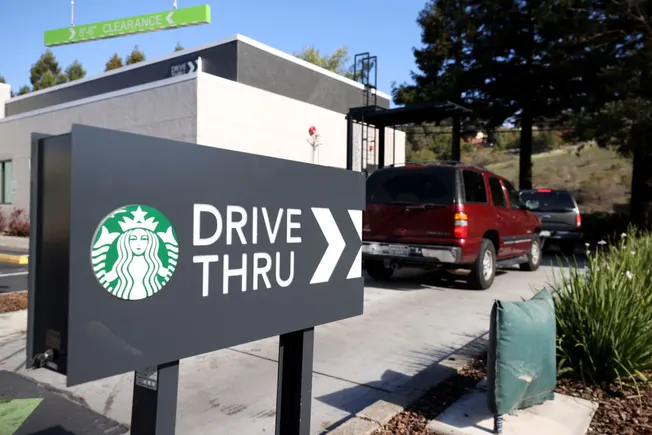
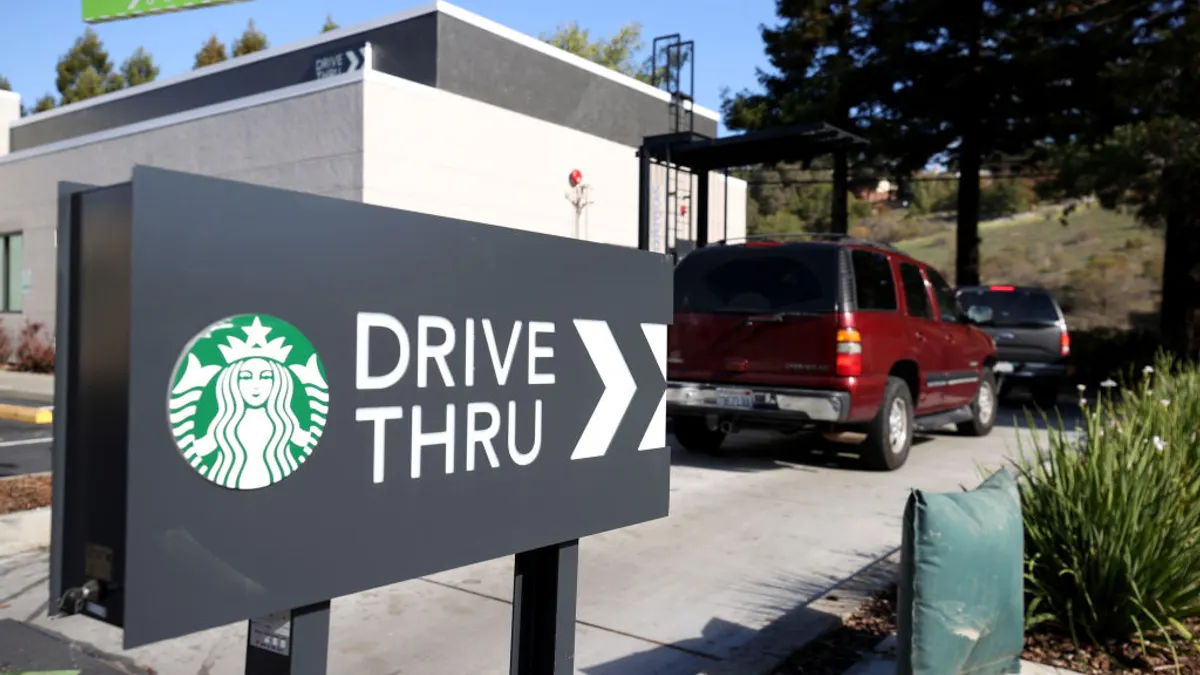
In the high-stakes world of Quick Service Restaurants (QSR), the battle for customer loyalty is increasingly being fought at the drive-thru window. A comprehensive new study conducted by InTouch CX has identified a trifecta of industry leaders—Dutch Bros Coffee, Chick-fil-A, and Starbucks—as the clear winners in consumer satisfaction. These brands have successfully cracked the code on balancing operational efficiency with the human touch, setting a new benchmark for the industry.
The report, published on October 9, 2026, highlights a fundamental truth about modern dining: consumers no longer view the drive-thru as a purely transactional necessity. Instead, they evaluate the experience based on a complex interplay of speed, perceived value, and emotional warmth. As competition intensifies and labor costs rise, these findings provide a roadmap for how QSR brands can maintain market share by prioritizing the "human connection" in an automated world.
The Pillars of Satisfaction: Speed and Sentiment
At the heart of the InTouch CX findings is a direct correlation between service speed and brand advocacy. The study utilized mystery shoppers to gauge real-world interactions, revealing that when orders were delivered faster than the customer’s expectation, nearly two-thirds of respondents expressed a "very high" likelihood to recommend the brand to others. Furthermore, 97% of those customers reported overall satisfaction with their experience.
However, the "speed trap" is real. When service fails to meet the customer’s temporal expectations, satisfaction metrics plummet. In instances where the drive-thru process felt sluggish, the likelihood to recommend the brand dropped to just 13%, and overall satisfaction fell to 82%. While 82% remains a majority, the sharp decline in recommendation intent suggests that speed is the primary driver of brand growth and viral reputation.
Yet, speed alone is not the panacea. The research emphasizes that operational efficiency must be coupled with emotional engagement.
Chronology of an Evolving Experience
The evolution of the drive-thru has been marked by three distinct phases over the last decade:
- 2020–2022 (The Pandemic Pivot): Drive-thrus became the primary lifeline for QSRs. The focus was almost exclusively on throughput—getting as many cars through the line as possible to offset the loss of dine-in business.
- 2023–2024 (The Tech-First Era): Brands invested heavily in AI-driven menu boards, automated order-taking systems, and kitchen display systems. The industry goal was to remove "friction" entirely, often at the expense of human interaction.
- 2025–2026 (The Human Reconnection): As customers grew weary of sterile, automated interactions, top-tier brands began pivoting back to "warmth." Starbucks, for instance, reinstated the practice of writing names on cups, signaling a move away from pure automation back toward personal connection.
Supporting Data: The Personalization Premium
The study provides compelling quantitative evidence that personalization is no longer optional. When mystery shoppers experienced a personalized interaction—such as being recognized as a loyalty member or having their name acknowledged—customer satisfaction ratings climbed from 93% to an impressive 98%.
This data point underscores a critical shift in consumer expectations. Modern diners are hyper-aware of the data they share through loyalty apps. In exchange for that data, they expect the brand to recognize them as an individual.

Key Findings Summary:
- The Recommendation Gap: Exceeding speed expectations results in a 5x increase in recommendation intent compared to falling behind expectations.
- The Value-Friendliness Link: There is a strong correlation between perceived value and perceived friendliness. Nearly 9 out of 10 mystery shoppers who felt they received "excellent value" for their money also described the service as "friendly."
- The Loyalty Factor: Recognition of loyalty status acts as a powerful buffer against minor service delays.
Official Responses and Strategic Shifts
Industry leaders are taking note of these findings and adjusting their long-term strategies.
Isabelle Zdatny, head of thought leadership at the Qualtrics XM Institute, argues that the binary choice between speed and friendliness is a false one. "People judge the drive-thru both on how it functioned and how it felt emotionally," Zdatny explained in an interview with CX Dive. "A bit of warmth can make a transactional experience feel special. That does not require a long conversation. A genuine greeting, acknowledgment, or brief moment of recognition can happen in seconds, but it signals that the customer is being treated as a person rather than the next order in the queue."
Other brands are following suit with innovative tech integrations. Taco Bell has been a vocal proponent of this "memorable over frictionless" strategy. Chief Digital and Technology Officer Dane Mathews has publicly outlined plans to utilize drive-thru digital screens to celebrate loyalty members’ birthdays and other milestones. This shift represents a transition from using technology to simply "speed up the line" to using technology to "humanize the experience."
Implications: The Future of the QSR Landscape
The findings from InTouch CX suggest that the QSR industry is at an inflection point. As AI and automation become ubiquitous, the competitive advantage will shift from who has the fastest drive-thru to who has the most "human" drive-thru.

1. The Death of the "Cold" Efficiency Model
Brands that rely entirely on automated kiosks and robotic order-taking without a human component risk commoditizing their service. If the experience feels identical at every chain, price becomes the only differentiator, leading to a "race to the bottom" in terms of profitability.
2. The Rise of the "Hybrid" Service Model
The winners of the next decade will likely be those who employ a hybrid model: using AI to handle the heavy lifting of logistics and inventory, while freeing up human staff to provide high-value, personalized interactions at the window. The "green apron" service model pioneered by Starbucks is becoming the gold standard for competitors to emulate.
3. Loyalty as a Relational Tool
Loyalty programs will no longer function as mere discount schemes. Instead, they will serve as the database for "emotional recognition." By the time a customer pulls up to the order screen, the system should ideally know their preferences and provide an experience tailored to their history with the brand.
4. Training for Emotional Intelligence
If the goal is to infuse warmth into a 30-second interaction, the training of QSR staff must change. Management must pivot from training employees on technical efficiency alone to coaching them on emotional intelligence, greeting protocols, and the art of the "brief acknowledgment."
Conclusion
The data is clear: the modern drive-thru is a theatre of experience. While speed is the baseline expectation, it is the emotional "value-add" that turns a one-time visitor into a brand advocate. Dutch Bros, Chick-fil-A, and Starbucks have successfully signaled to the market that a drive-thru can be both efficient and empathetic. As the rest of the industry plays catch-up, the focus must remain on the individual behind the wheel. In an increasingly digital world, the most advanced technology a brand can deploy is still a genuine, friendly human connection.