

 Ammar Sabilarrohman
 Dwi Wanna
 Nana Wu
 Neng Nana
 Nana
Nana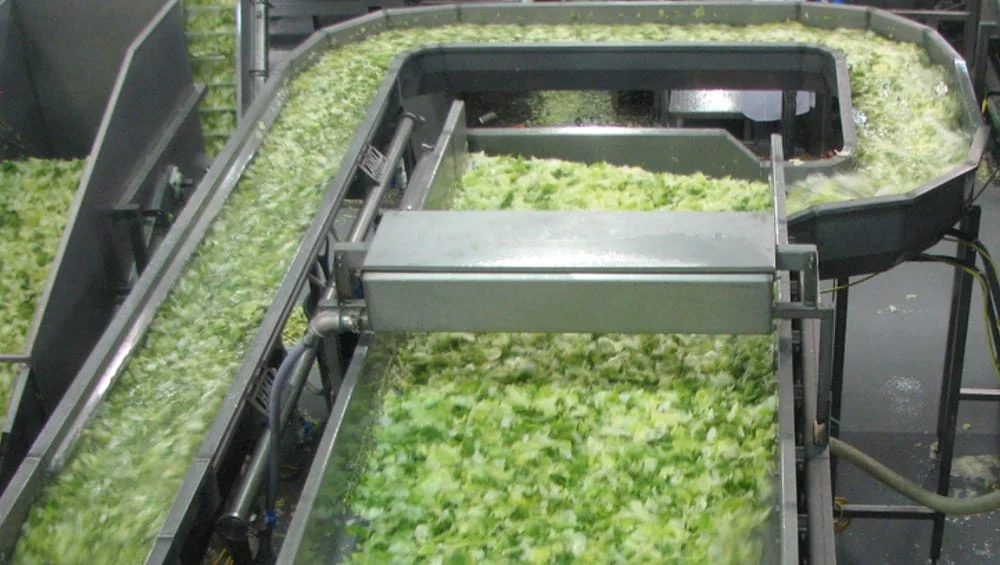
In a stern challenge to federal oversight, the consumer advocacy organization Consumer Reports has issued an urgent call for accountability from the U.S. Food and Drug Administration (FDA). In a formal letter addressed to Donald Prater, the FDA’s deputy commissioner, the organization has demanded answers regarding the agency’s sluggish and opaque response to the devastating Cyclospora outbreak that swept through the United States this past summer.
The outbreak, which has been linked to contaminated shredded iceberg lettuce sourced from Taylor Farms de Mexico, serves as a grim case study in the vulnerabilities of the American food supply chain. According to public health data, the parasite sickened nearly 13,000 individuals, led to 560 hospitalizations, and resulted in two tragic fatalities. As the dust settles, Consumer Reports is accusing the FDA of failing to uphold its fundamental public health mandate, arguing that systemic regulatory failures exposed the American public to avoidable suffering.
The Case for Oversight: Critical Vulnerabilities Exposed
Consumer Reports has given Deputy Commissioner Prater a deadline of November 6 to provide a comprehensive response to their concerns. The organization’s critique centers on what it describes as "critical vulnerabilities" in how the FDA manages foodborne illness crises.
"Throughout this investigation, the FDA’s response has been hindered by notable delays and a lack of transparency, ultimately exposing consumers to unnecessary risk," the letter states. The advocacy group contends that the agency’s failure to act with urgency transformed a manageable contamination event into a widespread public health crisis.
Central to the criticism is the timeline of the investigation. Despite early evidence pointing toward Taylor Farms de Mexico as the potential source of the Cyclospora contamination, investigators reportedly waited nearly a month before initiating on-site inspections or environmental sampling in Mexico. Furthermore, the classification of the subsequent product recall was delayed by more than a month, a bureaucratic lag that the organization argues fueled widespread confusion among consumers and retailers alike.
A Chronology of Failure: From Initial Reports to Regulatory Gridlock
The timeline of the 2025 Cyclospora outbreak illustrates a pattern of reactive, rather than proactive, governance.
- Initial Signals: As reports of gastrointestinal illness began to cluster, preliminary epidemiological evidence suggested a link to shredded iceberg lettuce.
- The Inspection Gap: Despite the identification of a probable source, the FDA did not immediately deploy teams to the Mexican production facility. It took approximately four weeks for environmental samples to be collected, a delay that allowed potentially contaminated product to continue circulating.
- The Recall Confusion: When the recall was eventually initiated, the classification process—intended to inform the public of the severity of the risk—languished for over a month. This period of silence left consumers uncertain about the safety of products already in their refrigerators.
- The Legislative Hurdle: Underlying these operational failures is a broader legislative context. While the Food Safety Modernization Act (FSMA) of 2011 was designed to mandate rigorous traceability, its implementation has been repeatedly stalled, leaving investigators without the high-tech, real-time data needed to pinpoint contamination sources during active outbreaks.
Supporting Data: The Cost of Inaction
The human toll of this outbreak is staggering, but the economic and societal ripple effects are equally significant. Beyond the 560 hospitalizations and two deaths, the outbreak caused substantial collateral damage.
Consumer Reports noted that inconsistent messaging from the FDA led to widespread panic and misdirected caution. Because the communication was not clear, many consumers stopped purchasing fresh produce altogether, even items entirely unrelated to the Taylor Farms facility. This caused significant financial losses for domestic farmers who were forced to discard perfectly safe, U.S.-grown produce, exacerbating food waste issues and damaging the agricultural economy.
The lack of transparency extended to the FDA’s investigative process. The agency failed to disclose critical information, such as the specific dates of foreign inspections or the exact locations where samples were collected. This silence, according to critics, prevented public health experts and industry stakeholders from taking independent, informed actions to protect their own operations or the public.
The Traceability Gap: A Decade of Delay
Perhaps the most contentious aspect of the debate is the status of the "traceability rule," a provision born from the Food Safety Modernization Act of 2011. The rule would require companies handling high-risk foods—such as leafy greens, fresh-cut fruits, and raw cheese—to maintain detailed digital records of the supply chain. These records would be required to be handed over to the FDA within 24 hours of a request.
Proponents of the rule, including the FDA itself in previous statements, have argued that it would allow for "faster identification and removal of potentially contaminated food from the market, resulting in fewer foodborne illnesses and deaths."
Yet, the implementation of this rule has been a target of industry lobbying. Although the law was signed 15 years ago, the rule was not slated to take effect until January 2026. In a move that shocked public health advocates, the FDA announced in March 2025 that it would delay compliance for another two and a half years, pushing the deadline to July 2028. Congress subsequently codified this delay.
Brian Ronholm, director of food policy at Consumer Reports and a former deputy under secretary for food safety at the USDA, did not mince words regarding the decision. "Basically, Congress decided to put consumers at risk because a small part of the food industry claimed 15 years wasn’t enough time to prepare," Ronholm stated. He pointed to FMI, a major trade group representing the consumer food supply chain, as a key player in lobbying for the delay.
Expert Perspective: Looking Toward Next Year
Craig Hedberg, a professor at the University of Minnesota and a noted expert on foodborne illness outbreak investigations, emphasizes that the current system is not equipped for modern food distribution challenges.
"There’s a fair amount of additional work that needs to come together to really give us a more complete picture of what happened this year and how best to approach next year," Hedberg said. He argues that the complexity of modern global supply chains requires a level of coordination and data transparency that the current FDA framework is failing to provide.
The focus now shifts to the FDA’s response to the demands posed by Consumer Reports. The organization is calling for a formal inquiry into:
- The specific factors that led to the delay in initiating on-site inspections in Mexico.
- The criteria used to determine the timing of the recall classification.
- A detailed plan to address the communication breakdowns that occurred during the outbreak.
- A commitment to accelerating the implementation of the traceability rule, regardless of industry lobbying pressures.
Implications: Can Public Trust Be Restored?
The current impasse between the FDA and advocacy groups highlights a fundamental question: Who is the food safety regulatory system actually protecting?
If the FDA continues to prioritize industry convenience over public health, the potential for future outbreaks of this scale remains high. The Cyclospora crisis has provided a clear roadmap of what happens when a regulatory agency is hampered by bureaucratic inertia and susceptible to political and commercial pressure.
"To restore public trust and ensure accountability, the FDA must address the systemic inefficiencies, communication breakdowns, and regulatory leniency that have hindered this response," Consumer Reports stated.
As the November 6 deadline approaches, the eyes of the public health community, the agricultural sector, and millions of American consumers are fixed on Washington. For the FDA, this is more than a request for information; it is a test of its viability as the primary guardian of the nation’s food supply. Without meaningful reform and a renewed commitment to transparency, the agency risks losing the public’s confidence—a commodity far harder to regain than it is to squander.



 Pevita Pearce
