
 Dwi Wanna
 Nana Wu
 Muslim
 Reynand Wu
 Ammar Sabilarrohman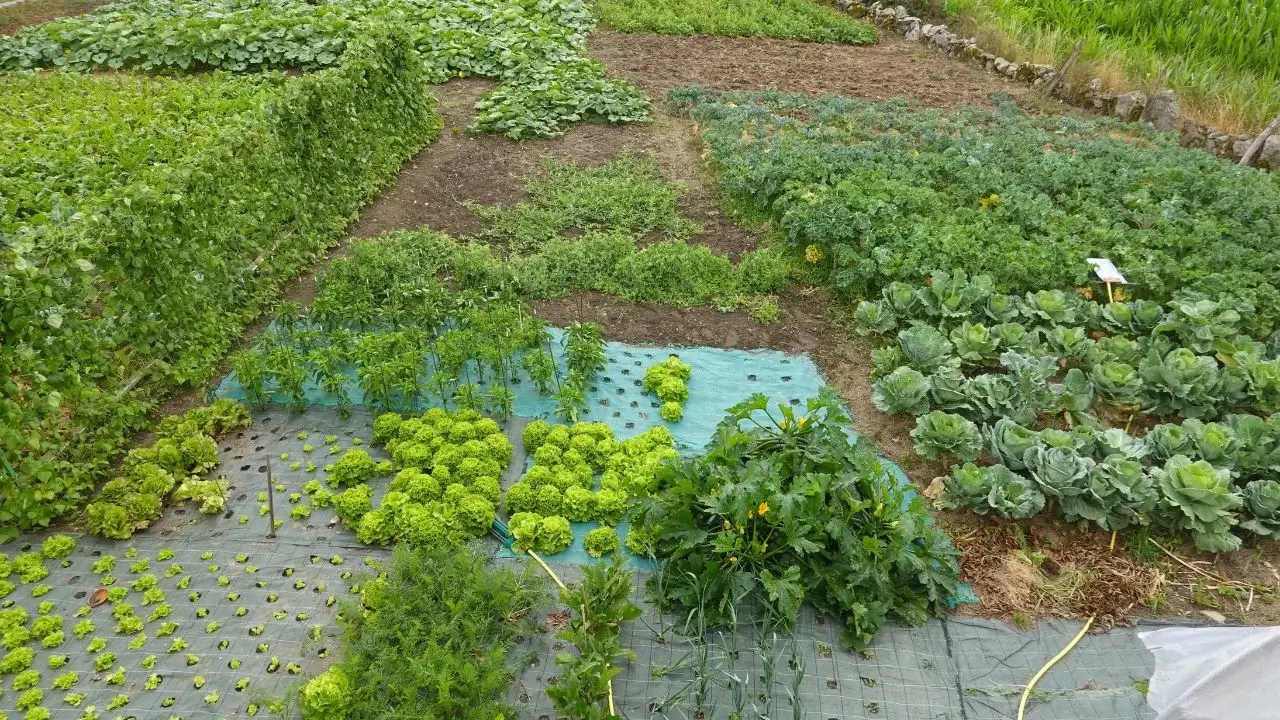
For many, the word "permaculture" conjures images of vast, sprawling rural homesteads—acres of food forests, managed ponds, and complex livestock rotations. However, the movement is undergoing a significant shift, moving from the fringes of rural idealism into the heart of suburban and urban residential landscapes. At the forefront of this evolution is Brandy Hall, founder of the Georgia-based landscaping firm Shades of Green Permaculture.
Hall is challenging the traditional, extractive model of landscaping. By applying ecological design principles to small-scale environments, she is demonstrating that permaculture is not just a method for farming; it is a design philosophy for living that can be implemented on a quarter-acre lot just as effectively as on a hundred-acre farm.
The Philosophical Shift: Moving Beyond Extraction
Permaculture, a portmanteau of "permanent agriculture," is built on three core ethics: earth care, people care, and fair share. Traditionally, the American residential landscape is governed by an opposing set of values: high-input, high-maintenance, and aesthetic-focused lawns that rely heavily on chemical fertilizers, synthetic pesticides, and excessive irrigation.

Brandy Hall’s entry into this field was not merely academic; it was deeply personal. Her own family’s health complications, triggered by exposure to herbicides, served as a catalyst for her to rethink how we interact with the land surrounding our homes.
"The industrial agricultural system can be detrimental to human health," Hall notes. "When we stop viewing our yards as empty space to be filled with ornamental grass and start viewing them as miniature ecosystems, we move from being consumers of products to stewards of a living, breathing system."
Chronology of a Movement: From Fringe to Mainstream
The roots of modern permaculture date back to the 1970s, pioneered by Bill Mollison and David Holmgren in Australia. However, for decades, it remained largely sequestered in counter-cultural circles.

The last decade, however, has seen a marked acceleration in the adoption of these practices. As climate volatility—characterized by erratic rainfall and extreme heat—becomes the new normal, homeowners and small-scale farmers are seeking solutions that offer stability.
- Early 2000s: Permaculture gains traction in niche gardening communities, primarily focused on self-sufficiency.
- 2015–2020: The rise of the "Regenerative Agriculture" movement brings mainstream attention to soil health, carbon sequestration, and biodiversity, bridging the gap between permaculture and conventional farming.
- 2020–Present: Pandemic-era gardening trends and a heightened awareness of climate resilience drive an influx of urban and suburban residents to seek professional regenerative landscaping services.
Supporting Data: Why Small-Scale Permaculture Matters
The environmental impact of private residential land is staggering. According to NASA and various ecological surveys, the amount of land dedicated to residential turf grass in the United States exceeds 40 million acres. This massive monoculture contributes to:
- Water Waste: Irrigation of residential lawns accounts for roughly 30% of daily per capita water use in the US, according to the EPA.
- Chemical Runoff: Conventional landscape maintenance involves significant quantities of nitrogen and phosphorus fertilizers, which frequently leach into local waterways, causing toxic algae blooms.
- Carbon Debt: Traditional lawn maintenance, including mowing and blowing, relies on small engines that produce disproportionate levels of carbon emissions.
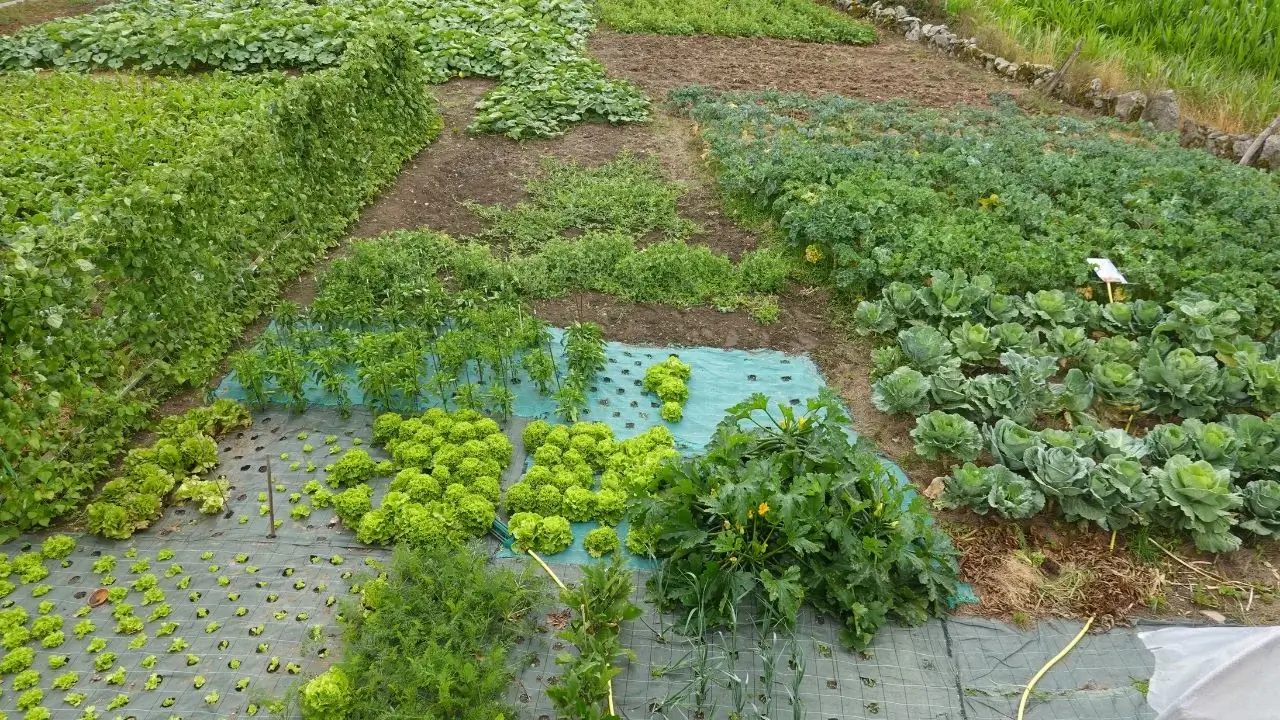
Hall’s approach seeks to invert these numbers. By shifting from lawn to "guilds"—communities of plants that support one another—homeowners can reduce water usage by up to 50% and create localized habitats for pollinators and beneficial insects.

Official Perspectives: The Mechanics of Resilience
When asked about the practical implementation of these ideas, Hall emphasizes that it is not about an overnight transformation. "It starts with observation," she explains. "Before you plant a single seed, you have to watch the water. Where does it pool? Where does it run off? We want to slow, spread, and sink that water into the soil."
Water Management as a Foundation
For Hall, water is the primary driver of any landscape. In many parts of the United States, we treat water as a nuisance, using gutter systems and landscaping slopes to direct it away from the property as quickly as possible. Permaculture advocates for the opposite: creating "swales" or catchment areas that allow water to infiltrate the soil, recharging the groundwater and supporting deep-rooted plants.
Soil Health and the "Sponge" Effect
"Bare soil is the enemy," Hall says. She advocates for constant soil coverage, whether through mulch, cover crops, or perennial groundcovers. A healthy soil structure, teeming with microbial life, acts as a carbon sink. This "sponge" effect allows the land to retain moisture during droughts, reducing the reliance on municipal water supplies.
Designing for Edges
One of the most profound principles in Hall’s work is the utilization of "edges"—the transition zones between different ecosystems. Whether it is the boundary between a garden and a forest or a property line bordering a conventional farm, these edges are where biodiversity is at its peak. By planting hedgerows and windbreaks, farmers and homeowners can create a buffer against chemical drift from neighboring properties, effectively shielding their own gardens from the impact of industrial-scale agriculture.
Implications for the Future: A Cultural Shift
The implications of adopting permaculture at the home level extend far beyond the garden gate. As we face an era of climate instability, the model of the "resilient home" offers a blueprint for societal adaptation.
Teaching the Next Generation
Hall is particularly passionate about the pedagogical aspect of her work. "We have inherited a model that prioritizes short-term yield over long-term health," she says. "Teaching the next generation means teaching them how to observe and respond to the land, rather than how to dominate it."
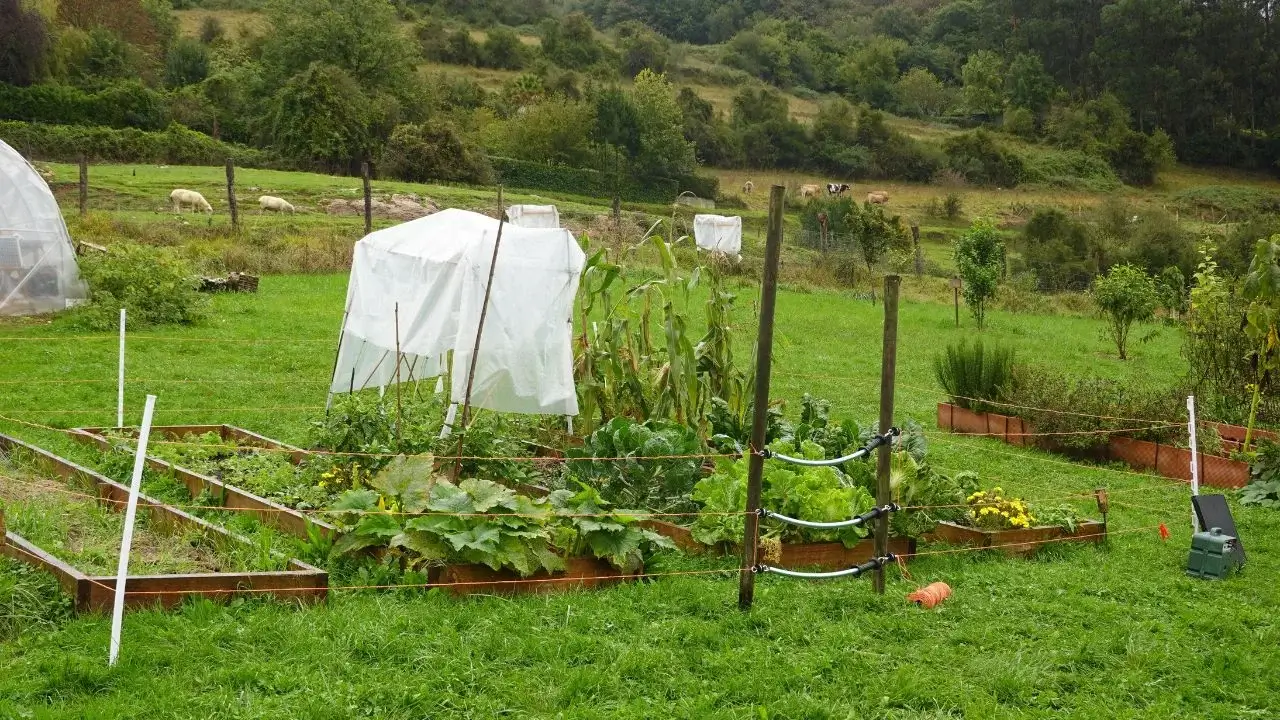
By moving away from a model of control, where humans impose their will on nature, we transition toward a model of collaboration. This is the core of regenerative living: understanding that the garden is not a machine to be operated, but a partner in survival.
The Role of Community
Permaculture is inherently social. A single permaculture garden provides food and beauty, but a neighborhood of such gardens creates a wildlife corridor, reduces the heat-island effect of suburban areas, and builds community resilience. Hall’s company, Shades of Green, serves as an example of how small-scale landscaping businesses can act as catalysts for this shift, providing the technical knowledge necessary for homeowners to transition their properties.
Conclusion: The Path Forward
The conversation with Brandy Hall leaves one with a sense of guarded optimism. The challenges—chemical pollution, water scarcity, and the loss of biodiversity—are massive. Yet, the solutions offered by permaculture are accessible, modular, and profoundly empowering.
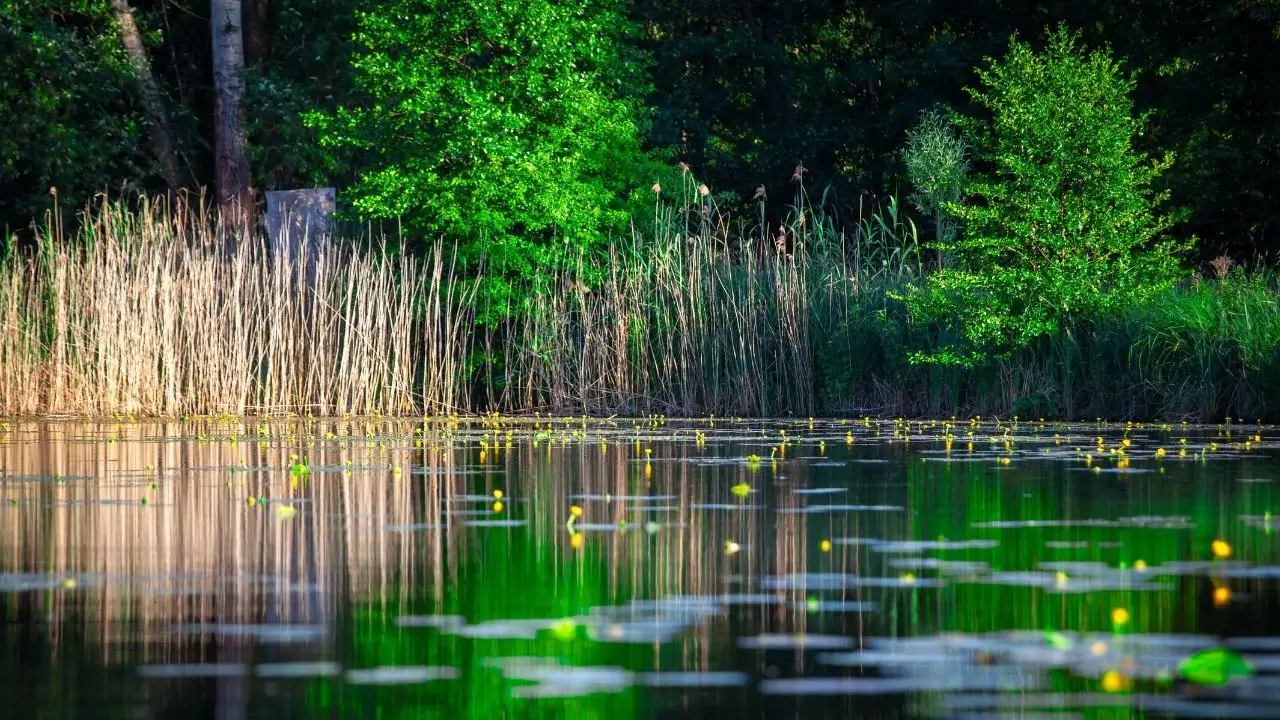
"It’s not about perfection," Hall concludes. "It’s about building resilience, season by season."
Whether you are a commercial farmer looking to integrate regenerative practices or a suburban homeowner tired of the endless cycle of lawn maintenance, the principles remain the same. By observing the patterns of the land, respecting the cycle of water and nutrients, and focusing on long-term ecological health, we can transform our backyards into hubs of restoration. In doing so, we don’t just change our landscapes; we change our relationship with the planet.
As we look toward the future, the work of practitioners like Hall suggests that the most radical change might just be found in our own backyards, one perennial plant at a time.


 Sagoh
Sagoh