 Dwi Wanna
 Nana Wu
 Muslim
 Reynand Wu
 Ammar Sabilarrohman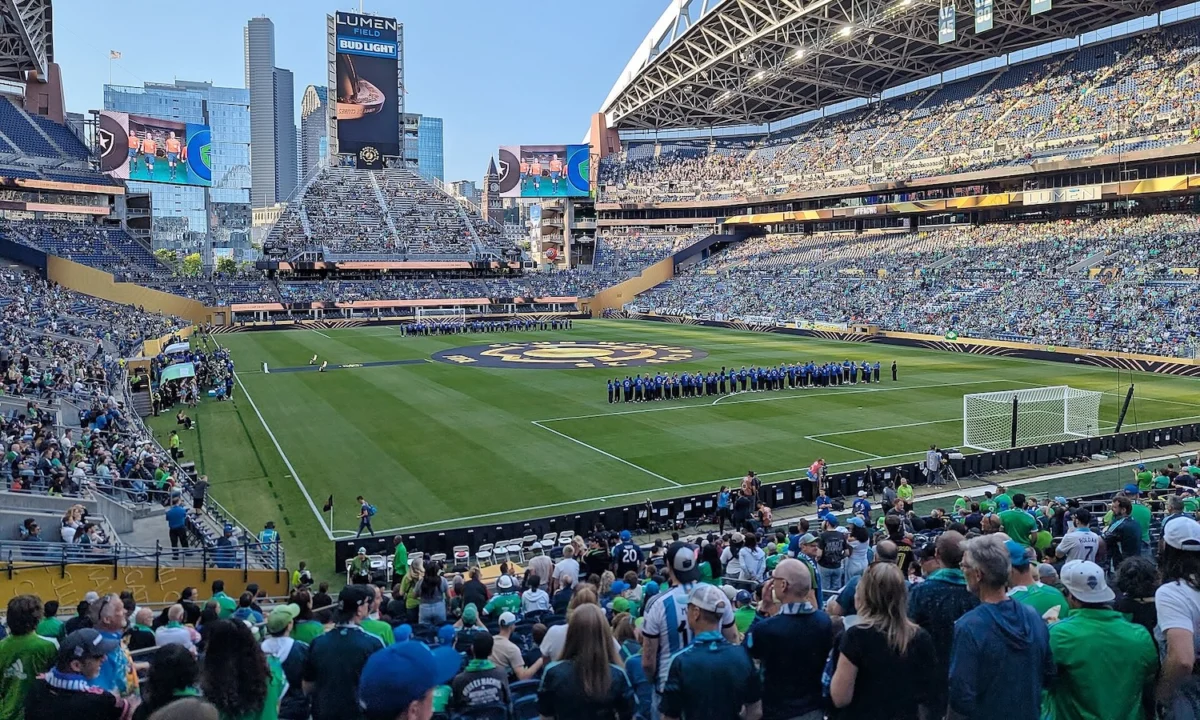
As the world turns its gaze toward North America for the 2026 FIFA World Cup, Seattle, Washington, is preparing to host more than just six world-class soccer matches. The Emerald City is becoming the backdrop for a historic milestone in international sports: the first formal representation of a Tribal Nation at the FIFA World Cup. The Puyallup Tribe of Indians, acting as the Official Legacy Supporter for host city Seattle, is leveraging this massive global platform to weave their culture, language, and sustainability initiatives into the fabric of the tournament.
This partnership represents a paradigm shift in how host cities engage with Indigenous populations. It moves beyond tokenism toward a model of meaningful integration, where the Puyallup Tribe is not merely a guest, but a central architect of the event’s community-driven narrative.
The Historic Milestone: A First for Tribal Nations
The 2026 FIFA World Cup will serve as a bridge between the global excitement of soccer and the deep-rooted history of the Pacific Northwest. By becoming the Official Legacy Supporter, the Puyallup Tribe has secured a seat at the table that was previously inaccessible to sovereign Indigenous nations in the context of global sports mega-events.
For the Puyallup people, this is an opportunity to share their story with an estimated global audience of billions. From the reintroduction of the Lushootseed language in city signage to the creation of cultural fan zones, the Tribe is ensuring that the "legacy" of the World Cup in Seattle is defined by more than just athletic performance. It is a legacy of Indigenous reclamation, ecological stewardship, and the promotion of foodways that have sustained their people for millennia.
Chronology of Collaboration
The journey toward this historic partnership began well before the official announcement. It is the culmination of years of relationship-building between the Puyallup Tribe and local civic leaders in Seattle.
- Early Planning (2023–2024): Discussions commenced between the Puyallup Tribe and Seattle’s World Cup planning committee to define the scope of a "Legacy Supporter" role. The primary focus was placed on ensuring that the Tribe’s involvement went beyond decorative elements and instead addressed substantive community needs.
- The Announcement (2025): The official designation of the Puyallup Tribe as the Official Legacy Supporter was solidified, marking a formal agreement to integrate tribal programming into the 2026 schedule.
- The Path to the Pitch (June 2026): As the tournament approaches, the Tribe has begun the rollout of community gardens and language-reclamation projects.
- The World Cup Window (June–July 2026): The tournament period will feature the inaugural World Cup Pow Wow (June 19–21) and a series of fan zones that will serve as hubs for cultural exchange and live match viewing.
Linguistic Sustainability: The Heart of the Legacy
A central pillar of the Tribe’s involvement is the reestablishment and visibility of Lushootseed, the traditional language of the Puyallup people. This is not merely an aesthetic choice; it is an act of cultural revitalization.
"It’s the sustainability of language, history, and economic development," explains Amy McFarland, the Puyallup Tribe’s World Cup Project Director. By embedding Lushootseed into murals, welcoming messages, and official tournament signage, the Tribe is normalizing the presence of Indigenous tongues in public spheres. This project serves as a reminder to the global soccer community that the land upon which the games are played has a history that long predates the sport itself.
This linguistic project is part of a larger, holistic sustainability effort. As McFarland notes, the sustainability of language is inextricably linked to the sustainability of the environment. When a language is preserved, the traditional knowledge of the land—names of plants, medicinal uses of roots, and the cycles of the seasons—is preserved alongside it.
Ecological Stewardship and Foodways
The Puyallup Tribe’s commitment to the environment is perhaps most visible in their work regarding regional flora and fauna. In anticipation of the 2026 influx of visitors, the Tribe is doubling down on projects that restore the ecological balance of the region.
The Return of the Camas Prairie
The Tribe is actively preparing for a large-scale harvest of Camassia, a bulbous plant that was once a staple of the Indigenous diet and a crucial medicinal resource. Beyond the harvest, the Tribe is focusing on the reintroduction of camas prairies—ecosystems that have been decimated by urban development.
These community gardens and restoration projects serve as living classrooms. They provide a space to teach younger generations how to forage, collect, and prepare traditional foods. "We think about sustainability of our environment, taking care of our waters, ensuring that we know and teach our children how to forage, collect, harvest, and use traditional foods and medicine," says McFarland.
This emphasis on "foodways" acts as a form of resistance against the industrial food systems that often dominate major sporting events. By highlighting Indigenous medicines and plants, the Tribe is demonstrating a sustainable, locally-focused alternative to the globalized food supply chains typical of such massive events.
Official Responses and Strategic Vision
The partnership is guided by a clear, multi-faceted vision. The Puyallup Tribe’s leadership views the World Cup not just as a sporting event, but as a strategic platform to advocate for tribal sovereignty and cultural recognition.
The strategy relies on three main pillars:
- Visibility: Ensuring the Puyallup Tribe is recognized as the sovereign host of the region.
- Education: Using fan zones and digital media to inform visitors about the history of the Puyallup people and the environmental challenges facing the Pacific Northwest.
- Empowerment: Creating direct roles for youth to ensure that the knowledge shared during the tournament is carried forward by the next generation.
Youth Ambassadors: Passing the Torch
Perhaps the most significant component of the Tribe’s programming is the selection of 25 youth ambassadors. These young representatives are tasked with roles that emphasize service and cultural continuity. Throughout the matches, they will be responsible for assisting elders, distributing clean water, and performing traditional songs, dances, and storytelling.
"Youth is a vital part of what we have," McFarland emphasizes. "Without teaching our young ones the way to do things, the future is not there." By placing the youth at the center of the World Cup experience, the Tribe is ensuring that the legacy of this event is not a static memory, but a dynamic, living commitment to the future of the Puyallup people.
Implications: A New Standard for Mega-Events
The inclusion of the Puyallup Tribe in the 2026 FIFA World Cup sets a new, high-water mark for global sporting events. It challenges future host cities—whether in the U.S. or abroad—to engage with the original inhabitants of their lands.
The Economic and Cultural Ripple Effect
While the immediate impact will be felt during the tournament, the long-term implications are profound. By building infrastructure for the World Cup that is rooted in Lushootseed signage and sustainable food systems, the city of Seattle is creating a lasting footprint that will remain long after the final goal is scored.
For the Tribe, the economic development associated with the event provides a catalyst for further investment in tribal enterprises and community initiatives. For the soccer fans descending upon Seattle, the experience will be fundamentally altered. They will not just be visiting a stadium; they will be entering a space where the history of the land is actively honored and integrated into the modern experience.
Conclusion: Beyond the Game
As the 2026 FIFA World Cup approaches, the Puyallup Tribe stands as a testament to the resilience of Indigenous cultures. Through a careful balance of tradition and modernity, they are proving that it is possible to participate in the global spectacle of sports without compromising one’s identity or values.
The Puyallup Tribe’s role as the Official Legacy Supporter is a reminder that the true success of any international event should be measured by its impact on the local community and its willingness to acknowledge the history of the land it occupies. As the world cheers for their favorite teams in Seattle, they will also be witnessing a historic reawakening of culture—a story of language, food, and the enduring strength of the Puyallup people.
This collaboration serves as a blueprint for future host cities, signaling that when Indigenous nations are brought into the fold as equal partners, the resulting legacy is far richer, more meaningful, and more sustainable for everyone involved.

 Sagoh
Sagoh