

 Ali Ikhwan

 Iffa Jayyana

 Muslim

 Nana

 Dwi Wanna
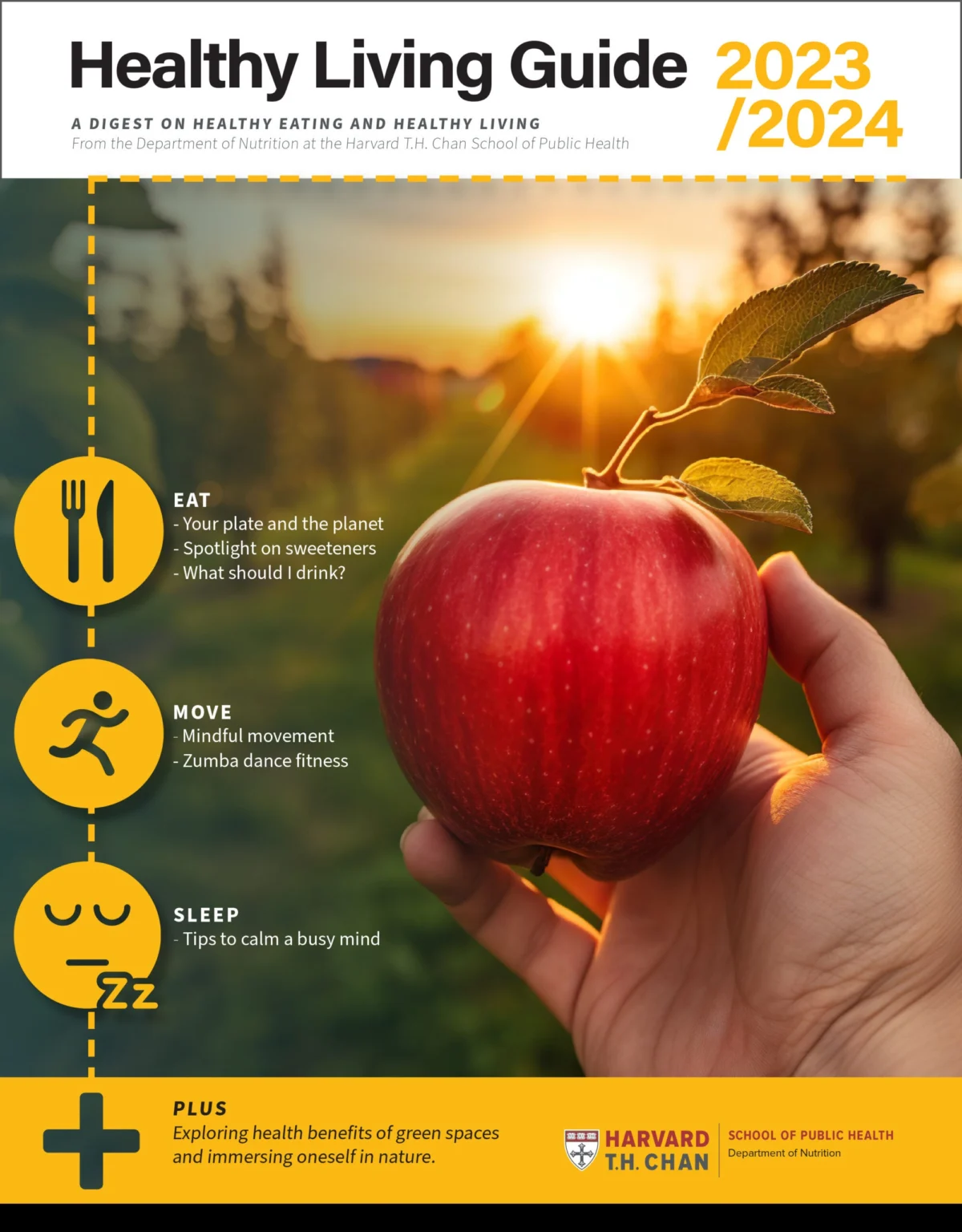
As we step into 2024, the global conversation surrounding health has shifted from mere physical maintenance to a more holistic, interconnected approach. Leading this charge is the Harvard T.H. Chan School of Public Health’s Department of Nutrition, which has recently unveiled its fourth annual Healthy Living Guide. This year’s edition is more than just a collection of dietary advice; it represents a philosophical and scientific evolution in how we perceive the intersection of our personal health, our mental state, and the health of the planet.
Main Facts: A New Paradigm of Holistic Well-being
The 2023-2024 Healthy Living Guide arrives at a pivotal moment in public health history. The core thesis of this year’s publication is the integration of mindfulness into the foundational pillars of health: nutrition, physical activity, and sleep.
The publication serves as a comprehensive resource for individuals and communities alike, offering evidence-based strategies to combat the rising tide of lifestyle-related ailments. By drawing upon the latest research from the Department of Nutrition, the guide provides actionable insights into how small, mindful changes in daily habits can lead to significant long-term health outcomes. Central to this edition is the launch of the Thich Nhat Hanh Center for Mindfulness in Public Health, an initiative that seeks to bridge the gap between ancient contemplative practices and modern medical science.
Chronology: The Evolution of the Healthy Living Guide
To understand the significance of this current release, one must look at the trajectory of the Department of Nutrition’s outreach efforts:
- 2020-2021: The inaugural launch of the Healthy Living Guide sought to provide foundational evidence-based guidance during the height of the global pandemic, focusing on basic nutrition and stress management in isolation.
- 2021-2022: The guide expanded to include robust sections on environmental sustainability, linking diet to climate change.
- 2022-2023: The focus shifted toward digital health tools, community-based wellness initiatives, and the long-term impacts of sedentary behavior, establishing a baseline for the "healthy living" curriculum.
- 2024: The current edition represents a maturation of the project. It moves beyond individual advice, incorporating the concept of "planetary health" and the rigorous scientific study of mindfulness as a public health intervention.
Supporting Data: The Science Behind the Lifestyle
The 2023-2024 guide is backed by an array of recent studies that clarify the links between modern living and chronic disease.
Ultra-Processed Foods and Mental Health
One of the most compelling sections of this year’s guide explores the correlation between the consumption of ultra-processed foods (UPFs) and mental health disorders. Research highlighted in the guide suggests that diets high in processed sugars, additives, and refined fats are not only linked to physical metabolic issues but are also associated with increased rates of anxiety and depressive symptoms. The guide argues that the "gut-brain axis"—the biochemical signaling between the gastrointestinal tract and the nervous system—is significantly disrupted by modern, nutrient-poor diets.
The Science of "Chronotypes"
The guide also dives deep into the concept of "chronotypes"—the biological predisposition of an individual to be a "morning lark" or a "night owl." Utilizing evidence from sleep medicine, the guide explains that forcing one’s schedule against their natural circadian rhythm can lead to hormonal imbalances, weakened immunity, and diminished cognitive performance. By understanding one’s personal chronotype, the guide provides strategies for aligning work and rest cycles to optimize metabolic and psychological health.
Movement as Medicine: The Zumba Effect
Moving beyond traditional aerobic exercise, the guide highlights the efficacy of rhythmic movement, such as Zumba, in improving both physical fitness and mental health. The intersection of cardiovascular exertion and the release of "feel-good" neurochemicals through music-based exercise provides a holistic approach to movement that promotes long-term adherence, a common hurdle in public health initiatives.
Official Responses and The Thich Nhat Hanh Center
The establishment of the Thich Nhat Hanh Center for Mindfulness in Public Health marks a significant milestone for the Harvard community. Dr. Walter Willett and his colleagues at the Department of Nutrition have been instrumental in advocating for this shift.
"The apple in your hand is the body of the cosmos," a quote from Thich Nhat Hanh that opens the guide, serves as the thematic anchor for the Center’s mission. The official response from the department leadership emphasizes that mindfulness is not merely a subjective experience, but a measurable health behavior.
Researchers at the Center are currently examining how mindfulness—defined as the non-judgmental awareness of the present moment—can reduce systemic inflammation and cortisol levels across large populations. By training public health practitioners to integrate mindfulness into nutrition counseling, the Center aims to move the needle on obesity, cardiovascular disease, and chronic stress.
Implications: Why This Matters for 2024 and Beyond
The implications of this year’s Healthy Living Guide are profound for both the individual and the policy-maker.
1. The Personal Level
For the average reader, the guide provides a roadmap for de-escalating the "hurry-up" culture that dominates modern life. By emphasizing "mindful eating," the guide encourages individuals to pay attention to the sensory experience of food, which research shows can lead to better portion control and more efficient digestion. This is not about restrictive dieting; it is about cultivating a sustainable, enjoyable relationship with fuel.
2. The Community and Policy Level
On a larger scale, the guide signals a shift in public health strategy. The integration of mindfulness into public policy suggests that we must address the environment in which people live. If ultra-processed foods are detrimental to mental health, then food policy must prioritize access to whole, unprocessed, and locally sourced foods. If sleep deprivation is a public health crisis caused by modern work schedules, then workplace wellness policies must be re-evaluated.
3. Planetary Health
The guide underscores the undeniable link between our personal plates and the health of the planet. Mindful eating, as proposed by the Harvard team, inherently favors plant-forward diets that have a lower environmental footprint. By choosing foods that are better for our bodies, we are simultaneously participating in a global effort to reduce the strain on our natural resources.
Conclusion: A Call to Action
The 2023-2024 Healthy Living Guide is more than just a document; it is a call to action. As we navigate the complexities of the 21st century, the need for a grounded, informed, and conscious approach to our daily habits has never been higher.
The guide offers a wealth of printable tip sheets and actionable summaries designed to help readers translate complex scientific research into simple, daily habits. Whether it is adjusting your sleep schedule based on your chronotype, swapping ultra-processed snacks for whole foods, or integrating mindful movement into your afternoon, the steps are clear.
As the Department of Nutrition continues to lead with the Thich Nhat Hanh Center, we can expect to see more research linking the "body of the cosmos" to the body of the individual. For those ready to begin their journey, the guide serves as a comprehensive, free, and scientifically rigorous starting point.
To take the first step toward a more mindful and healthy 2024, readers are encouraged to download the full PDF edition of the Healthy Living Guide and engage with the supplemental resources provided by the Harvard T.H. Chan School of Public Health. Through collective awareness and informed action, the goal of a healthier, more balanced society is within reach.
Disclaimer: This article is based on the 2023-2024 Healthy Living Guide published by the Harvard T.H. Chan School of Public Health. Readers are encouraged to visit the official Harvard Nutrition Source website for further reading, full citation of studies, and access to the complete downloadable guide.

 Nana Muazin

 Evan Lee Salim

