
 Dwi Wanna
 Nana Wu
 Muslim
 Reynand Wu
 Ammar Sabilarrohman
 Laily UPN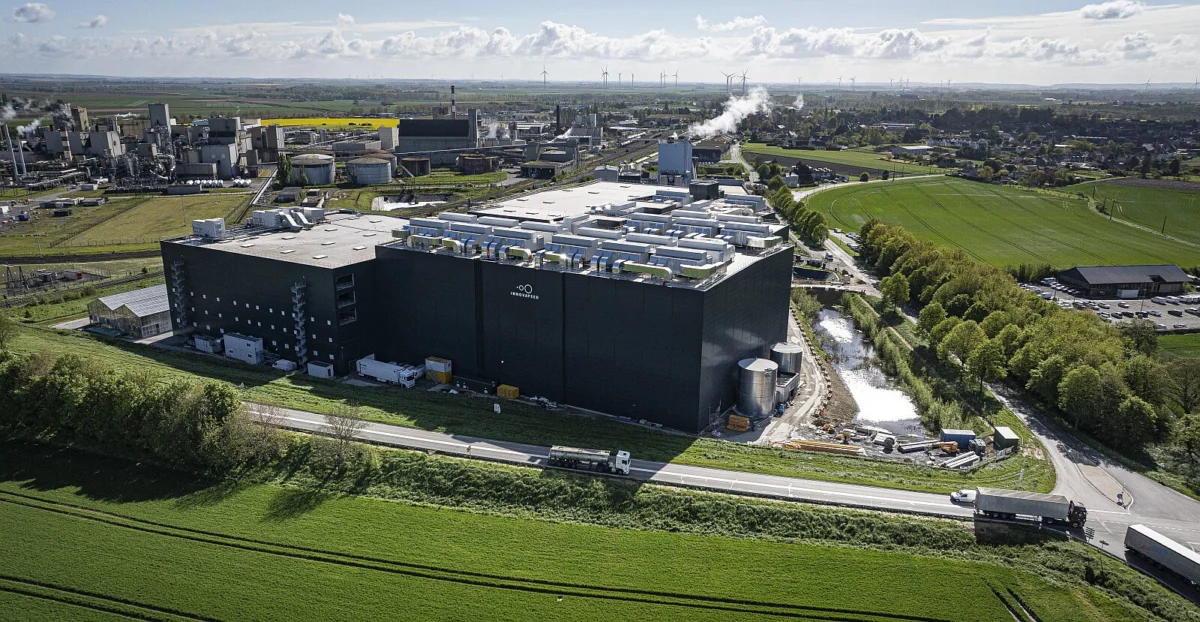
In a landscape defined by recent volatility and high-profile bankruptcies, French insect protein leader Innovafeed has successfully closed a €51 million ($59 million) funding round. This latest capital injection, which brings the company’s total funding—including grants—to over half a billion dollars, serves as both a vote of confidence from existing blue-chip investors and a strategic bridge toward commercial profitability.
However, the funding announcement arrives alongside a sobering organizational shift. Innovafeed has confirmed plans to consolidate its operations, effectively streamlining its research and production footprint. This move will result in a reduction of 60 roles out of its 300-strong workforce, marking a transitional phase for the Paris-based firm as it pivots from the experimental agility of its startup years toward the rigid efficiency required of a global industrial player.
The Strategic Consolidation
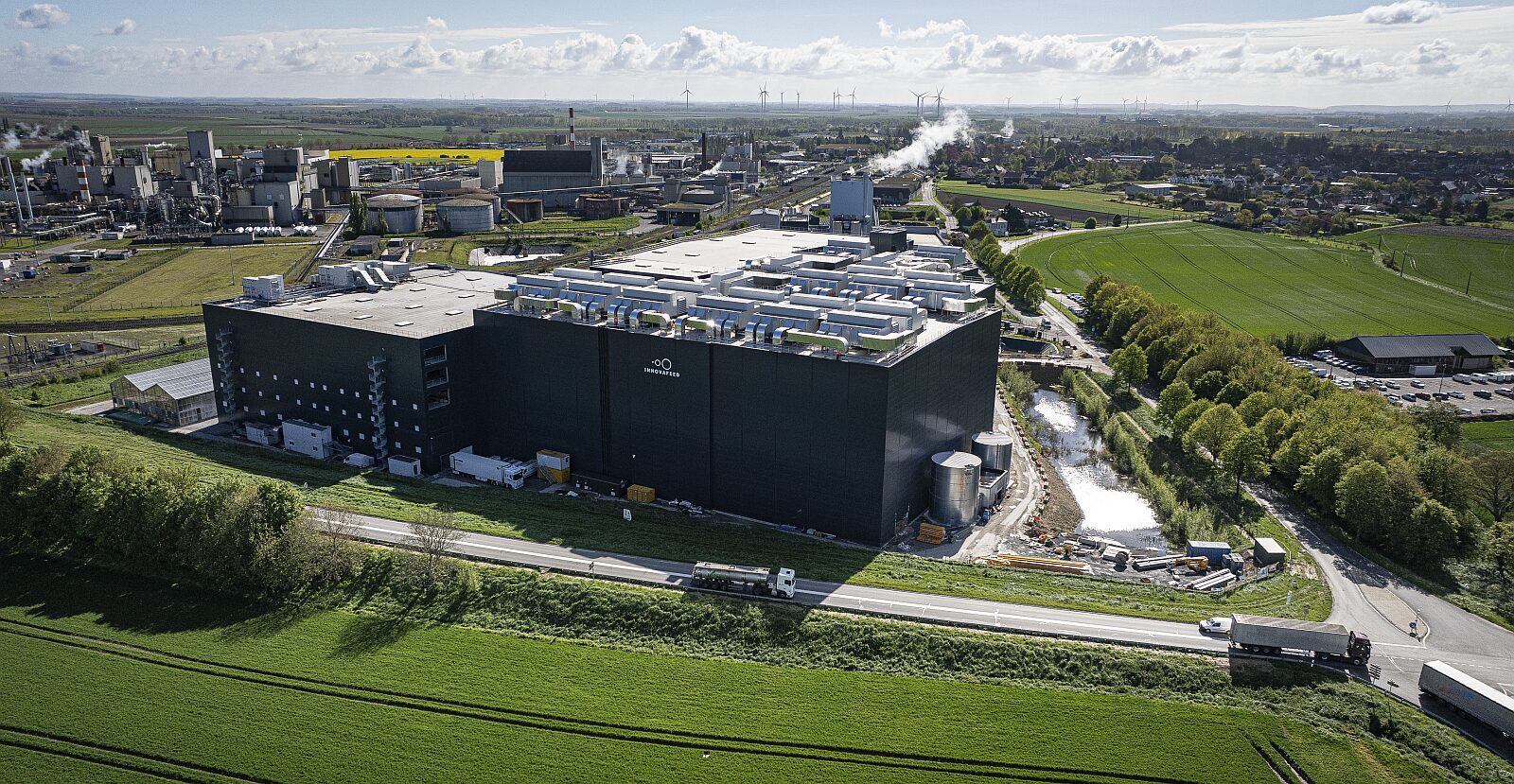
The core of this reorganization involves the migration of zootechnical R&D activities from the company’s historical site in Gouzeaucourt to its flagship commercial-scale production facility in Nesle, France.
Clément Ray, CEO and co-founder of Innovafeed, framed the decision as a natural evolution for a company that has successfully moved beyond the "pilot" phase. "Following an intense phase of R&D and industrial development that successfully cleared critical operational maturity milestones, the company is embarking on a new stage of its growth," Ray stated.
The Gouzeaucourt site, which served as the incubator for the company’s early breakthroughs, is slated for long-term closure. Ray emphasized that the process will be managed through a "structured and regulated framework" over the next two years, with the company working closely with local authorities to explore potential reuses for the site.
A Chronology of Growth and Hard-Won Lessons
Founded in 2016 by Aude Guo, Bastien Oggeri, and Clément Ray, Innovafeed has spent nearly a decade refining the science of black soldier fly larvae (BSFL) production. The company’s trajectory has been marked by several defining milestones:
- 2016: Establishment of Innovafeed with a vision to decouple animal feed from traditional agricultural inputs like soy and fishmeal.
- 2017–2020: Rapid scaling of pilot facilities and the establishment of the Nesle plant, designed to utilize waste byproducts from neighboring starch production.
- 2022: A landmark $250 million Series D funding round, which provided the capital to accelerate industrial output.
- 2024: The company reports a tenfold increase in production volumes at Nesle and claims to have reduced unit costs by a factor of seven.
- 2025/2026: Reaching a stable output of approximately 1,000 tons of insect protein per week; internal restructuring to optimize the path to profitability.
Despite these successes, the company remains tight-lipped regarding its ambitious expansion plans for Decatur, Illinois. While the firm described its potential US facility—to be co-located with an ADM corn milling plant—as "very much alive" earlier this year, stakeholders are watching closely to see if the recent European consolidation indicates a delay or a refocusing of global capital expenditures.

Supporting Data: The Industrial Proof Point
The insect agriculture sector has historically been plagued by the "valley of death"—the period between proving a technology works in a lab and proving it can generate margins at scale. Innovafeed claims to have breached this barrier.
CEO Clément Ray asserts that the Nesle facility is currently operating at three times the capacity of its nearest European competitor. By leveraging circular economy principles—specifically, sourcing wheat byproducts from a co-located Tereos plant—Innovafeed has managed to lower the barrier of feedstock costs.
"The industrialization phase encompasses the end-to-end execution of the plant’s deployment," Ray noted. "From construction and ramp-up—a critical stage where many projects in the sector have failed—to the achievement of operational targets across all key dimensions, including production volumes, process stability, and unit economics, we are now in the target range."
The financial backing for this latest round remains robust, with continued support from heavyweights such as:
- Creadev (a family-owned investment firm)
- QIA (Qatar Investment Authority)
- Temasek (Singapore’s sovereign wealth fund)
- ADM (Archer-Daniels-Midland)
- ABC Impact and FFC (Future French Champions)
Official Perspectives on Market Adoption
The shift toward alternative proteins is no longer driven solely by environmental idealism; it is increasingly tethered to "functional performance." Fabio Brambilla, Ph.D., from partner firm NaturAlleva, noted that the industry is finally moving toward mass-scale integration in aquaculture.
"Innovafeed’s products represent one of the key solutions for more sustainable and high-performing aquaculture," Brambilla said. "After many years of studying the benefits of this raw material in the nutrition of sea bass, sea bream, and trout, we have made the decision to use these new ingredients on a very broad scale."
Bénédicte Monpert of Creadev echoed this sentiment, highlighting that the company has "won its industrial bet." The core argument from Innovafeed leadership is that the market is beginning to favor companies that can offer, in one package, sustainability credentials, nutritional superiority, and consistent supply chain reliability.
The Broader Implications: A Reckoning for Insect Ag
The news of Innovafeed’s reorganization follows a brutal shakeout in the insect protein sector. The collapse of firms like Denmark’s ENORM, the judicial liquidation of France’s Ÿnsect, and the receivership of Canada’s Aspire Food Group have served as a wake-up call to the industry.
The "VC-Backed" Dilemma
Industry analysts and founders, such as Larry Kotch of the UK-based FlyBox, argue that the "large-scale, vertically integrated" model funded by venture capital may be fundamentally flawed for the current economic climate. Kotch suggests that the high capital expenditure (CAPEX) required for these massive facilities is difficult to justify when biological systems are prone to unpredictable variables.
Instead, a shift in strategy is emerging:
- Waste Management Integration: Rather than paying for feedstocks, companies are pivoting toward models where they are paid by municipalities or waste processors to manage organic waste, turning a cost center into a revenue stream.
- Geographic Arbitrage: Companies like Protix are exploring expansion into Asia, where regulatory environments and lower operational costs may provide a more sustainable margin profile from "day one."
- Specialization: Focusing on high-value applications, such as specialized pet food or pharmaceutical-grade insect oils, rather than competing solely on the price of commodity fishmeal.
The Road Ahead
For Innovafeed, the path forward is clear: consolidate, stabilize, and scale. By focusing on the Nesle facility, the company is betting that its "industrial proof point" is sufficient to weather the current market skepticism.
The next 18 to 24 months will be decisive. With the goal of achieving profitability at the Nesle plant by the end of 2027, the firm must prove that its technological lead can translate into the kind of repeatable, high-margin revenue that investors now demand.
The "death" of the insect ag industry, as some have prematurely declared, appears to be an exaggeration. Rather, the industry is entering its "adolescence"—a painful, structural phase where the survivors are those that trade hype for cold, hard, industrial discipline. Innovafeed’s latest move is a testament to the fact that in the world of high-tech biology, the ability to shrink, refine, and focus is just as important as the ability to grow.

 Pevita Pearce