
 Dwi Wanna
 Nana Wu
 Muslim
 Reynand Wu
 Ammar Sabilarrohman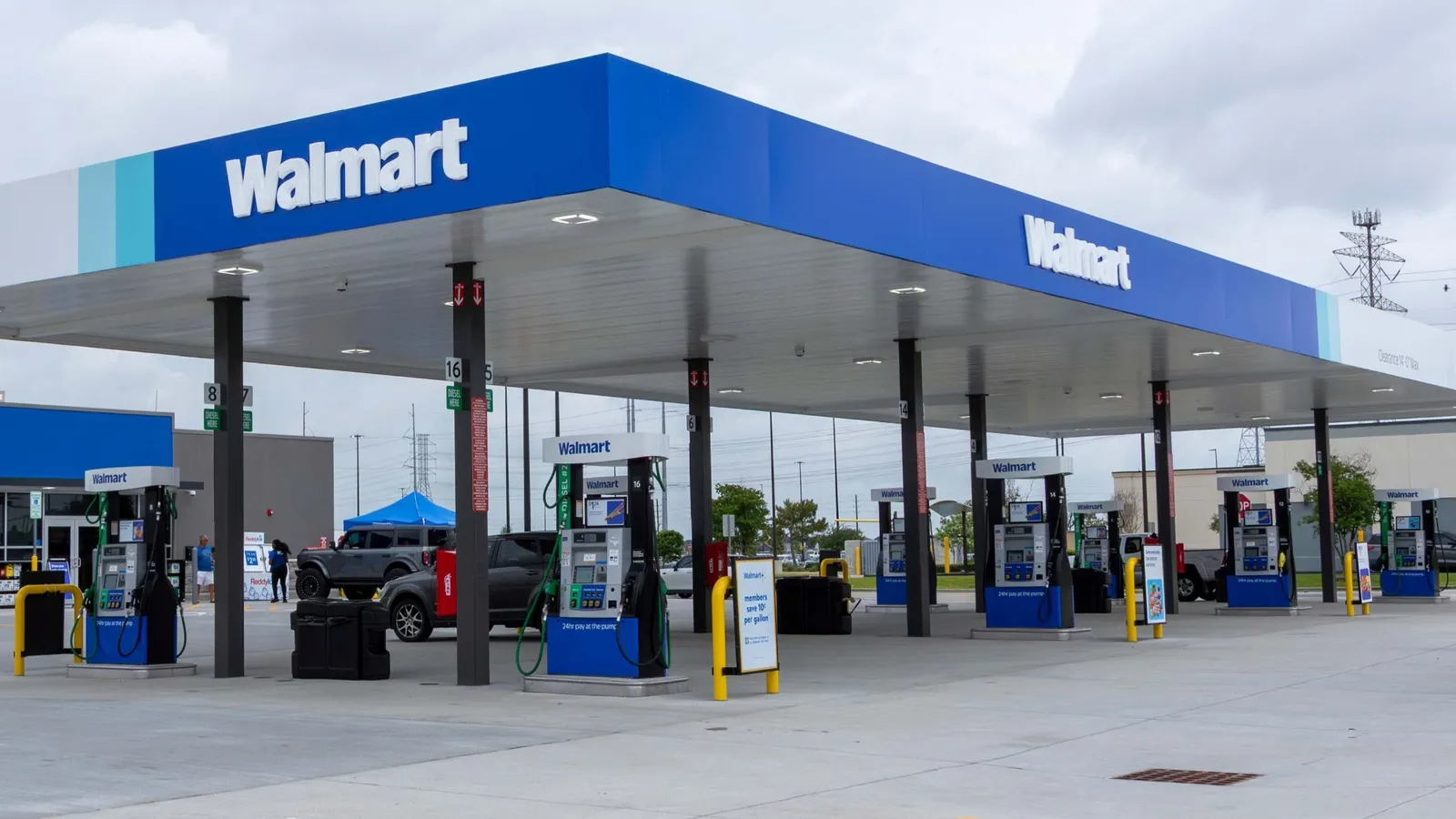
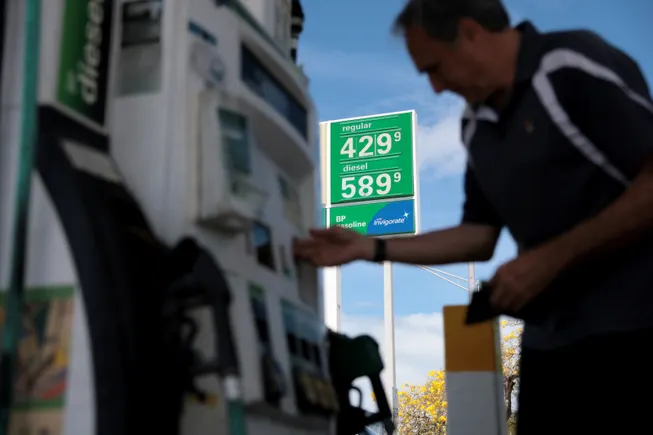
As the retail landscape navigates a volatile energy market, the intersection of gasoline prices and grocery spending has emerged as the defining battleground for customer loyalty. In a high-stakes display of brand positioning, BJ’s Wholesale Club made a striking entry into the Texas market last month by offering fuel at an eye-popping $2 per gallon at its new Forney location—a sharp contrast to the statewide average of $3.60 and the national average that hovered near $4. While the promotion lasted only a single day, it underscored a broader reality: retailers are increasingly using the fuel pump as a tactical weapon to attract inflation-weary shoppers.
The Fuel-Grocery Nexus: A Strategic Imperative
For major retailers, the fuel station is no longer just an auxiliary service; it is a primary driver of foot traffic. As global oil prices remain erratic following the recent conflict in Iran, the stability of the consumer’s wallet has become a central concern for boardroom executives across the grocery and wholesale sectors.
The mechanism is simple but effective. By leveraging fuel discounts, retailers like BJ’s, Kroger, and Albertsons aim to offset the "sticker shock" that consumers feel at the pump, thereby securing loyalty in the grocery aisles. This strategy is particularly vital as the economy grapples with the lingering effects of the energy surge, which economists warn could keep prices elevated even if oil production stabilizes.
A Chronology of the Recent Energy Shift
The current retail anxiety traces back to a rapid escalation in oil prices prompted by geopolitical instability in the Middle East.
- Early 2026: Geopolitical tensions lead to a sharp, immediate spike in global oil prices.
- Late March 2026: Recognizing the growing pressure on household budgets, Kroger initiates aggressive fuel-point promotions, offering four times the standard rewards to incentivize store visits.
- April 2026: BJ’s Wholesale Club opens its first Texas location in Forney, utilizing a $2-per-gallon fuel promotion to cement its presence in a new market.
- Mid-April 2026: Walmart executives publicly address the "alarmist" narrative surrounding consumer health, asserting that the American shopper remains resilient despite macroeconomic headwinds.
- Late April 2026: Industry analysts begin evaluating the long-term lag between pump prices and grocery inflation, noting that while fuel costs are rising, the direct impact on food prices remains delayed but potentially inevitable.
Industry Perspectives: Resilience vs. Reality
The response from the retail C-suite has been divided between cautious optimism and tactical adaptation.
Walmart’s "Constructive" Outlook
Walmart, the nation’s largest retailer, maintains a surprisingly bullish view on consumer health. During the J.P. Morgan Retail Round Up Forum on April 8, CFO John David Rainey dismissed the "alarmist" headlines surrounding the impact of energy costs.
"I am probably more constructive on the consumer than what one would glean from reading the headlines of news publications," Rainey stated. He argued that the U.S. is better insulated from energy shocks today than it was during the oil crises of the 2000s, citing improved domestic production methods such as horizontal drilling and fracking. According to Rainey, while higher fuel costs represent an operational line item, they remain well within the company’s ability to manage.
The Albertsons Strategy
In contrast, Albertsons has adopted a more defensive posture. During their Q4 2025 earnings call, CEO Susan Morris acknowledged that the retailer is seeing "signs of stress" among lower-income shoppers. To mitigate this, Albertsons has implemented a two-pronged strategy: strategically adjusting prices to maintain value perception while utilizing productivity funding to protect long-term margins. Furthermore, the company anticipates an "uplift" in its fuel rewards program as consumers seek more ways to stretch their budgets.
Economic Implications: The Long-Tail Effect on Food Costs
While fuel prices at the pump have surged, the impact on grocery store shelves has been curiously muted thus far. Grocery inflation actually eased in March, a statistic that has provided some breathing room for retailers. However, experts from FMI—The Food Industry Association—warn that this may be a temporary reprieve.
The Supply Chain Vulnerability
"Fuel is a critical input at every stage of the food system—from powering farm equipment to processing, packaging, and transporting products to store shelves," says Andy Harig, Vice President of Tax, Trade, Sustainability, and Policy Development at FMI.
The economic theory is straightforward: as energy costs rise, the "cost-to-serve" for food retailers increases. If oil prices remain at elevated levels for an extended period, these costs will inevitably bleed into the prices of fertilizers, logistics, and labor, eventually forcing grocers to pass those expenses on to the consumer.
The "Subside Slowly" Phenomenon
According to reports from The New York Times, even if oil prices begin to lose momentum, the price at the pump is unlikely to fall as quickly as it rose. Gas station operators are often forced to hold down price increases during the initial stages of an energy crisis to remain competitive; they subsequently look to recover those margins once the market stabilizes. This creates a "slow-subside" environment, where consumers continue to feel the pressure at the pump long after the global commodity market has cooled.
Data and Consumer Behavior
The divergence in how retailers view the consumer is rooted in how they interpret the data. Walmart’s optimism is based on the idea that today’s consumers have higher liquidity than in past decades, partially due to the structural shifts in the energy sector that keep supply more accessible.
Conversely, the data from grocers like Albertsons focuses on the "income spectrum." Lower-income households, who spend a larger percentage of their take-home pay on transportation and energy, are the first to adjust their purchasing habits. These consumers are shifting toward store brands, smaller basket sizes, and a greater reliance on loyalty-based discount programs.
Conclusion: Navigating the New Normal
The recent actions by retailers—ranging from BJ’s aggressive $2-a-gallon marketing to Kroger’s quadrupled fuel points—illustrate a market that is preparing for a "new normal." Retailers are essentially subsidizing the energy costs of their shoppers to ensure that the weekly trip to the grocery store remains a necessity rather than a sacrifice.
As the industry moves through the remainder of 2026, the focus will shift from immediate crisis management to long-term operational resilience. While Walmart remains confident in the structural integrity of the American economy, the broader retail sector is bracing for the potential "bleed-through" of energy costs into the food supply chain.
Whether the current resilience of the consumer holds up under the weight of sustained, high-level energy costs remains the primary question for investors and analysts alike. For now, the battle for the shopper’s loyalty will continue to be fought one gallon at a time, with the gas pump serving as the ultimate signpost for the health of the retail economy.
As we look toward the summer, the industry will be watching two key indicators: the persistence of global oil volatility and the willingness of the American consumer to absorb price increases in the dairy, meat, and produce aisles. For the time being, the retailers that provide the most transparent and aggressive value—especially regarding fuel—will likely emerge as the winners in a period of significant economic transition.