

 Ali Ikhwan

 Iffa Jayyana

 Muslim

 Nana

 Dwi Wanna
 Nana Wu
By Meghna Maharishi | October 21, 2026
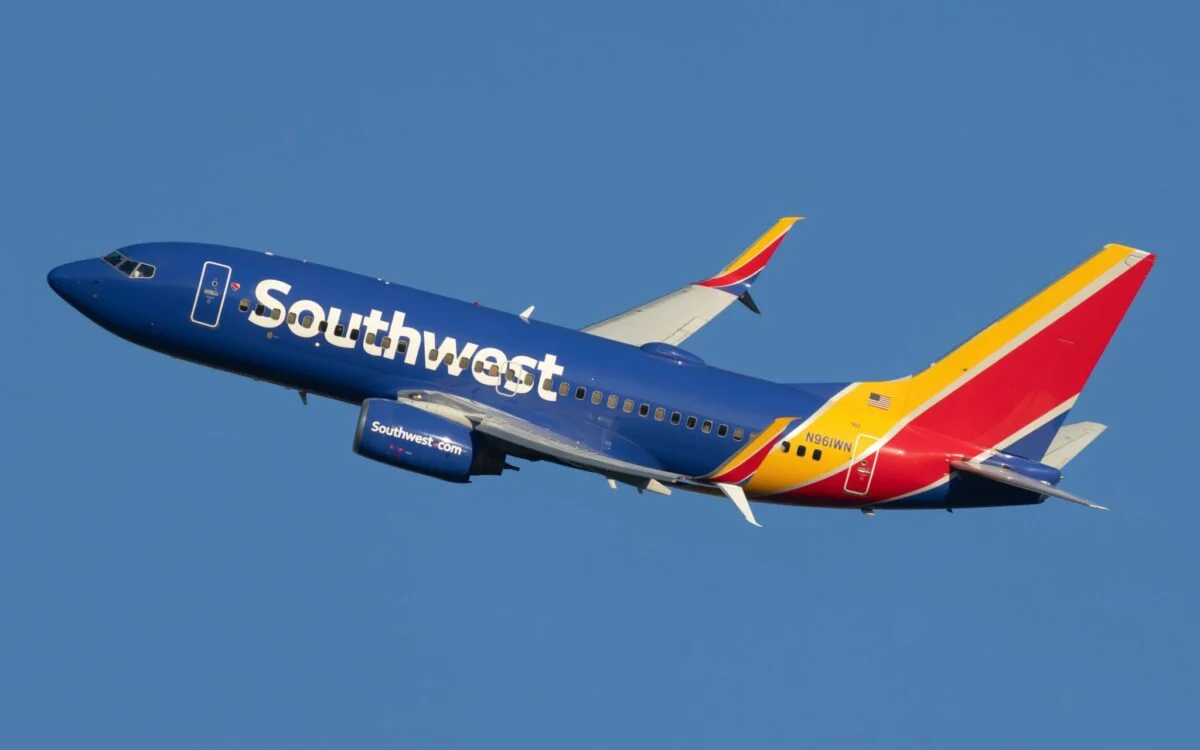
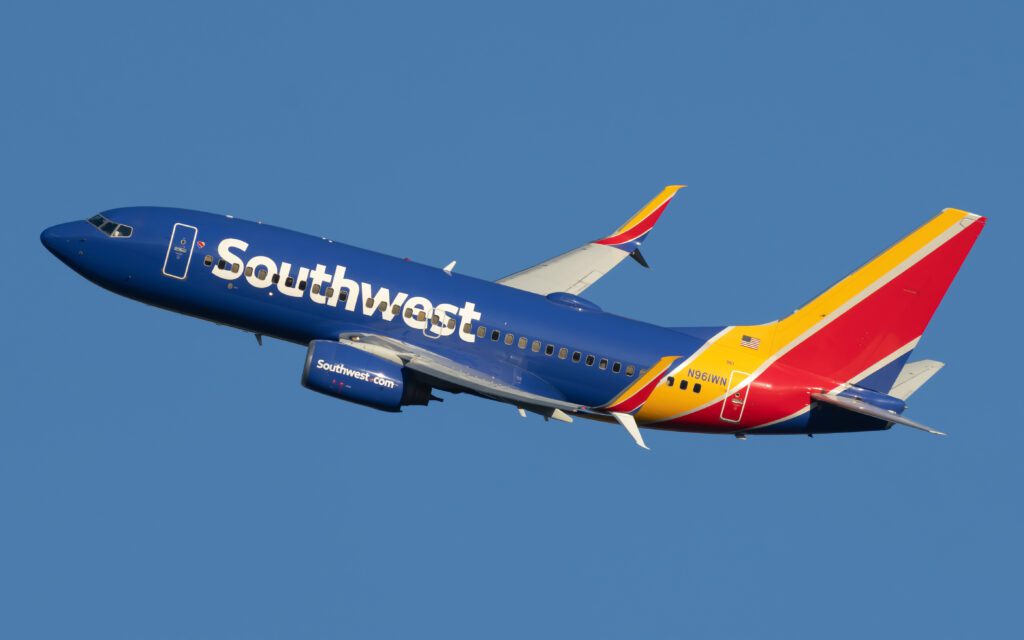
In a significant recalibration of its financial expectations, Southwest Airlines announced on Wednesday that it is lowering its profit outlook for the 2026 fiscal year. The Dallas-based carrier, long celebrated for its operational efficiency and unique business model, cited the relentless volatility of jet fuel prices as the primary catalyst for the downward revision, signaling a challenging close to the year for the airline industry at large.
The Core Financial Revision
Southwest Airlines confirmed that it now anticipates its adjusted earnings per share (EPS) for the full year 2026 to fall within the range of $2.60 to $2.85. This represents a substantial decrease from the company’s previous guidance, which had projected earnings of $4.00 per share.
For the fourth quarter alone, the airline is forecasting adjusted earnings to range from 55 cents to 80 cents per share. This tightening of margins reflects the airline’s struggle to absorb the escalating costs of fuel, which now loom as a major headwind for the remainder of the quarter. Management noted that they anticipate paying as much as $4.55 per gallon for jet fuel during the final three months of the year, a figure that significantly exceeds earlier projections and puts immense pressure on the bottom line.
A Chronology of Growing Uncertainty
For much of 2026, Southwest had maintained a cautious yet optimistic stance regarding its financial guidance. Throughout the spring and summer, executives had resisted adjusting their initial forecasts, hoping that fuel market volatility would stabilize or that increased passenger demand would offset rising operational expenses.
- Q1-Q2 2026: Southwest maintained steady guidance, citing strong leisure travel demand and the successful rollout of new onboard product initiatives.
- Late Summer 2026: As geopolitical tensions began to influence global crude oil markets, jet fuel prices began an upward trajectory. Southwest management repeatedly stated during earnings calls that they were monitoring the situation closely but felt confident in their hedging strategies.
- October 2026: The persistence of high energy prices proved unsustainable for the company’s original financial models. By mid-October, internal data indicated that fuel surcharges and fare adjustments were not sufficiently covering the rising costs of fuel, leading to the decision to issue a formal guidance update.
The Fuel Factor: An Industry-Wide Struggle
Jet fuel is typically the second-largest expense for any airline, trailing only labor costs. When fuel prices spike, the impact is instantaneous and often difficult to pass on to consumers in a highly competitive market where price sensitivity remains a primary driver for bookings.
Southwest’s exposure to the $4.55-per-gallon threshold highlights the vulnerability of domestic carriers. While some legacy airlines employ sophisticated hedging instruments to lock in fuel prices, the sheer scale of the recent price surges has tested the efficacy of these strategies. Market analysts suggest that the aviation industry is currently caught in a "price squeeze"—where labor unions are demanding higher wages to combat inflation, and energy costs remain stubbornly high due to global supply chain disruptions.
Supporting Data and Operational Context
The airline industry has faced a complex landscape throughout 2026. While demand for domestic air travel has remained resilient, the supply side of the equation has been hampered by aircraft delivery delays and maintenance bottlenecks.
Southwest, specifically, has been navigating a transition period, focusing on balancing its historical "low-cost" identity with the necessity of upgrading its cabin experience and route network. The recent profit warning suggests that these strategic investments, while necessary for long-term growth, are being hindered by the immediate, non-negotiable expense of fuel.
When looking at historical data, a move from a $4.00 EPS target down to the $2.60–$2.85 range is significant. It implies a contraction in net income that will likely require the airline to revisit its capital expenditure plans, potentially delaying some of its fleet modernization efforts or cabin refurbishment schedules to preserve cash liquidity.
Official Responses and Analyst Perspectives
In the wake of the announcement, industry analysts have expressed concern, though many note that Southwest’s transparency is a positive sign of management’s commitment to shareholder communication.
"The revision is a reflection of the reality of the energy market," said one aviation financial consultant. "Southwest has been incredibly disciplined for decades. If they are lowering their guidance by this margin, it indicates that the fuel cost pressure is not a temporary blip but a sustained hurdle that the entire industry must learn to navigate for the next several quarters."
Management at Southwest has yet to release a detailed long-term mitigation plan, but internal memos suggest a "back to basics" approach for the final quarter. This includes a rigorous review of discretionary spending and a potential re-evaluation of capacity expansion on less profitable routes. The airline is expected to provide further color on its cost-saving initiatives during the upcoming quarterly earnings conference call.
Implications for the Traveler
What does this mean for the average passenger? While Southwest has not explicitly announced across-the-board fare hikes, the reality of airline economics dictates that costs are eventually reflected in ticket pricing.

- Ticket Pricing: Consumers may see a reduction in "flash sales" and promotional fares as the airline works to maximize revenue per available seat mile (RASM).
- Ancillary Revenue: Airlines often turn to fees for bags, seat selection, and boarding priority when fuel costs rise. Travelers should anticipate a more aggressive approach to ancillary pricing.
- Route Optimization: Southwest may opt to reduce frequency on routes that are not performing at peak capacity to ensure that every flight operated is as profitable as possible.
The Road Ahead: 2027 and Beyond
The downward revision of the 2026 profit outlook serves as a sobering reminder of the aviation industry’s sensitivity to macroeconomic forces. As Southwest looks toward 2027, the focus will likely shift to operational efficiency and fuel hedging strategies.
The company remains in a strong position compared to some of its peers, boasting a solid balance sheet and a loyal customer base. However, the next six months will be critical. The airline must navigate the dual challenges of high energy costs and potential economic cooling in the broader U.S. market.
For investors, the immediate reaction may be one of caution. However, the long-term outlook for Southwest depends on its ability to leverage its brand loyalty and operational, if slightly modified, model. Whether the airline can return to its $4.00 EPS trajectory will depend heavily on the stabilization of global fuel markets and the airline’s ability to pass on costs without sacrificing the customer experience that has defined its success for over half a century.
As we move into the final stretch of 2026, the aviation sector remains a bellwether for the broader economy. Southwest Airlines’ current financial adjustment is a microcosm of the challenges facing global aviation: a fragile balance between high demand and the relentless pressure of rising operational costs.
Meghna Maharishi is Skift’s Airline reporter, covering the U.S. airline industry, policy, and travel trends. She is based in New York. Send tips to Meghna on Signal at mmaharishi.61.


 Rifan Muazin

