 Dwi Wanna
 Nana Wu
 Muslim
 Reynand Wu
 Ammar Sabilarrohman
 Azzam Bilal Chamdy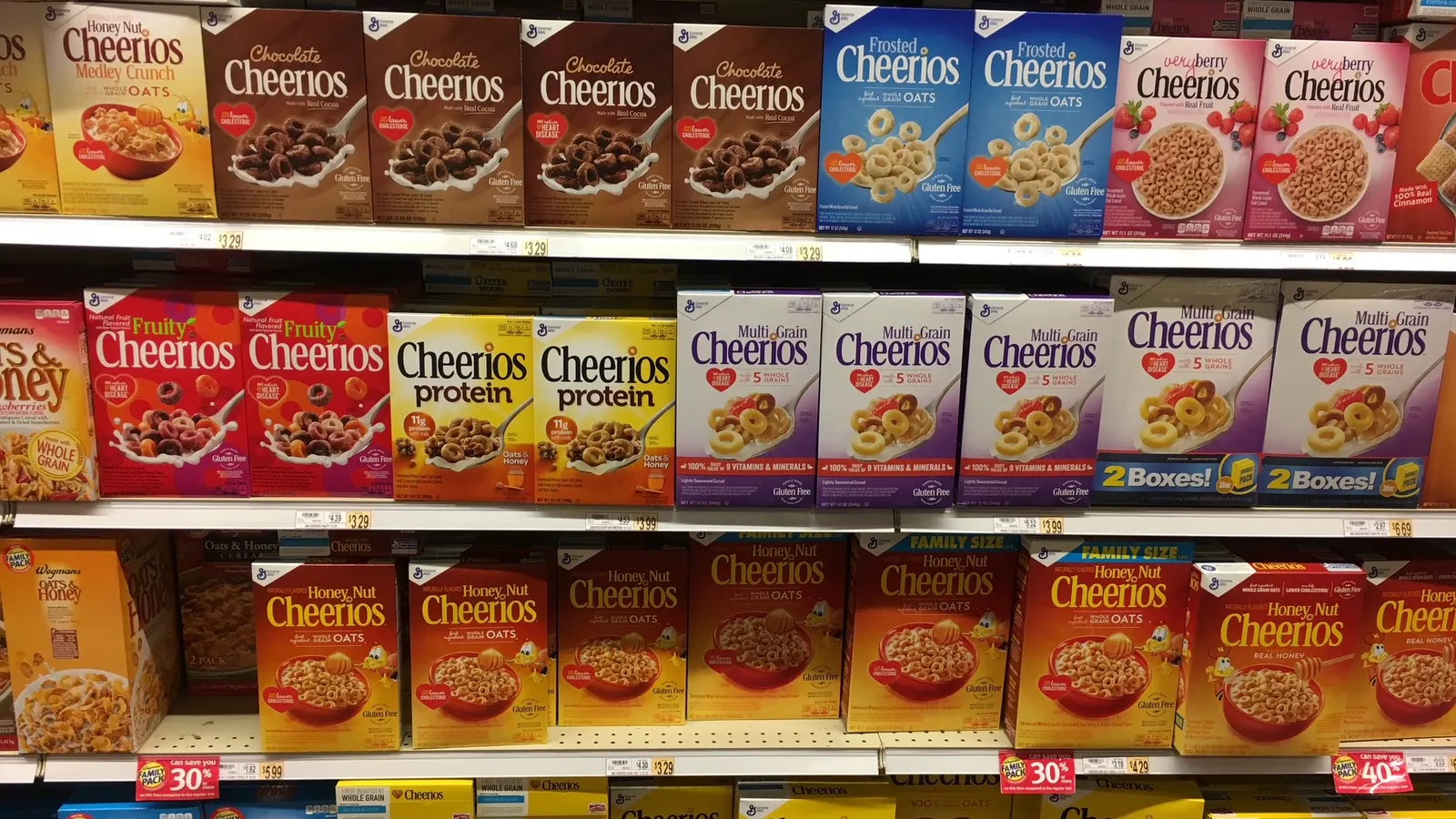
In a move that signals both continuity and a strategic pivot, food industry giant General Mills has announced a significant leadership advancement, positioning veteran executive Dana McNabb as a central pillar of its future operations. As the maker of household staples ranging from Cheerios to Bisquick navigates a volatile economic climate, the promotion of McNabb—a seasoned internal operator—reflects the company’s commitment to institutional knowledge and long-term stability.
The Main Facts: Strengthening the Leadership Pipeline
General Mills, a titan in the global packaged food industry, has officially bolstered its executive ranks, elevating Dana McNabb to a more prominent leadership role within the organization. While the company has not signaled an immediate departure for current CEO Jeff Harmening, the structural shift places McNabb in a prime position to steer the company’s trajectory in the coming years.
McNabb’s ascent is not a sudden emergence but the culmination of a deliberate corporate strategy that prioritizes deep internal expertise. By tasking a long-tenured executive with overseeing global operations, General Mills is looking to leverage her extensive experience across the company’s diverse portfolio to combat current headwinds in the food manufacturing sector. The move is widely interpreted by analysts as a "heir apparent" play, mirroring the career path of CEO Jeff Harmening, who similarly ascended through the role of Chief Operating Officer before taking the helm in 2017.
A Legacy of Service: Chronology of a Career
To understand the weight of McNabb’s new responsibilities, one must examine her decades-long tenure at the Minneapolis-based company. Her journey began in 1999, placing her at the heart of General Mills’ evolution during the turn of the millennium.
- 1999: Entry into the Fold: McNabb joined the organization, quickly embedding herself in the operational intricacies of a company then focused on diversifying its massive cereal and grain-based offerings.
- Early 2000s – 2010s: Building the Portfolio: Over the next two decades, McNabb rotated through the company’s most critical business units. Her resume includes leadership roles in cereal, snacks, meals, and dairy—the four pillars that define the modern General Mills identity.
- The Path to the C-Suite: Her performance in these high-stakes divisions earned her increasing responsibilities. Much like her predecessor Harmening, who spent 23 years within the company before his promotion to the top spot, McNabb’s career is defined by her ability to navigate the complex, often competing, demands of global supply chains and shifting dietary trends.
- The Present Day: Now serving as a key executive, McNabb is charged with reinvigorating the brand’s "remarkability," a task that requires both operational efficiency and creative marketing agility.
Supporting Data: The Economic Reality of the Grocery Aisle
The promotion of an experienced operator comes at a time of significant stress for major food companies. General Mills, like its peers in the consumer packaged goods (CPG) sector, is currently grappling with a fundamental shift in consumer behavior.
The most recent financial disclosures underscore this instability: General Mills reported a 3% decline in organic sales during its third quarter of 2026. This contraction is not merely a statistical anomaly but a direct reflection of "value fatigue" among shoppers. For years, food manufacturers relied on aggressive price hikes to offset rising input costs, logistics expenses, and labor inflation. However, the market has reached an inflection point where consumer pushback has become a primary driver of corporate strategy.
In response to this, General Mills has been forced to reverse course. The company has implemented price reductions on nearly two-thirds of its North American grocery portfolio. This strategy is an attempt to recover volume—the number of units sold—even if it necessitates a temporary compression of margins. The data is clear: the era of "growth at all costs" via pricing power is over, and the era of "defensive growth" via volume restoration has begun. McNabb’s mandate will be to stabilize this ship, ensuring that the brand remains relevant in a marketplace where private-label competition and discount retailers are capturing an increasing share of the consumer wallet.
Official Responses: Cultivating Leadership for a New Era
CEO Jeff Harmening, in his public commentary regarding the shift, underscored the qualities that make McNabb the ideal choice for this transitional period. He characterized her as a "disciplined, strategic leader and results-driven operator."
"As someone who looks ahead and acts with urgency, Dana has led an initiative to reinvigorate our brands by strengthening their remarkability," Harmening stated in an official press release. "She is exceptionally well suited to lead our global operations and restore profitable growth for General Mills and our shareholders."
The sentiment from the executive suite is one of guarded optimism. By emphasizing "urgency," Harmening is signaling to investors that the company is not content to wait for the economic cycle to turn in its favor. Instead, the leadership team is tasking McNabb with proactively engineering a turnaround that emphasizes operational excellence.
Implications: Navigating the Future of Food
The elevation of McNabb carries significant implications for General Mills’ future, particularly in how it manages its "big brand" strategy.
The "Remarkability" Initiative
McNabb’s primary focus is the "reinvigoration" of the company’s brands. In an age where digital-native food startups and specialized niche brands are gaining traction, legacy companies like General Mills face the "dinosaur trap"—becoming too large to innovate effectively. McNabb’s strategy centers on strengthening the "remarkability" of products like Fiber One and Bisquick. This implies a twofold approach: optimizing the supply chain to lower costs and re-investing those savings into marketing and product differentiation that justifies a premium price point to the consumer.
The Balancing Act of Pricing
The most immediate challenge for McNabb is managing the delicate balance of price and volume. If General Mills keeps prices high, they risk losing volume to private-label alternatives. If they drop prices too aggressively, they erode the value of their brand equity. Her background in the company’s core business units suggests that she is well-equipped to navigate this tightrope. She understands the "unit economics" of the cereal and snacks business better than almost anyone else in the organization, which will be vital as the company seeks to win back the price-conscious shopper.
A Succession Playbook
From a governance perspective, the promotion serves as a signal of stability to the investment community. By aligning McNabb with the COO-to-CEO trajectory, the Board of Directors is signaling that they have a clear, battle-tested plan for leadership continuity. This reduces the risk premium often associated with corporate transitions, providing shareholders with a sense of certainty that the company’s future is being managed by someone who intimately understands the General Mills culture and operational blueprint.
Adapting to the "New Normal"
Ultimately, the transition highlights the broader trend in the food industry: the end of the post-pandemic pricing boom. As inflation cools but household budgets remain strained, the winners in the CPG space will be those who can provide "perceived value." McNabb’s role will be to ensure that General Mills’ products are not just bought, but chosen. This requires a shift from being a reactive, price-setting entity to becoming a proactive, value-adding partner in the consumer’s household.
Conclusion
The elevation of Dana McNabb is more than a simple corporate reshuffling; it is a calculated strategic move by General Mills to address the structural shifts currently redefining the global food market. By combining the deep-seated institutional knowledge of a 27-year veteran with a clear mandate to restore profitable growth, the company is positioning itself to weather the current downturn while preparing for a long-term evolution.
As McNabb steps into this expanded role, the industry will be watching closely to see if her "results-driven" leadership can successfully navigate the current consumer malaise. Whether through product innovation, operational efficiencies, or a recalibration of pricing strategies, her success will likely dictate the next chapter of one of the world’s most recognizable food companies. In the boardrooms of Minneapolis and the aisles of grocery stores across the globe, the message is clear: General Mills is looking to its past to secure its future, banking on the experience of those who have seen the company through its most challenging cycles to guide it through the next.

 Rifan Muazin
 Sagoh
Sagoh