

 Azzam Bilal Chamdy
 Neng Nana
 Nana Muazin
 Dwi Wanna
 Raul Delapena Setiawan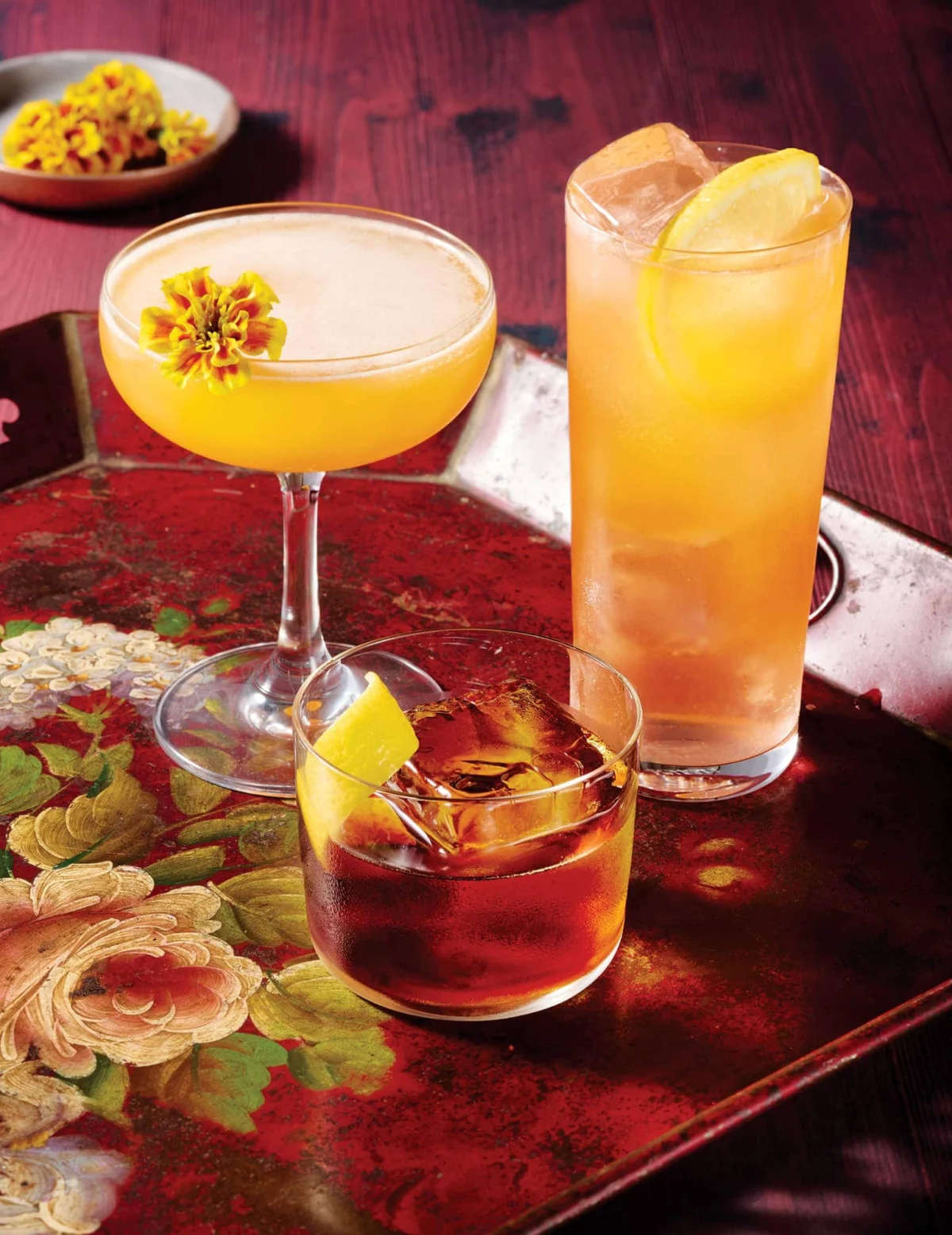
By Rich Manning
September 27, 2026
In the sophisticated landscape of modern mixology, where craft cocktail bars obsess over house-made tinctures and rare spirits, there exists an ingredient that has quietly commanded the attention of the world’s most discerning palates. It is the gentian root—a rugged, alpine botanical that possesses an uncompromising, earthy bitterness. While often relegated to the background of famous aperitifs, gentian is currently undergoing a renaissance, moving from a supporting player in classic recipes to the daring star of contemporary cocktail innovation.
The Foundations of Bitterness: Main Facts
Gentian refers to a genus of flowering plants, Gentiana, native to the alpine regions of Europe, particularly the Alps and the Pyrenees. For centuries, the roots of this plant have been harvested for their intense, medicinal bitterness. In the world of spirits, this bitterness is not merely a flavor note; it is the backbone of cocktail architecture.
Gentian is the defining characteristic of some of the most iconic beverages in existence. It provides the sharp, bracing edge in Campari, the citrus-floral interplay in Aperol, and the complex aromatic depth in Angostura bitters. However, beyond these blends, there exists a category of "gentian liqueurs"—bottles where the plant is not a secret ingredient, but the primary focus. These spirits—often vibrant, herbaceous, and unapologetically "funky"—have become essential tools for bartenders looking to bridge the gap between sweet, spirit-forward drinks and dry, refreshing aperitifs.
A History of Alpine Roots: Chronology
The story of the gentian spirit is one of evolution. While the use of the root for medicinal purposes dates back to antiquity—historically used as a digestive aid—the commercial production of gentian liqueurs as we recognize them today began to take shape in the 17th century.
- The 1600s (The Bavarian Origin): Historical accounts suggest that the tradition of macerating gentian root in alcohol began in the alpine regions of Bavaria. At this time, it was primarily a farmhouse tonic, valued for its ability to soothe the stomach after heavy meals.
- The 19th Century (The French Transformation): As industrialization reached the French Alps, gentian moved from a rural tonic to a commercial aperitif. In 1885, the house of Salers released its signature bittersweet aperitif. By macerating fresh, wild-harvested Alpine gentian root stalks in alcohol, they created a product that captured the "dusty," dry, and herbaceous terroir of the mountains.
- The 20th Century (The Rise of the Titans): Throughout the 1900s, brands like Suze and Avèze gained massive popularity in France. It became a cultural staple to serve these liqueurs over ice with a simple twist of lemon, a ritual that persists in French cafés today.
- The 21st Century (The Global Bartender Shift): Over the last two decades, the global craft cocktail movement rediscovered these bottles. Bartenders began to realize that the "dusty funk" of gentian was the perfect solution for balancing overly sweet syrups or smoothing out the sharp, aggressive edges of high-proof spirits.
The Chemistry of Flavor: Supporting Data
Why does gentian work so well in a glass? According to sensory science, the human palate is evolved to be wary of bitterness, as it is often associated with toxicity in nature. However, when bitterness is carefully balanced with sweetness and acidity, it creates a "pull" on the tongue that encourages salivation and subsequent sipping.

Gentian contains gentiopicroside, a compound responsible for its extreme bitterness. When this is diluted in a liqueur, it doesn’t just taste "bitter"; it tastes like wet earth, dried hay, and citrus zest.
- Versatility: Unlike fruit liqueurs, which are linear in flavor, gentian is multidimensional. It acts as a "bridge" spirit. It can connect the vegetal notes of a tequila or mezcal to the sweetness of a honey syrup.
- The "White Negroni" Effect: The invention of the White Negroni—which replaces sweet vermouth with Lillet Blanc and Campari with a gentian liqueur like Suze—proved that gentian could sustain a cocktail on its own merit. It proved that one could achieve the complexity of a classic Negroni without the red color or the intense sugar of traditional Italian bitters.
The Practitioner’s Perspective: Official Responses
To understand how gentian is currently being utilized, one must look to the bars where experimentation is the standard.
At Kiesling in Detroit, the Suze Greenburg cocktail serves as a prime example of modern application. General Manager Jeremy Ross notes that gentian is often misunderstood as a "difficult" flavor, but it is actually one of the most flexible tools in a bar’s arsenal. "Gentian is fairly versatile," says Ross. "It makes a killer White Negroni, it can be an asset in any Martini build, and it sings in a highball. In our case, it pulls together our drink perfectly."
The cocktail, created by bartender Kira Ellington, utilizes carrot juice, mezcal, and Suze. The gentian acts as the "glue" that binds the earthy carrot, the smoky agave, and the sweet honey.
Similarly, at Whisler’s in Austin, the Southern Gentleman serves as a lesson in subtle elevation. Bartender Sean Skvarka, who also manages the bar’s Mezcalería Tobalá, explains that they weren’t looking to invent a new category of drink, but rather to refine a classic. By adding a measure of gentian to a Black Manhattan riff, they were able to pull additional spice from the rye whiskey while softening the dark, syrupy notes of the Averna.
"We just wanted to give it a different spin," Skvarka notes. "Gentian’s presence cajoles additional spice from the rye and extra sweetness from the amaro, creating a brighter, patio-ready take on a spirit-forward classic."
The Rule of Simplicity: Implications for the Home Bartender
If there is one consensus among the professionals, it is that gentian should not be buried. Jim O’Shea, co-owner of Rosemary & Beauty Queen in Nashville, advises against over-complicating drinks that feature gentian.
"Gentian’s distinctive bitterness and floral funk can get lost or clash in highly complex builds," O’Shea explains. "A three- or four-ingredient drink lets it breathe."
His bar’s Remake/Remodel cocktail is a testament to this philosophy. By pairing vodka, fresh lemon, and a touch of Italian aperitif with a splash of gentian, they create a drink that is refreshing, dry, and distinctly adult. The implication for the home enthusiast is clear: you do not need an extensive collection of tinctures to make a great drink. You simply need to understand how to let the gentian stand in the light.
Recipes for the Modern Enthusiast
1. Suze Greenburg
Harmony between vegetal and sweet.
- 1 1/4 oz. Mezcal
- 3/4 oz. Suze
- 3/4 oz. Fresh lemon juice
- 1/2 oz. Fresh carrot juice
- 1/2 oz. Honey syrup (2:1)
Method: Shake all ingredients with ice. Double strain into a chilled coupe. Garnish with a marigold.
2. Southern Gentleman
A bright riff on the Black Manhattan.
- 1 1/2 oz. Rye whiskey (e.g., Rittenhouse 100 proof)
- 3/4 oz. Averna
- 1/2 oz. Gentian liqueur
- 2 dashes Orange bitters
Method: Stir all ingredients with ice until chilled. Strain into an Old Fashioned glass over a single large ice cube. Garnish with a lemon peel twist, rubbing it on the rim.
3. Remake/Remodel
A vodka-based refresher.
- 1 1/2 oz. Vodka
- 1/2 oz. Aperol or Luxardo Aperitivo
- 1/2 oz. Salers or Luxardo Bitter Bianco
- 1/2 oz. Fresh lemon juice
- Chilled ginger beer
Method: Shake all ingredients (except ginger beer) with ice. Strain into a Collins glass filled with fresh ice. Top with ginger beer. Garnish with a lemon wheel.
Conclusion: The Future of the Alpine Bitter
As we look toward the future of cocktail culture, the trend is moving away from the overly sweet, dessert-style drinks that dominated the early 2010s. The modern drinker is seeking complexity, dryness, and a narrative of craft. Gentian, with its deep roots in history and its unique chemical profile, is perfectly positioned to lead this shift. Whether it is being used to highlight the smoky depths of a mezcal or to add a "dusty" dryness to a highball, the gentian root remains a cornerstone of the professional bar. It is a reminder that sometimes, the most sophisticated flavors are the ones that challenge us the most.


 Layla Zulfa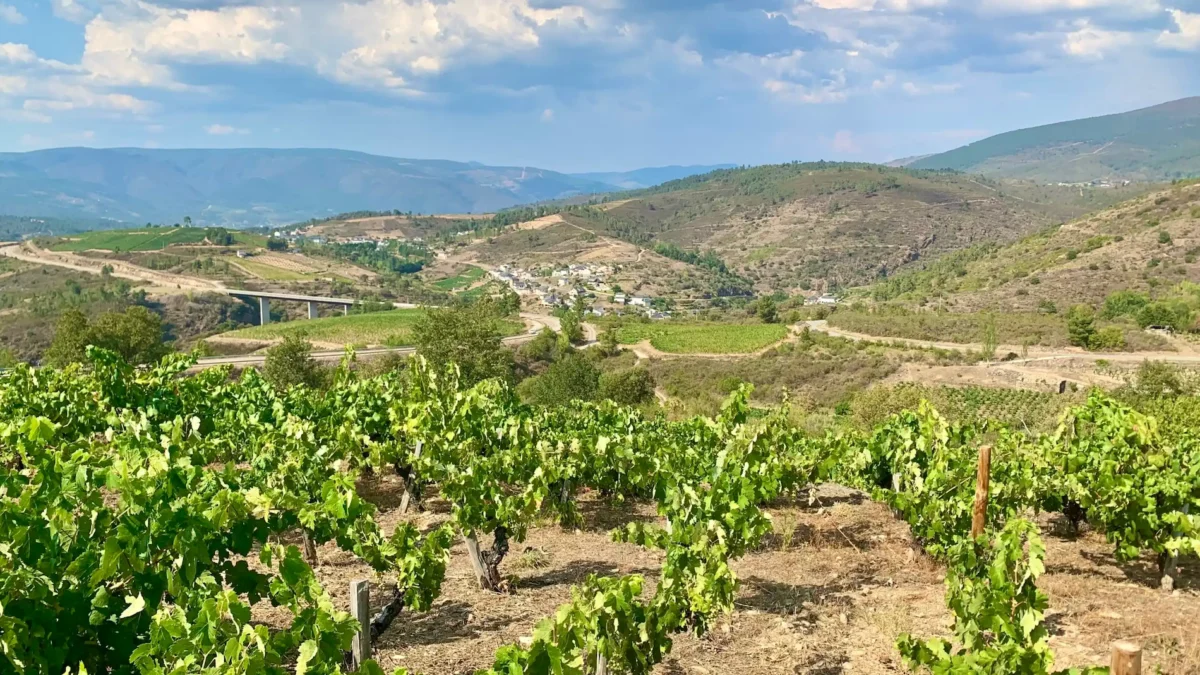
 Evan Lee Salim