Azzam Bilal Chamdy
 Layla Zulfa
 Sagoh
Sagoh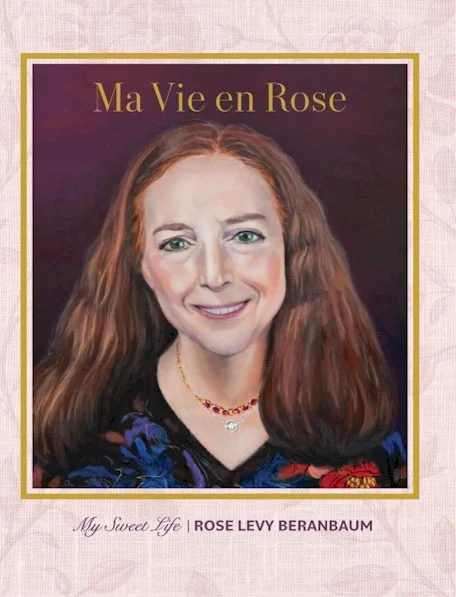
On Wednesday, October 28, 2026, at 7:00 PM Central Time, the baking world will turn its collective attention to a virtual stage hosted by the Culinary Historians. In a highly anticipated presentation, Rose Levy Beranbaum—the legendary author, culinary scientist, and pioneer of precision baking—will offer a retrospective of her illustrious career.
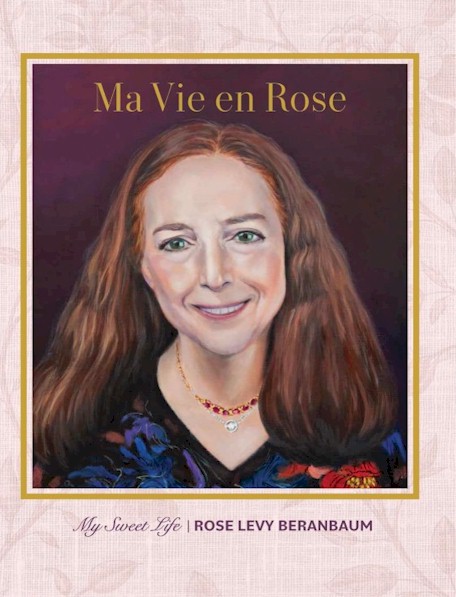
From the transformative pages of The Cake Bible to the intimate narratives of her latest memoir, Ma Vie en Rose, Beranbaum will discuss the evolution of her craft, the scientific rigor she brought to the domestic kitchen, and the history that continues to shape modern confectionery.
The Main Facts: A Titan of the Oven
For decades, Rose Levy Beranbaum has been the North Star for home bakers and professional pastry chefs alike. Her influence is often described as “biblical,” a nod to her seminal work, The Cake Bible. First published in 1988 and currently in its 60th printing, the book remains a cornerstone of culinary education. The 2024 35th Anniversary edition serves as a reminder of the book’s enduring relevance, having introduced standardized weight measurements, the application of ingredient science, and the now-ubiquitous "reverse creaming" technique to a global audience.
Beranbaum’s upcoming talk is not merely a lecture; it is an exploration of the intersection between science, biography, and history. Attendees can expect a deep dive into the evolution of her career, which spans 15 best-selling books, three James Beard Foundation Awards, and a permanent place in the James Beard Cookbook Hall of Fame.
A Chronology of a Culinary Evolution
To understand the impact of Rose Levy Beranbaum, one must look at the trajectory of her life and the culinary landscape she helped redefine.
From Childhood Aversion to Professional Precision
Beranbaum’s journey began in postwar New York, a setting that defined her relationship with food. Unlike many culinary icons who grew up in the warmth of a family kitchen, Beranbaum describes herself as a “food-averse child.” This sensitivity to texture and flavor, rather than a lack of interest, became the driving force behind her later obsession with precision. Her desire to understand the “why” and “how” of baking was an attempt to make sense of the erratic results produced by traditional, “pinch-of-this” recipes.
The 1988 Revolution
When The Cake Bible hit shelves in 1988, the landscape of home baking changed overnight. Before Beranbaum, home baking recipes often lacked the rigor found in professional laboratories. By advocating for the use of kitchen scales and emphasizing the chemical reactions between proteins, starches, and fats, Beranbaum demystified baking. She turned the kitchen into a laboratory, allowing home cooks to achieve professional-grade results with consistency.
The Memoir: Ma Vie en Rose
In her latest project, Ma Vie en Rose, Beranbaum bridges the gap between the professional and the personal. The memoir offers readers a candid look at the challenges she faced in the publishing world, the resistance she encountered from traditionalists, and the joy she discovered in documenting the science of sweetness. The inclusion of recipes within the memoir serves as a thematic thread, connecting her life’s memories to the sensory experiences they inspired.
Supporting Data: The Science of the "Reverse Creaming" Technique
A central theme of the upcoming presentation will be the “reverse creaming” technique, a method that Beranbaum popularized, if not invented, for modern butter-based cakes.
The Chemistry Behind the Crust
In traditional creaming, fat and sugar are beaten together to incorporate air, followed by eggs and flour. Beranbaum’s reverse method—often called the “paste method”—requires the flour and fat to be mixed first. This coats the flour particles in fat, effectively shielding them from liquid. When the remaining ingredients are added, the formation of gluten is significantly inhibited.
Defying Conventional Wisdom
Historical context for this method traces back to the 1940s, when high-ratio shortening was the standard in commercial bakeries. Conventional wisdom at the time dictated that this method could only work with high-emulsified shortening. Butter, with its different water-to-fat ratio and lower melting point, was considered incompatible with the technique. Beranbaum refused to accept this limitation. Through tireless experimentation, she proved that with the correct proportions and temperature controls, butter could indeed be used with the reverse creaming method, yielding a cake with a fine, velvety crumb that was previously unattainable in home kitchens.
During the presentation, attendees will be treated to her recipe for the All-Occasion Downy Yellow Cake, a masterclass in this technique that demonstrates how precision yields the perfect texture.
Official Perspectives: Accolades and Recognition
Beranbaum’s work has garnered more than just commercial success; it has earned the highest honors from the culinary establishment. Her recognition includes:
- Three-time James Beard Foundation Award Winner.
- James Beard Cookbook Hall of Fame Inductee.
- IACP Lifetime Achievement Award recipient.
- IACP Cookbook of the Year.
These accolades represent a formal acknowledgement by the culinary community that Beranbaum’s contributions transcend mere recipe-writing. She is viewed by peers as a bridge-builder between the technical demands of food science and the creative soul of baking.
The Implications: Why This Matters to Culinary History
The Culinary Historians’ event serves as a vital record of a changing industry. By documenting Beranbaum’s career, the organization is preserving the story of how home baking shifted from a domestic chore governed by superstition to a disciplined science.
Impact on Domestic Standards
The "Beranbaum effect" has influenced generations of home bakers to demand more from their cookbooks. The expectation of ingredient weights, clear scientific explanations, and reliable results—once luxury features in a recipe book—are now the industry standard. This transition has empowered millions of individuals to engage with the chemistry of food, fostering a culture of innovation in kitchens across the globe.
A Continued Legacy of Innovation
Beyond the books, Beranbaum’s design work on precision equipment has filled a gap in the consumer market. By creating tools tailored to the specific needs of the precise baker, she has ensured that her influence extends into the physical hardware of the modern kitchen. Her career serves as a blueprint for how one individual can shift an entire cultural paradigm through patience, experimentation, and a refusal to settle for “good enough.”
Event Details and Participation
This virtual event promises to be a comprehensive look at the woman who turned baking into a science. Whether you are a professional pastry chef, an amateur enthusiast, or simply a fan of culinary biography, this presentation offers a rare glimpse into the mind of an icon.
- Date: Wednesday, October 28, 2026
- Time: 7:00 PM Central Time
- Format: Virtual via Zoom
- Inquiries: Those interested in attending or submitting questions for the Q&A session should reach out to the Culinary Historians via email at [email protected].
For additional information on the organization and its ongoing mission to document the narrative of food, visit www.CulinaryHistorians.org.
As we look toward this event, it is clear that Rose Levy Beranbaum is not merely an author; she is a historian of the sweet, a scientist of the crumb, and a storyteller of the oven. Her session is an essential appointment for anyone who believes that the history of food is, quite literally, the history of how we nourish our lives.

 Lina Hope
 Lina Irawan