

 Azzam Bilal Chamdy
 Neng Nana
 Nana Muazin
 Dwi Wanna
 Raul Delapena Setiawan
 Lina Irawan
When the modern diner sits down for a weekend brunch, they are participating in a ritual that is as much about social history as it is about eggs and mimosas. For "The Food Historian," a recent post-holiday brunch served as more than just a celebratory meal; it acted as a lens through which to examine the transformative decade of the 1920s. By blending historical research with culinary practice, this endeavor provides a fascinating look at how technology, changing social mores, and the early health-food movement collided to create the template for the modern brunch.
The Origins and Evolution of the Brunch Phenomenon
From Aristocratic Excess to Progressive Simplicity
While the term "brunch" entered the vernacular in the late 19th century as a portmanteau of "breakfast" and "lunch," the cultural practice predates the name. In early 19th-century Britain, aristocratic households established a culture of mid-morning dining characterized by heavy spreads of cold and fried meats, eggs, porridge, and toast. This served as a functional necessity for the upper classes, who frequently attended balls, theater, and operas that lasted well into the night, delaying their waking hours.
In Gilded Age America, this tradition was adopted with fervor by the elite, though the menu shifted to reflect the period’s obsession with opulence: game meats, heavy creams, butter-laden sauces, and sugary desserts. However, the dawn of the Progressive Era brought a distinct shift in the American psyche. As the nation moved away from the perceived excesses of the Gilded Age, food culture began to embrace a more austere, health-conscious philosophy. Brunch was rebranded not merely as a decadent bridge between meals, but as a potential solution to the era’s economic and dietary pressures, with some proponents suggesting it as a way to streamline daily consumption into just two substantive meals.

The Technological Revolution in the Kitchen
The Rise of the Electric Appliance
The 1920s served as a watershed moment for home cooking, largely due to the rapid proliferation of electric household appliances. This technological shift fundamentally altered the morning routine.
- Refrigeration: The introduction of the electric refrigerator allowed for the safe storage of eggs, milk, and delicate produce, facilitating the rise of chilled salads and "icebox" desserts.
- Tableside Convenience: Electric coffee percolators and toasters moved food preparation from the kitchen to the dining table, democratizing the ability to serve fresh, hot components without the need for a full staff of domestic servants.
- The Chafing Dish: This became a staple of the 1920s table, allowing hosts to prepare omelets, creamed meats, and hashes in front of guests, mirroring the luxury of professional service within the private home.
This "electrification" of the kitchen was not merely a luxury; it was a response to the dwindling availability of domestic labor. As the 20th century progressed, the middle-class housewife became the primary cook, and these appliances were specifically designed to minimize manual labor while maximizing the appearance of high-society entertaining.
The Geography of 1920s Nutrition
Agricultural Advances and Global Influence
The 1920s diet was shaped by a confluence of agricultural innovation and geopolitical expansion. The advent of refrigerated railroad cars allowed for the long-distance transport of perishable goods, ensuring that northerly climates were no longer limited to winter staples.

The "salad bowl" regions of California, Florida, and Arizona began to supply the nation with fresh lettuce, radishes, cucumbers, and tomatoes year-round. Simultaneously, the U.S. annexation of Hawaii, involvement in the Banana Wars, and intervention in Cuba brought tropical fruits—pineapples, bananas, and citrus—into the mainstream. This expansion of the American palate led to the era’s fascination with "health foods" that were both exotic and accessible.
The Health Food Movement: A Century of "Pep"
The Battle Creek Influence
The Progressive Era was defined by an intense focus on digestive health, a concern that birthed the modern cereal industry. The Seventh Day Adventist movement, led by figures like John Harvey Kellogg of the Battle Creek Sanitarium, advocated for a plant-based, whole-grain diet. Dr. Sylvester Graham’s 19th-century theories on the benefits of whole grains (the eponymous "Graham flour") saw a resurgence. Fiber was marketed as the ultimate antidote to the pervasive national ailments of constipation and dyspepsia.
The Vitamin Revolution
The 1920s also marked the dawn of the "Vitamin Age." With the isolation of Vitamin C in the early 1910s, nutrition moved from a focus on calories to a focus on micronutrients. This created a new cultural imperative: eating for "pep" and vitality.

Salads underwent a radical transformation during this time. While heavy, mayonnaise-based dressings remained popular, the period saw the rise of the vegetable-based salad. Thanks to the increased availability of fresh produce and the development of commercial gelatin, aspics and molded salads became a hallmark of the decade. These dishes, once the labor-intensive domain of the wealthy, were now accessible to the average American, representing a triumph of industrial food production.
Implications: Recreating a Decade on the Table
Balancing History and Modern Palate
In planning a contemporary, 1920s-inspired brunch, the goal was to curate a menu that honored the period’s health-conscious aesthetic while maintaining a modern, balanced culinary profile. The curation process involved a deep dive into period cookbooks, such as the 1927 Edgewater Beach Hotel Salad Cookbook.
The menu development required a delicate balance. While the 1920s embraced dishes like "Ginger Ale Salad" and "Prune Whip," these recipes were often rejected in favor of more timeless, vegetarian-focused selections. The final menu leaned on:

- Classic Techniques: Achieving a successful homemade hollandaise, a staple of the era.
- Vintage Aesthetics: The use of 1906 Noritake porcelain and thrifted glassware provided an authentic atmosphere without sacrificing modern comfort.
- Modern Adaptations: Integrating leftover elements, such as spiced cranberries, allowed for a sustainable approach to historical cooking.
The Verdict on 1920s Fare
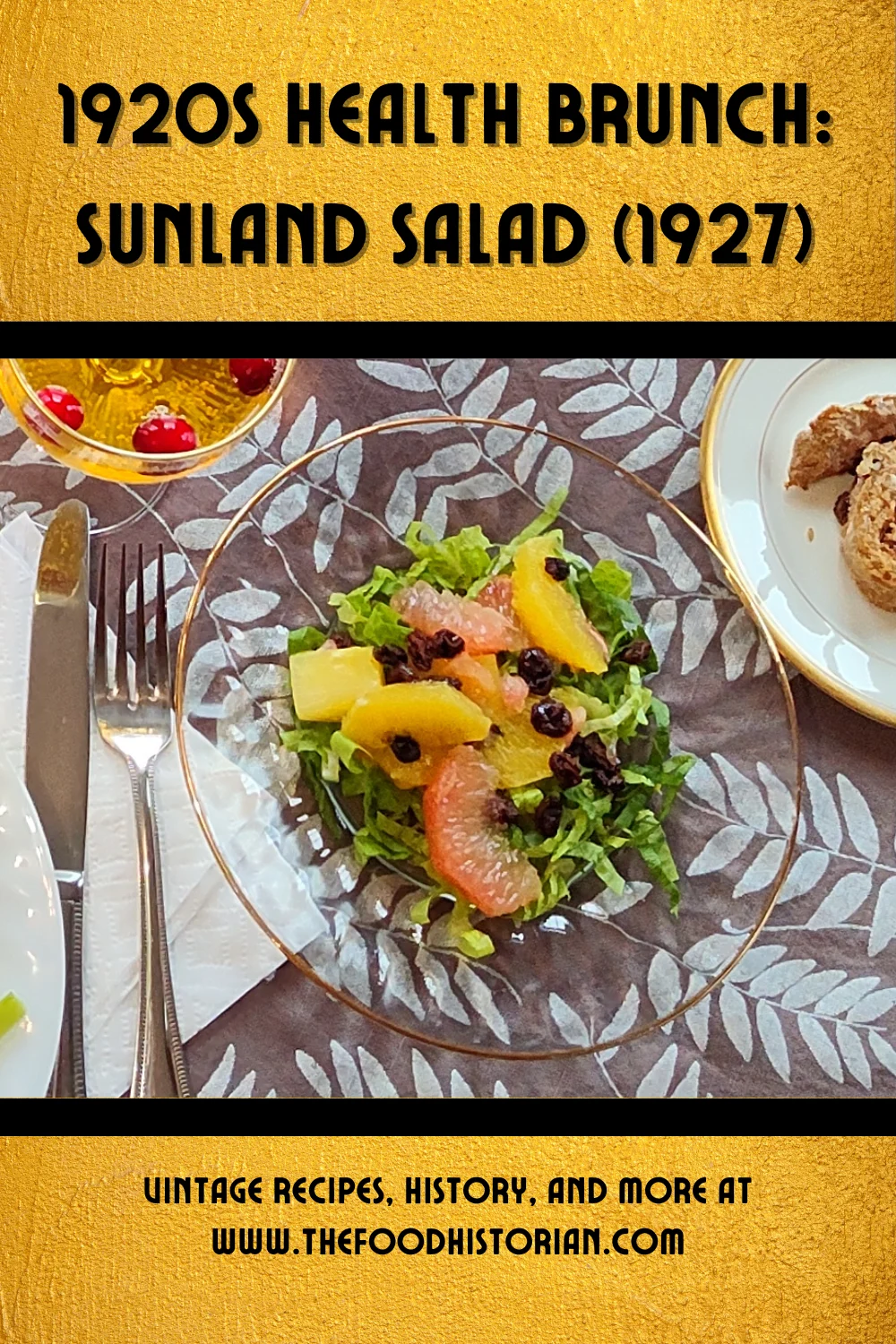
The success of the "Sunland Salad" and "Walnut Sausage" indicates that the health-conscious trends of the 1920s possess a surprising amount of longevity. While some experiments—such as the elusive "fruit puffs"—fell short of expectations, the experience reinforced that 1920s food culture was defined by a transition toward efficiency, fresh accessibility, and a scientific interest in how fuel affects human vitality.
For those interested in exploring this era further, the history of the "Vitamin-Enriched America" remains a subject of significant academic and culinary interest. As we continue to refine our brunch habits, it is worth remembering that every hollandaise sauce or fresh fruit salad is a nod to a generation that fundamentally changed how we relate to the first meal of the day.
References and Further Reading:
- The Edgewater Beach Hotel Salad Cookbook (1927).
- Chef Wyman’s Daily Health Menus (1927).
- "Full of Pep: The Controversial Quest for a Vitamin-Enriched America," History Bites Podcast, Episodes 3 (Parts I & II).

 Rifan Muazin
