

 Layla Zulfa
 Laily UPN
 Neng Nana
 Sagoh
Sagoh
 Raul Delapena Setiawan
 Lina Irawan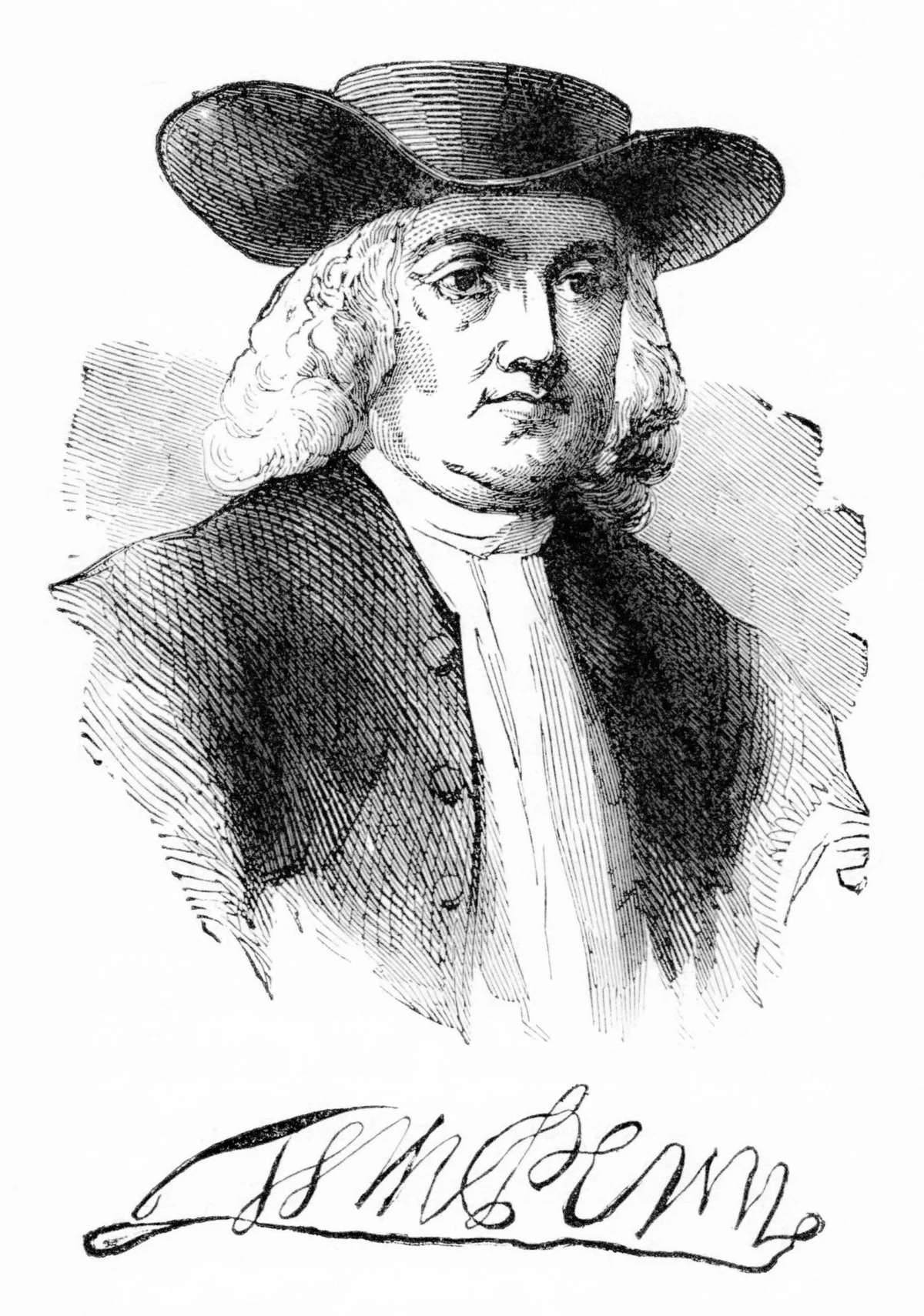
By Jeff MacGregor | Smithsonian Magazine
The Montgomery bus boycott of 1955–56 is often memorialized as a singular flashpoint—a spontaneous explosion of collective frustration that ended with the desegregation of public transit. Yet, to view the boycott solely as a local protest is to miss the profound historical current that fed it. When Dr. Martin Luther King Jr. stood before his congregation and the world, declaring that "love was the only answer to hate," he was not merely improvising; he was channeling a philosophical lineage that stretched back through centuries of American and global thought.
The strategy of active, nonviolent resistance—the hallmark of the Civil Rights movement—did not emerge from a vacuum. It is the result of a long, iterative evolution of ideas, a baton passed from the radical pacifism of 17th-century Quakers to the literary defiance of Henry David Thoreau, the spiritual rigor of Leo Tolstoy, and the strategic brilliance of Mohandas Gandhi.
The Holy Experiment: The Quaker Roots of Dissent
Long before the American Republic was codified in ink, Pennsylvania was the stage for a "Holy Experiment." Under the guidance of William Penn, early American Quakers established a society built on the principles of radical equality, pacifism, and the belief that the "inner light" of every individual rendered the use of force both unnecessary and immoral.
In his 1682 frame of government, Penn articulated a philosophy that would later become the bedrock of American civil disobedience: "Force may subdue, but love gains: And he that forgives first wins the laurel." This was not passive surrender; it was an active, muscular refusal to participate in the machinery of violence. By rejecting the state’s demand for oaths and military service, Quakers established the first consistent American model for conscientious objection. They proved that a community could function, even thrive, by prioritizing the dictates of conscience over the mandates of the crown.
/https://tf-cmsv2-smithsonianmag-media.s3.amazonaws.com/filer_public/6f/77/6f7733ed-0b7e-4313-bae7-25c8c54145b5/williampenn_quaker.jpg)
Chronology of Conscience: From Concord to the Global Stage
The evolution of nonviolent protest as a political weapon can be traced through a distinct intellectual trajectory that moved from American soil to the Russian countryside, then to the streets of South Africa and India, before returning home to the American South.
1849: The Thoreauvian Shift
The pivot from religious pacifism to secular civil disobedience found its voice in Henry David Thoreau. Following a night in a Concord, Massachusetts, jail—a consequence of his refusal to pay a poll tax that supported the Mexican-American War and the institution of slavery—Thoreau penned his seminal essay, On the Duty of Civil Disobedience.
Thoreau shifted the focus of dissent from the spiritual realm to the legal one. "It is not desirable to cultivate a respect for the law, so much as for the right," he wrote. He codified the tactics that would define the next century: the march, the walkout, the boycott, and the deliberate, courageous willingness to endure imprisonment to shame the state into reform.
1893: Tolstoy’s Global Synthesis
Ideas, like seeds, require wind to travel. In the late 19th century, Russian novelist and moral philosopher Leo Tolstoy discovered Thoreau’s work. Tolstoy, already deeply steeped in the Gospels and the history of American nonconformist sects like the Quakers and Mennonites, synthesized these strands into a potent, modern manifesto. In The Kingdom of God Is Within You (1893), he argued that the individual’s highest duty is to refuse to participate in the state’s violent structures, whether through military conscription or the enforcement of unjust laws.
1906–1948: The Gandhian Application
Tolstoy’s writings found their way into the hands of a young lawyer in South Africa, Mohandas K. Gandhi. Gandhi transformed the abstract, philosophical musings of Thoreau and Tolstoy into a pragmatic, mass-mobilization strategy he termed Satyagraha—or "truth-force." By applying these principles to the struggle against colonialism and racial discrimination, Gandhi demonstrated that a disciplined, nonviolent minority could dismantle an empire.
/https://tf-cmsv2-smithsonianmag-media.s3.amazonaws.com/accounts/headshot/Jeff_MacGregor2_thumbnail.png)
1955–1968: The Civil Rights Culmination
Dr. King, who famously remarked that he "read Gandhi reading Tolstoy reading Thoreau," brought this global synthesis to its ultimate American application. Under the guidance of figures like Bayard Rustin—a committed Quaker and master strategist—the Civil Rights movement successfully integrated this century-spanning philosophy into the American First Amendment tradition. The boycott was no longer just a local protest; it was the manifestation of a global intellectual heritage.
Supporting Data: The Mechanics of Moral Persistence
The efficacy of nonviolent resistance is not merely anecdotal; it is structural. Sociological data on the 20th century, particularly regarding the Civil Rights movement, highlights why these methods proved so effective:
- The Asymmetry of Power: Nonviolent campaigns rely on the "participation theory" of power. By withdrawing cooperation (boycotting businesses, refusing to use buses, walking out of schools), protesters deprive the state of the economic and social fuel required to maintain oppressive systems.
- The "Backfire" Effect: When state actors respond to peaceful protesters with brute force, the moral contrast is amplified. As seen in the images of the 1960s, the visual evidence of violence against nonviolent demonstrators often causes the "middle" of the public to shift their allegiance toward the protesters, a phenomenon known as political jujitsu.
- The Cost of Compliance: As Thoreau observed, the state relies on the passive cooperation of its citizens. When the social cost of dissent (jail time, social ostracization) becomes lower than the moral cost of compliance, mass action becomes inevitable.
Official Responses and the Legal Tension
Historically, the American legal apparatus has maintained a schizophrenic relationship with civil disobedience. While the First Amendment explicitly protects the right to assembly and petition, the state has consistently used the judicial system to penalize those who test the boundaries of "order."
The official response to these movements has historically fallen into two categories:
- Containment: Using police power and municipal ordinances to criminalize the means of protest (e.g., "disturbing the peace," "blocking traffic") rather than the message itself.
- Co-optation: Once a movement reaches a critical mass, the state often responds with legislative "concessions"—such as the Civil Rights Act of 1964—which serve to channel the radical energy of the movement into the safer, more manageable framework of electoral politics.
However, the "Rules of Common Conscience"—the unwritten code that guides protesters—remain a potent check on government overreach. Every time a citizen chooses to refuse an order they deem immoral, they are effectively exercising a democratic veto that is not found in any statute but is essential to the survival of a free society.
:focal(981x568:982x569)/https://tf-cmsv2-smithsonianmag-media.s3.amazonaws.com/filer_public/6f/77/6f7733ed-0b7e-4313-bae7-25c8c54145b5/williampenn_quaker.jpg)
Implications: The Future of Dissent
As we look toward the future, the implications of this lineage are clear. The tradition of active nonviolence is not a historical artifact but a living toolkit. In an era of digital surveillance and rapid-fire political discourse, the lessons of Penn, Thoreau, and King remain vital.
The First Amendment does not merely guarantee our right to agree; it guarantees our right to be a nuisance, to be a source of "creative tension," and to refuse to comply with that which we find unjust. Active nonviolence is a protester’s brave appeal to the "better angels" of the public consciousness. It is a reminder that the law is not the final arbiter of morality.
Whether it is environmental activism, labor organizing, or the fight for new civil rights, the fundamental mechanism remains the same: moral conduct, the courage to suffer for one’s principles, and the unshakable belief that, in the long arc of history, love—and the persistent, nonviolent refusal to do wrong—is the only force that truly gains the laurel.

 Lina Hope