Basiran
 Azzam Bilal Chamdy
 Layla Zulfa
As the crisp air of autumn begins to settle and the landscape transforms into a tapestry of amber and gold, the culinary world shifts its focus toward the season’s most iconic produce: the pumpkin. While the ubiquitous pumpkin spice latte has become a cultural shorthand for fall, there is a far more refined and versatile staple gaining traction in kitchens across the country: homemade pumpkin butter.
Far from a fleeting trend, pumpkin butter represents a sophisticated preservation of the harvest. Whether spread generously over warm, crusty toast, swirled into a bowl of steel-cut oats, or used as a decadent accompaniment to a cheese board, this silky, spiced spread captures the essence of the season in every jar. This guide explores the meticulous craft behind creating the perfect batch, from selecting the ideal gourd to mastering the slow-simmering techniques that elevate a simple squash into a gourmet essential.
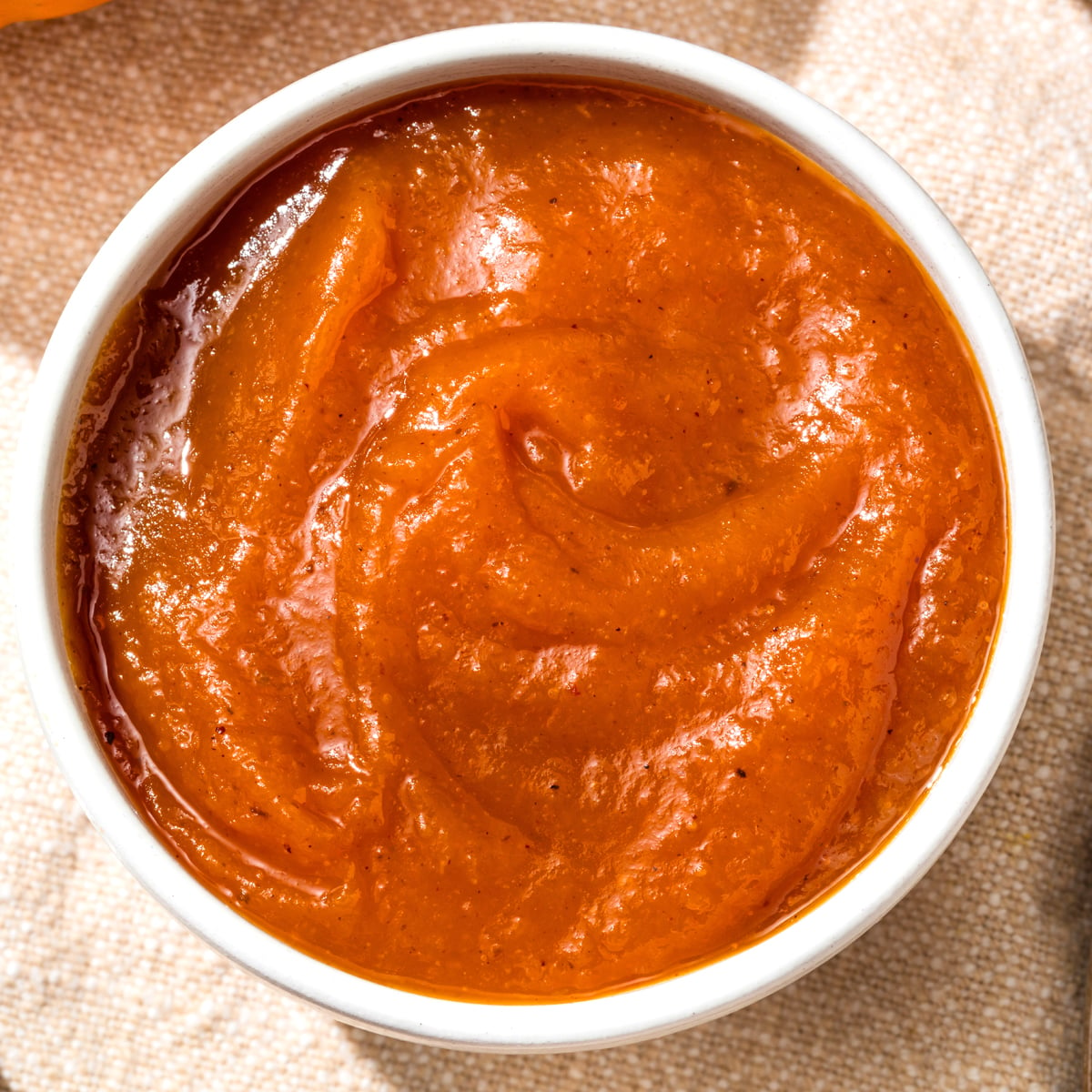
Defining the Delicacy: What Is Pumpkin Butter?
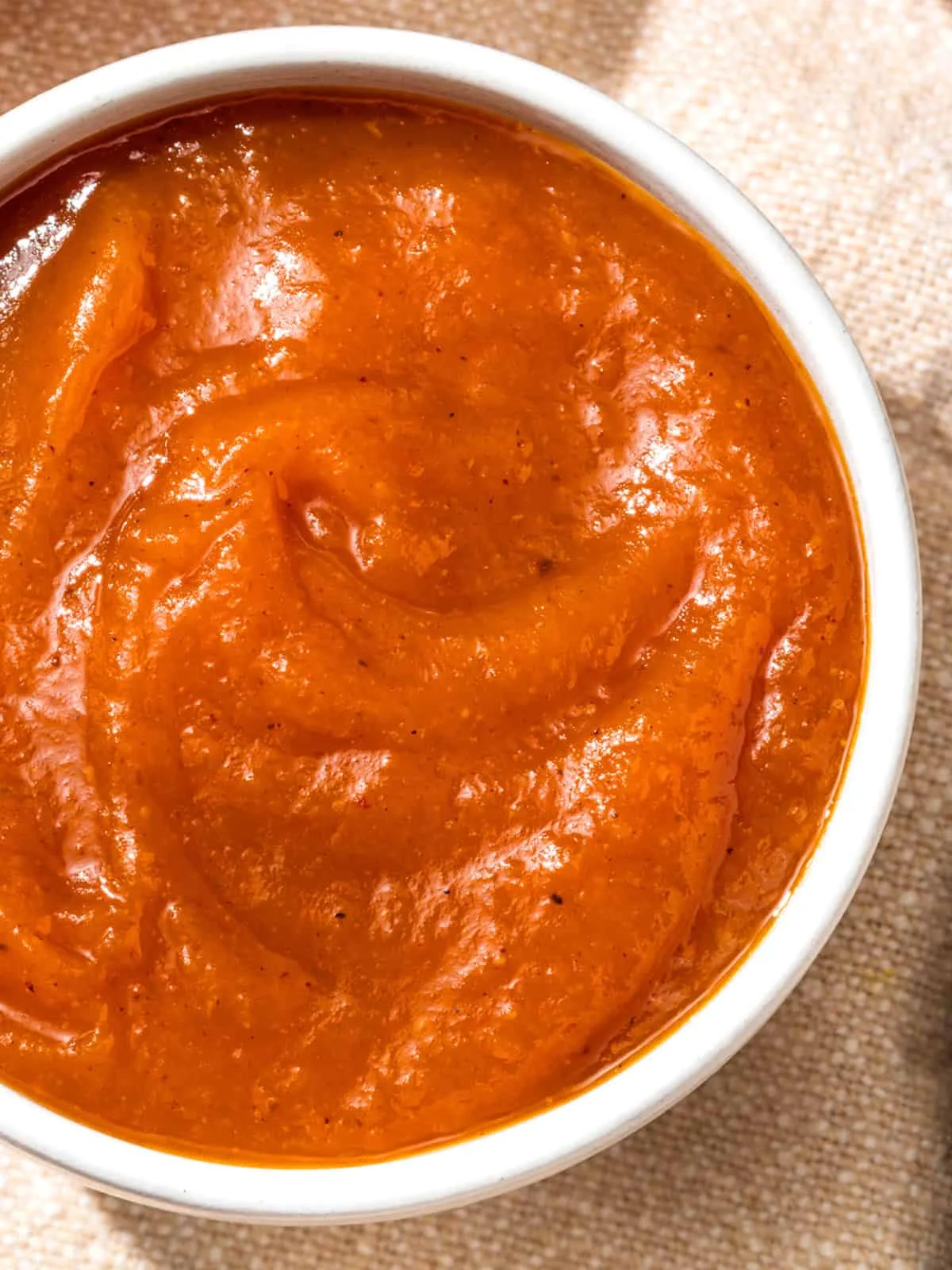
Despite its misleading name, pumpkin butter contains no dairy. Much like its cousins—apple, pear, and plum butter—the term "butter" refers strictly to the velvety, spreadable consistency of the final product. While standard pumpkin puree is often a blank canvas used primarily for baking, pumpkin butter is a fully realized condiment, boasting a complex flavor profile defined by deep, concentrated notes of maple, vanilla, and warm, aromatic spices.
The texture is the hallmark of a high-quality pumpkin butter. It is thicker and silkier than pie filling, offering a richness that lingers on the palate. By reducing the pumpkin’s natural moisture through a slow-cooking process, the sugars are caramelized, and the flavors are intensified, creating a product that is both decadent and intensely satisfying. It is an ideal project for those looking to preserve the harvest, as it bridges the gap between a morning breakfast staple and a sophisticated dessert component.
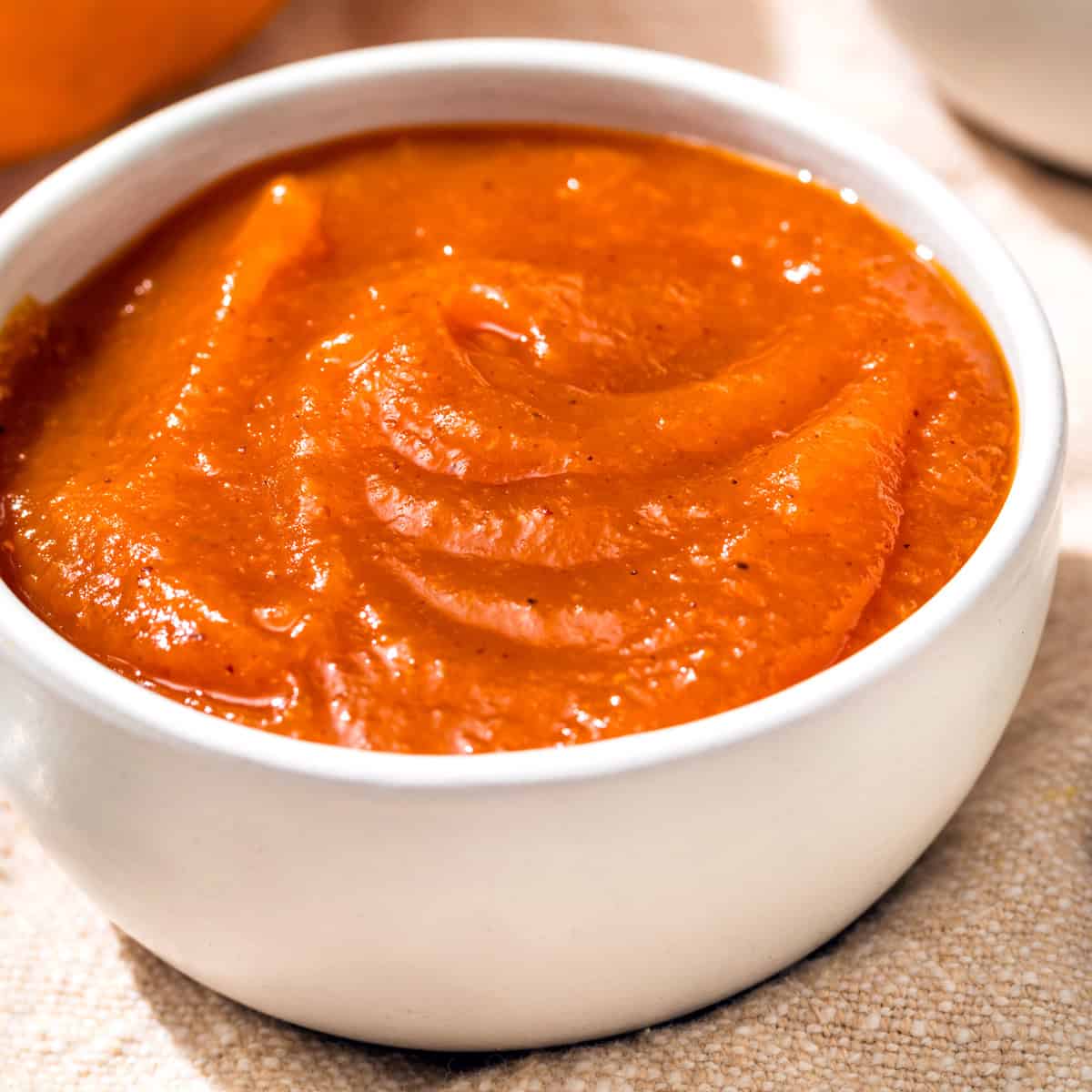
Chronology of Preparation: From Gourd to Gourmet
The process of crafting pumpkin butter is a rewarding exercise in patience and precision. For the purist, the journey begins with the selection of a sugar pie pumpkin. Unlike the large, stringy varieties used for jack-o’-lanterns, sugar pumpkins possess a dense, sweet flesh that is perfect for pureeing.
The Roasting Phase
The transformation begins in the oven. After halving and seeding the pumpkin, it is roasted until the flesh is tender enough to be easily scooped away from the rind. This initial roasting is crucial; it draws out the natural sweetness and begins the process of flavor development. Once roasted, the flesh is pureed until perfectly smooth, ensuring no fibrous strands remain to compromise the final mouthfeel.
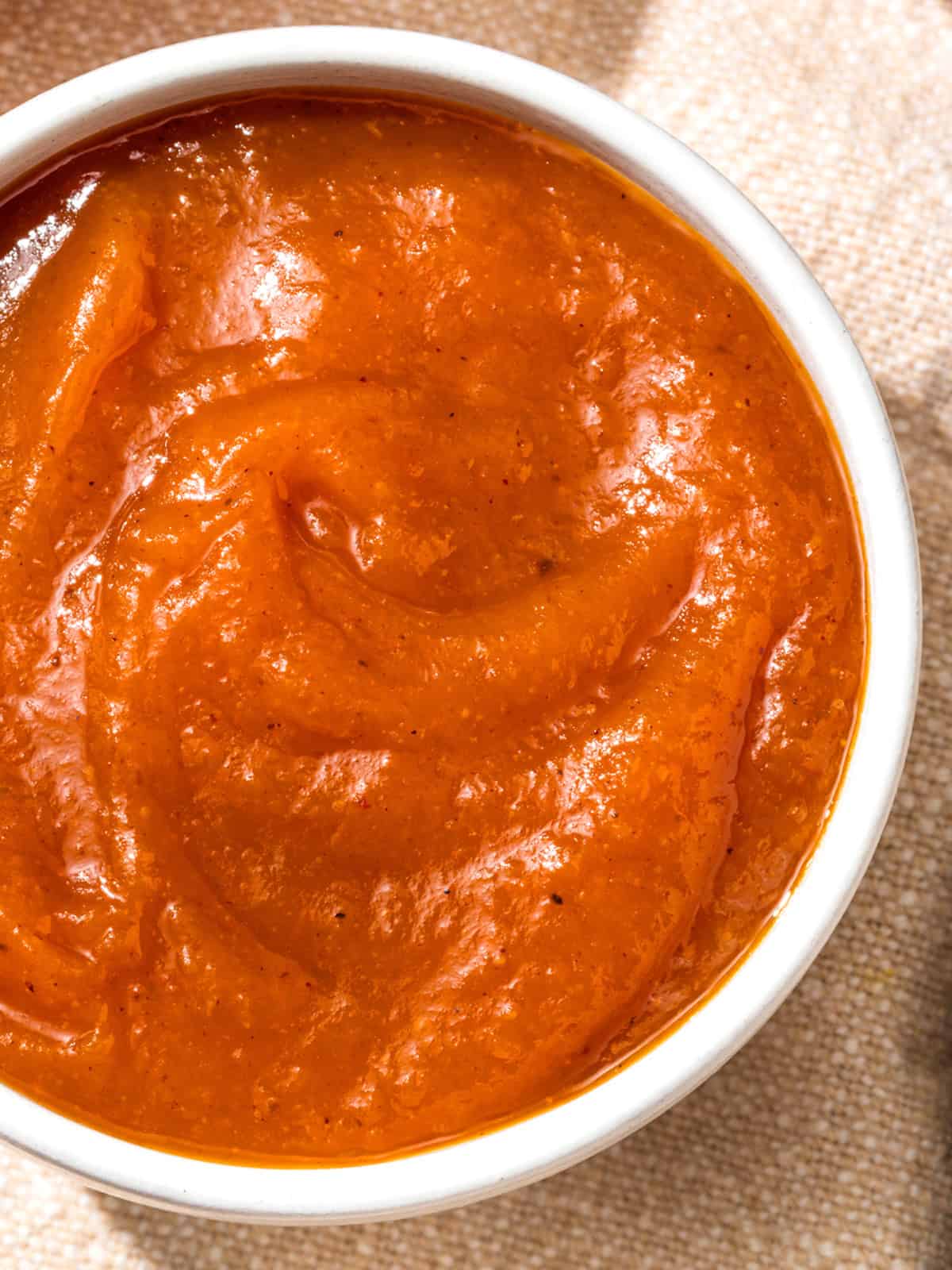
The Simmering Process
Once the puree is prepared, it is transferred to a heavy-bottomed saucepan or a slow cooker. Here, the magic happens. The pumpkin is combined with brown sugar, pure maple syrup, and a blend of traditional fall spices—typically cinnamon, ginger, cloves, and nutmeg. The mixture is then simmered over low heat. This stage is non-negotiable; it is during this prolonged, gentle heating that the water content evaporates, the sugars caramelize, and the spices permeate the vegetable base. The result is a deep, amber-hued spread that radiates the warmth of autumn.
The Finishing Touches
After reaching the desired consistency, the butter is cooled and transferred to airtight vessels. It is at this point that the cook must exercise restraint, as the flavors often harmonize and deepen further after a night in the refrigerator, allowing the spices to fully infuse the pumpkin base.
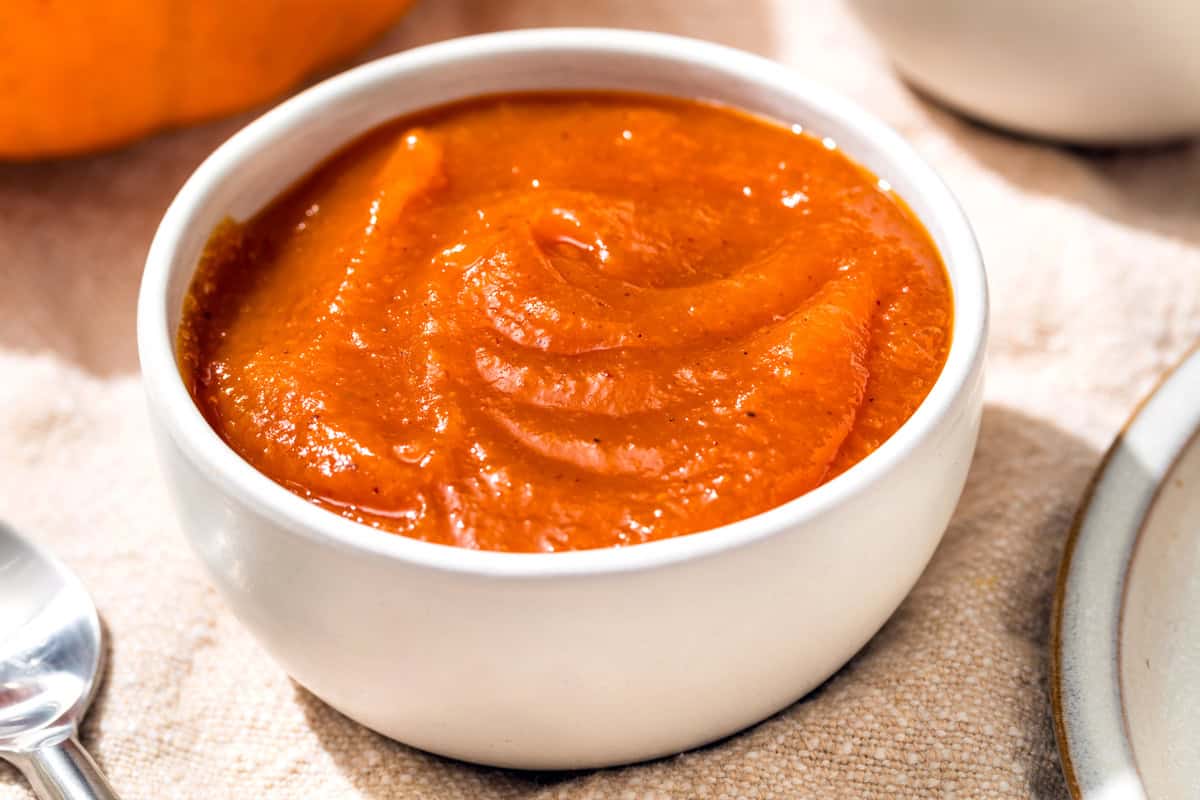
Supporting Data and Technical Considerations
For the modern home cook, time management and food safety are paramount. Understanding the science behind the recipe ensures both quality and longevity.
- Efficiency and Substitutions: While roasting a fresh pumpkin is the traditional method, the use of high-quality, canned, 100% pure pumpkin puree is a scientifically valid and efficient alternative. When utilizing canned puree, cooks should ensure they are not using "pumpkin pie filling," which contains pre-added sweeteners and spices that would disrupt the balance of the recipe.
- Safety and Storage: A critical technical note for home cooks is the limitation of preservation methods. Because pumpkin butter is a low-acid food, it is not suitable for traditional water-bath canning. Home cooks should strictly adhere to refrigeration or freezing for storage. Properly sealed, homemade pumpkin butter will maintain its peak quality for up to two weeks in the refrigerator or three months in the freezer. When freezing, it is vital to leave headspace in the container to account for the natural expansion of the product.
- Nutritional Profile: A standard two-tablespoon serving contains approximately 61 calories. With 14 grams of carbohydrates and only 1 gram of fat, it serves as a nutrient-dense alternative to traditional high-fat spreads, offering a significant dose of seasonal flavor without excessive caloric density.
Culinary Implications: Beyond the Breakfast Table
The versatility of pumpkin butter is perhaps its most compelling attribute. While it is a natural partner for morning breads, its applications extend far into the culinary landscape.
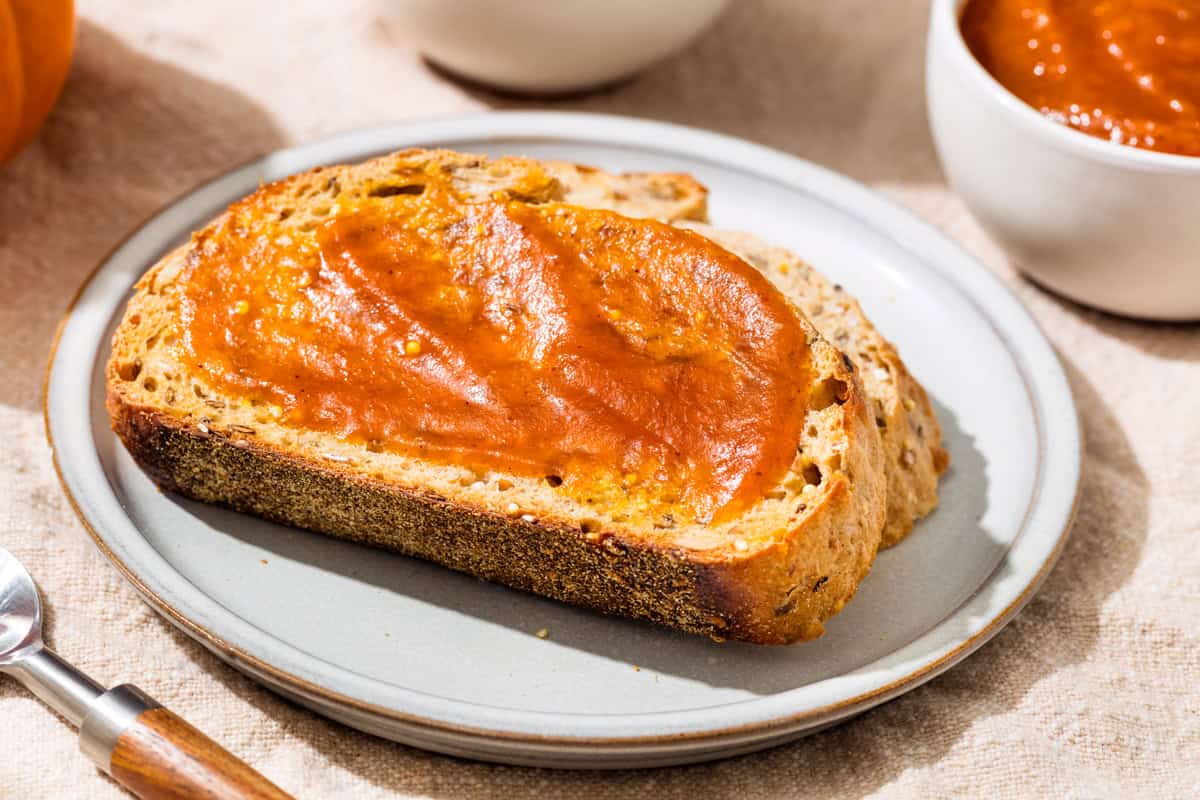
- Breakfast Elevation: Beyond toast and pancakes, it acts as a transformative ingredient for yogurt parfaits, smoothies, and warm porridge.
- Baking Applications: It serves as a potent filling for thumbprint cookies, a layer in seasonal cakes, or a glaze for scones.
- Savory Pairings: The depth of flavor in pumpkin butter makes it an unexpected but highly effective addition to cheese boards. It pairs exceptionally well with sharp cheddars, nutty gruyères, and creamy bries, providing a sweet contrast to salty or pungent cheeses.
- Gift-Giving Culture: Due to its shelf-life and aesthetic appeal, small jars of homemade pumpkin butter have become a quintessential gift during the autumn months, embodying the spirit of artisanal, homemade hospitality.
Professional Perspectives on the Autumn Harvest
Industry experts often emphasize that the success of a preserve lies in the quality of the raw ingredients. "The secret to an exceptional pumpkin butter is not just the spice blend," notes culinary researcher and author Kimberly Killebrew. "It is the careful reduction of the pumpkin itself. When you give the mixture the time it needs to darken and concentrate, you aren’t just making a spread; you are capturing the spirit of the harvest in a way that mass-produced alternatives simply cannot replicate."
This sentiment reflects a growing movement toward "slow food" and home-based food production. By choosing to make pumpkin butter from scratch, cooks are engaging in a historical tradition of preservation that connects them to the cyclical nature of the seasons. It is an act of intentionality—a way of slowing down in a fast-paced world to appreciate the flavors of the earth.
The Verdict: A Staple for the Modern Kitchen
The rise of homemade pumpkin butter is a testament to the enduring appeal of traditional, seasonal cooking. It requires only a handful of pantry staples—pumpkin, sugar, syrup, and spice—yet produces a result that feels entirely gourmet.
As we look toward the cooler months, the act of simmering a batch of pumpkin butter serves as both a culinary endeavor and a ritual of the season. Whether you are a novice in the kitchen or a seasoned home cook, this recipe offers a reliable, delicious, and deeply satisfying way to welcome autumn. It invites us to celebrate not just the flavor of the season, but the joy of the craft itself. With the right technique and a little bit of patience, the humble pumpkin is transformed into a golden treasure, ready to brighten the darkest mornings of the year.

 Asep Darmawan
 Evan Lee Salim