

 Ali Ikhwan

 Iffa Jayyana

 Muslim

 Nana

 Dwi Wanna
 Laily UPN
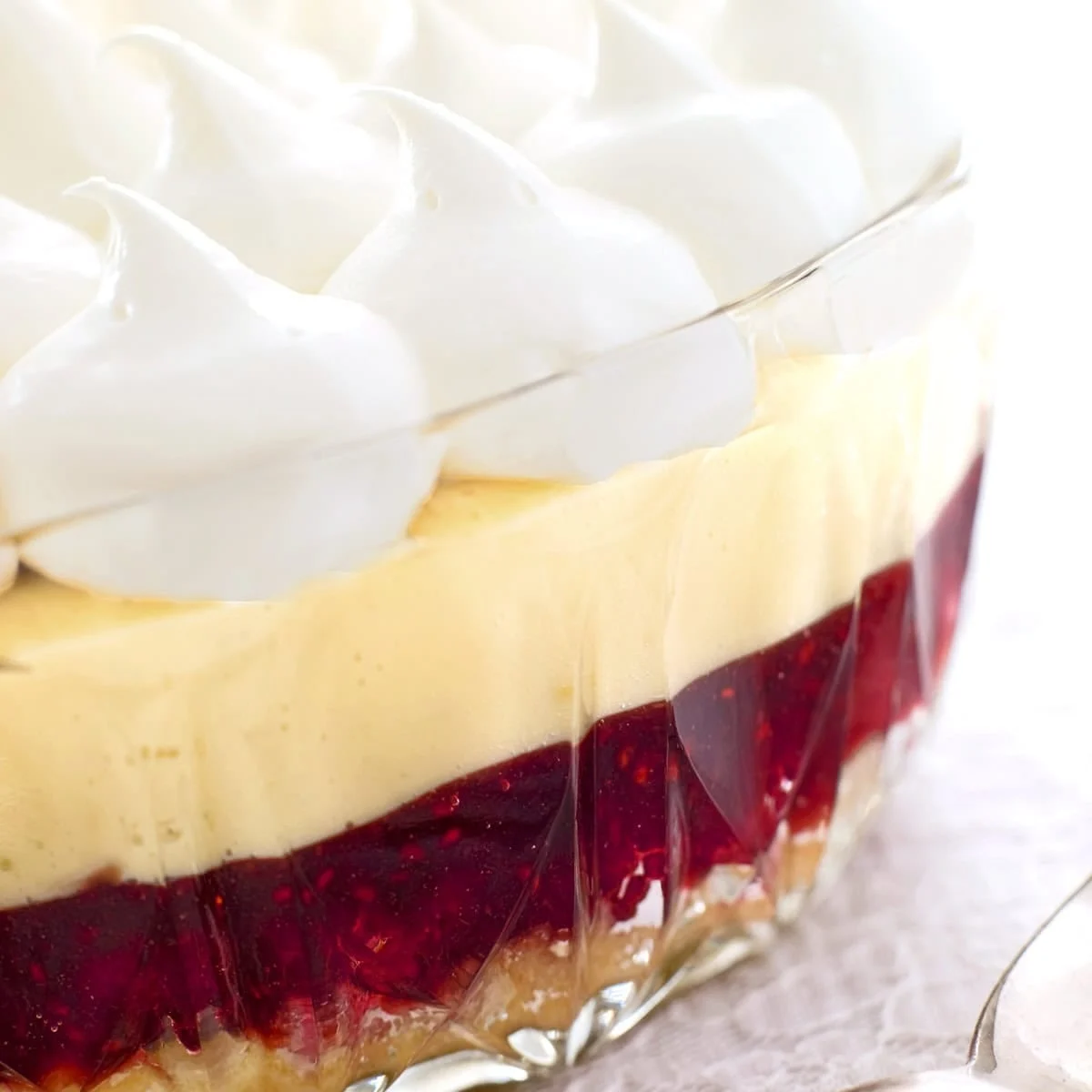
In the realm of classic pastry arts, few components possess the versatility and elegance of Bavarian cream. Known in French as crème bavaroise, this silky, custard-based confection serves as the foundation for countless desserts, from the airy fillings of Bismarcks and donuts to the structural integrity of elaborate tortes and trifles. Despite its sophisticated reputation—often associated with the golden age of 19th-century haute cuisine—Bavarian cream is remarkably approachable for the home baker. By mastering the delicate balance of egg yolk custard, gelatin, and whipped cream, one can elevate a standard pastry into a professional-grade masterpiece.
Main Facts: The Anatomy of Bavarian Cream
At its core, Bavarian cream is a three-part harmony of culinary chemistry. The base is crème anglaise, a rich sauce made from egg yolks, sugar, and milk (or cream). To this, a setting agent—typically gelatin—is introduced to provide structure. Finally, the mixture is lightened by folding in freshly whipped cream.
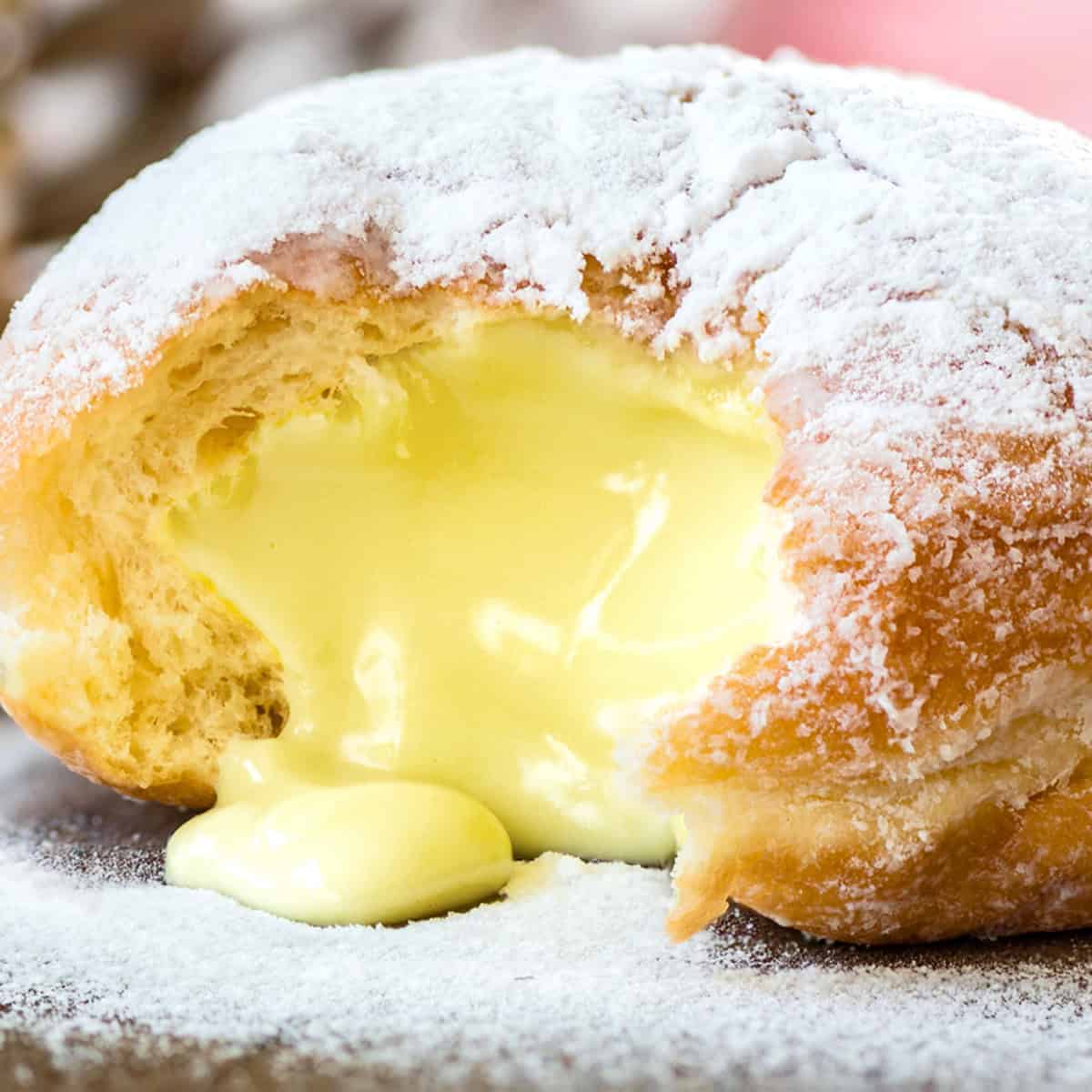
The primary distinction of the bavarois is its texture. Unlike pastry cream (crème pâtissière), which utilizes cornstarch or flour for thickening and results in a denser, opaque finish, Bavarian cream is stabilized primarily through the interaction of the egg-protein custard and the gelatin. The addition of whipped cream provides an airy, mousse-like mouthfeel that differentiates it from the heavier, starch-laden cousins found in many supermarket desserts.
Chronology: A Culinary Tribute Across Borders
The etymology of the bavarois remains a subject of intrigue among culinary historians. While the name explicitly references Bavaria—a German region historically renowned for its rich dairy production and royal culinary heritage—the preparation is definitively French in origin.
Historical consensus suggests the dish may have been created as a French tribute to the Wittelsbach family, the Bavarian royal dynasty that held power from 1180 until 1918. During this era, French chefs were frequently employed in European royal courts, leading to a cross-pollination of techniques. The dish gained significant traction in the 19th century, championed by the legendary French chef Marie-Antoine Carême, who refined the techniques required for the intricate, molded desserts that defined the period’s haute cuisine.
By the late 19th century, the bavarois had crossed the Atlantic. Recipes began appearing in American culinary staples such as the Boston Cooking School publications and the 1896 edition of Fannie Farmer’s cookbook. Over the following century, the dessert evolved from a standalone molded showpiece into the versatile, hidden component found in modern American pastries, such as the filling for Boston cream pies and various layered trifles.
Supporting Data: Understanding the Custard Hierarchy
To succeed in the kitchen, a baker must distinguish between three similar, yet distinct, custard preparations. Misunderstanding these differences often leads to failures in texture and stability.
Bavarian Cream vs. Pastry Cream vs. Diplomat Cream
- Bavarian Cream: A base of egg-yolk custard (crème anglaise) stabilized with gelatin and aerated with whipped cream. It is light, silky, and possesses a delicate set.
- Pastry Cream (Crème Pâtissière): A dense custard thickened with starch (cornstarch or flour). It is designed to be heat-stable and thick, making it ideal for piping into eclairs or spreading between cake layers.
- Diplomat Cream (Crème Diplomate): A hybrid preparation that combines pastry cream with whipped cream. While it is lighter than traditional pastry cream, the presence of starch gives it a different mouthfeel and body compared to the pure, gelatin-based Bavarian cream.
The Role of Gelatin
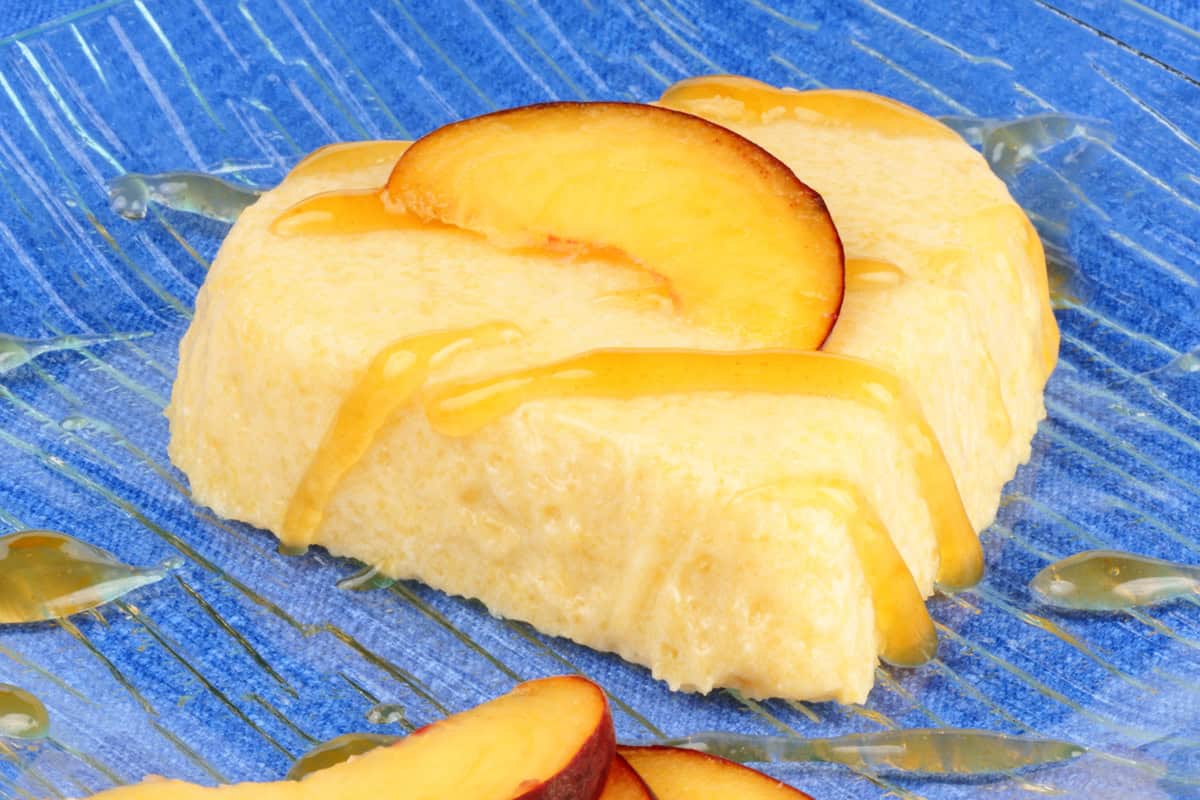
For those attempting to master the molded version of this dessert—a technique rarely seen in modern casual dining but still revered in formal pastry—the amount of gelatin is critical. A standard filling requires just enough gelatin to hold the cream’s structure when enclosed in a pastry. However, for a standalone molded dessert, the gelatin content must be increased to approximately 10 grams per standard batch. This ensures that when the mold is inverted, the dessert maintains its shape without slumping.
Official Processes: Technical Execution
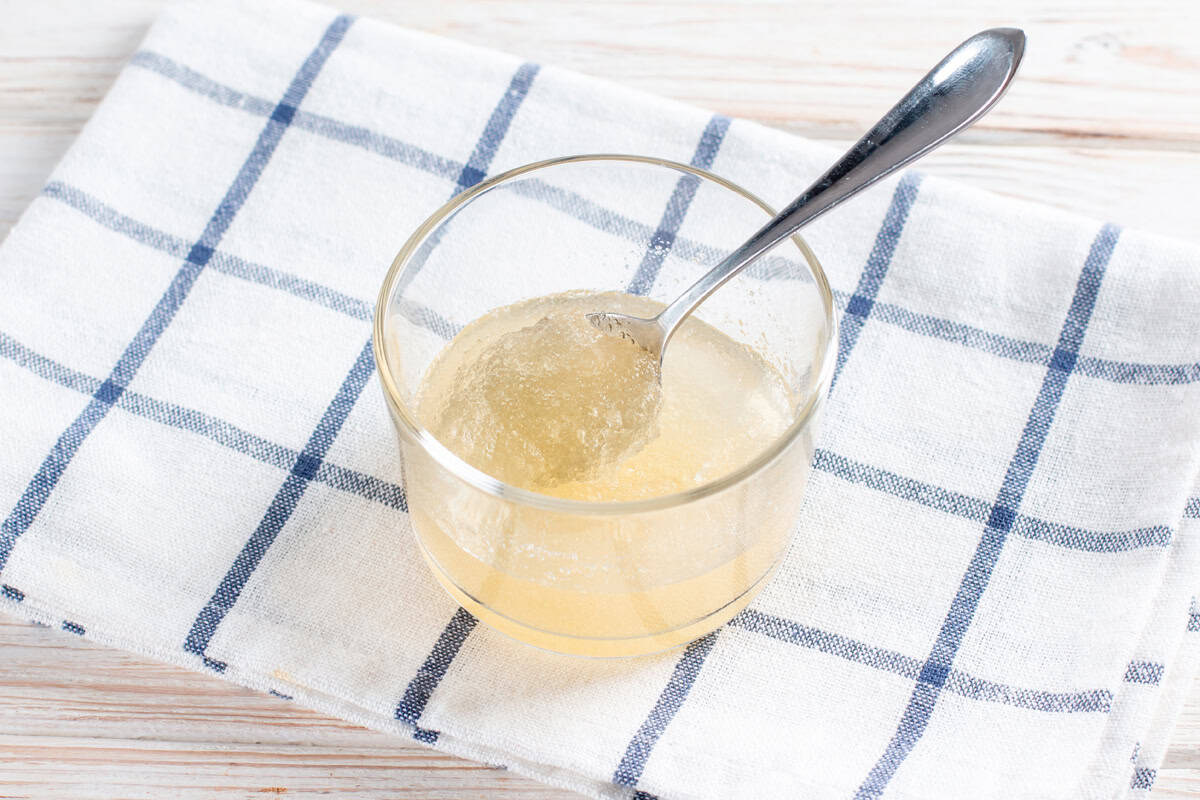
The preparation of a high-quality Bavarian cream is a lesson in temperature control and patience. The "blooming" of the gelatin is the first critical step. By sprinkling powdered gelatin over cold water rather than dumping it, the baker prevents clumping, ensuring that the setting agent dissolves uniformly throughout the hot custard.
The Tempering Process
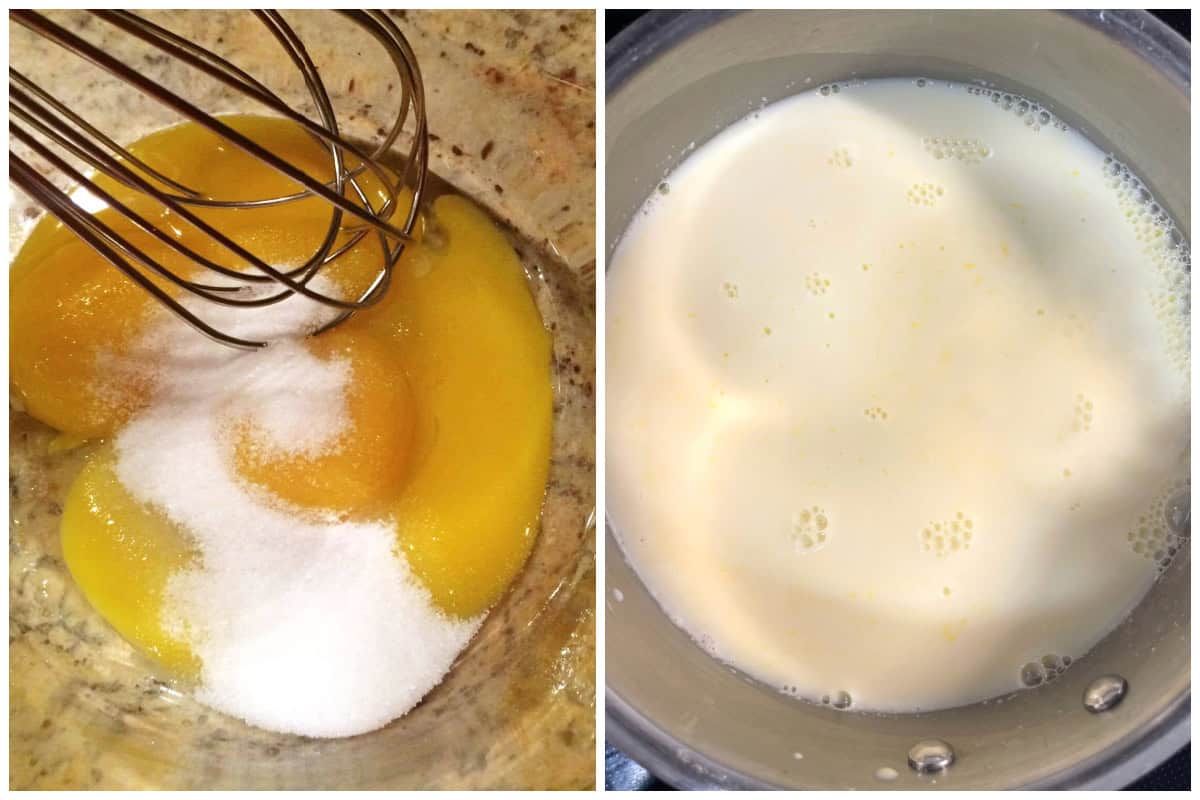
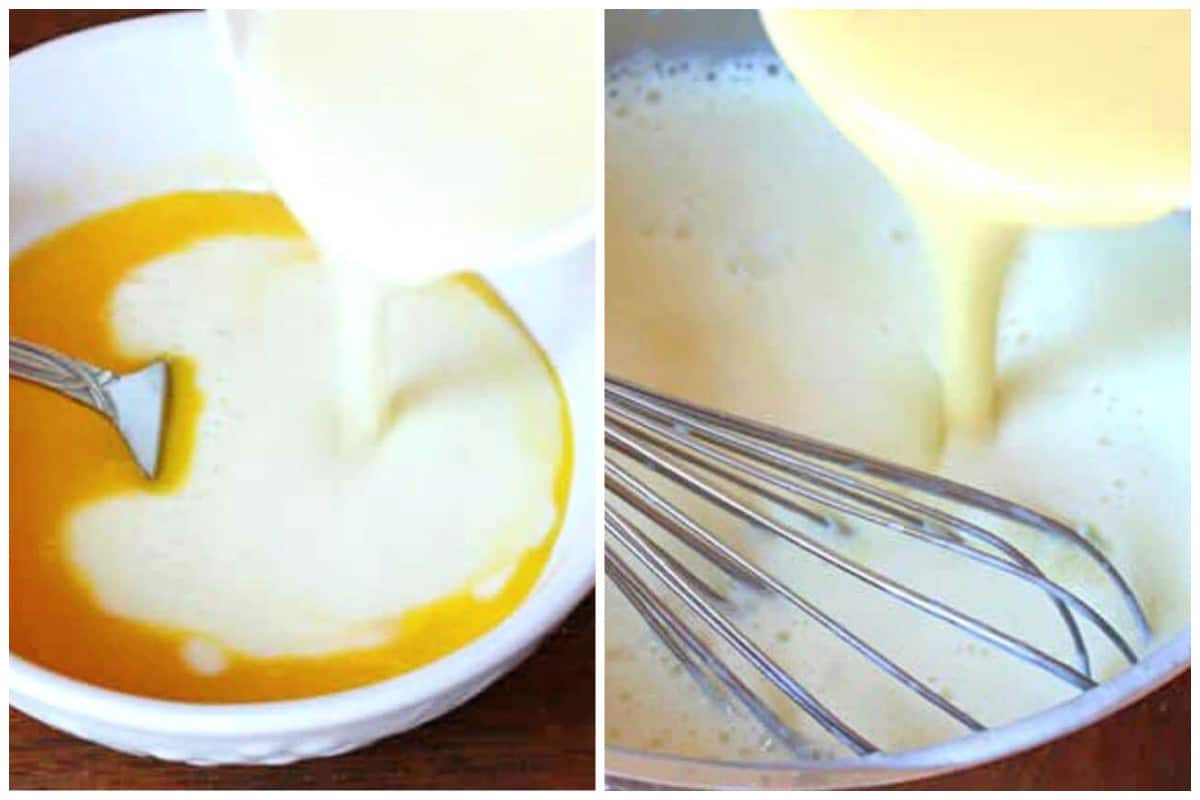
When creating the custard base, the most common pitfall is the coagulation of eggs. By pouring a small amount of hot milk into the egg and sugar mixture—a process known as "tempering"—the baker gradually raises the temperature of the eggs. This prevents them from scrambling when they are returned to the heat.
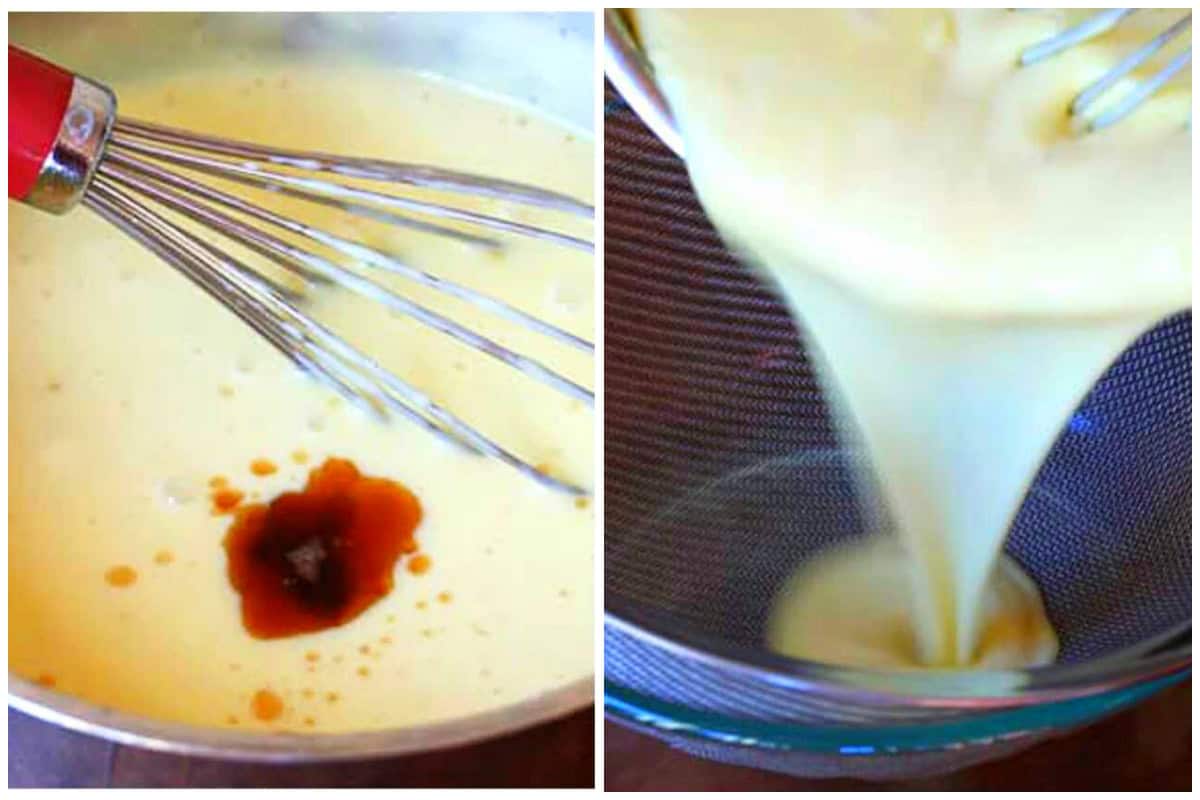
The goal is to reach a temperature of 180-185°F (82-85°C). At this stage, the mixture should coat the back of a spoon—a test known in the industry as nappe. Once reached, the custard must be strained through a fine-mesh sieve. This removes any accidental bits of cooked egg or undissolved sugar, resulting in the "silky, professional finish" that distinguishes superior pastry work.
Incorporating the Air
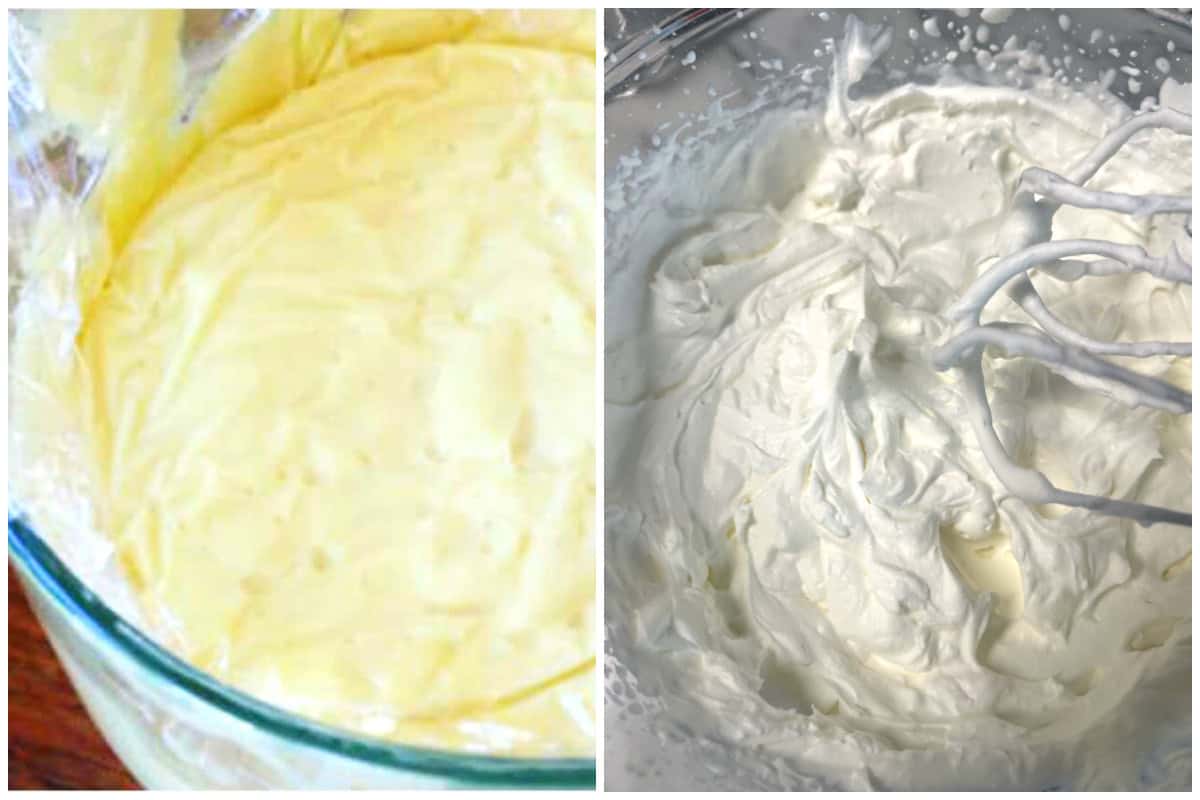
The final, and perhaps most delicate, phase is the folding process. The custard must be cooled to room temperature, yet it must remain liquid enough to incorporate the whipped cream. If the custard is too cold, the gelatin will begin to set, resulting in a lumpy, uneven texture. If it is too warm, the heat will deflate the whipped cream, destroying the aeration. The ideal consistency is that of a loose pudding, at which point the whipped cream should be folded in gently in three separate additions to maintain volume.
Implications for the Home Baker
The transition of Bavarian cream from a formal, molded 19th-century dessert to a versatile, contemporary filling highlights a shift in modern culinary priorities: functionality and texture over architectural rigidity.
Versatility in Application
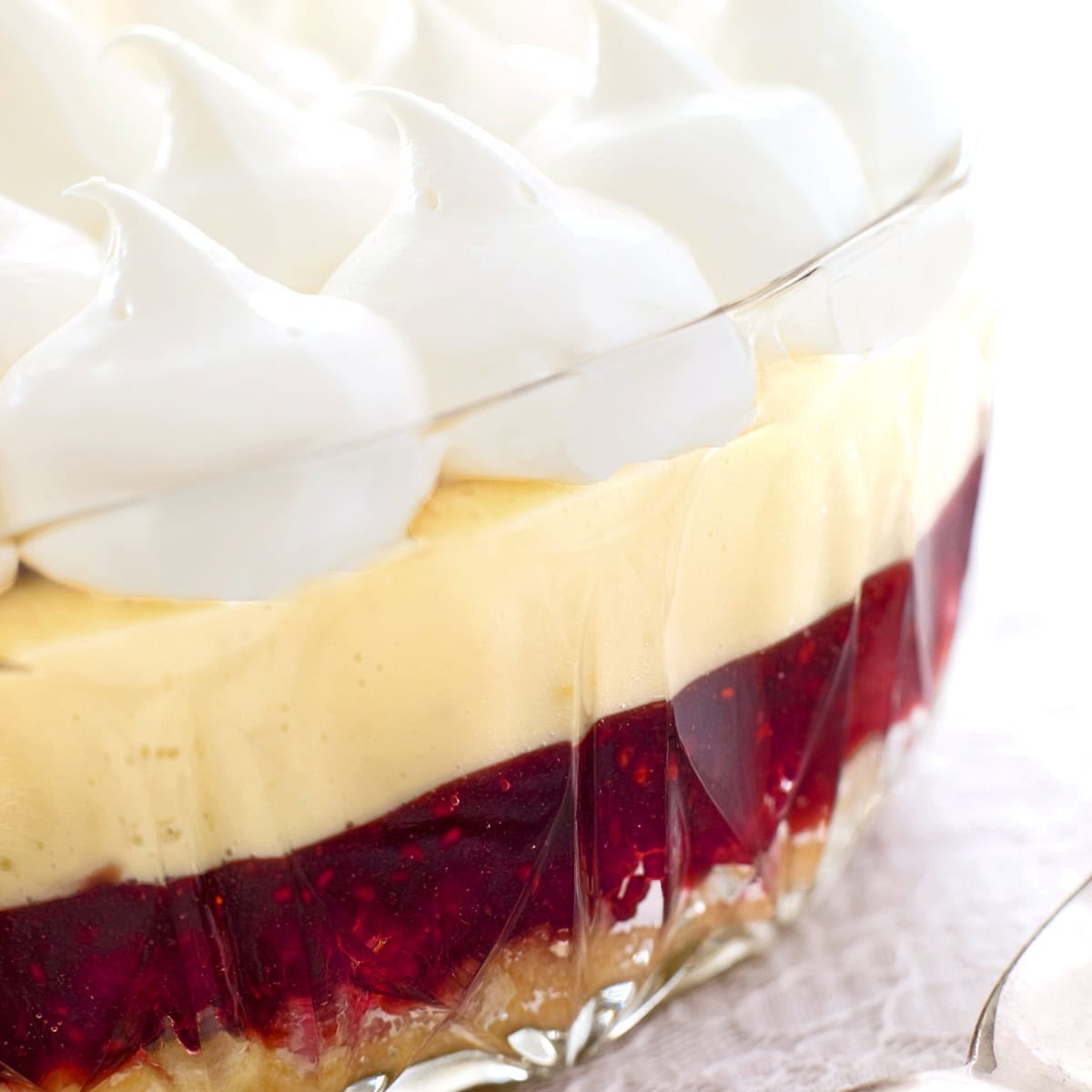
Today, the bavarois is primarily a vehicle for flavor infusion. Because the base is neutral, it serves as an excellent canvas for vanilla bean, citrus zest, liqueurs, or fruit purees. When used as a filling for donuts, trifles, or Bee Sting Cake (Bienenstich), the cream provides a luxurious contrast to the dough or sponge.
Storage and Shelf Life
Despite its rich dairy content, Bavarian cream is surprisingly stable for short-term use, though it is not a candidate for the freezer. It is best enjoyed within 48 hours of preparation, as the gelatin structure can begin to degrade or "weep" over time. Proper storage—pressing plastic wrap directly onto the surface of the cream—is essential to prevent a "skin" from forming, which would compromise the texture.
A Note on Professionalism
The use of high-quality ingredients, particularly the choice of vanilla, can significantly alter the outcome. While pure vanilla extract is acceptable, using a fresh vanilla bean or high-grade vanilla bean paste elevates the custard, providing those distinct visual "specks" and a more nuanced, floral aroma.
Ultimately, mastering Bavarian cream is about understanding the transition from liquid to semi-solid. Whether one is creating a decadent centerpiece for a dinner party or a simple, indulgent filling for a mid-afternoon pastry, the principles remain the same. It is a dish that rewards precision, patience, and a fundamental respect for the delicate balance of fats, proteins, and stabilizers. By following the historical techniques codified by masters like Carême, the modern cook can successfully bring a touch of European haute cuisine into their own kitchen.


