

 Ali Ikhwan

 Iffa Jayyana

 Muslim

 Nana

 Dwi Wanna
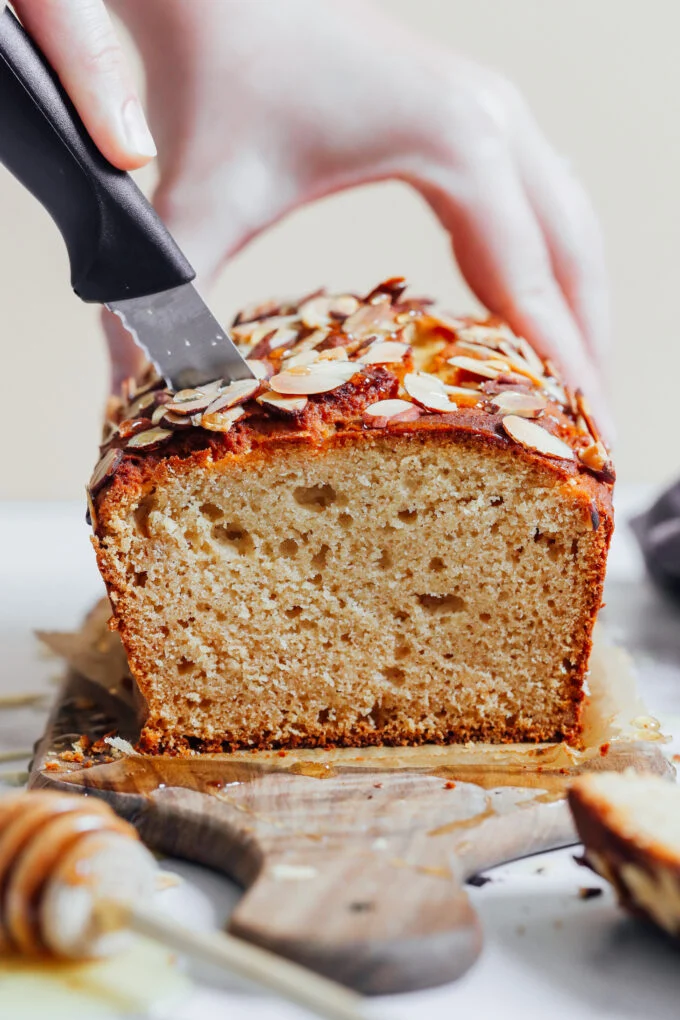
In the evolving landscape of modern culinary arts, the demand for dietary-inclusive recipes—specifically those that are gluten-free and dairy-free—has shifted from a niche necessity to a mainstream standard. Culinary innovators are now tasked with the challenge of creating "undetectable" alternatives that mirror the texture, moisture, and complexity of traditional wheat-based bakes. Standing at the forefront of this movement is the latest offering from the Minimalist Baker kitchen: the 1-Bowl Honey Almond Snack Cake. This article examines the mechanics of this recipe, the significance of its one-bowl methodology, and the broader implications for home bakers navigating allergen-friendly cooking.
Main Facts: A Masterclass in Efficiency and Flavor
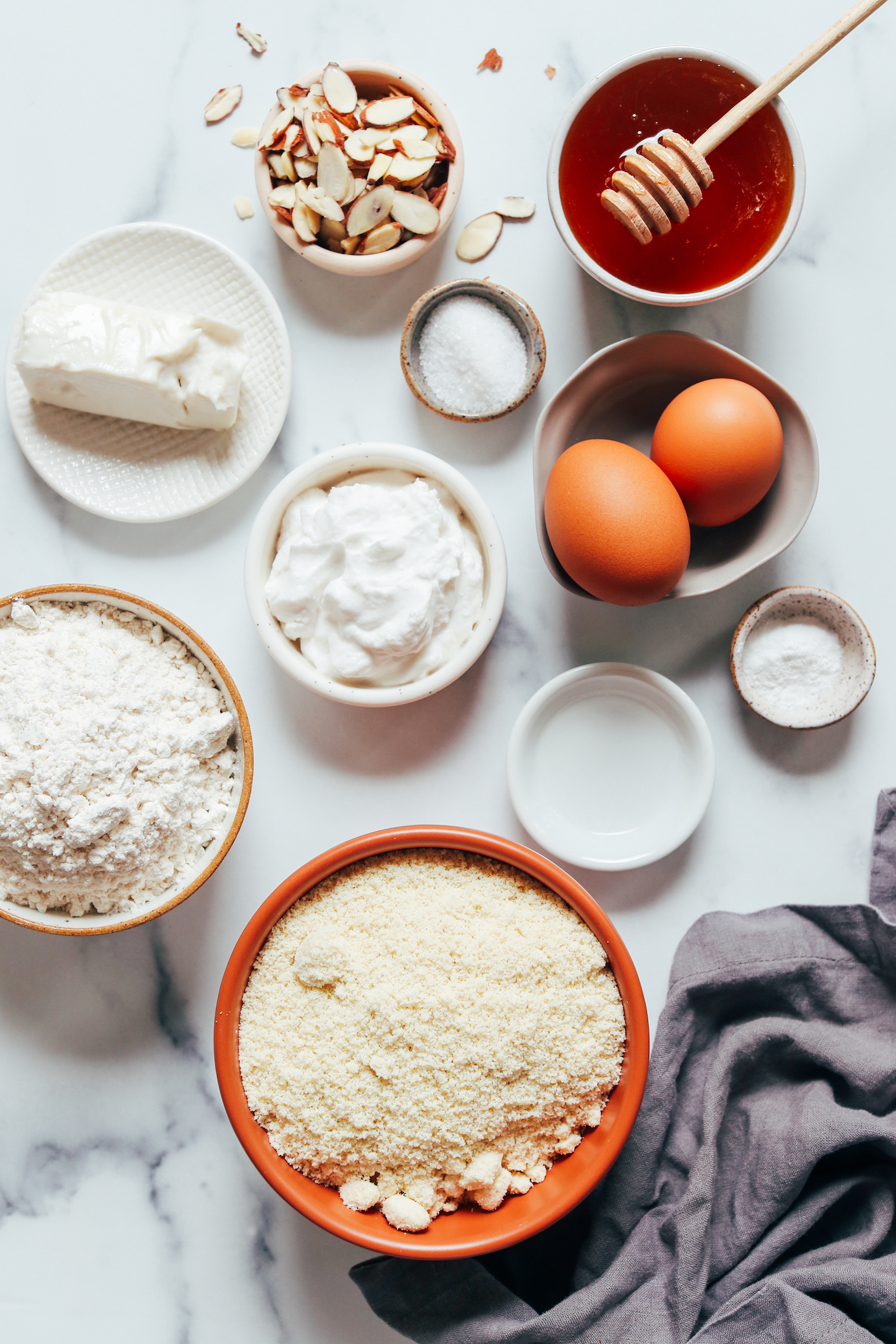
The 1-Bowl Honey Almond Snack Cake is defined by its architectural simplicity. Requiring only 10 fundamental ingredients, the recipe strips away the complexity often associated with gluten-free baking, which frequently demands a long list of gums, stabilizers, and specialized flours.
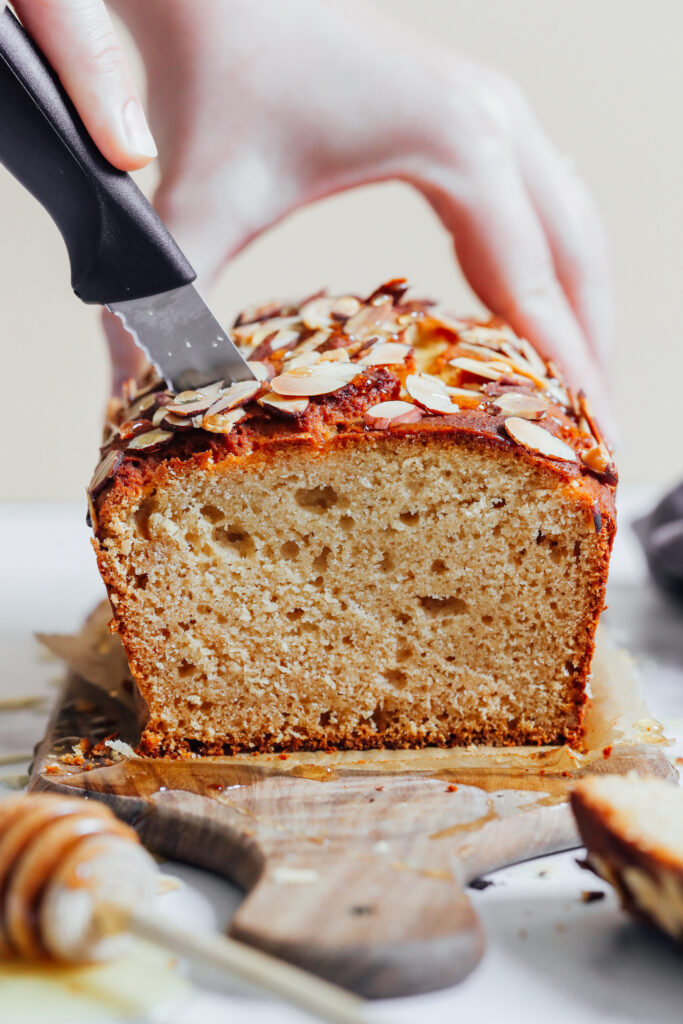
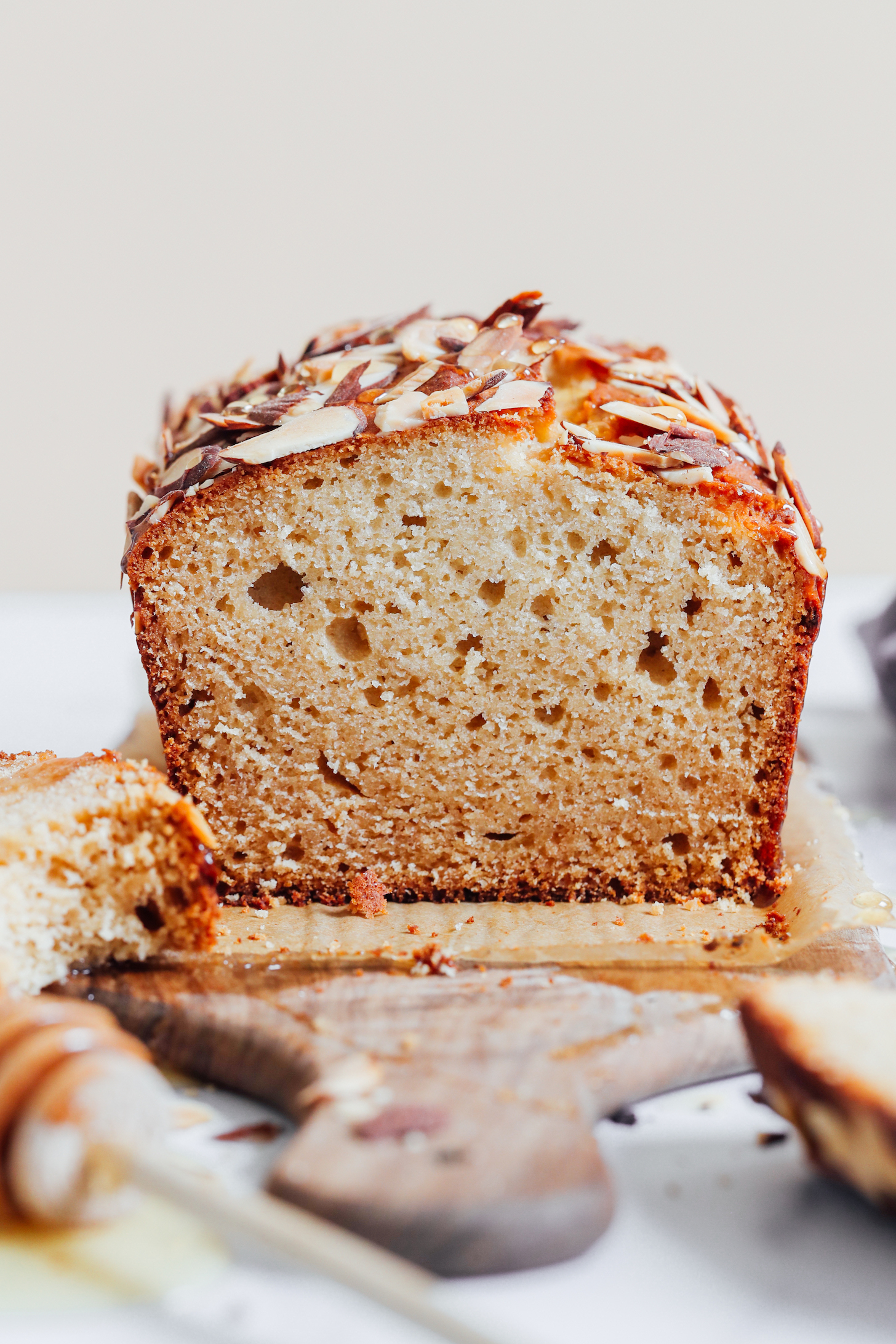
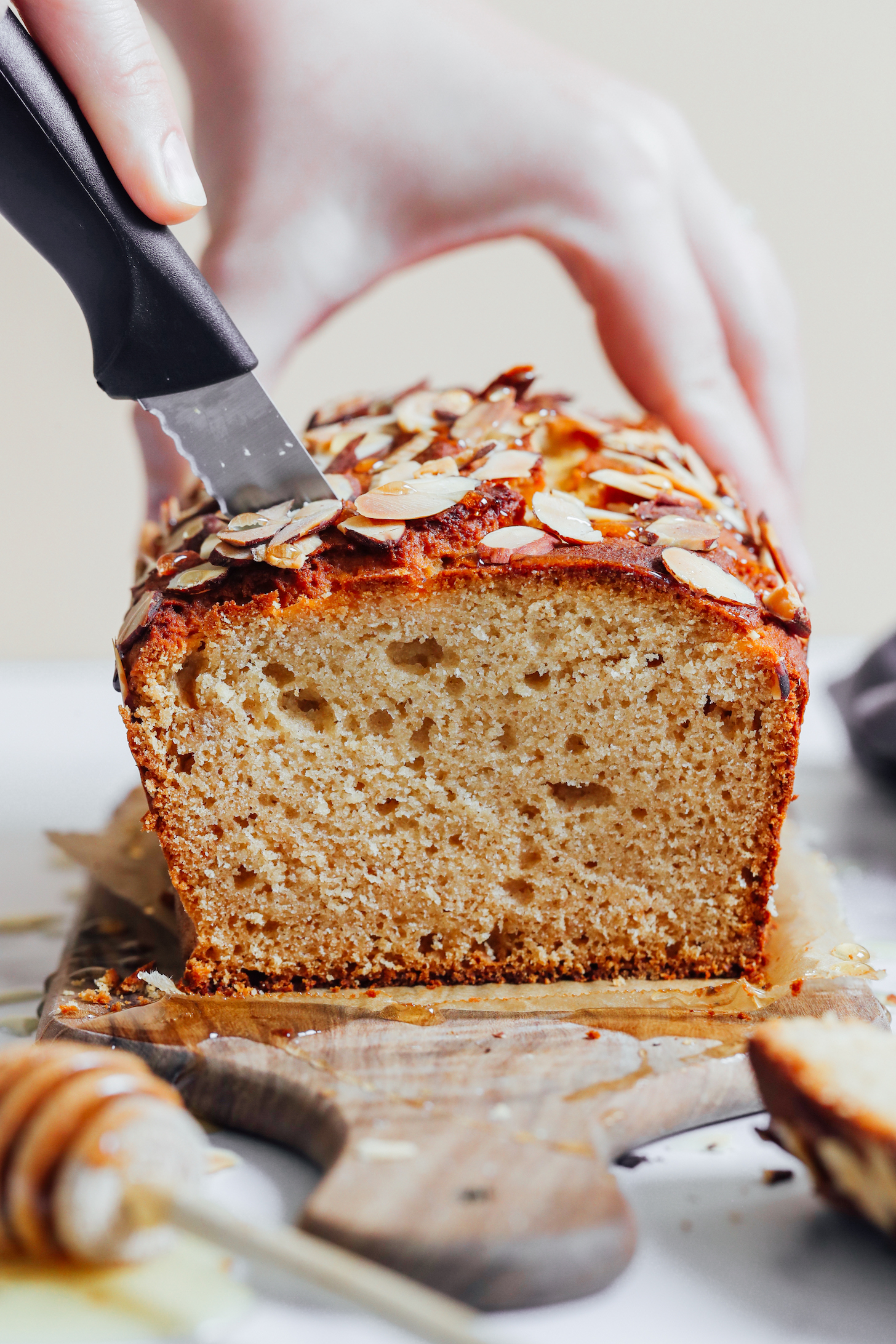
The primary innovation here lies in the balance of almond flour—which provides the necessary fat and protein to create a moist, sponge-like crumb—and a curated gluten-free flour blend. By avoiding the need for a complex stand mixer setup, the recipe democratizes the baking process, allowing novices to achieve professional-grade results. The flavor profile is centered on the natural, floral sweetness of honey, accented by the deep, earthy notes of almond extract. The result is a cake that is neither overly sugary nor overly dense, making it a versatile candidate for morning coffee service, afternoon tea, or as a sophisticated dessert accompaniment.
The Chronology: From Concept to Golden-Brown Loaf
The journey of this snack cake from the mixing bowl to the cooling rack follows a streamlined, highly intentional chronology designed for the modern home cook.
Phase 1: The Foundation
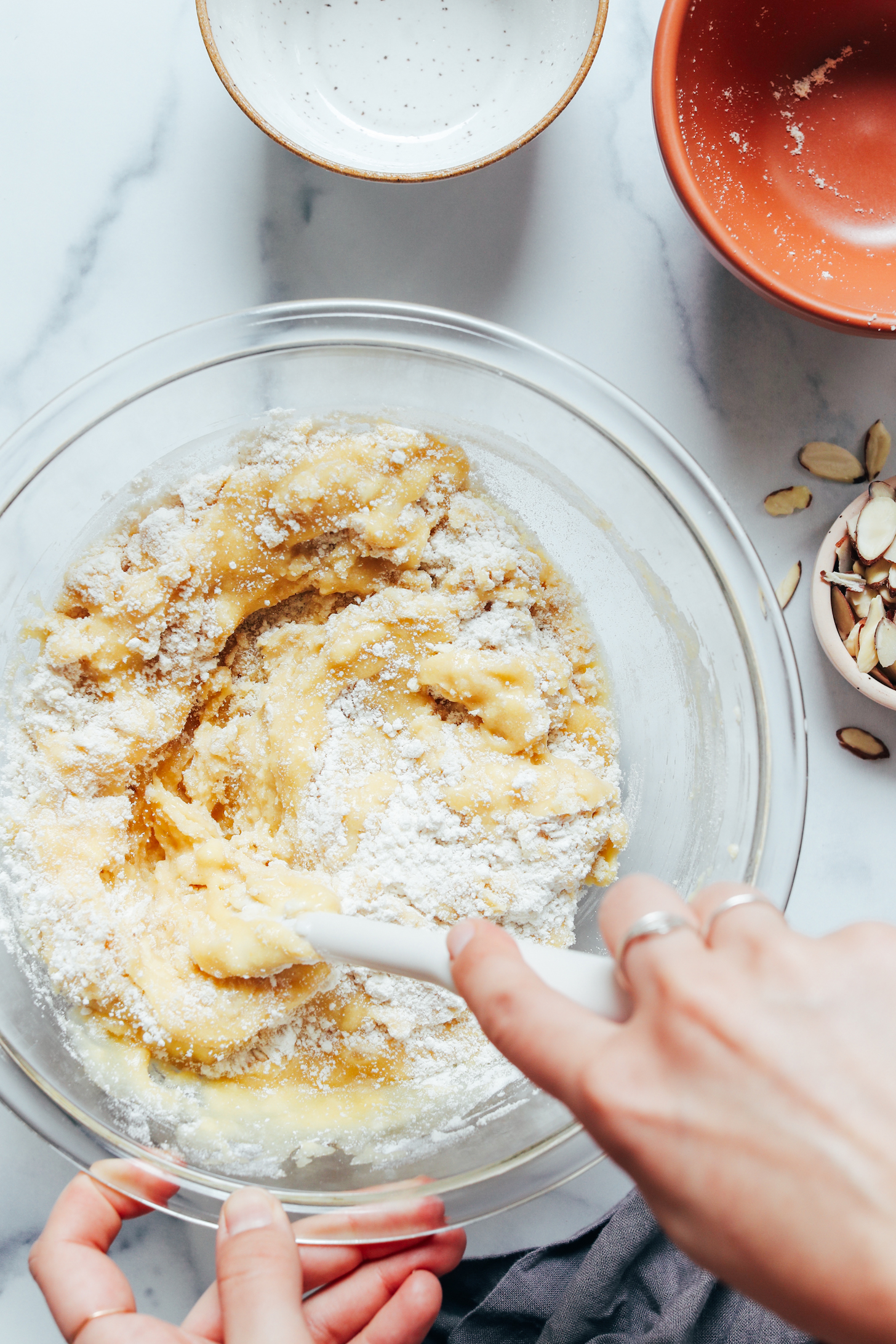
The process begins with the integration of wet ingredients. By whisking these first, the baker creates an emulsion that ensures the honey and dairy-free yogurt are evenly distributed. This step is critical; in gluten-free baking, the hydration of the flour blend determines the ultimate elasticity of the crumb.
Phase 2: Structural Integrity
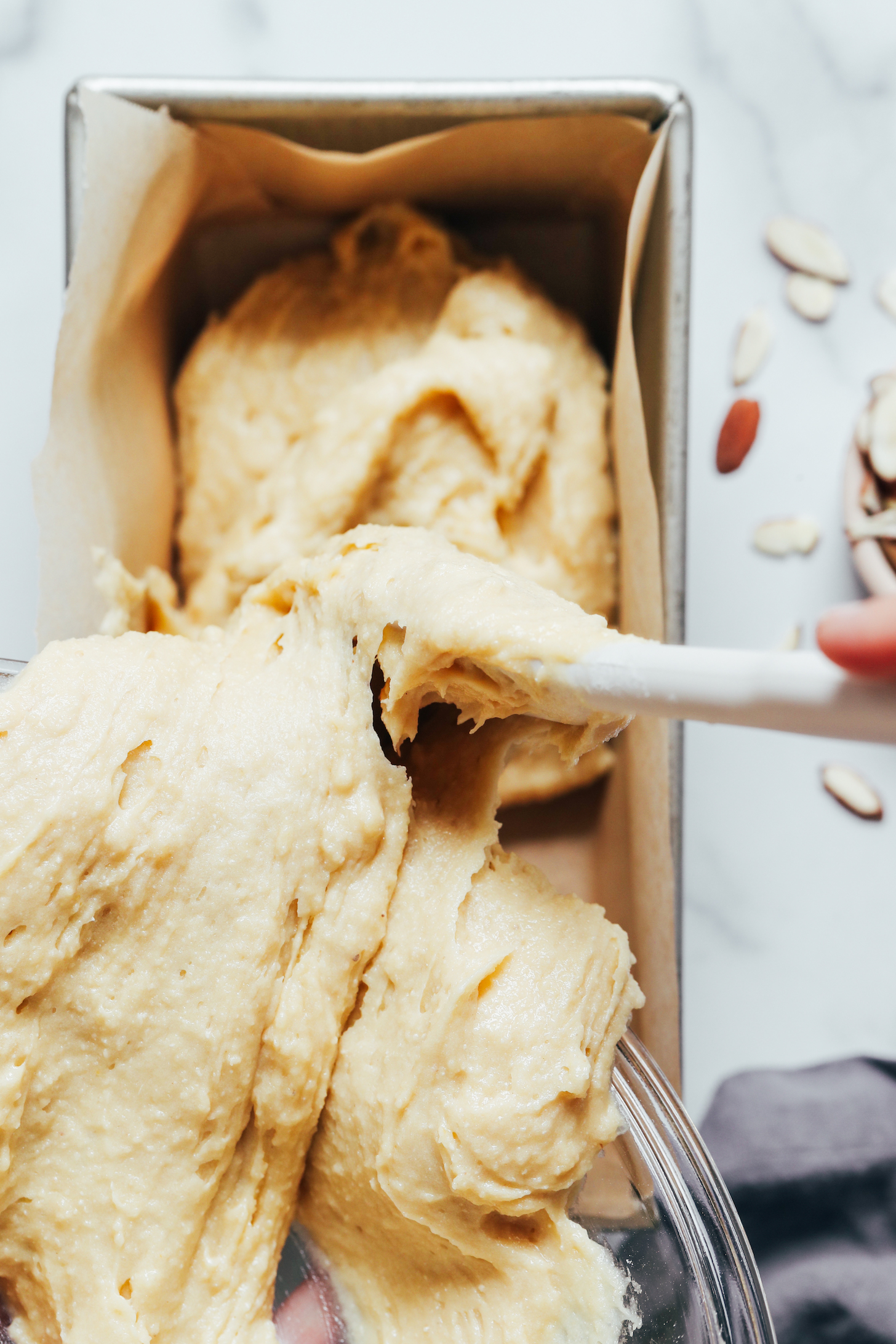
The addition of the dry ingredients—specifically the almond flour and the gluten-free blend—follows. The absence of gluten means the baker does not need to worry about overworking the batter, a common mistake in traditional baking that leads to tough cakes. Instead, the focus is on achieving a smooth, consistent pour.
Phase 3: The Thermal Transformation
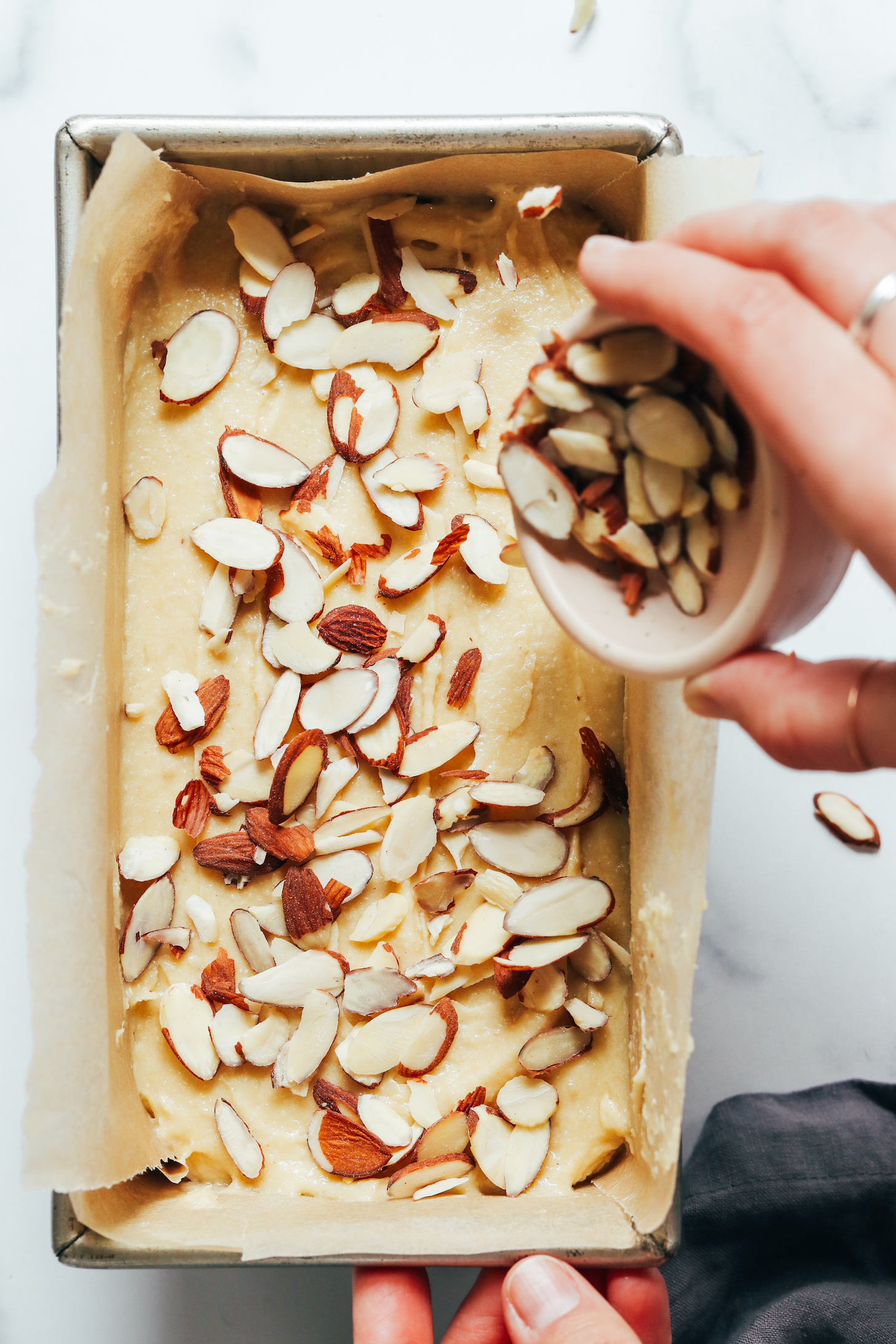
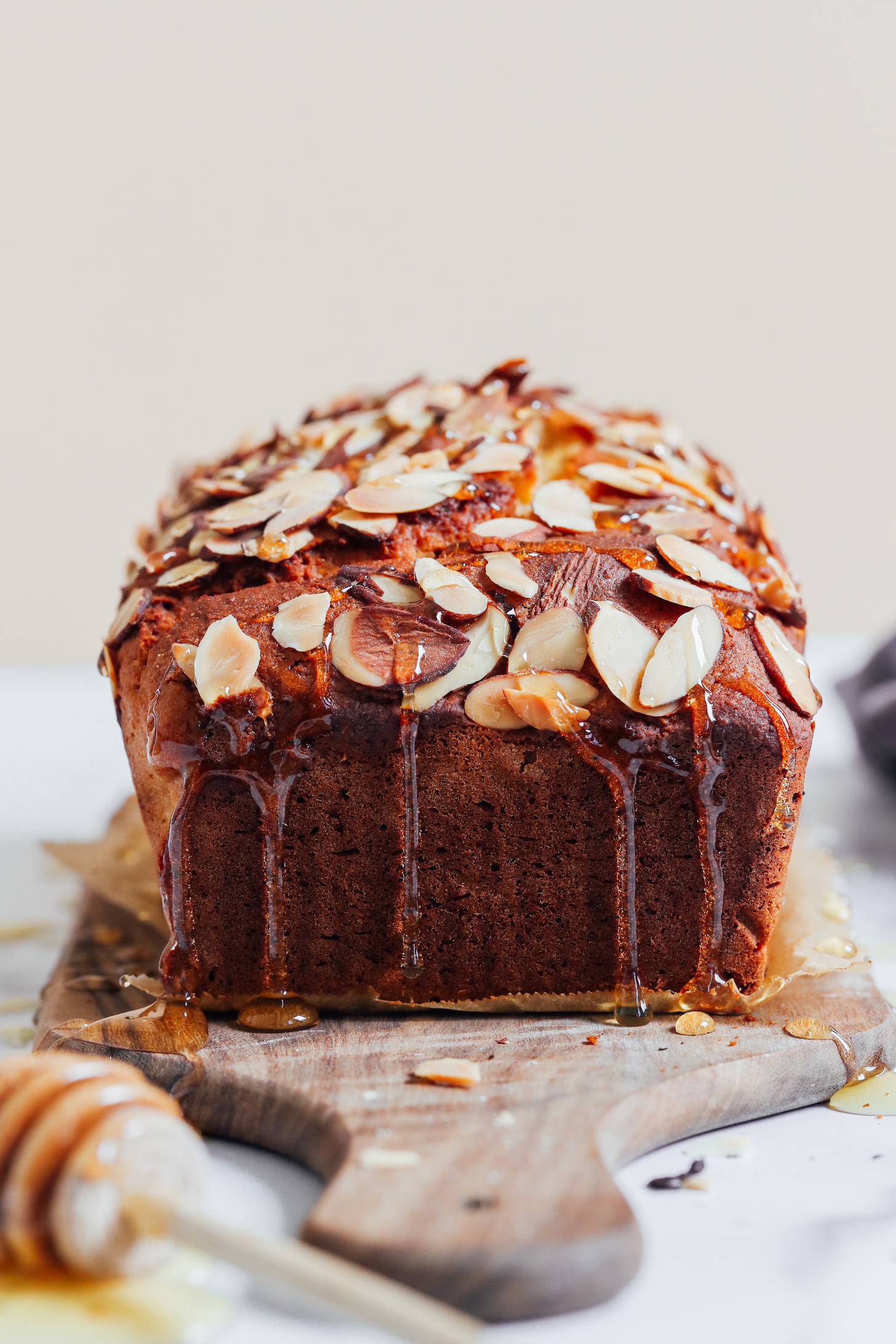
The batter is transferred to a parchment-lined loaf pan. The use of parchment is emphasized as a non-negotiable step to prevent the delicate, honey-rich structure from adhering to the metal surface. The cake undergoes a 45-minute bake, during which the sugars in the honey caramelize to create a golden, slightly firm crust that protects the soft, moist interior.
Phase 4: The Finishing Touch
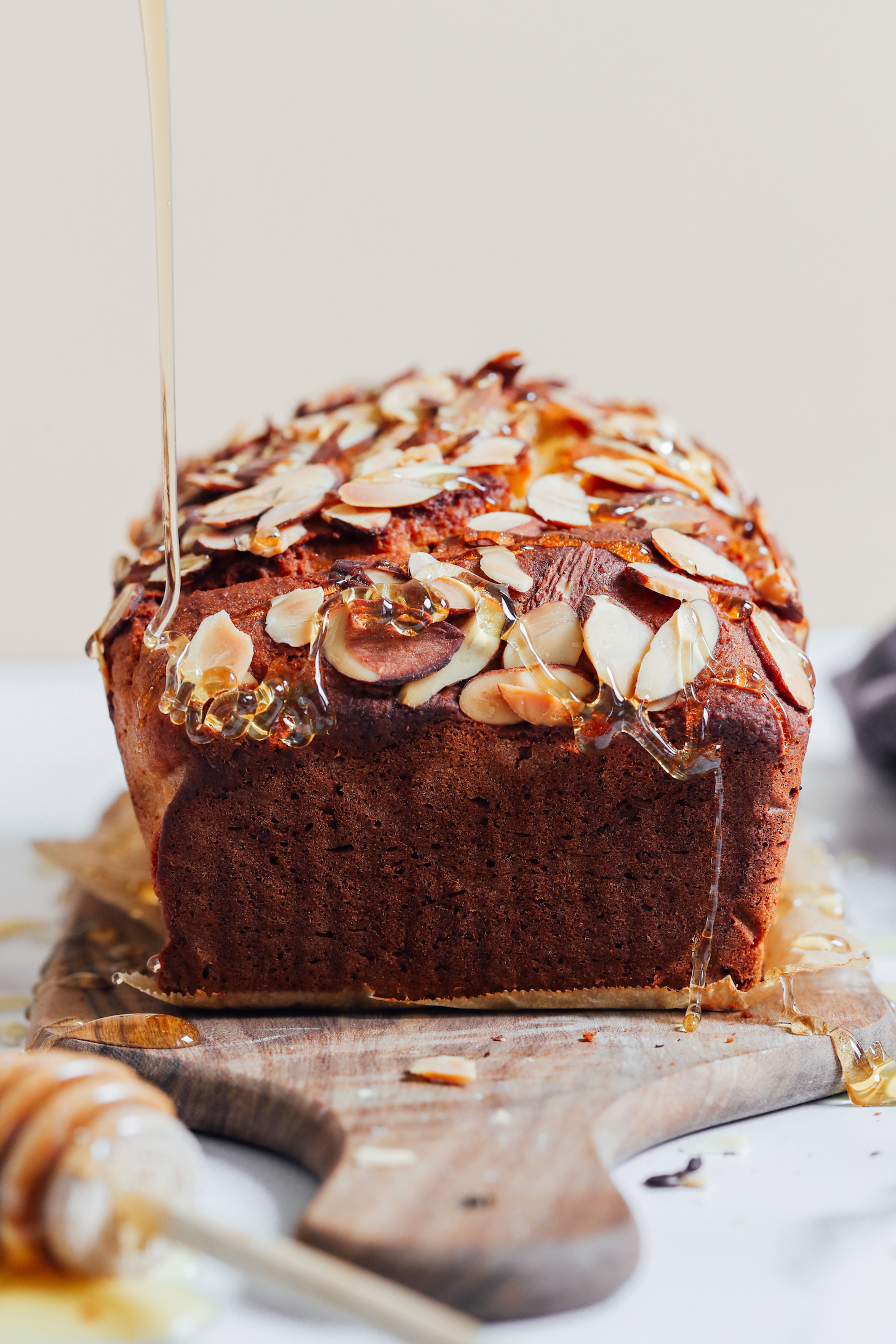
Upon removal from the oven, a final drizzle of honey is recommended. This not only enhances the aesthetic appeal but also serves as a final infusion of flavor, ensuring that the top of the cake—often the driest part—remains succulent and aromatic.
Supporting Data: Nutritional and Technical Analysis
For the health-conscious consumer, the technical specifications of the Honey Almond Snack Cake provide a clear picture of its nutritional footprint. With a serving size of one slice, the cake offers 245 calories, 11.8 grams of fat, and 3.7 grams of protein.
The fiber content of 1.7 grams is bolstered by the inclusion of almond flour, a nutrient-dense alternative to traditional refined wheat flour. The recipe’s reliance on honey as a primary sweetener contributes to a distinct glycemic response compared to refined white sugar, though moderation remains key.
Technically, the recipe’s success hinges on the 1:1 gluten-free flour blend. While the developers have noted that their proprietary DIY blend is the gold standard for this specific cake, the chemistry of modern 1:1 blends (typically containing rice flour, potato starch, and xanthan gum) allows for a high degree of success with commercially available products like Bob’s Red Mill. The inclusion of dairy-free yogurt is a crucial technical component; its acidity reacts with the leavening agents, providing the lift necessary to overcome the heaviness often associated with nut-based flours.
Official Responses and Culinary Community Feedback
The response from the home-baking community has been overwhelmingly positive, highlighting the recipe’s reliability. A common theme in user feedback is the "undetectability" factor—the phenomenon where guests unaware of the dietary restrictions are unable to distinguish the cake from a traditional, gluten-containing loaf.
Experts in the gluten-free baking space have noted that the "snack cake" category is currently the most requested format for home cooks. Unlike layer cakes, which require frosting, assembly, and precise refrigeration, snack cakes are forgiving. They represent a "low-stakes, high-reward" approach to baking. The Minimalist Baker team has been proactive in addressing queries regarding substitutions, specifically clarifying that while eggs are central to the structural integrity, alternatives like applesauce or aquafaba may work, though they are categorized as experimental variables.
Implications: The Future of Allergen-Friendly Baking
The success of the 1-Bowl Honey Almond Snack Cake carries significant implications for the future of domestic culinary practices. It reflects a departure from the "exclusionary" model of special-diet baking—where flavor was sacrificed for the sake of restriction—toward an "inclusive" model where quality is the baseline.
1. The Rise of the "One-Bowl" Philosophy
As life becomes increasingly fast-paced, the "one-bowl" method is no longer just a convenience; it is a necessity. The success of this recipe proves that complex flavors do not require complex, multi-step processes. This shift encourages more people to engage in scratch baking rather than relying on processed, store-bought alternatives that are often laden with preservatives and gums.
2. Normalizing Gluten-Free Living
By positioning the cake as a "snack" rather than a "special occasion dessert," the recipe helps normalize gluten-free living. It shifts the perception of gluten-free treats from "alternative health food" to "everyday staple." This is essential for those with Celiac disease or gluten sensitivity, as it removes the stigma of having to prepare a separate, inferior item for themselves.
3. Sustainability and Ingredient Sourcing
The move toward using almond flour and honey encourages a connection with more natural, whole-food ingredients. The recipe’s longevity (it keeps for 3-4 days and is freezer-friendly for up to a month) aligns with modern food-waste reduction strategies, allowing for bulk preparation that fits into the busy schedules of modern families.
Conclusion: A New Standard for Home Bakers
The 1-Bowl Honey Almond Snack Cake is more than just a recipe; it is a manifestation of the current state of culinary innovation. By blending the rustic charm of almond-based sponge with the convenience of a single-vessel preparation, it bridges the gap between dietary restriction and culinary excellence.
As we look toward the future, it is clear that the most successful recipes will be those that prioritize both the health of the consumer and the efficiency of the kitchen. This snack cake stands as a testament to the fact that when we simplify our methods, we don’t have to compromise on the joy of eating. Whether you are navigating a strictly gluten-free lifestyle or simply looking for a new, elegant addition to your afternoon coffee routine, this cake provides a reliable, delicious, and deeply satisfying experience. The next time you find yourself with an extra bowl and an hour of time, consider this golden, honey-kissed loaf—a simple solution to the age-old question of what to serve for a quick, wholesome, and impressive treat.


