

 Layla Zulfa
 Laily UPN
 Neng Nana
 Sagoh
Sagoh
 Raul Delapena Setiawan
 Iffa Jayyana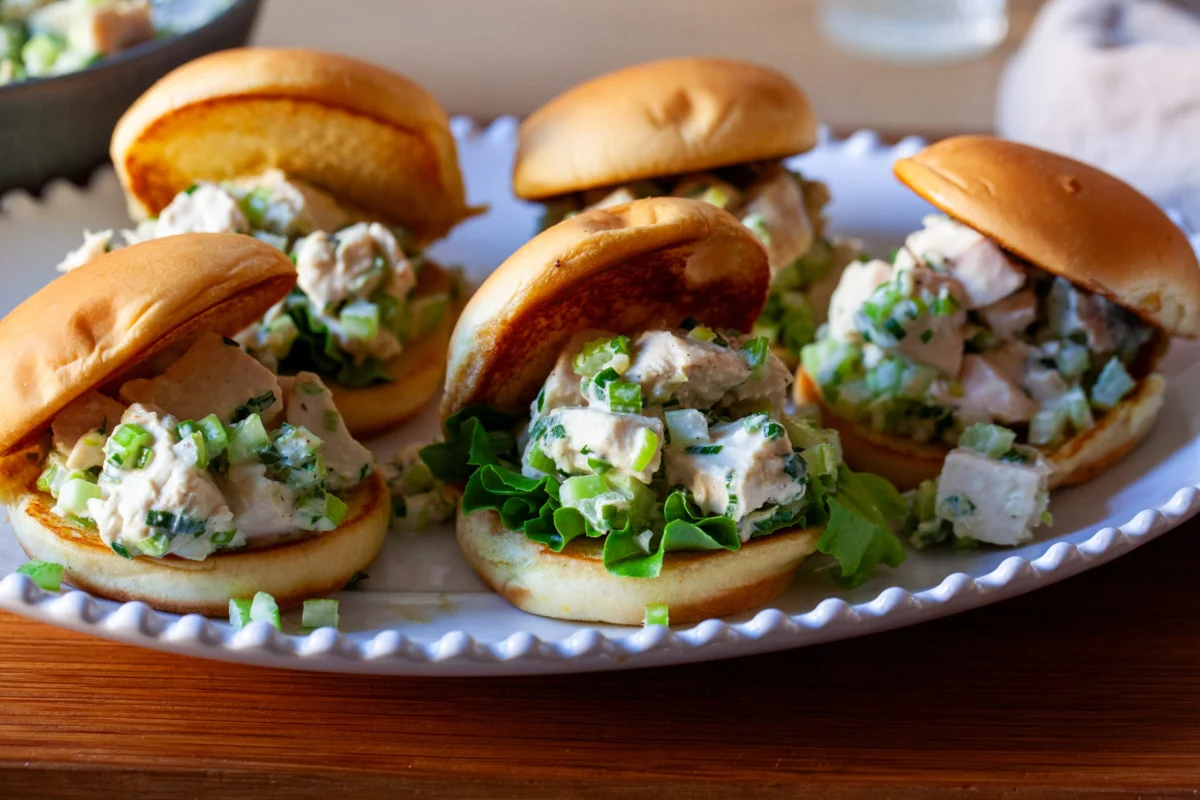
In the culinary world, few dishes are as deceptively simple—or as frequently misunderstood—as chicken salad. It is a staple of deli counters, picnic baskets, and office luncheons, yet it remains a dish fraught with controversy. For many, it is a source of "trust issues," a haphazard mixture of mystery-meat remnants, cloying mayonnaise, and polarizing add-ins like grapes or raisins. However, a new movement in home cooking is re-evaluating this classic, arguing that when treated with intention, chicken salad can be a sophisticated, textural triumph. At the heart of this revival is a firm commitment to high-quality ingredients and a rejection of the "anything goes" approach to preparation.
The Foundation: Why Ingredients Matter
The common pitfall of chicken salad lies in the provenance and preparation of the protein. Modern convenience often dictates the use of pre-cooked rotisserie chickens or boneless, skinless breasts, both of which frequently result in a dry, lackluster final product. Culinary experts argue that the superior method involves roasting bone-in, skin-on chicken breasts.

The rationale is rooted in moisture retention and flavor depth. Bone-in cuts provide a natural shield against the drying heat of the oven, resulting in a succulent texture that simply cannot be replicated by faster, leaner alternatives. By roasting the chicken with olive oil, salt, and pepper, the home cook creates a foundation of flavor that "wires" the seasoning directly into the meat before any binder is introduced. Furthermore, the practice of reserving the pan drippings—the concentrated essence of the roasting process—and folding them back into the diced meat provides an umami boost that renders store-bought versions obsolete.
Chronology of the Perfect Preparation
To achieve the ideal texture, the process must be deliberate, moving away from the "dump and stir" mentality.

- The Roast: Preheat the oven to 350°F (176°C). Season the breasts generously and roast for 40–45 minutes, or until the internal temperature reaches a safe 150°F–155°F (65°C–68°C). The meat must cool to room temperature before further processing; cutting hot chicken leads to a breakdown of fibers and a mushy consistency.
- The Cube: Dice the chicken into uniform 3/4-inch pieces. This size is critical; it ensures that every bite provides a substantial mouthful of protein while allowing the vegetables to integrate seamlessly.
- The Seasoning: Immediately season the cubed meat with salt and pepper, adding the reserved pan juices. This step is non-negotiable for those seeking a high-quality result.
- The Integration: Incorporate the aromatics—specifically finely minced scallions—followed by a light coating of Dijon mustard. The mustard acts as a flavor bridge before the mayonnaise is introduced.
- The Emulsion: Fold in the mayonnaise judiciously. The goal is a light coating, not a "pond" in which the chicken wades.
Supporting Data: The Case for the "Celery-Forward" Philosophy
Perhaps the most polarizing element of this refined approach is the ratio of celery. Conventional recipes often treat celery as an afterthought, providing a meager crunch. However, the current trend favors a 50/50 ratio of chicken to celery.
From a culinary standpoint, this creates a dynamic contrast. Chicken is inherently soft and rich, while celery provides a crisp, refreshing, and vegetal counterpoint that cleanses the palate between bites. For those who view chicken salad as a heavy, indulgent affair, this adjustment transforms the dish into a vibrant, textural experience. It shifts the profile from a dense spread to a crisp, layered salad that maintains its integrity even when served on toasted rolls.

The Crispy Skin Innovation: Culinary Upcycling
One of the most innovative suggestions in modern chicken salad preparation is the repurposing of the chicken skin. Rather than discarding it, many chefs are now treating it as a gourmet garnish. By flattening the skin on a baking sheet and roasting it at a high temperature (400°F) for 5–10 minutes, the cook produces a "nature’s potato chip" equivalent.
When cut into strips and used to top a slider, this addition provides a necessary structural contrast—a shatteringly crisp element against the soft chicken and the crunch of fresh lettuce. It is a technique that elevates a humble lunch item into a dish with high-end, restaurant-quality characteristics.

Official Perspectives: The Philosophy of the "Mayo Meter"
The "Mayo Meter" remains the most contentious topic in the chicken salad debate. Critics of standard deli-style salads point to the excessive use of binders as a cover for inferior chicken quality. The consensus among professionals is that mayonnaise should function as a structural glue, not a primary ingredient.
By balancing the tang of Dijon mustard with the richness of high-quality mayonnaise, the cook creates a nuanced sauce that enhances rather than masks the flavor of the protein. The addition of minced scallions provides a subtle, sweet onion profile that avoids the aggressive pungency of raw red or white onions, which can overpower the delicate notes of the roasted chicken.

Implications for Modern Dining
The shift toward deliberate, home-prepared chicken salad speaks to a broader cultural movement. As people spend more time curating their home environments, from the interest in backyard beekeeping to the quest for the perfect pillow, the kitchen has become a space for the articulation of personal values.
The "Chicken Salad for Celery Enthusiasts" model implies that food is a vehicle for identity. By taking a dish that is often dismissed as a utilitarian lunch and applying a rigorous set of standards to it, the cook claims ownership over their dining experience. The use of slider rolls, lightly buttered and toasted in a skillet, further underscores this: it is a rejection of the sad, soggy sandwich in favor of a curated, satisfying meal.

Conclusion: A New Standard
The implications of this movement are clear: consumers are no longer satisfied with the generic, pre-packaged versions of comfort food. There is a growing demand for transparency in ingredients and a desire for structural integrity in texture. Whether it is the inclusion of the crispy chicken skin or the unwavering commitment to a heavy celery ratio, these specific preferences serve as a template for what is possible when a simple dish is treated with respect.
For those ready to move past their "trust issues" with chicken salad, the path is clear: roast your own birds, honor the celery, and keep the mayo in check. In doing so, you move beyond mere sustenance into the realm of a truly crafted, intentional culinary experience. It is a reminder that even the most common dishes can be elevated, provided one is willing to apply a little bit of science, a little bit of artistry, and a lot of crunch.

 Ammar Sabilarrohman
 Nana Muazin