
 Dwi Wanna
 Nana Wu
 Muslim
 Reynand Wu
 Ammar Sabilarrohman
 Basiran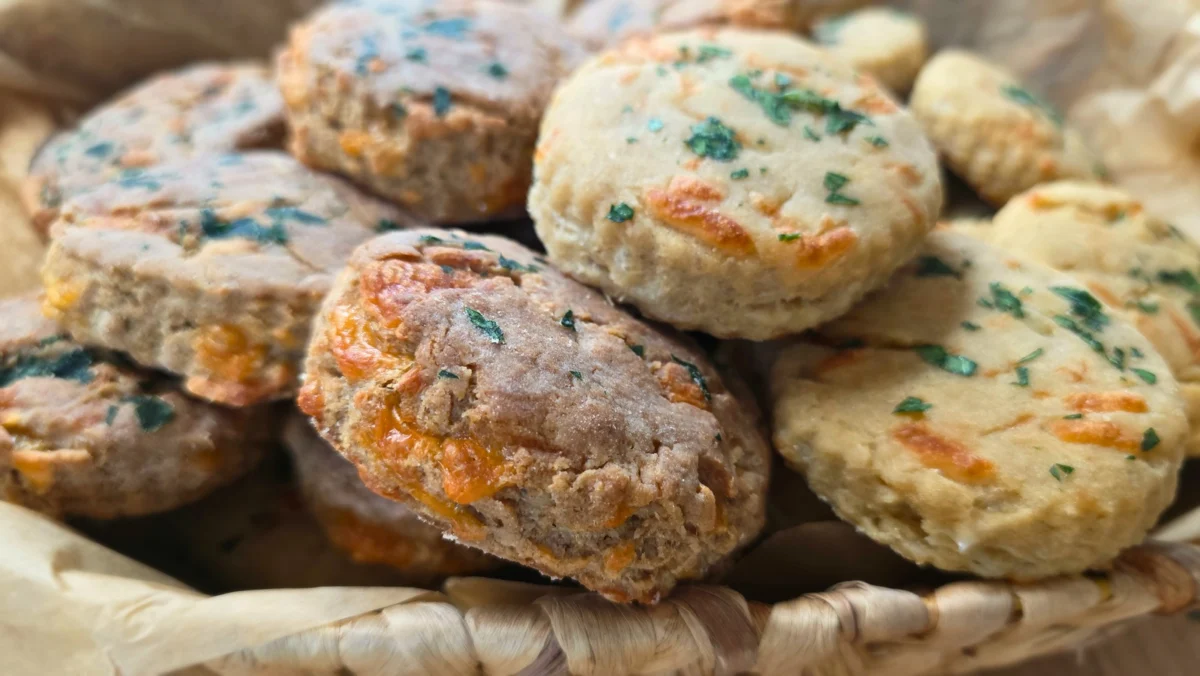
In the landscape of American dining, few things are as polarizing, comforting, and quintessentially debated as the "free bread" basket. It is a gesture that transcends mere sustenance; it is a signifier of hospitality, a prelude to a meal, and, according to a recent, spirited deep dive on the Sporkful podcast, a subject worthy of serious critical analysis.
Host Dan Pashman recently invited The Atlantic journalist Caity Weaver to dissect the phenomenon of complimentary restaurant bread. The conversation, which balanced humor with genuine culinary heart, sparked a national dialogue about whether bread—a labor-intensive product requiring skilled hands and high-quality ingredients—should ever truly be "free."
The Economics of "Free" Hospitality
The internal struggle regarding the value of bread is one that resonates with professional bakers and home cooks alike. While the consumer perceives a basket of warm rolls or sourdough slices as a gift, the reality is that the cost of such items is almost always baked into the overhead of the establishment, subtly redistributed across the final bill.
However, when viewed through the lens of hospitality, the "free" basket serves a higher purpose. It is a gesture of welcome—a tactile bridge between the kitchen and the diner. As Weaver explored during her quest to find the best restaurant bread in America, the quality of this introductory offering often dictates the diner’s expectations for the meal to follow. Whether it is a rustic loaf with a crackling crust or a soft, buttery roll, the bread basket sets the stage.
Chronology of a Culinary Quest
The quest for the definitive "best" bread began as a journalistic exploration but quickly evolved into a cultural study. Weaver’s journey took her across the country, evaluating everything from high-end artisan bakeries to the standardized, high-volume output of national chains.
The Rise of the Chain Legend
One of the most debated contenders in Weaver’s search was the iconic Red Lobster cheddar bay biscuit. Interestingly, a common misconception—that these biscuits derive their savory depth from Old Bay seasoning—was soundly debunked. The biscuit’s flavor profile is a carefully balanced composition of sharp cheddar, garlic, and butter, achieving a level of ubiquity that few other restaurant staples have managed to replicate.

The Search for the "Gold Standard"
The ultimate victor in Weaver’s exhaustive search was the rustic cranberry walnut bread served at Stephen Starr’s establishments, specifically Le Diplomate in Washington, D.C., and Parc in Philadelphia. The success of this bread is not accidental. Parc has publicly noted that they serve nearly half a million dollars’ worth of this specific bread annually. This staggering figure highlights the sheer scale of the investment some restaurants are willing to make to provide an unparalleled dining experience.
Supporting Data: The Anatomy of a Biscuit
Following the podcast, interest in recreating these restaurant favorites at home reached a fever pitch. For the home baker, the challenge lies in capturing that specific "restaurant-style" texture while perhaps elevating the nutritional profile.
In a recent experiment, I set out to create a whole wheat version of the cheddar bay biscuit. By utilizing heritage wheats like Khorasan and Yecora Rojo, the resulting biscuits moved away from the processed, bleached-flour standard and into the realm of nutrient-dense, flavorful artisan goods.
The Methodology of Home-Baked Biscuits
The beauty of the cheddar bay biscuit lies in its accessibility. While I utilized a biscuit cutter to achieve a uniform, professional appearance, the dough’s inherent characteristics make it a prime candidate for the "drop biscuit" method. This technique—simply scooping portions of dough onto a baking sheet—preserves the rustic, craggy edges that trap butter and garlic topping.
Key observations during the testing phase included:
- Wheat Varietals: Both Khorasan and Yecora Rojo performed admirably, proving that "copycat" recipes don’t have to rely on commodity flour to succeed.
- The Sourdough Variable: For those maintaining a sourdough starter, the discard can be seamlessly integrated into the recipe. By replacing a portion of the flour and buttermilk with 100g of active discard (50g flour/50g water), the biscuit gains a subtle, complex tang that complements the sharp cheddar.
Official Perspectives on the "Bread Gap"
The conversation surrounding bread in restaurants is ultimately a conversation about the value of labor. Chefs and restaurateurs argue that the bread program is often the first thing cut when margins tighten, yet it remains the most memorable part of the guest experience.

When a restaurant like Parc commits $500,000 annually to a bread program, they are not just providing food; they are providing a brand identity. This "bread-first" approach has become a hallmark of the Starr Restaurant Group’s success, proving that when the quality of the complimentary bread is high enough, it acts as a primary driver for repeat business.
Industry analysts suggest that this trend is pushing mid-range restaurants to reconsider their own bread service. In an era where "fast-casual" is the dominant growth sector, the presence of house-made bread has become a significant differentiator.
Implications for the Modern Kitchen
The implications of this movement are twofold: first, the elevated standard of restaurant bread is forcing consumers to expect more from their home kitchens. Second, the home-baking community is becoming increasingly sophisticated, demanding recipes that incorporate heirloom grains and fermentation techniques.
Recreating the Excellence
If you are inspired to replicate these restaurant-quality results, consider these three pillars of success:
- Prioritize Freshness: The "Cheddar Bay" profile relies on the interplay between fat and aromatics. Using high-quality unsalted butter and freshly shredded sharp cheddar is non-negotiable.
- Embrace Heritage Grains: As demonstrated by the test with Khorasan and Yecora Rojo, modern whole wheats provide a depth of flavor that standard all-purpose flour cannot match.
- Use Your Discard: Sourdough discard is a valuable ingredient that adds moisture and a subtle depth of flavor. If you have a starter, integrate it into your biscuit dough to add a professional, fermented complexity.
Resources for the Home Baker
For those looking to explore the world of rustic, fruit-and-nut breads that won the top spot in Weaver’s quest, several established resources provide a roadmap:
- Whole Grain Cranberry Walnut Sourdough: A balanced, hearty loaf that mimics the artisan style of Le Diplomate.
- Sourdough Fruit and Nut Rolls: Ideal for those who prefer the individual portion size of a dinner roll.
- No-Knead Variations: For the baker who values convenience without sacrificing the structural integrity of a long-fermented loaf.
Conclusion
The quest for the "best" free bread in America is more than just a search for a tasty snack. It is a celebration of the craft of baking, a testament to the importance of hospitality, and a reminder that even the simplest ingredients—flour, water, salt, and yeast—can, with enough care, become a cornerstone of our culinary culture. Whether you are visiting a storied institution like Parc or firing up your own oven to experiment with sourdough discard, the message is clear: bread is not just a filler; it is the soul of the meal.

 Nana Muazin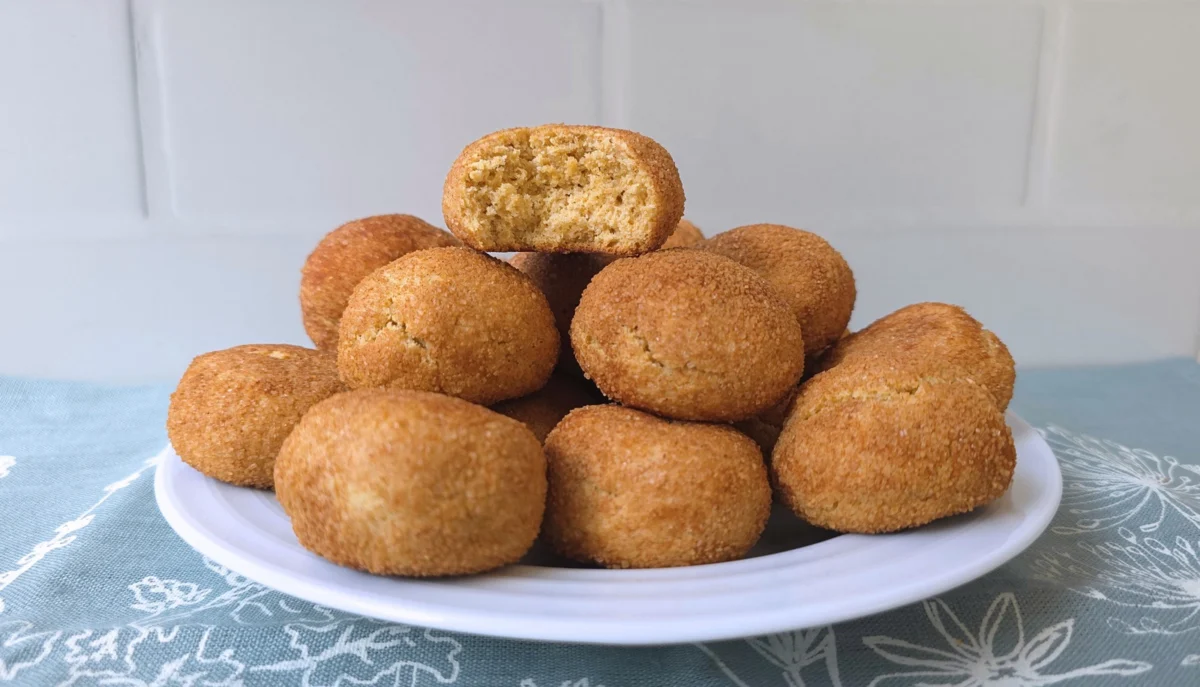
 Evan Lee Salim