

 Ali Ikhwan

 Iffa Jayyana

 Muslim

 Nana

 Dwi Wanna
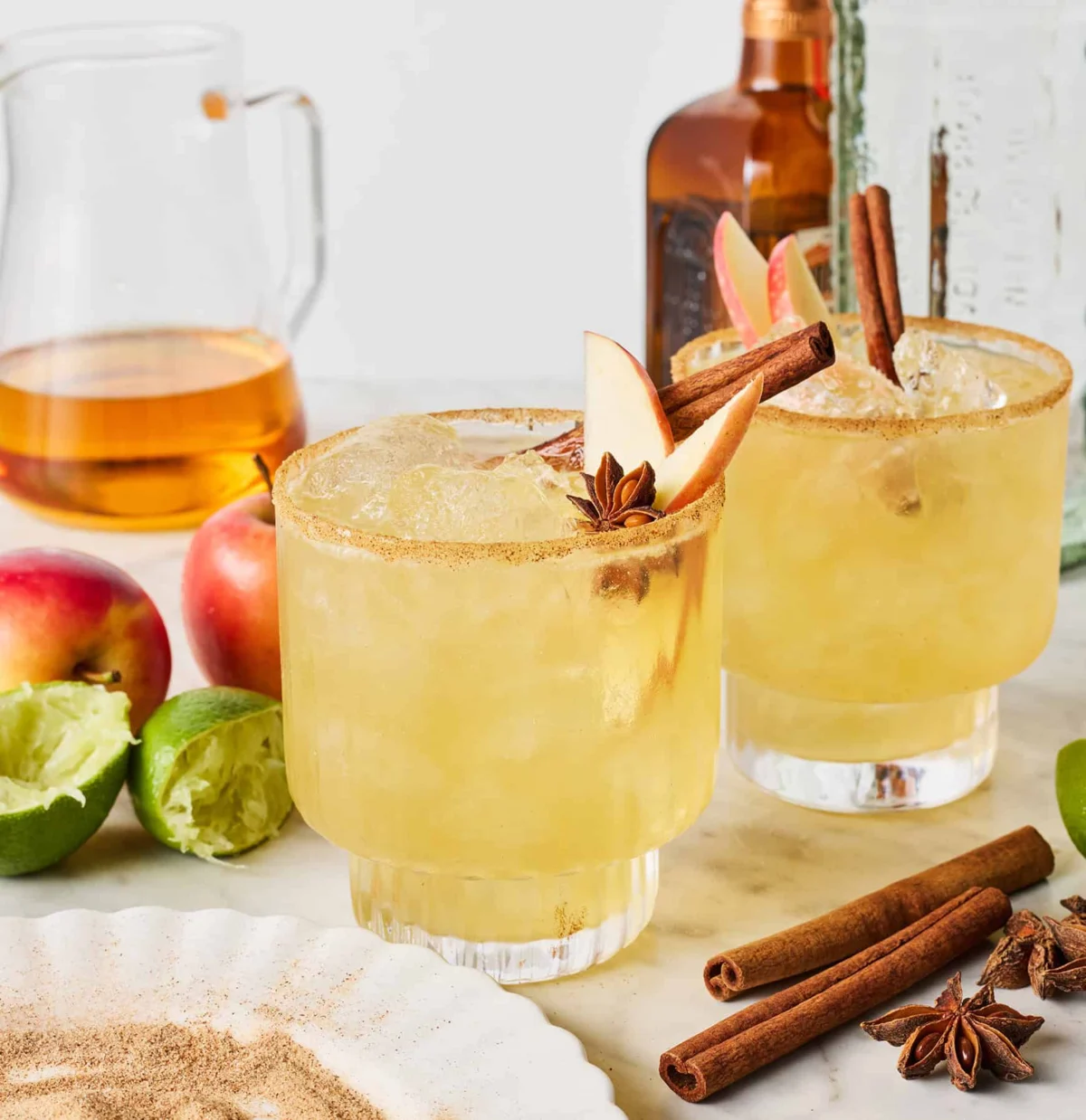
As the sweltering heat of summer gives way to the crisp, golden hues of autumn, the culinary world undergoes a distinct transition. While traditionalists reach for warm, spiced beverages like mulled wine or a classic hot toddy, a growing contingent of home bartenders and professional mixologists is proving that the spirit of the season doesn’t always require a heated mug. Enter the Apple Cider Margarita: a vibrant, refreshing, and deceptively simple cocktail that bridges the gap between summer’s bright acidity and autumn’s cozy, earth-toned flavors.
This cocktail is rapidly gaining traction as the quintessential drink for fall gatherings, from casual backyard fire pits to formal Thanksgiving dinner tables. By subverting the classic margarita formula, it offers a sophisticated profile that appeals to those who crave the spirit of the harvest without sacrificing the refreshing zest of a citrus-forward drink.
Main Facts: The Anatomy of a Perfect Fall Margarita
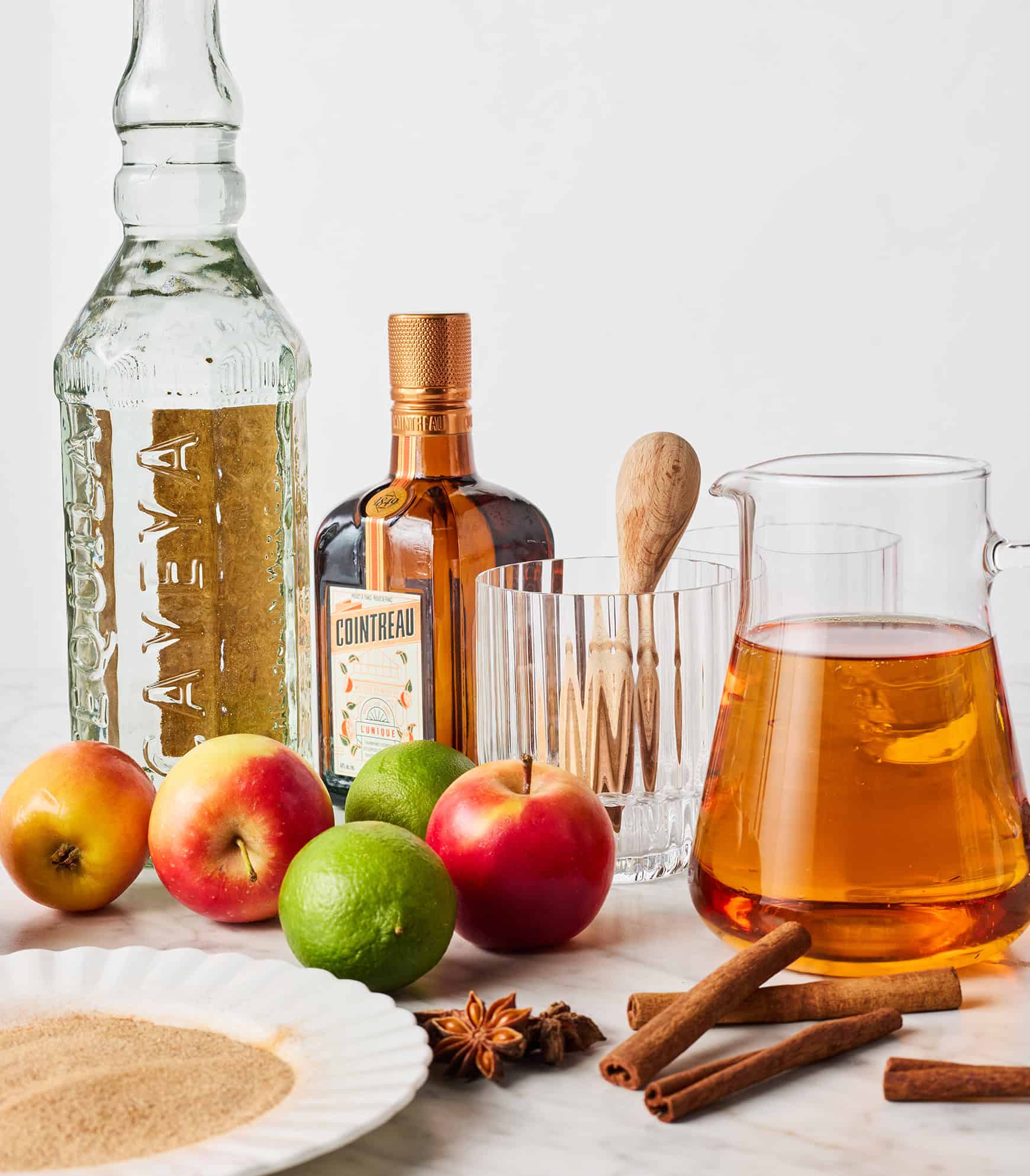
The appeal of the Apple Cider Margarita lies in its minimalist architecture. At its core, it is a four-ingredient masterpiece: high-quality apple cider, premium tequila, a vibrant orange liqueur, and fresh-squeezed lime juice.
The brilliance of the recipe is its balance. A traditional margarita relies on the sharp, tart snap of lime juice to cut through the richness of agave spirits. By substituting or augmenting the traditional triple sec or agave syrup with the complex, naturally sweet-tart profile of apple cider, the drink transforms. The cider provides a mellow, autumnal backbone that pairs harmoniously with the vegetal notes of tequila, while the lime juice keeps the palate clean and refreshed.
The Ingredients:
- Apple Cider: The soul of the drink. Whether you opt for a clear, filtered variety or a rustic, unfiltered cider from a local orchard, this ingredient dictates the final depth of the cocktail.
- Tequila: A high-quality silver or reposado tequila works best. Silver provides a crisp finish, while reposado adds a hint of oak and vanilla that complements the cinnamon notes often used in the garnish.
- Orange Liqueur: Whether it is Cointreau, Triple Sec, or Grand Marnier, this element provides the necessary citrus bridge between the tequila and the cider.
- Fresh Lime Juice: Non-negotiable. Bottled lime juice lacks the essential oils and brightness required to lift the heavier apple notes.
A Chronology of the Seasonal Shift
The rise of the Apple Cider Margarita follows a broader trend in mixology: the "seasonalization" of classic cocktails. Historically, the margarita was pigeonholed as a warm-weather, beach-side beverage. However, the last decade has seen a movement toward incorporating produce-driven, farm-to-glass ingredients into year-round staples.
Early October: The Transition Phase
As the calendar turns to October, consumers in warmer climates—such as the American South and Southwest—often find themselves in a peculiar predicament. The desire for "cozy" fall flavors is strong, but the ambient temperature remains too high for heavy, steaming beverages. This period marks the "sweet spot" for the Apple Cider Margarita. It provides the psychological comfort of autumn (the taste of apples and cinnamon) while maintaining the structural integrity of a chilled, ice-laden drink.
November: The Holiday Integration
By the time the holiday season arrives, the cocktail shifts from a casual afternoon drink to a centerpiece of communal dining. Its ease of scaling makes it an ideal "batch" cocktail. Unlike complex craft drinks that require individual preparation, the Apple Cider Margarita can be pre-mixed in a pitcher, allowing hosts to spend less time behind the bar and more time with their guests.
Supporting Data: Why This Cocktail Works
The popularity of this drink is backed by both sensory science and market demand for lower-ABV-style, fruit-forward cocktails.
The Flavor Profile
When analyzed, the drink hits three primary sensory markers:
- Acidity: Provided by the lime juice and the malic acid naturally found in apples. This stimulates the salivary glands, making the drink feel refreshing rather than cloying.
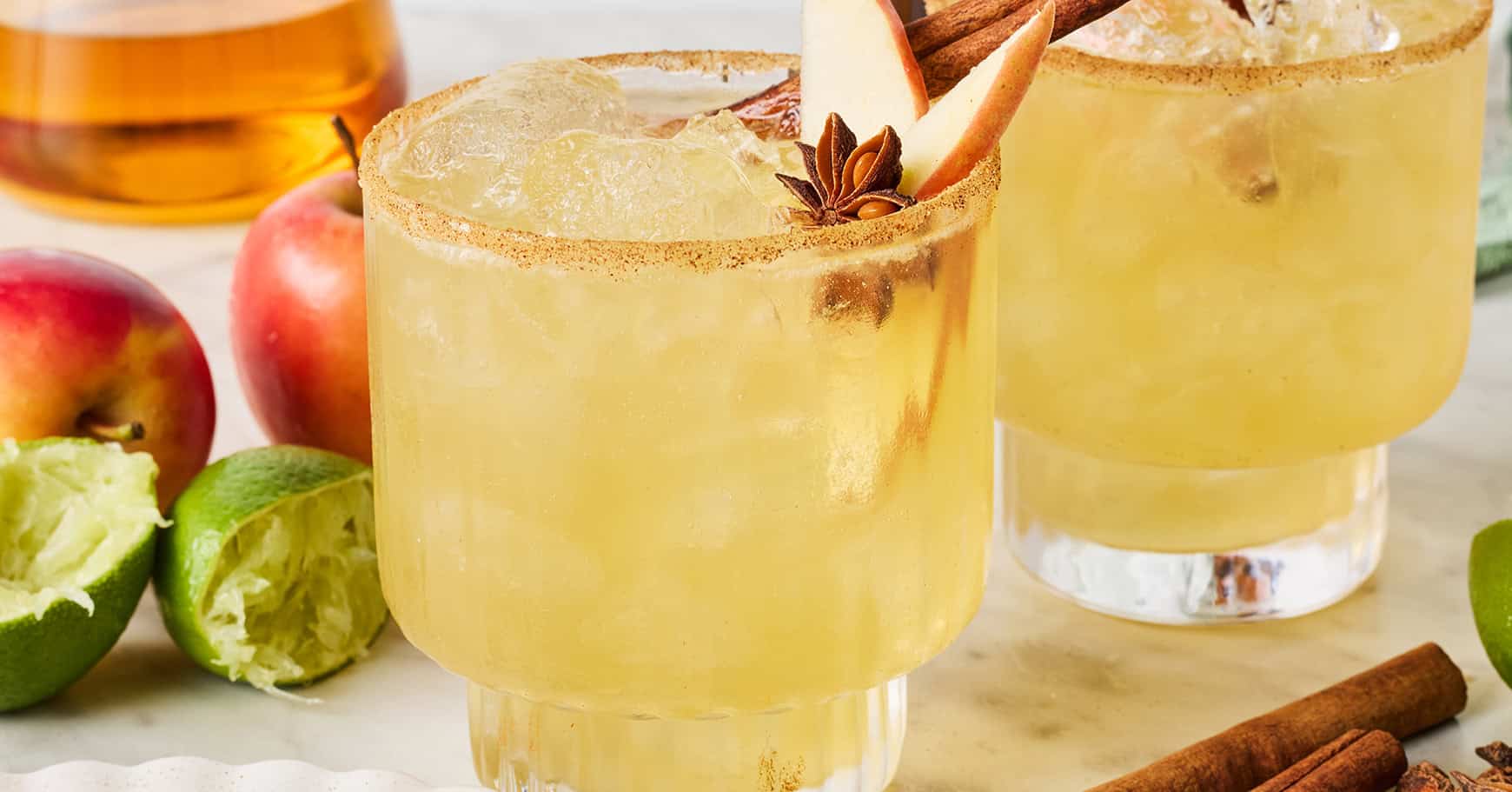
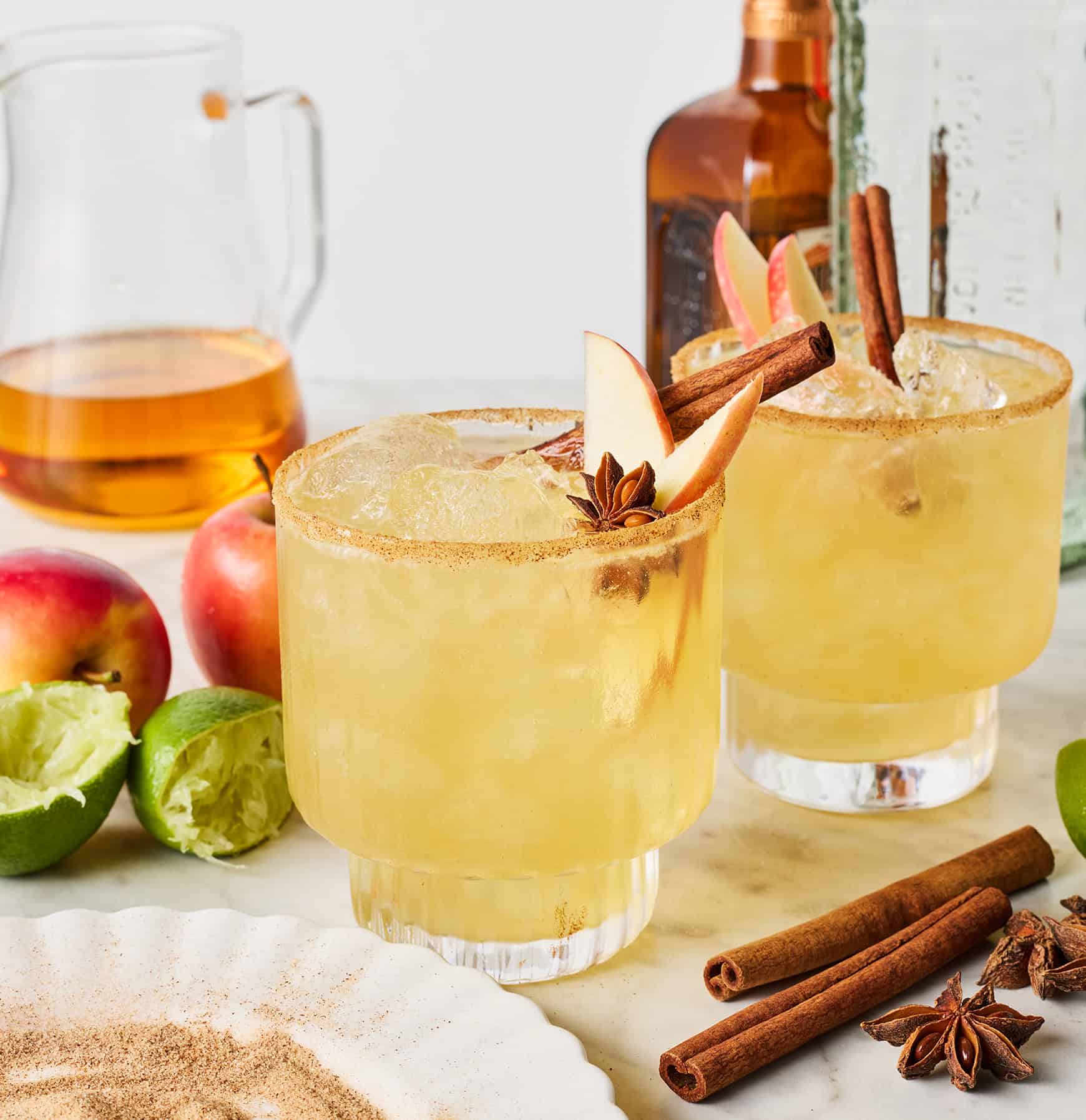
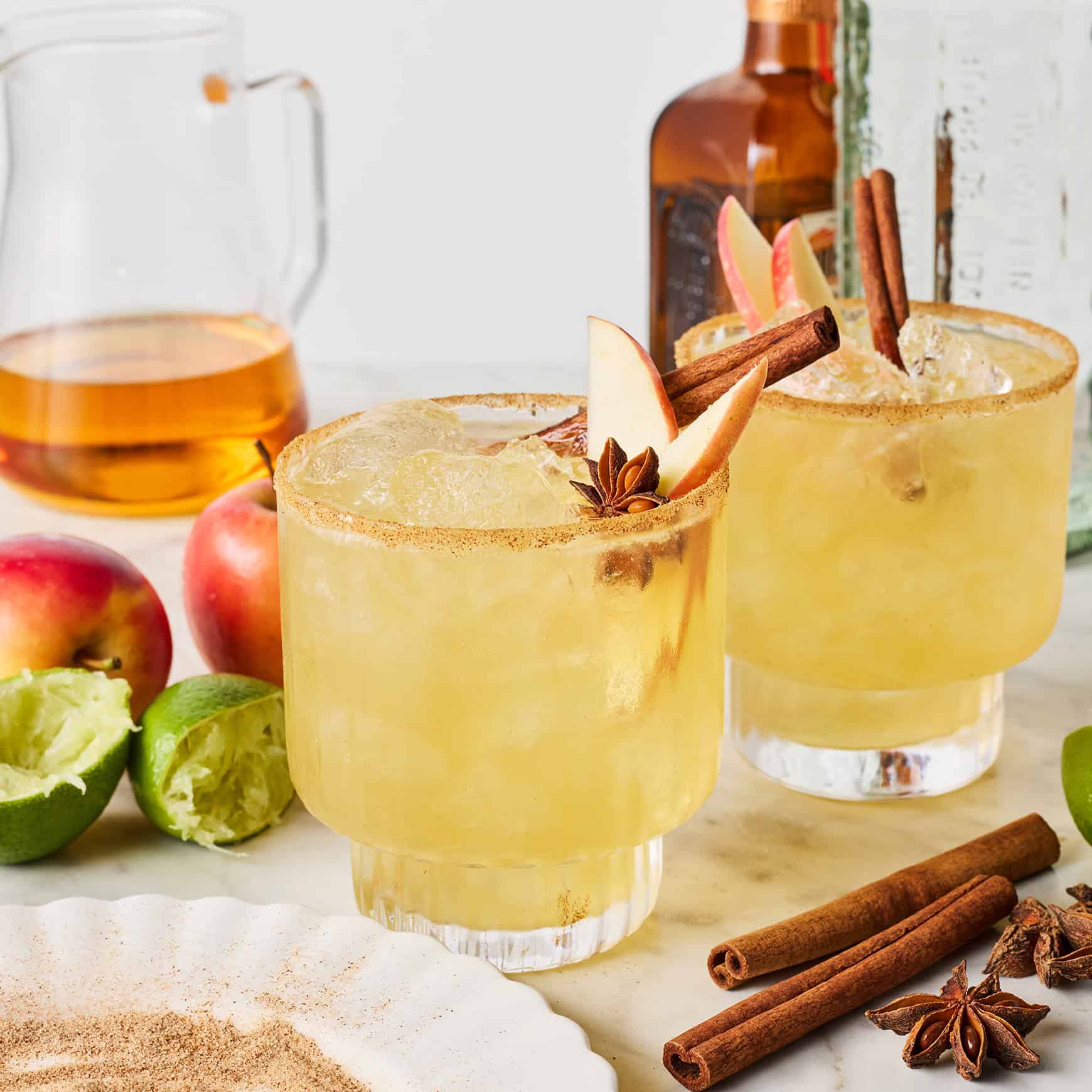
- Complexity: The use of garnishes—cinnamon sticks, star anise, and a cinnamon-sugar rim—adds an olfactory dimension. Because a significant portion of "flavor" is actually aroma, the scent of cinnamon hitting the nose before the first sip primes the brain for a "cozy" experience.
- Visual Appeal: The deep, amber hues of apple cider offer a visual contrast to the neon-green expectations of a traditional margarita, signaling to the consumer that they are participating in a seasonal ritual.
Nutritional Context
For the health-conscious consumer, the Apple Cider Margarita is a moderate option. At approximately 183 calories per serving, it avoids the heavy cream or thick syrups found in many other fall-themed cocktails (like eggnog or buttered rum). With minimal sodium and fats, it remains a clean, ingredient-focused beverage.
Official Perspectives: Expert Tips for the Home Bartender
Industry experts and professional mixologists consistently emphasize that the success of this cocktail depends on one variable: the quality of the cider.
"When you are working with a four-ingredient drink, you cannot hide behind mixers," says one industry consultant. "If you use a generic, sugar-loaded commercial apple juice, the drink will fall flat. You need the crisp, unfiltered juice that has a slight cloudiness. That is where the depth is."
Professional Best Practices:
- The Rim: The cinnamon-sugar rim is not just aesthetic. It provides a tactile, sensory contrast. The sweetness of the sugar hits the tongue first, tempering the initial sourness of the lime.
- Temperature Control: Because the drink is shaken with ice, dilution is a factor. Professionals recommend using large-format ice cubes in the shaker to ensure the drink chills rapidly without becoming watered down.
- The Batching Method: For gatherings, mix the cider, tequila, liqueur, and lime juice in a pitcher hours in advance. Do not add the ice to the pitcher; instead, pour the chilled base over fresh ice in individual glasses. This prevents the "melt-down" effect that ruins the strength and texture of the cocktail.
Implications: The Future of Seasonal Mixology
The success of the Apple Cider Margarita signals a shift in how we approach seasonal dining. We are moving away from the "static" cocktail menu, where drinks are tied rigidly to the calendar, and toward a model of "flavor adaptation."
The Rise of the "Hybrid" Cocktail
The implication for the industry is clear: consumers are looking for ways to adapt their favorite classics to the changing environment. We are likely to see more "Margarita variants" that utilize seasonal fruits—pear, pomegranate, and cranberry—as the foundation for similar adaptations.
Cultural Connectivity
Furthermore, this recipe highlights a return to home-centric entertaining. In an era where dining out is increasingly expensive, the ability to create a high-end, "Instagrammable" cocktail at home for a fraction of the cost has high value. The Apple Cider Margarita serves as an entry point for novice bartenders; it is approachable enough to be foolproof, yet impressive enough to be served at an elegant dinner party.
Sustainability and Local Sourcing
Finally, the emphasis on local apple orchards supports regional agriculture. By encouraging consumers to seek out local, unfiltered cider, the cocktail creates a direct link between the home bar and the local farmer. This alignment with the "slow food" movement elevates the simple act of having a drink into a celebration of local harvest.
In conclusion, the Apple Cider Margarita is more than just a fleeting trend. It is a sophisticated, highly adaptable, and deeply satisfying response to the shifting seasons. Whether you are hosting a large-scale holiday gathering or simply enjoying a quiet, chilly evening on the patio, this cocktail offers the perfect balance of tradition and innovation, ensuring it will remain a staple of the autumn season for years to come.


