

 Ali Ikhwan

 Iffa Jayyana

 Muslim

 Nana

 Dwi Wanna
 Ammar Sabilarrohman
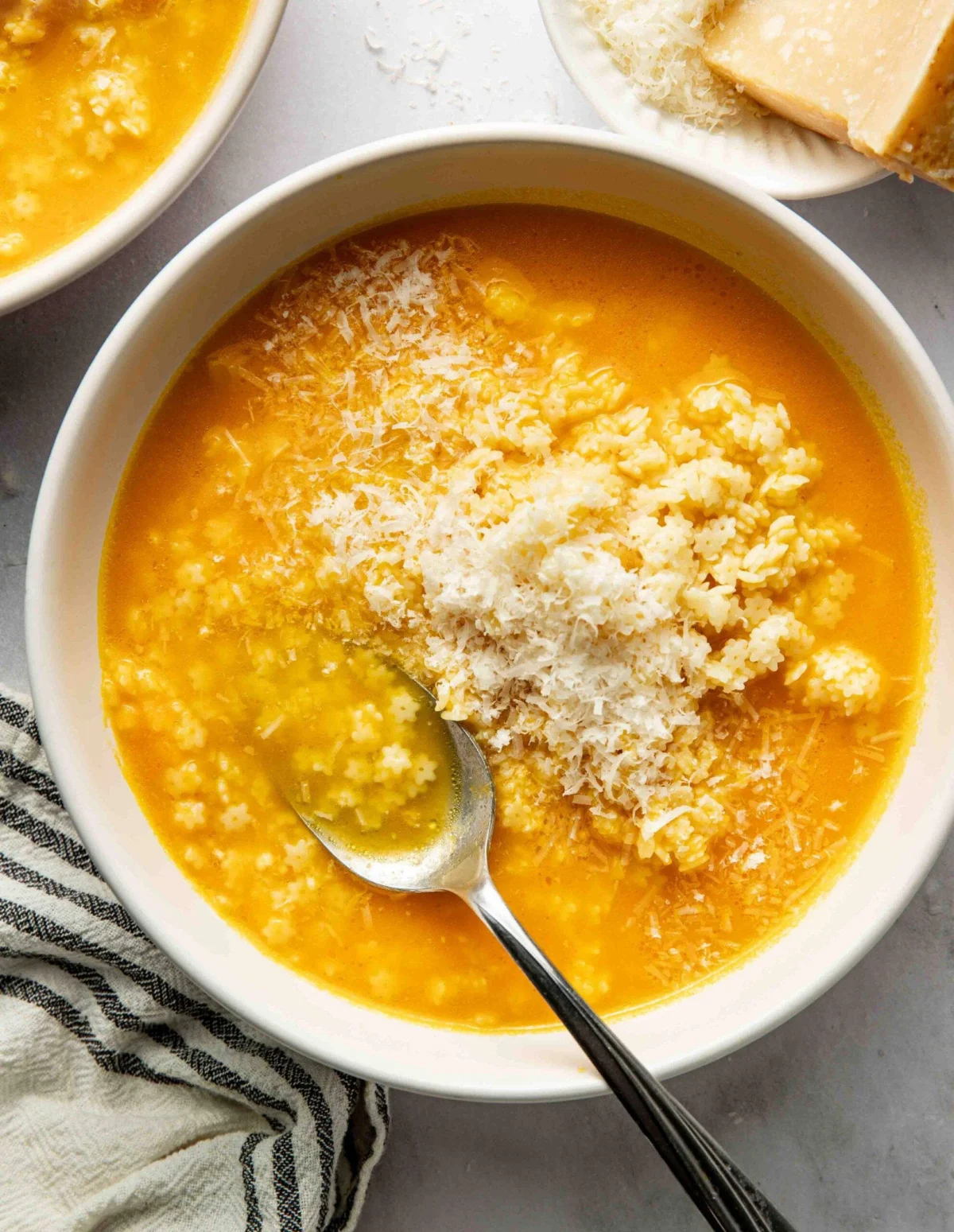
In an era of complex culinary trends and high-concept gastronomy, there is a quiet, restorative movement returning to the kitchen: the resurgence of Pastina, affectionately known as "Italian Penicillin." As seasonal illnesses sweep through households, a simple bowl of tiny, star-shaped pasta submerged in a golden, nutrient-dense broth has emerged not just as a meal, but as a cultural touchstone for comfort and recovery.
The Anatomy of Comfort: Understanding Pastina
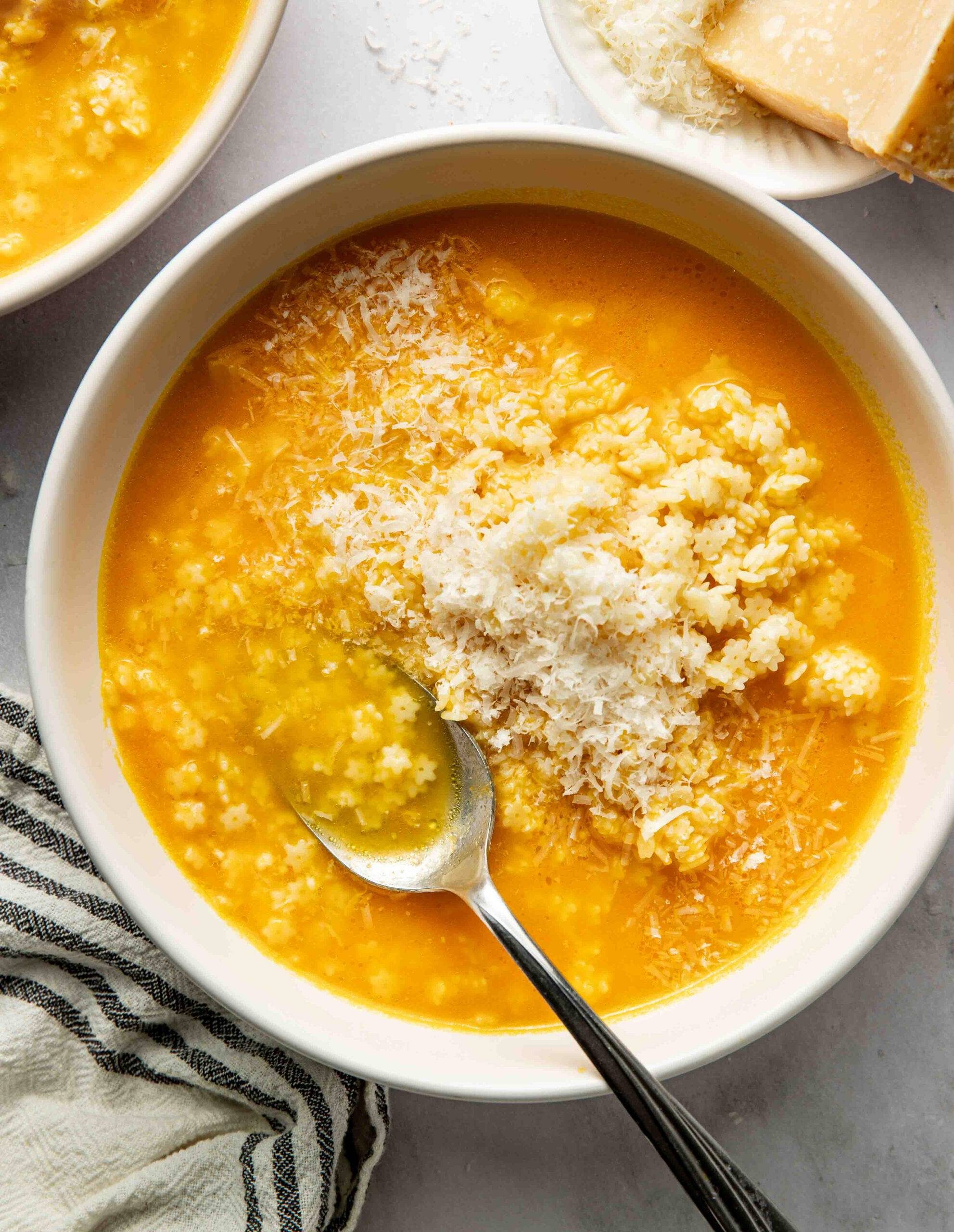
At its core, Pastina is the quintessential "nurturing food." The term refers to the smallest pasta shapes—often stars (stelline), tiny orbs, or orzo—designed to be cooked until soft and tender. When paired with a light, savory broth, it creates a dish that is easy to digest, deeply hydrating, and emotionally resonant.
The nickname "Italian Penicillin" is more than a playful moniker; it is a nod to the generational wisdom of Italian households where a bowl of hot broth was the first line of defense against the common cold or flu. While science has long touted the anti-inflammatory benefits of traditional chicken soup, Pastina elevates the concept by focusing on the broth’s clarity and the gentle, starchy comfort of the pasta. It is, by all accounts, the culinary equivalent of a warm blanket.
A Family in Recovery: The Genesis of a Craving
The recent surge in the popularity of this dish—amplified by social media platforms like TikTok and food blogs—mirrors a broader societal need for simplicity. For many, the catalyst for rediscovering this dish is personal. As one household recently discovered during a week of widespread illness, the challenge of maintaining nutrition when appetite wanes is significant.
"When I get sick, I lose two things: my appetite and my interest in cooking," says Lindsay Ostrom, a noted culinary voice who recently shared her experience with the dish. "This pastina soup truly saved us. It’s light, flavorful, and incredibly nourishing."
For families, the beauty of the dish lies in its accessibility. Children are often drawn to the whimsical star shapes, while adults find the broth to be a sophisticated, savory tonic that doesn’t overwhelm a sensitive stomach.

The Chronology of Preparation: A Masterclass in Simplicity
The process of creating "Italian Penicillin" is a meditative exercise that stands in stark contrast to the frantic pace of modern meal preparation. Unlike elaborate stews that require hours of simmering, this soup is an exercise in extracting maximum flavor from minimal ingredients.
1. The Vegetable Foundation
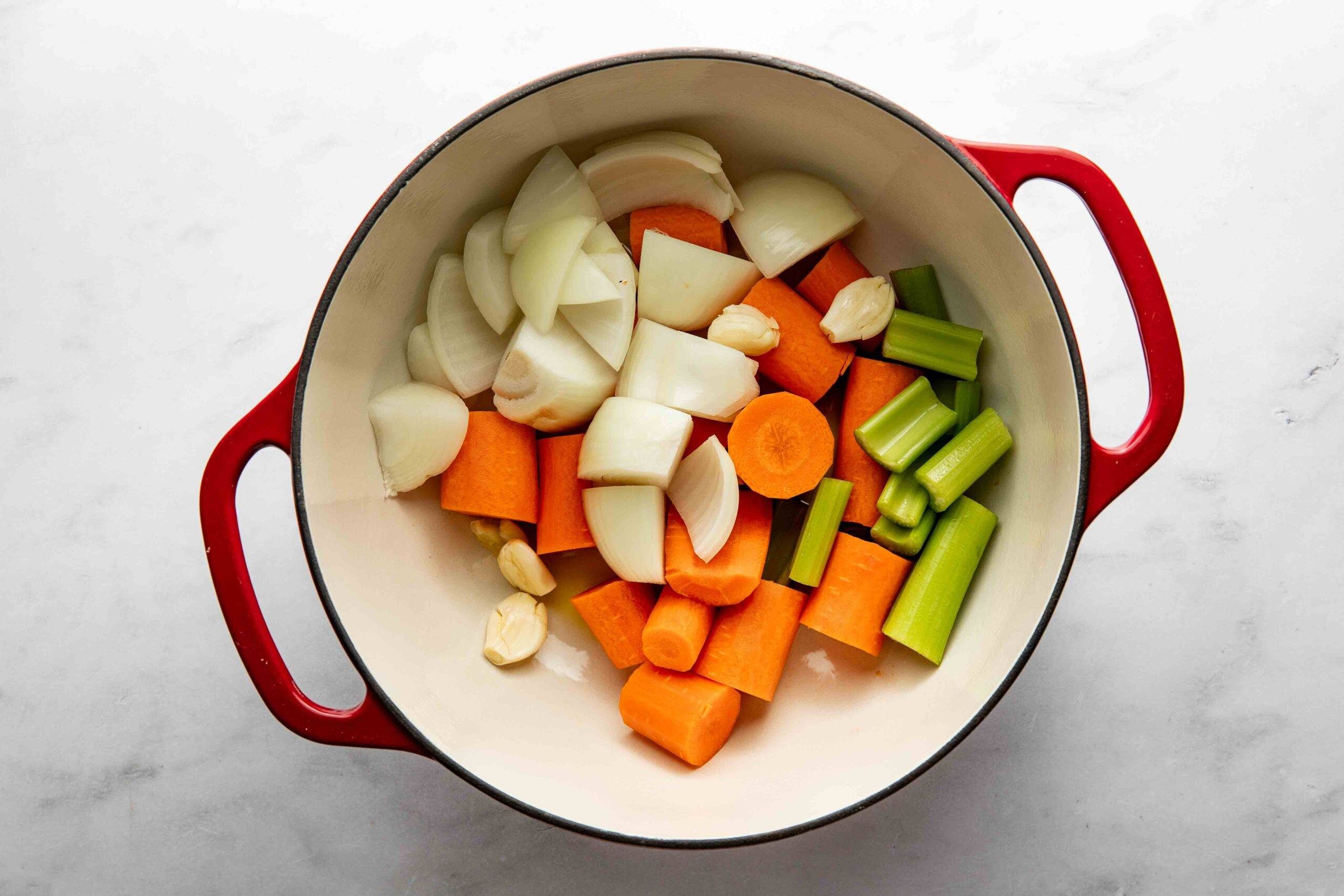
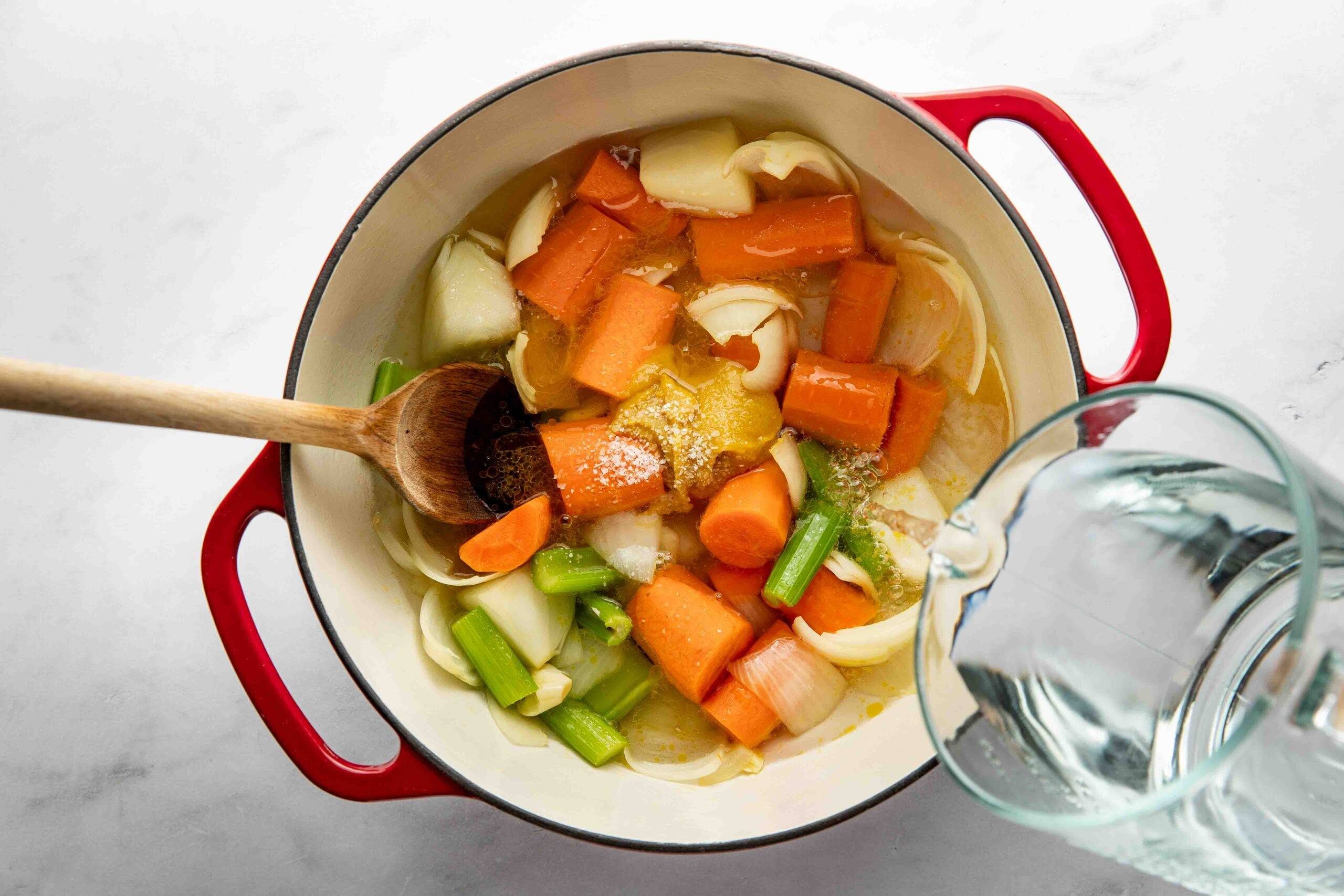
The journey begins with a base of fresh vegetables. Chefs and home cooks alike emphasize keeping these chunks large, allowing them to provide a robust flavor profile during the sautéing process. A quick sear in high-quality olive oil ensures the aromatics—onions, carrots, and celery—release their essential oils, creating a fragrant foundation.
2. The Liquid Gold
The second stage involves simmering these vegetables in a high-quality stock or water fortified with a broth base, such as "Better Than Bouillon." This is where the depth of flavor is established. The broth must be clear and light, avoiding the heavy fats or excessive seasonings that might irritate a compromised digestive system.
3. The Extraction and Blending
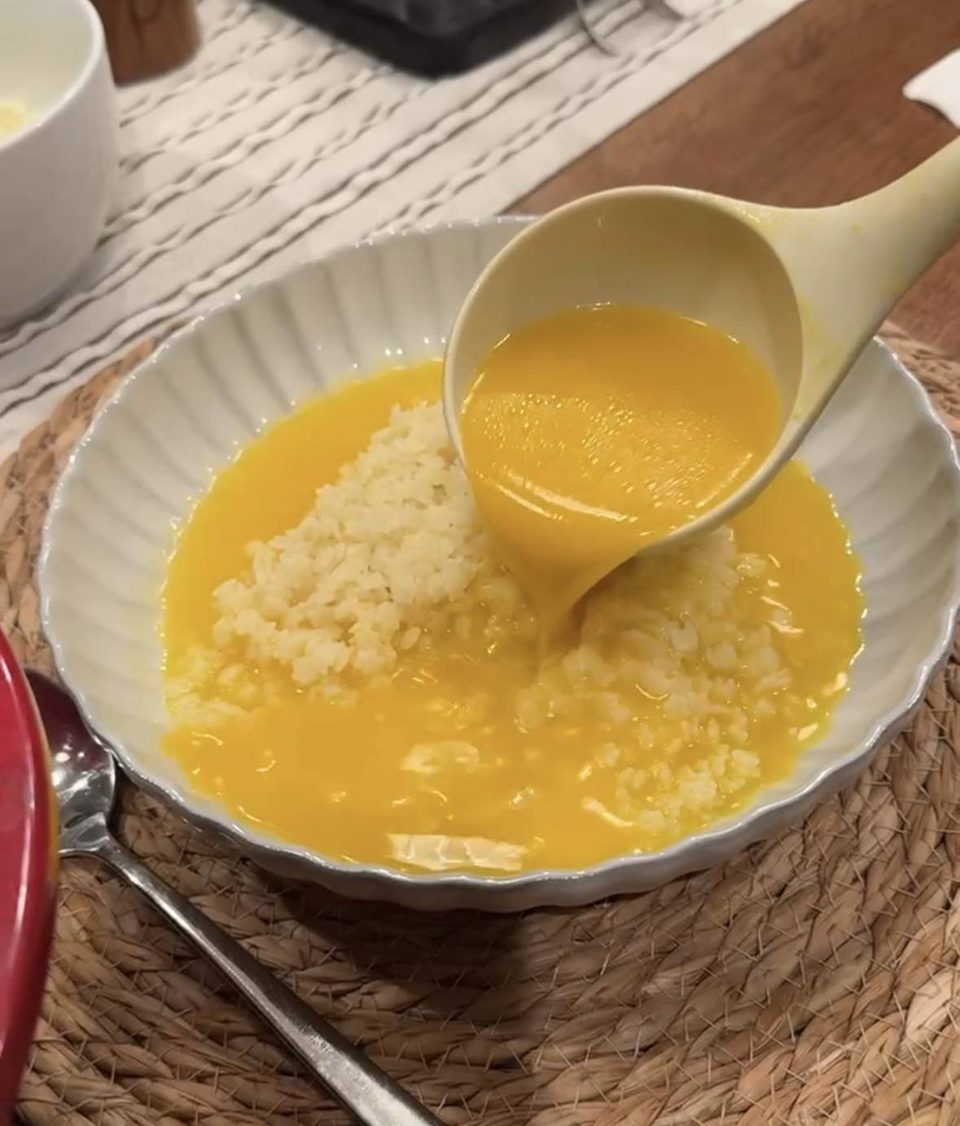
A crucial, often overlooked step involves removing the cooked vegetables once the liquid has reached its peak flavor profile. By transferring them to a blender and then reintroducing the resulting silky emulsion back into the pot, the cook creates a broth that is both vibrant in color and remarkably rich in mouthfeel without needing heavy creams or fats.
4. The Final Assembly
The final step is the union of the star-shaped pasta with the finished broth. The pastina is cooked directly in the broth or separately and added at the end, depending on preference. A generous dusting of Parmesan cheese provides the final, essential hit of umami, rounding out the profile.
Supporting Data: Why We Crave Soup During Illness
The psychological and physiological benefits of soup are well-documented. From a physiological standpoint, clear broths provide necessary electrolytes and hydration, which are critical when the body is fighting off viral or bacterial infections. The warmth of the liquid helps to loosen congestion, while the carbohydrates in the pasta provide an easy-to-absorb source of energy for the body’s immune system to function.

From a psychological perspective, soup is a "nostalgia trigger." Research in food psychology suggests that eating "comfort foods"—those associated with childhood, home, or caretaking—releases dopamine and helps lower cortisol levels. In the context of a stressful recovery period, the ritual of preparing and eating a hot bowl of soup can signal to the brain that it is time to rest and heal.
Cultural Implications and the "TikTok Effect"
The rise of Pastina in the public consciousness is a fascinating case study in how cultural traditions migrate to the digital age. What was once a private, family-held secret in Italian-American households has been vaulted into the mainstream by social media trends.
This "TikTok-ification" of comfort food has democratized the recipe. It has turned a humble, pantry-staple meal into a viral sensation, encouraging a new generation of cooks to move away from processed "sick-day" alternatives and toward home-cooked, ingredient-focused meals. This shift has significant implications for home health and wellness, as it encourages individuals to engage with the act of cooking as a form of self-care.
Expert Perspectives on Nutritional Recovery
Nutritionists often highlight that the best meals for recovery are those that the patient actually wants to eat. "When a patient is ill, the caloric intake is often low, and hydration is the primary concern," says a clinical dietitian. "A broth-based soup like this hits the trifecta: it provides hydration, essential sodium for electrolyte balance, and simple carbohydrates that are gentle on the stomach."
Furthermore, the inclusion of vegetables in the broth-making process ensures that even if the patient isn’t eating large quantities of fiber, they are still consuming the micronutrients extracted from the vegetables during the simmering and blending process.
Future Outlook: A Permanent Staple
As the seasons change and the inevitable waves of illness return, the "Italian Penicillin" method is poised to remain a permanent fixture in the modern kitchen. Its success is not built on complex techniques or rare ingredients, but on the enduring power of simplicity.
For those who have yet to incorporate this into their routine, the recommendation is clear: keep a box of star pasta in the pantry and a reliable broth base in the refrigerator. When the first signs of fatigue or illness appear, the solution is already at hand.
The enduring legacy of this dish serves as a reminder that health is not always found in a pharmacy aisle. Sometimes, it is found at the bottom of a bowl, shaped like tiny stars, served hot, and shared with those who need it most. Whether one follows the traditional techniques passed down through generations or the modern adaptations seen on social media, the outcome remains the same: a profound sense of comfort that nourishes both the body and the spirit.
Conclusion
In the final analysis, "Italian Penicillin" is a testament to the resilience of tradition. It bridges the gap between the frantic, high-pressure world of modern life and the timeless need for rest and recovery. As we continue to navigate the challenges of health and wellness, the simple, savory, and star-filled bowl of pastina stands as a beacon of home-cooked healing, proving that sometimes, the most effective remedy is also the most delicious.


