

 Dwi Wanna
 Nana Wu
 Muslim
 Reynand Wu
 Ammar Sabilarrohman
 Pevita Pearce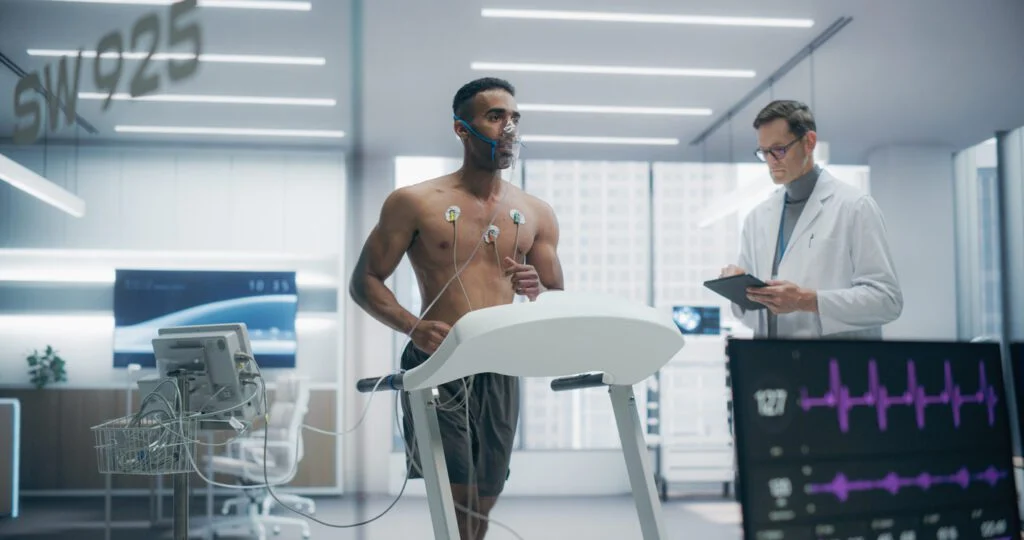
If you have scrolled through a health podcast feed or engaged with the latest wellness trends on social media, you have likely encountered the polarizing figure of Bryan Johnson. The tech billionaire, famously the subject of the Netflix documentary Don’t Die, has become the face of a modern obsession: the quest to achieve the lowest possible "biological age."
Johnson’s routine—a multi-million dollar annual expenditure involving dozens of daily supplements, hyperbaric oxygen therapy, and controversial plasma infusions—is designed to systematically reverse his cellular clock. While Johnson claims these interventions have made him 5.1 years younger, the scientific community remains deeply divided. A New York Times investigation recently challenged his metrics, suggesting that his actual biological age may have increased by a decade.
Regardless of where one stands on Johnson’s specific protocols, the "Don’t Die" crusade has triggered a broader cultural shift. "Bio age testing" is no longer the domain of eccentric billionaires; it is a booming, multi-million dollar industry. With mail-order kits promising to reveal your "pace of aging" becoming increasingly affordable, the question arises: Is this data a key to longevity, or is it merely expensive noise?
What is Biological Age?
To understand the industry, one must first distinguish between chronological and biological age. Chronological age is the simple count of candles on your birthday cake. Biological age (bio age), however, refers to how your cells are functioning relative to your years.
Consider a hypothetical scenario: Chang, a 50-year-old, lives in a polluted urban center, subsists on processed food, smokes, and leads a sedentary life. Conversely, Jabari, also 50, prioritizes strength training, eats a nutrient-dense diet, meditates, and maintains a clean environment. Even ignoring genetic predispositions, physiological markers would almost certainly label Jabari as "biologically younger" than Chang. Bio age testing attempts to quantify this difference by measuring biomarkers—measurable indicators of biological states or conditions.
The Chronology of Bio Age Science
The study of aging has evolved from simple observation to high-tech molecular analysis. Historically, health professionals relied on "macro" biomarkers: blood pressure, cholesterol levels, and blood glucose. These metrics remain the gold standard for predicting cardiovascular risk—the primary driver of premature mortality.
However, in recent decades, the science shifted to the "micro" level. Researchers began focusing on telomeres—the protective caps at the ends of chromosomes that shorten as cells divide. More recently, the focus has moved to DNA methylation, a process where chemical tags attach to DNA, altering gene expression in ways that correlate with the aging process.
In the 2010s, the development of the "Horvath Clock" and the "DunedinPACE" algorithm—tools designed for clinical research—offered a way to measure these methylation patterns. While originally intended to help scientists study the impact of environmental exposures and pharmaceuticals, these metrics have been commercialized for public consumption, spawning the current wave of "bio age" testing kits.
Supporting Data: When to Trust the Test
If you are considering a bio age test, it is crucial to understand what you are buying. Commercial tests generally fall into three categories:
1. DNA Methylation Tests
These analyze chemical changes to your DNA. While they are scientifically fascinating, they are not a substitute for a comprehensive checkup. Your liver may be aging at a different rate than your heart, and a single blood sample cannot capture the complexity of systemic aging.
2. Telomere Analysis
While "flow-FISH" testing is a legitimate medical diagnostic tool for specific genetic diseases, the "qPCR" telomere tests marketed to the public lack the same clinical rigor. They may satisfy curiosity, but they rarely offer actionable health data that should dictate your medical decisions.
3. VO2 Max Testing
Unlike abstract methylation markers, VO2 max—the maximum volume of oxygen your body can utilize during intense exercise—is a high-fidelity predictor of mortality. Studies of thousands of individuals have shown that those with higher VO2 max levels live significantly longer and have lower risks of chronic disease. While lab-based testing is the "gold standard," field tests like the 12-minute Cooper Run are highly correlated with professional results and serve as an excellent, accessible proxy for fitness-based biological age.
Five "Free" Biomarkers You Can Test Today
You do not need a laboratory to assess your trajectory. Several scientifically validated tests can be performed at home to gauge your physical resilience:
- The Sitting-Rising Test (SRT): A measure of strength and balance. If you cannot lower yourself to the floor and rise without using a hand or knee for support, it may indicate a need for improved mobility and strength training.
- Grip Strength: Often called the "vital sign" of aging. Poor grip strength is a reliable predictor of future physical decline. A simple squeeze test using a dynamometer can provide an objective metric of your muscle health.
- Balance (The One-Leg Stand): A critical test for fall prevention. Research shows that the inability to stand on one foot for 10 seconds is associated with a significantly higher risk of mortality over a seven-year period.
- Fatigability Scale: The Pittsburgh Fatigability Scale assesses how worn out you feel after daily activities. High levels of "fatigability" are an early warning sign of systemic health issues like anemia, diabetes, or cardiovascular stress.
- Body Composition (Tape Measure Method): Weight is a blunt instrument. Using a tape measure to track waist-to-hip ratios provides a much more accurate picture of metabolic health and visceral fat, which is highly correlated with inflammation.
Official Responses and Clinical Implications
The medical establishment remains cautious about the "bio-age" movement. The primary concern is that consumers may focus on proprietary, expensive "longevity protocols" while neglecting the "evergreen" fundamentals of health.
If your biomarker data shows you are "aging fast," the solution is rarely a $500 supplement stack. It is almost always a return to the basics:
- Consistency over intensity: Regular physical activity (both strength and aerobic) remains the most powerful anti-aging intervention known to science.
- Sleep hygiene: Chronic sleep deprivation accelerates cognitive decline and metabolic dysfunction.
- Dietary quality: A nutrient-dense, whole-food diet remains more effective than any "longevity pill."
The danger of commercial bio age testing lies in the "data trap." If you receive a number that makes you feel "old," you may experience unnecessary psychological stress. Conversely, a "young" score might breed complacency.
Moving Forward: From Data to Action
If you or your client decides to engage with bio age testing, treat it as a baseline, not a verdict.
- View it as a trend line: One test is a snapshot; three tests over a year are a trajectory. Use the data to see if your lifestyle adjustments are moving the needle.
- Consult a professional: Never make medical decisions based on an app or a mail-order report. Discuss your findings with a doctor who can contextualize these numbers alongside your blood pressure, family history, and current medications.
- Avoid the "Profit-Seeking Stranger": If a company sells you a test and immediately directs you to a proprietary, high-cost supplement line, approach with extreme skepticism.
Ultimately, the most effective longevity strategy is not found in a laboratory vial but in the boring, repetitive, and profoundly effective habits of daily life. The goal is not just to "not die"—it is to live with vitality. As the field of gerontology continues to advance, the best advice remains the same: monitor your health, respect the data, but never trade the fundamentals for the latest trend.
For fitness professionals, the takeaway is clear: while clients may come to you asking about the latest bio-hacking craze, your job is to guide them toward the proven pillars of sleep, stress management, and physical movement. These are the tools that solve the problems of today, ensuring that the biology of tomorrow is as robust as possible.


 Nila Kartika Wati
 Iffa Jayyana