

 Ammar Sabilarrohman
 Dwi Wanna
 Nana Wu
 Neng Nana
 Nana
Nana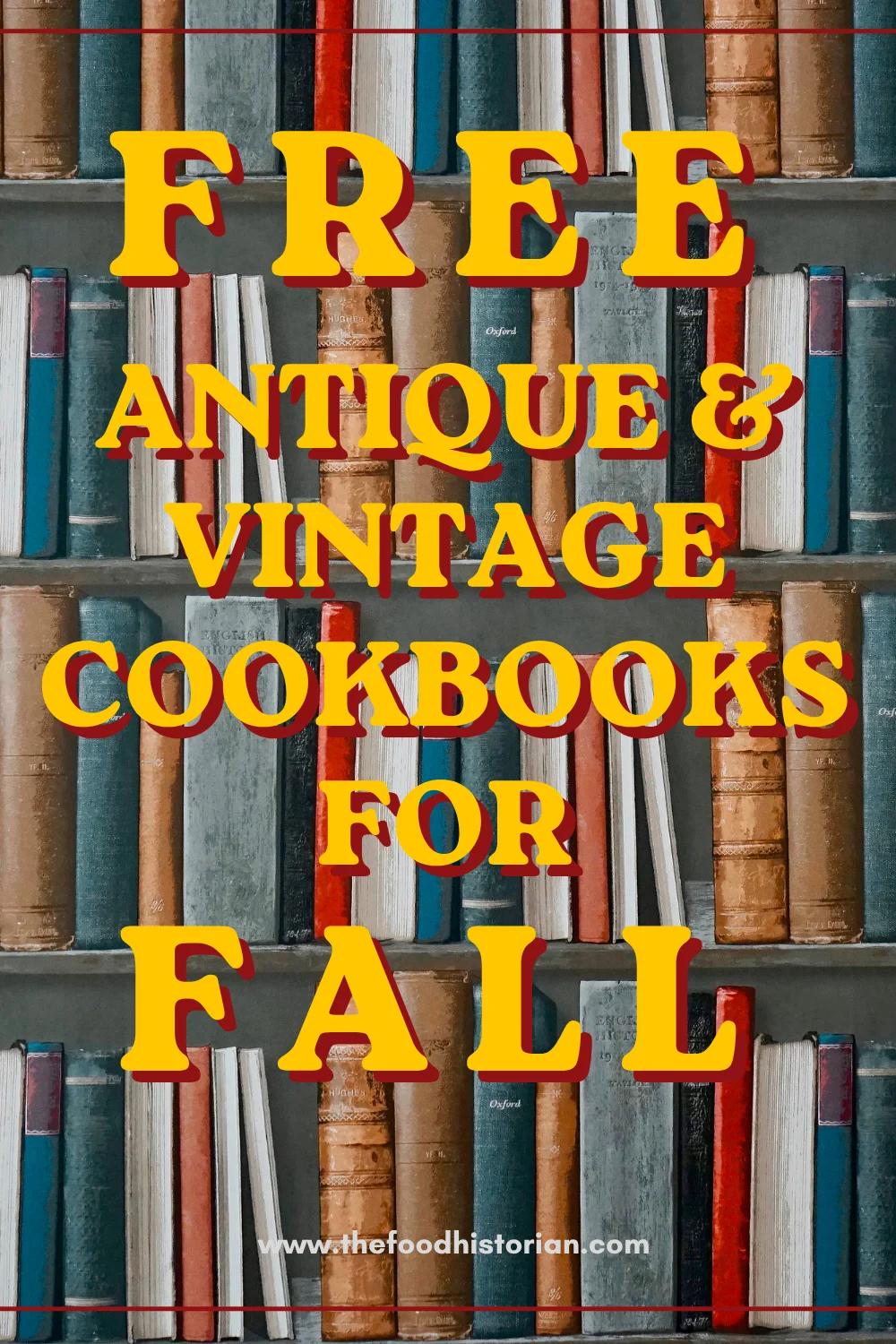
As the air turns crisp and the foliage transforms into a tapestry of burnt oranges and deep crimsons, the domestic rhythm naturally shifts. For the home cook, the transition from summer’s light, agrarian bounty to the heartier, hearth-centered fare of autumn is a ritual as old as the harvest itself. For a food historian, this season acts as a catalyst, prompting a deep dive into the digital archives of culinary history.
While modern food blogs and streaming services offer instant recipes, there is an unparalleled texture to vintage cookbooks. They are not merely collections of instructions; they are historical artifacts that document the socioeconomic anxieties, regional identities, and domestic ingenuity of generations past. This article explores a curated selection of early American and New England cookbooks, tracing the evolution of our autumnal palate from the colonial era through the mid-20th century.

The Chronology of the American Table
To understand the trajectory of American foodways, one must look at the printed word. The following selection of texts serves as a timeline of how American kitchens adapted to the changing seasons, the rise of industrialization, and the persistence of regional traditions.
1796: The Foundation – American Cookery
Amelia Simmons’ American Cookery (1796) stands as the bedrock of American culinary literature. It holds the distinction of being the first cookbook printed in the United States to utilize native ingredients such as cornmeal, pumpkin, and cranberries. For the modern reader, these recipes are challenging; they lack the precision of contemporary measurement, requiring an intuitive "seasoned" hand. Yet, they provide a vital link to the Indigenous foundations of our national diet.

1833: Frugality as Virtue – The American Frugal Housewife
Lydia Maria Child, better known for her enduring poem "Over the River and Through the Woods," was a polymath of 19th-century activism. Her work, The American Frugal Housewife, serves as a bridge between the sparse colonial diet and the burgeoning industrial era. Published as a guide for the thrifty, it emphasizes that "frugality" was not merely a financial necessity but a moral imperative.
1857: The Encyclopedic Approach – Mrs. Hale’s New Cook Book
Sarah Josepha Hale, the formidable editor of Godey’s Lady’s Book and the primary advocate for the nationalization of Thanksgiving, authored a massive, 500-page tome. Her work reflects the 19th-century obsession with European techniques—specifically French stewing—and provides a sophisticated look at the transition from "plain living" to the refined sauces and gravies that would come to define the American holiday table.

1905–1913: The Era of Specialization
As the 20th century dawned, cookbooks became more specialized. The Harvest Festival Cook Book (1905) and Lucia Gray Swett’s New England Breakfast Breads (1890/reprints) showcase a shift toward regional pride. Similarly, L. Gertrude Mackay’s 1913 masterpiece, Two Hundred and Nine Ways of Preparing the Apple, highlights the emerging field of "domestic science," where university-trained experts began to codify the best uses for specific heirloom apple varieties.
1921–1958: The Modern Seasonal Framework
In the early to mid-20th century, we see the rise of the "seasonal" cookbook. Anna B. Scott’s 1921 North American Seasonal Cook Book and the 1958 classic Rain, Hail, and Baked Beans reflect a sophisticated understanding of logistics, economy, and the cycle of the calendar, organizing the kitchen’s output to match the rhythms of nature.

Supporting Data: Culinary Techniques and Historical Context
The evolution of these cookbooks provides empirical evidence of changing domestic standards. Throughout the 19th century, there was a clear, documented anxiety regarding the healthfulness of the American diet. Mrs. Hale, for example, criticized the American tendency to boil foods into submission, contrasting it with the more "digestible" French method of slow-stewing at lower temperatures.
Furthermore, the transition of ingredients is telling. We see the slow integration of what were once considered "exotic" additions—rosewater and brandy in pumpkin pies—giving way to the more standardized, industrial-influenced recipes of the 1930s. The 1936 New England Cook Book of Fine Old Recipes by Kay Morrow is particularly significant; it was produced during the Great Depression, a time when the WPA and other organizations were desperately trying to preserve regional foodways before the homogenization of the American diet rendered them extinct.

Implications of the "Vintage" Movement
Why do we return to these texts? The resurgence of interest in vintage cooking has profound implications for modern food culture:
- Sustainability and Waste Reduction: Vintage cookbooks are masters of "nose-to-tail" and "root-to-leaf" eating. Whether it is using pulped lemon rinds in place of meat for mincemeat, or turning lackluster homemade baked beans into croquettes or soup, these texts teach the modern cook that waste is a failure of imagination.
- Regional Identity: In an era of globalized grocery stores, where strawberries are available in January, these cookbooks serve as a reminder of the "eat local" movement’s historical necessity. They reconnect the consumer to the harvest cycle of their specific geography.
- Historical Literacy: Every recipe is a window into the life of the author. Understanding that Lucia Gray Swett’s recipes originated from a family whose matriarch was born in 1789 allows the cook to experience history as a lived, sensory experience.
Expert Perspectives: The Preservation of Tradition
Food historians argue that the digitization of these archives—led by institutions like the Library of Congress, the Internet Archive, and HathiTrust—is a vital cultural project. By making these texts accessible, the barrier to entry for culinary history is lowered.

When asked about the relevance of these works, historians emphasize that these books are not just about food; they are about the sociology of the home. They track the shift of the "housewife" from a producer of goods (canning, preserving, baking bread) to a manager of household resources. The transition from the dense, text-heavy instructions of the 18th century to the more structured, ingredient-first format of the 1940s (exemplified by Ruth Wakefield’s Toll House Tried and True Recipes) mirrors the broader societal shift toward efficiency and professionalization in the domestic sphere.
Conclusion: The Kitchen as a Living Museum
The kitchen, when approached with a historical lens, becomes a laboratory for cultural preservation. As we enter the autumn season, we are invited not just to eat, but to participate in a lineage. Whether you are attempting a 1796 cornmeal recipe, testing a 1921 sweet potato bread, or simply looking for a new way to use an overabundance of pears, the digital archive offers a wealth of wisdom.

These cookbooks are waiting to be reclaimed. They offer more than just caloric sustenance; they provide a connection to the ancestors who navigated their own seasons of change, scarcity, and celebration. As the leaves turn, consider pulling a "classic" from the digital shelf. Your next great meal might just be found in the yellowed pages of a century-old ghost.
Quick Reference: Recommended Autumnal Archives
- For the Purist: American Cookery (1796) – A masterclass in early American ingredients.
- For the Thrifty Cook: The American Frugal Housewife (1833) – Essential reading for seasonal budgeting.
- For the Apple Enthusiast: Two Hundred and Nine Ways of Preparing the Apple (1913) – The definitive guide to orchard fruits.
- For the Seasonal Organizer: Rain, Hail, and Baked Beans (1958) – A masterwork of seasonal planning.
By exploring these texts, we do more than cook; we maintain the continuity of the American culinary story. Happy reading, and may your autumn kitchen be a place of discovery.

 Azzam Bilal Chamdy
 Lina Hope
