 Neng Nana
 Reynand Wu
 Ali Ikhwan
 Rifan Muazin
 Suro Senen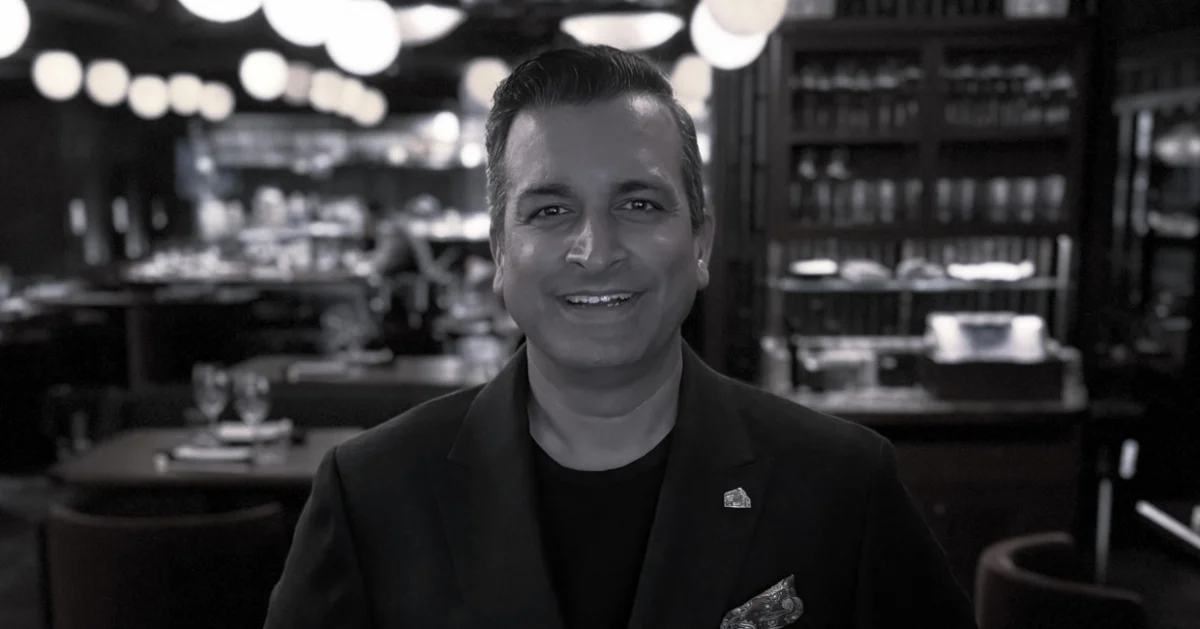
As the skyline of Manchester continues its dramatic vertical evolution, the hospitality sector is bracing for its most significant arrival in years. Marriott International has officially announced the appointment of industry veteran Alok Dixit as the General Manager for the highly anticipated W Manchester and W Residences. This strategic move signals the commencement of the pre-opening phase for what is poised to become the crown jewel of the St Michael’s development, set to redefine luxury living and transient hospitality in the North of England by 2027.
Main Facts: A Landmark Appointment for a Landmark Project
The appointment of Alok Dixit is more than a simple management transition; it is a calculated investment in the vision of the W brand. Dixit, a seasoned Marriott executive, joins the project following a highly successful tenure as General Manager at the London Marriott Hotel Grosvenor Square. During his time in Mayfair, Dixit was credited with orchestrating a comprehensive transformation of the property, effectively repositioning it to compete at the absolute apex of London’s ultra-luxury hotel market.
W Manchester and W Residences will occupy a significant footprint within the 43-storey tower of the St Michael’s development—a flagship project by Relentless Developments. This location is not merely a hotel; it is a lifestyle ecosystem. The development will introduce the W brand’s signature blend of bold design, “Whatever/Whenever” service culture, and high-octane social programming to Manchester’s city centre. As the third W property to launch in the United Kingdom, following the established successes of W London and W Edinburgh, the Manchester site carries the weight of high expectations for Marriott’s broader European expansion strategy.
Chronology: Building the Foundation for 2027
The trajectory toward the 2027 opening is a multi-year narrative of urban regeneration and brand integration.
- The Concept Phase: Long before the first steel beam was laid, the St Michael’s scheme—led by Gary Neville’s Relentless Developments—was conceived as a transformative project for Manchester’s historic central district.
- The Partnership Announcement: The formal announcement of the W Hotel brand’s entry into Manchester signaled a shift in the city’s luxury perception, confirming that international operators viewed Manchester as a Tier-1 global destination.
- Construction Milestones: Throughout 2023 and 2024, the St Michael’s tower has risen, becoming a prominent feature of the Manchester skyline. The integration of the hotel interiors and the residential component, W Residences, has been progressing in tandem with the structural core.
- Leadership Transition (2024): The appointment of Alok Dixit serves as the definitive pivot from "development" to "operational readiness." His role will involve building the core leadership team, establishing the service ethos, and forging local partnerships that will define the hotel’s "hyper-local" personality.
- The Final Stretch (2025–2026): Over the coming 24 months, the project will move into the critical fit-out and recruitment stages. This period will be characterized by the "soft launch" preparations, where the Marriott team will begin the arduous process of ensuring the property’s digital, culinary, and experiential infrastructures are fully aligned with W’s global standards.
- The 2027 Launch: The projected opening in 2027 will mark the realization of a decade-long ambition to anchor Manchester’s luxury sector within one of its most complex architectural developments.
Supporting Data: Why Manchester? Why Now?
The decision to place a W property in Manchester is backed by robust market indicators. Manchester is currently experiencing an unprecedented era of economic growth, characterized by a burgeoning tech scene, a thriving media sector centered around MediaCityUK, and a retail landscape that attracts high-net-worth individuals from across the globe.
Economic Indicators
- Tourism Growth: According to recent data from Marketing Manchester, the city has seen a consistent increase in international overnight stays, with a significant uptick in demand for high-end boutique and lifestyle hotel accommodation.
- Residential Demand: The inclusion of W Residences is a strategic response to the growing demand for branded residential property in Northern England. Investors and luxury buyers are increasingly seeking the "turnkey" lifestyle associated with hotel-managed residences.
- Connectivity: With Manchester Airport’s expansion and the ongoing investment in rail and regional transport, the city is more accessible to international travelers than ever before, cementing its status as a viable alternative to the London-centric luxury market.
Competitive Landscape
The W brand enters a market that is becoming increasingly crowded with lifestyle hotels. However, W’s unique positioning—which focuses on music, design, fashion, and fuel—creates a clear point of differentiation. Unlike traditional "grand dame" hotels, W Manchester is designed to be a social hub, utilizing its bar and lounge areas as "Living Rooms" that attract both local tastemakers and international guests.
Official Responses: A Vision for the Future
Alok Dixit’s transition to this role is marked by a deep sense of professional enthusiasm for the brand’s potential in a northern context. In his first official comments following the announcement, Dixit expressed his excitement regarding the synergy between the brand and the city.
“I am thrilled to be joining W Manchester and W Residences and to be part of bringing such an exciting new destination to life,” Dixit stated. “W is a brand that has continually evolved the luxury hospitality landscape through its distinct sense of style, culture, and connection. Manchester is one of the UK’s most dynamic cities, and I look forward to working with our team and partners to create a destination that reflects its energy, creativity, and global appeal.”
Dixit’s background—which includes high-level roles at The London EDITION and London Marriott Regents Park—provides him with the exact operational DNA required for a W hotel. His reputation for fostering high-performing cultures will be essential, as the W brand relies heavily on the personality and agility of its staff to deliver a guest experience that feels spontaneous rather than scripted.
Implications: Reshaping the Northern Hospitality Map
The arrival of W Manchester has profound implications for the city’s hospitality sector and the broader UK luxury market.
For the City of Manchester
The hotel will serve as a bellwether for the city’s economic maturity. By hosting an international lifestyle brand of this caliber, Manchester effectively validates its position as a global city capable of sustaining ultra-luxury price points and service expectations. The St Michael’s project, as a whole, acts as a catalyst for further investment in the city centre, encouraging a ripple effect of high-end retail, dining, and commercial development in the immediate vicinity.
For Marriott International
For Marriott, this is about portfolio diversification. While the company maintains a strong presence in the UK, the addition of W Manchester fills a geographic gap. It allows the company to capture the "lifestyle-conscious" luxury traveler who may feel out of place in more traditional, corporate-focused properties. By integrating the residences, Marriott also taps into the lucrative high-end residential market, creating a stable, long-term revenue stream that is less sensitive to the cyclical nature of travel demand.
For the Hospitality Talent Pool
The recruitment process for W Manchester will be a significant event in the UK hospitality industry. As Dixit begins to assemble his executive committee and departmental heads, he will likely draw from both local Manchester talent and experienced W-brand professionals from across the globe. This creates an opportunity for professional development within the city, as the standards set by W will inevitably raise the bar for service quality across the wider region.
Conclusion: The Path Ahead
As 2027 draws closer, all eyes will be on the St Michael’s tower. The success of W Manchester will not be measured solely by occupancy rates or revenue per available room (RevPAR), but by how effectively it manages to integrate itself into the unique cultural fabric of Manchester.
Alok Dixit inherits a project with immense momentum. His challenge will be to balance the global, high-energy mandate of the W brand with the gritty, authentic, and creative spirit that defines Manchester. If the past success of his previous projects is any indication, the W Manchester is well-positioned to become more than just a hotel; it is destined to become the new heartbeat of the city’s social and professional life. The countdown to 2027 has officially begun, and with it, a new chapter in British luxury hospitality.

 Lina Irawan
 Evan Lee Salim