 Layla Zulfa
 Laily UPN
 Neng Nana
 Sagoh
Sagoh
 Raul Delapena Setiawan
 Jia Lissa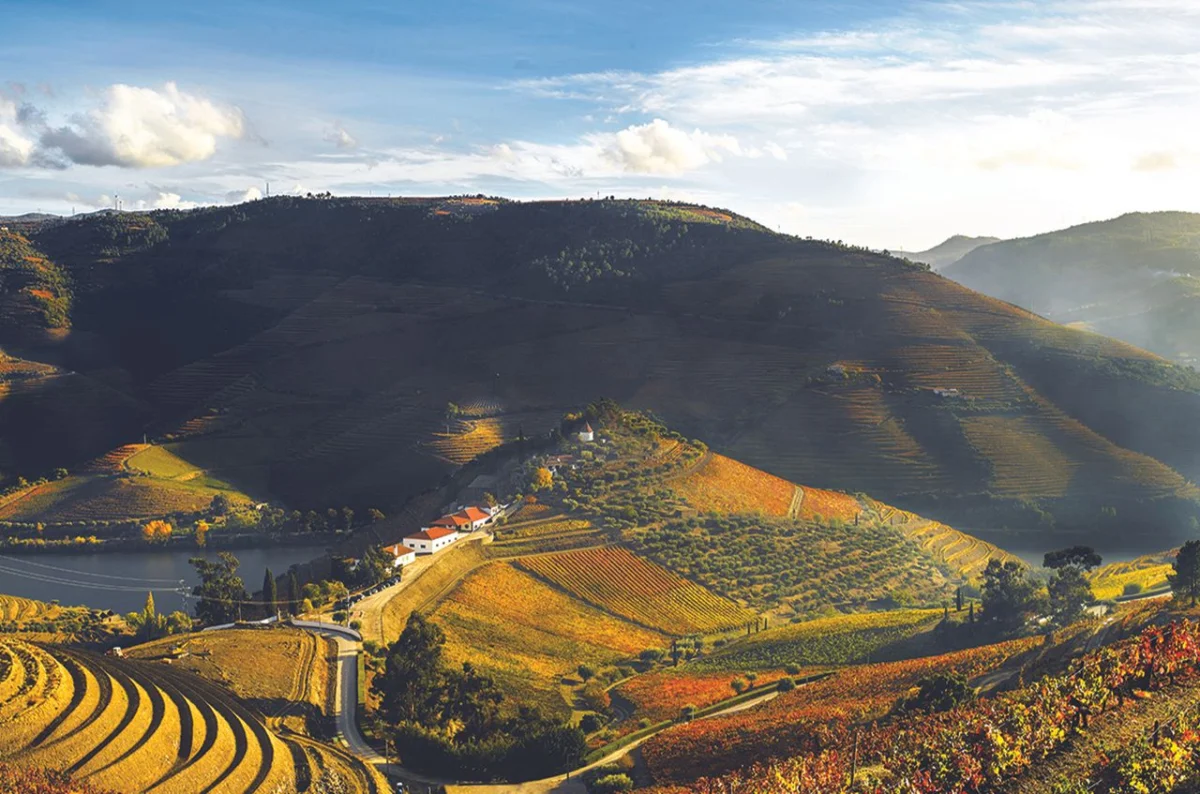
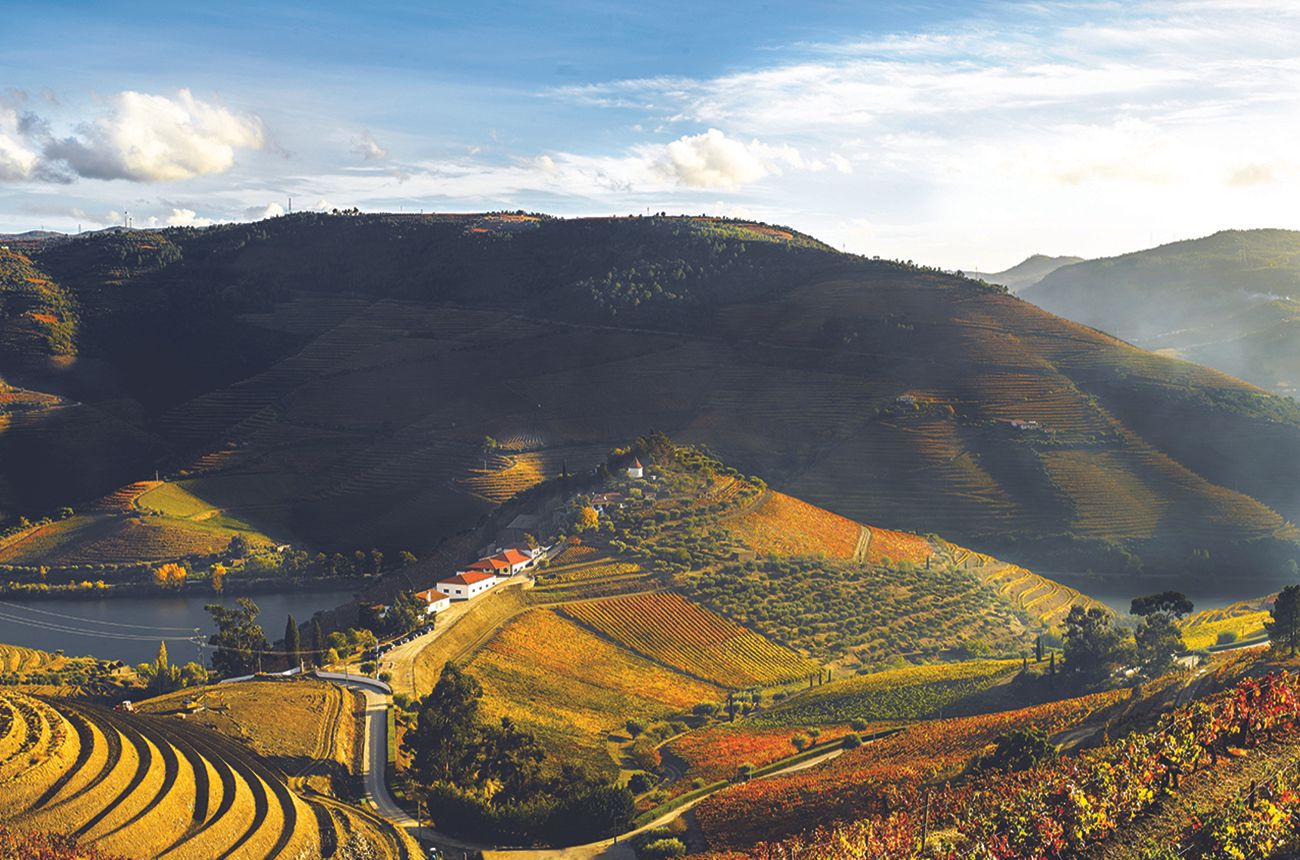
In 2003, a collective of five maverick wine producers from Portugal’s rugged, sun-drenched Douro Valley banded together with a singular, disruptive mission. Drawing inspiration from the "Barolo Boys"—the revolutionary group that transformed Piedmont’s viticultural landscape—they sought to drag one of the world’s oldest demarcated wine regions out of the shadow of its past and into the global spotlight.
The founding members—Quinta do Crasto, Niepoort, Quinta do Vale Meão, Quinta do Vallado, and Van Zellers & Co—embarked on a high-stakes, globetrotting campaign of auctions, tastings, and presentations. Their objective was twofold: to elevate the Douro as a premier travel destination and to cement its status as a producer of world-class, unfortified table wines. Two decades later, as the group faces a period of generational transition and global market volatility, the "Douro Boys" (and their successors) are once again recalibrating their approach to ensure the region’s long-term sustainability.
Chronology of a Revolution
The journey of this collective has been marked by distinct phases of growth and introspection:
- 2003: The formalization of the group. Five iconic estates unite to promote the Douro beyond the traditional confines of Port production.
- 2003–2019: An era of aggressive international promotion. The group successfully changes the global perception of the Douro, moving the narrative from "only Port" to "Port and high-end table wine."
- 2020–2023: The "Great Pause." The COVID-19 pandemic forces an abrupt halt to international travel, providing a rare window for the estates to pivot toward internal restructuring and generational handovers.
- 2024: Structural change. Cristiano Van Zeller steps back from the collective to focus on the specialized XIX Rare Port Collection, signaling a shift in the group’s composition.
- 2025: A period of post-patriarchal transition, most notably at Quinta do Vale Meão, following the passing of the legendary Francisco "Vito" Olazabal, as the next generation assumes full leadership.
Supporting Data: The Pillars of Modern Douro
The success of these estates is not merely marketing; it is backed by a shift in technical precision. The region is navigating a complex transition from historic, high-yield, power-driven production toward a model that prioritizes elegance, site specificity, and genetic preservation.
The Genetic Heritage Project
At Quinta do Crasto, the technical team—led by Cátia Barbeta, Tiago Nogueira, and consultant Manuel Lobo—is spearheading the PatGenVineyard project. This initiative involves the meticulous genetic profiling of centenary vines in the renowned Vinha Maria Teresa and Vinha da Ponte plots. By propagating these ancient, indigenous varieties, the estate is actively fighting the "genetic erosion" that occurred across European vineyards during the 20th century.
Soil and Terroir Realities
The Douro’s geology is notoriously difficult. While much of the valley is dominated by schist, estates like Quinta do Vale Meão benefit from a complex mosaic of granite and alluvial sandy deposits. Under the technical guidance of Francisco "Xito" Olazabal, the estate has moved toward parcel-specific winemaking, treating the vineyard as a living map of unique identities rather than a singular commodity.
Official Perspectives: The New Leadership
Quinta do Crasto: The Visionary Legacy
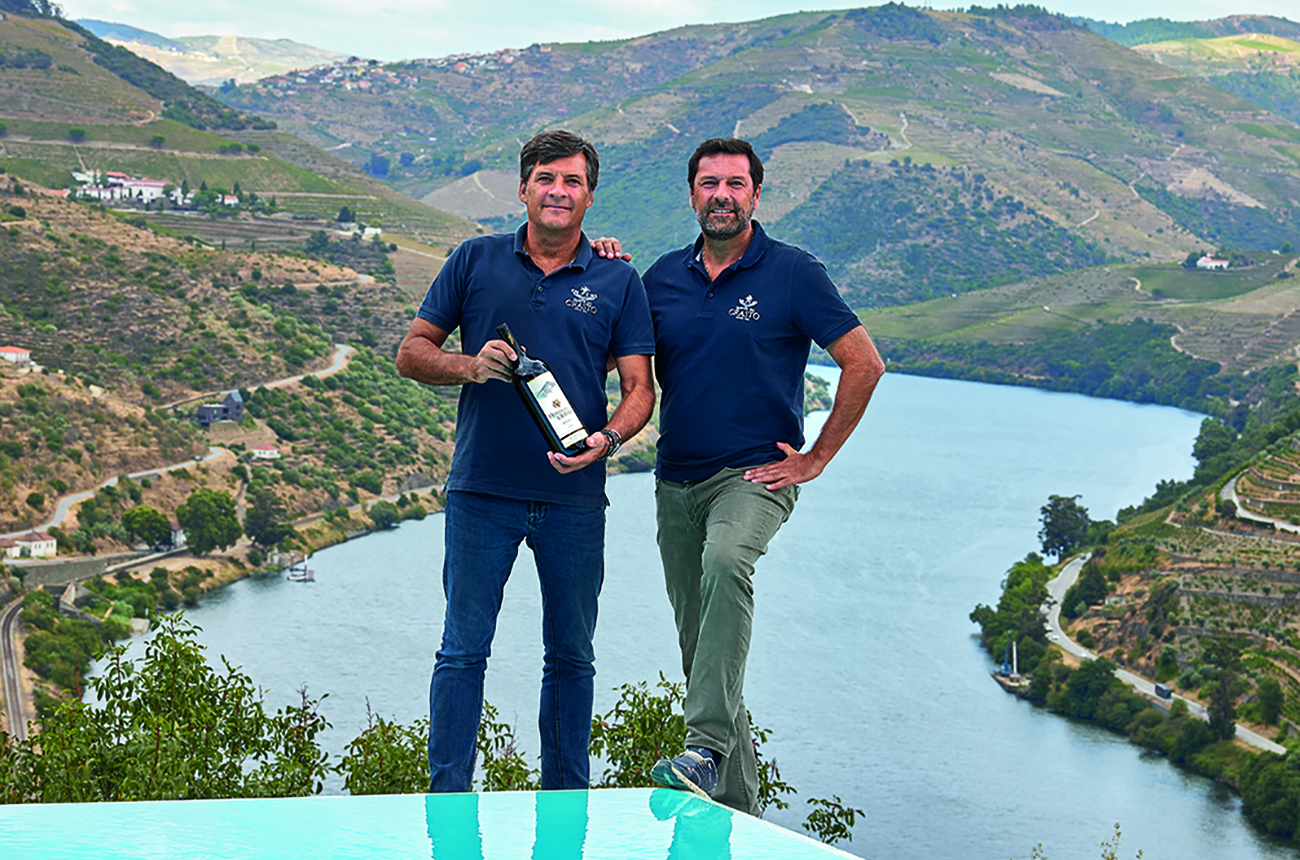
For Miguel and Tomás Roquette, the focus remains firmly on the vineyard. "My father was a visionary," says Miguel Roquette. "He believed that this is a special place. Our major investment and focus is, and has always been, the vineyard." Having previously focused exclusively on viticulture, the brothers are now preparing to expand into high-end wine tourism, acknowledging that as the world discovers the Douro, the estate must offer an immersive experience that matches the quality of its wines.
Niepoort: Consolidation over Expansion
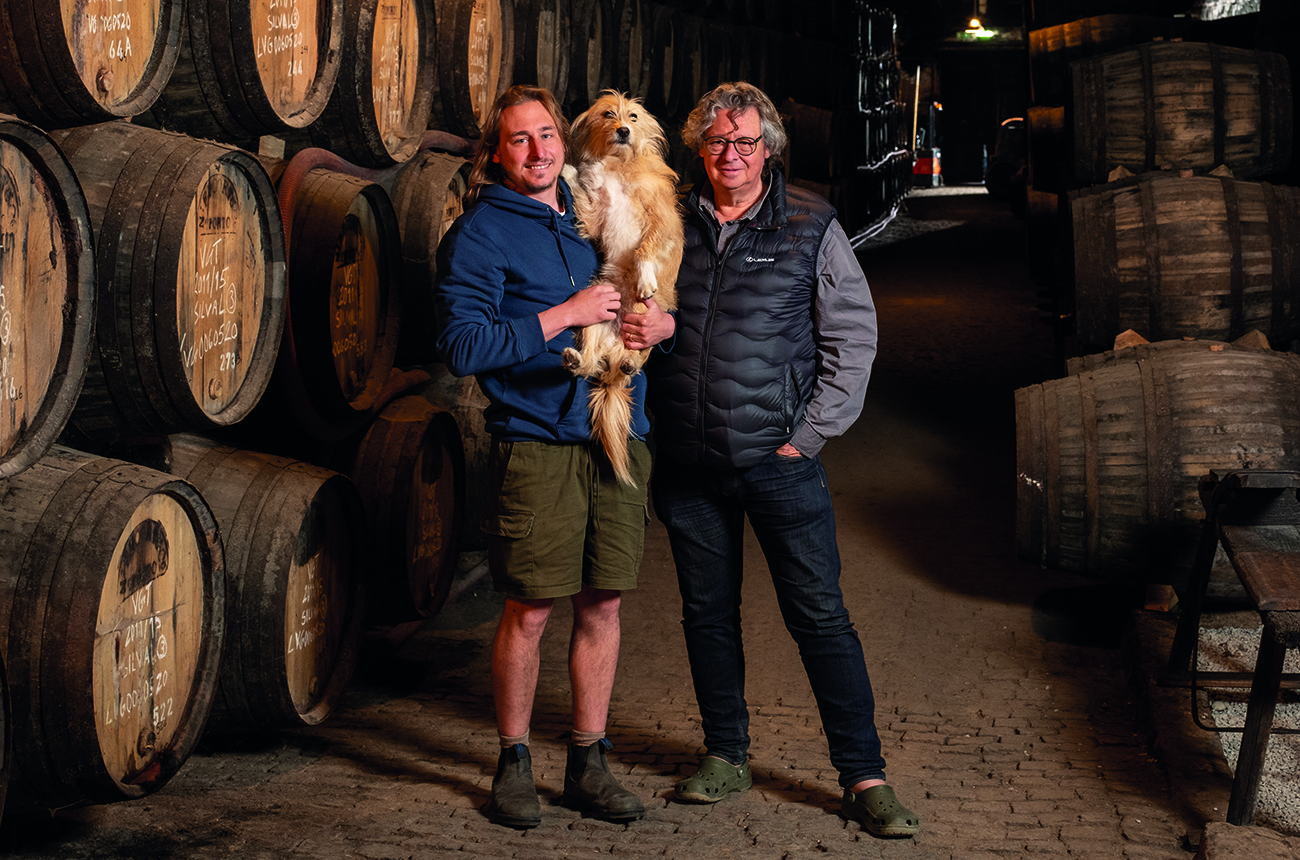
Daniel Niepoort, stepping into the formidable shoes of his father, Dirk Niepoort, represents a departure from the "restless expansion" that defined the previous decade. "Niepoort went through a period of spectacular growth," Daniel notes. "I believe we need to enter a period of consolidation and focus." His approach emphasizes community, biodynamic farming, and a return to the "Douro edge"—a stylistic commitment to the region’s raw, rustic elegance rather than chasing global trends.
Quinta do Vale Meão: The Emotional Transition
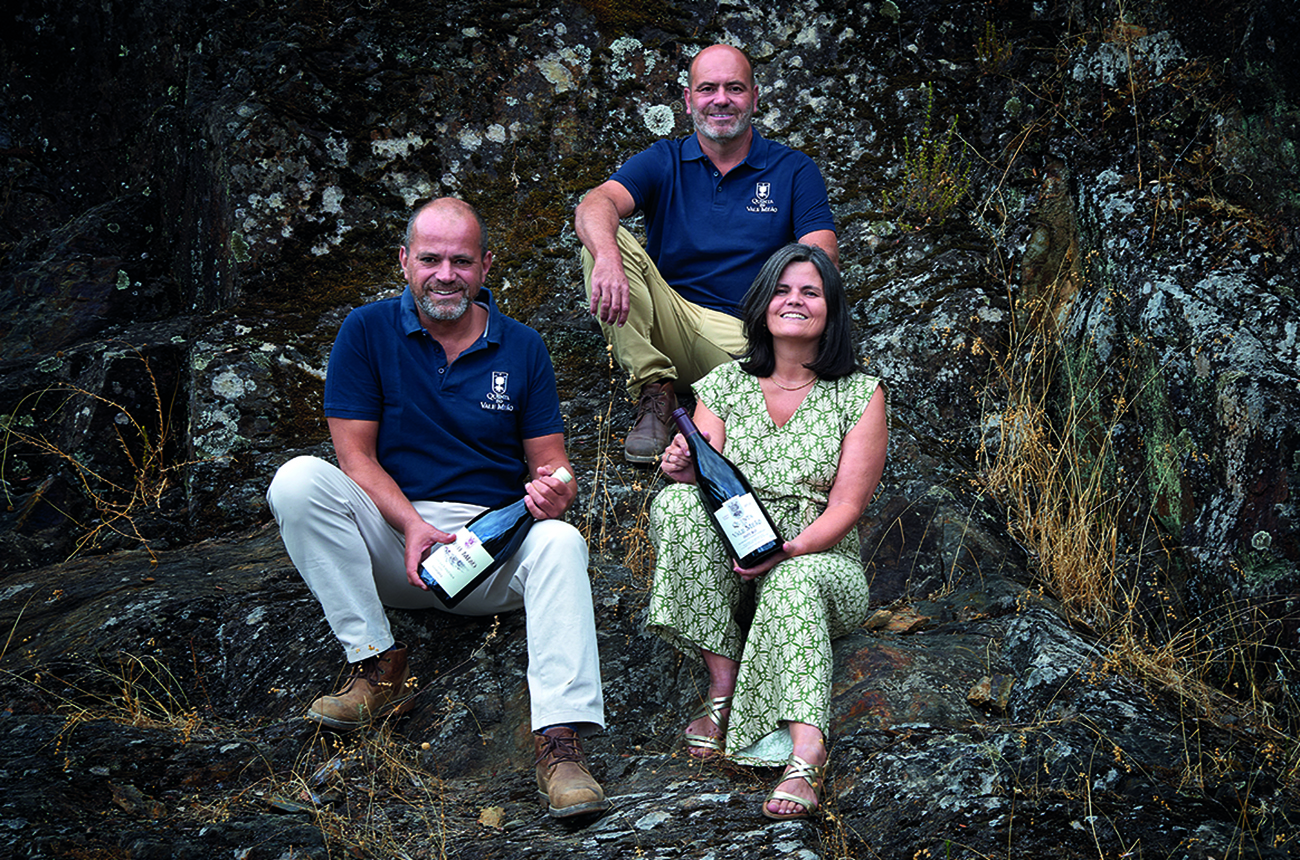
Following the passing of Francisco "Vito" Olazabal in 2025, the siblings—Luísa, Xito, and Jaime—are navigating the complexities of joint leadership. Their bond with the estate is personal, rooted in family history stretching back to Dona Antónia Ferreira in 1877. Their current mission is to preserve the "sense of place" that defines the Douro Superior while navigating the emotional and professional challenges of running a family-owned business in a volatile market.
Quinta do Vallado: Preserving Heritage
At Quinta do Vallado, João Roquette and Francisco Ferreira are the current stewards. Their management style is a balance of "preppy entrepreneurial verve" and "calm, listening energy." Vallado has been a leader in the tourism space, with its hotel and new winery designed to mirror the topography of the terraced slopes. Like the others, their core philosophy is to resist the pressure to follow international fads, instead prioritizing the long-term health of their ancient vines and the specific character of the Douro terroir.
Implications for the Future
The "Douro Boys" have achieved their initial goal: the Douro is now firmly established as a prestigious, multifaceted wine region. However, the next decade presents a new set of challenges that are far more fluid and complex than those of 2003.
Climate Change and Labor
Climate change is no longer a theoretical concern in the Douro; it is a daily reality. Higher temperatures, irregular rainfall, and the logistical nightmare of labor shortages in steep, terraced vineyards are forcing the producers to reconsider traditional viticulture. The shift toward "soft-pruning" and biodiversity-driven canopy management is part of a broader, regional restructuring aimed at protecting the ecosystem.
Reclaiming the Voice
In an increasingly crowded and "loud" global wine market, the collective recognizes that quality alone is not enough. The goal is now to "make noise" about their distinctiveness. The struggle is to find a balance between the rustic, powerful nature of traditional Douro wines and the modern demand for elegance. The producers are unified in their belief that the "Douro edge"—a combination of schist-driven minerality, high-altitude freshness, and history—is their greatest competitive advantage.
Sustainability and Succession
Perhaps the most significant implication of the current era is the transition of power. As the founders pass the torch to their children, the estates are not only inheriting land and equipment; they are inheriting the challenge of reconciling family dynamics with the harsh realities of global business. The "Douro Boys" legacy is no longer just about the wine; it is about creating a sustainable model where familial passion survives the pressures of international finance and environmental crisis.
The revolution that began in 2003 has succeeded in putting the Douro on the map. The task for the next generation is to ensure that the map remains relevant, that the wines continue to tell the story of their soil, and that the "maverick energy" that started it all survives the test of time. As they stand at this turbulent crossroads, the producers of the Douro are proving that even the oldest regions can find new ways to speak to a changing world.

 Ammar Sabilarrohman