

 Ali Ikhwan

 Iffa Jayyana

 Muslim

 Nana

 Dwi Wanna
 Asro
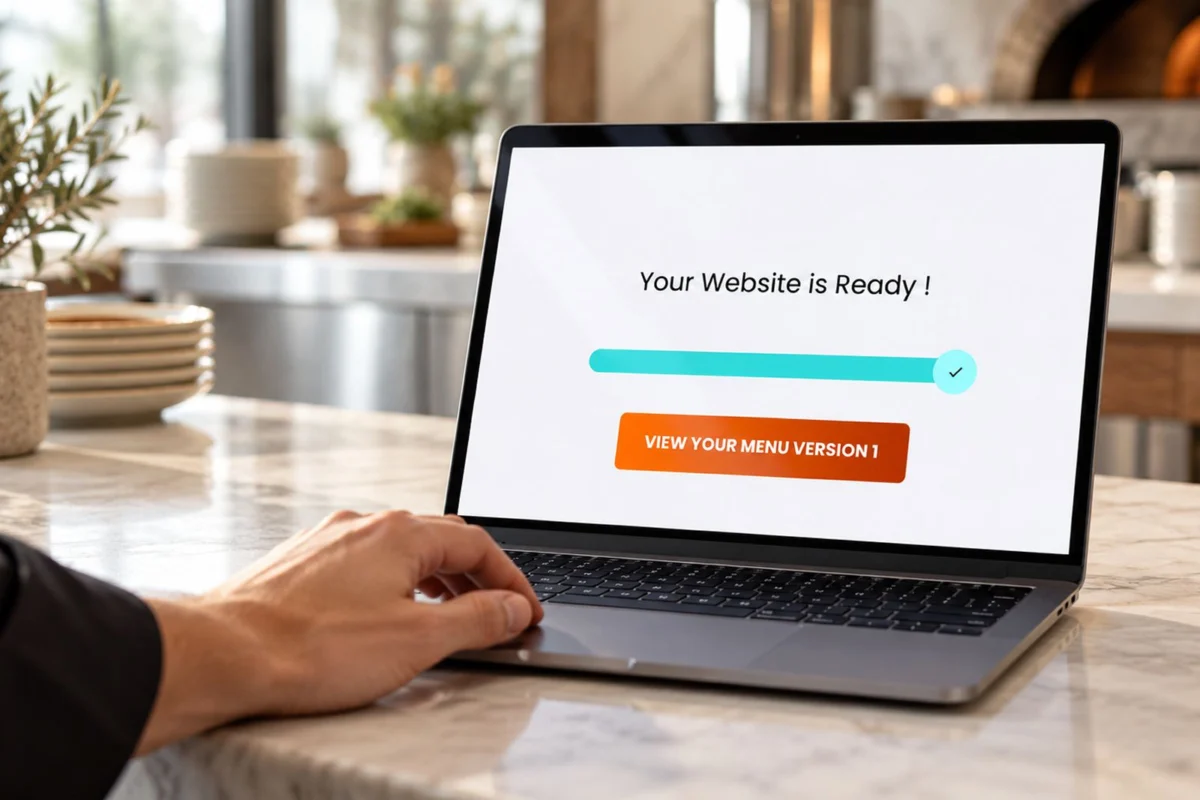
The landscape of independent restaurant technology is undergoing a seismic shift. With the impending March 31, 2027, total service shutdown of GloriaFood—a platform once synonymous with accessible online ordering for thousands of small businesses—owners are finding themselves in a race against time. To mitigate the operational paralysis this transition threatens to cause, Los Angeles-based restaurant technology firm Orders.co has officially launched an AI-driven migration workflow, designed to rescue complex, modifier-heavy menus from the void of the GloriaFood sunset.
The Looming Deadline: A Strategic Pivot
The closure of GloriaFood follows its 2021 acquisition by Oracle. Since the acquisition, the platform has ceased accepting new signups, signaling a clear strategic move by the tech giant. For the thousands of independent pizzerias, cafes, and bistros that relied on the service, the March 2027 deadline is not merely an administrative hurdle; it is a critical threat to their primary revenue stream: direct online ordering.
For a restaurant, an online ordering system is the digital storefront of its business. Unlike retail e-commerce, restaurant menus are notoriously complex. They involve specific culinary logic—such as pizza half-and-half configurations, mandatory modifier selection, and variable pricing based on item attributes—that is notoriously difficult to export and import between platforms. Most restaurant operators, already stretched thin by labor shortages and rising food costs, lack the bandwidth to manually rebuild these intricate digital menus.
The Technological Solution: AI-Assisted Migration
Orders.co has unveiled a proprietary builder that promises to bridge the gap between legacy GloriaFood systems and modern, robust ordering infrastructure. The system functions with remarkable simplicity: an operator provides their existing GloriaFood URL, and the Orders.co AI engine deconstructs the digital menu, identifying the underlying relational data—not just the text.
"Restaurant menus are not flat files," explains Arsen Stepanyan, co-founder and CEO of Orders.co. "A pizza can carry size rules, crust choices, topping groups, and quantity limits. A successful migration has to preserve those relationships, not simply copy the words on the page. The AI handles the first pass, and the restaurant reviews the result before it goes live."
This distinction is vital. When traditional "import" tools fail, they often treat a pizza’s "extra cheese" modifier as a static text string rather than a functional logic component with a price point and a selection rule. By interpreting these relationships, the Orders.co builder recreates the functional architecture of the menu, ensuring that the new platform operates exactly as the customer expects, without requiring hours of manual input from the restaurateur.
Chronology of the Transition
The transition period for GloriaFood users is effectively a multi-stage process characterized by uncertainty and the need for immediate action:
- 2021: Oracle acquires GloriaFood, setting the stage for future integration and platform shifts.
- 2024-2025: Oracle confirms the cessation of new user onboarding, focusing maintenance solely on existing accounts.
- October 2026: Orders.co launches its migration tool, providing a proactive bridge for restaurants needing to secure their digital operations well before the expiration date.
- March 31, 2027: The official end-of-service date for all GloriaFood infrastructure. Any restaurant that has not migrated by this date faces an immediate loss of their primary online ordering capability.
Understanding the "Logic" Problem: Why Manual Migration Fails
To understand why the Orders.co solution is significant, one must look at the technical debt inherent in menu management. Modern diners expect high levels of customization. A typical high-volume pizzeria menu is a labyrinth of logic:
- Selection Rules: If a customer chooses a "Large" pizza, the system must trigger specific price increments for toppings that differ from a "Small" pizza.
- Constraint Logic: "Maximum 3 toppings" rules, or "No more than one crust type" requirements.
- Visual and Data Mapping: Ensuring that imagery, descriptions, and price points are synchronized across all delivery and direct-ordering channels.
When these systems are moved to a new platform, failure to map the underlying "logic" results in a menu that is either broken or inaccurate. An inaccurate menu leads to customer complaints, refund requests, and loss of trust. The Orders.co builder mitigates this by scanning the GloriaFood link and mapping the data into a structure that understands the relationship between items, modifiers, and categories.
From Migration to Operational Excellence
While the migration tool serves as the immediate "on-ramp" for displaced GloriaFood users, the true value proposition of the Orders.co ecosystem lies in the consolidation of restaurant operations. Once the menu is successfully migrated and the new website goes live, operators gain access to a centralized "command center" designed to reduce the reliance on multiple, disconnected apps.
Unified Menu Management
One of the most persistent pain points for modern restaurateurs is "menu drift"—the phenomenon where prices and availability differ between a restaurant’s direct website, UberEats, DoorDash, and other aggregators. With Orders.co, an operator updates an item or price in one location, and the update is pushed across all connected channels simultaneously. This consistency reduces staff confusion and prevents the dreaded scenario of a customer ordering a sold-out item during a dinner rush.
The Death of the "Tablet Row"
Independent restaurants are often plagued by a row of different tablets on their POS station—one for each delivery app. Orders.co allows for the integration of direct and delivery orders into a single system. By centralizing incoming orders, the software removes the need for manual re-entry, a process that is not only time-consuming but highly susceptible to human error.
AI-Driven Logistics
Delivery management is often the most expensive and complex part of a restaurant’s operation. The Orders.co platform features an AI Dispatch system that evaluates delivery orders in real-time. It considers variables such as driver rating, estimated delivery time, and cost to automatically assign the most efficient courier for each ticket. This automation saves managers dozens of hours per week, allowing them to focus on the kitchen rather than courier logistics.
Supporting Data and User Feedback
Early adopters of the Orders.co platform have already begun reporting significant operational improvements. Prego Pizzeria, a notable client, highlighted the caliber of support provided during the onboarding process. "The support we have received has been top-notch from start to finish," the management team noted. "Whether it is the POS, our providers, online ordering, or marketing, there is always someone ready to help, and they always get it right."
For the average restaurant owner, the financial impact of moving to a direct-ordering platform is substantial. By moving customers from third-party delivery marketplaces—which often charge commissions ranging from 15% to 30%—to a direct, branded website, restaurants can retain a significantly higher percentage of their revenue. Furthermore, they gain access to the customer data, which is essential for long-term marketing and retention.
Implications for the Future of Independent Dining
The forced migration of thousands of restaurants away from a legacy platform like GloriaFood serves as a wake-up call regarding the vulnerability of "rented" technology. Restaurants that rely on third-party ecosystems are subject to the strategic decisions of those parent companies. By migrating to a more robust, independent ecosystem like Orders.co, operators are not just replacing a lost service; they are future-proofing their businesses.
The inclusion of built-in marketing tools, such as automated SMS and email campaigns, allows these smaller entities to mimic the retention strategies of major national chains. By segmenting their customer base into "first-timers," "regulars," and "lapsed guests," they can send targeted, data-backed promotions that turn one-time orders into sustainable, recurring revenue.
Conclusion: A Call to Action
The countdown to March 2027 is officially on. For restaurant operators, the transition from GloriaFood should be viewed not as an inconvenience, but as an opportunity to modernize their digital stack. As the industry continues to consolidate around high-efficiency, data-driven operations, the ability to maintain a consistent brand identity across all digital channels will be the primary differentiator between struggling businesses and thriving ones.
Orders.co has made the technical barrier to entry nearly non-existent with their new AI-powered builder. By turning a complex, hours-long migration process into a two-hour onboarding conversation, they are providing a lifeline that could save thousands of restaurants from the potential fallout of the GloriaFood sunset.
For those ready to begin the transition, the Orders.co AI Website Builder is now live, accompanied by a comprehensive migration checklist to ensure no data is left behind.
About Orders.co
Orders.co is a leading provider of comprehensive restaurant technology solutions, including online ordering, website design, menu management, and end-to-end POS systems. Based in Los Angeles, the company empowers independent restaurants and franchises to streamline their operations, increase direct sales, and compete effectively in the modern digital marketplace.
Media Contact:
Nena Jambazian
Orders.co
855-500-1070
[email protected]

 Sagoh

