

 Ali Ikhwan

 Iffa Jayyana

 Muslim

 Nana

 Dwi Wanna
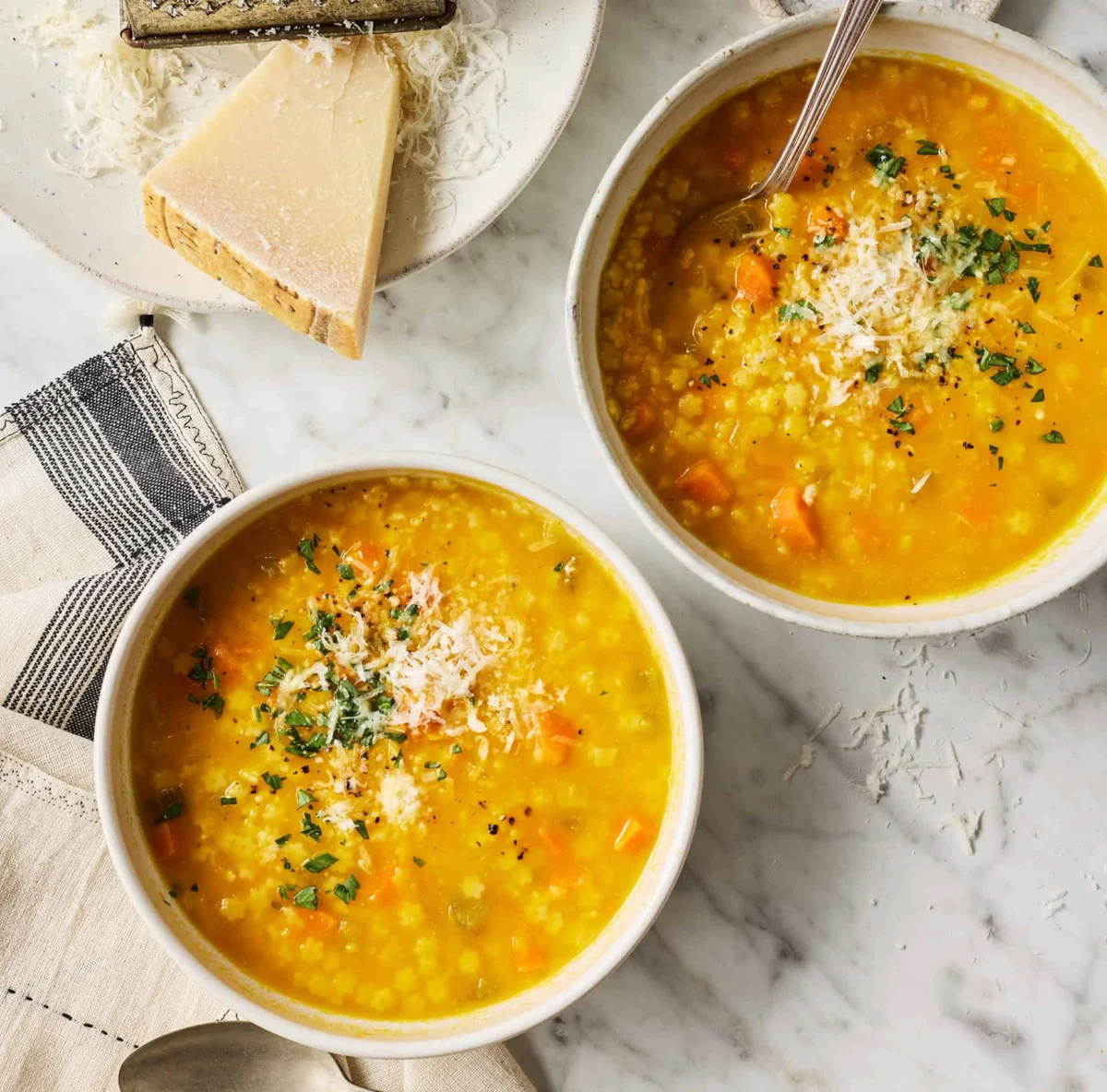
In the quiet, often frantic rhythm of modern life, few things possess the restorative power of a bowl of warm, homemade soup. Among the pantheon of comfort foods, few are as iconic or as deeply rooted in tradition as pastina—a dish that has earned the moniker "Italian penicillin." For generations, this simple, soul-soothing preparation of tiny pasta in a fragrant, golden broth has served as a staple for those under the weather or simply in need of a moment of solace.
A newly developed vegetarian take on this classic recipe offers a modern twist on the timeless tradition, proving that comfort food does not require meat to achieve a depth of flavor that resonates with the palate and the spirit alike. By masterfully blending tender vegetables into a vibrant, thick broth while retaining the structural integrity of the tiny pasta, this recipe elevates the humble soup into a sophisticated, nourishing meal.
The Anatomy of Comfort: Understanding Pastina
At its core, the term pastina—meaning "little pasta" in Italian—does not refer to a single, proprietary shape, but rather to a category of pasta variants that are diminutive in size. Typically, these shapes are defined by a diameter of less than a quarter-inch, making them ideal for spooning up in a single, satisfying mouthful alongside a rich broth.
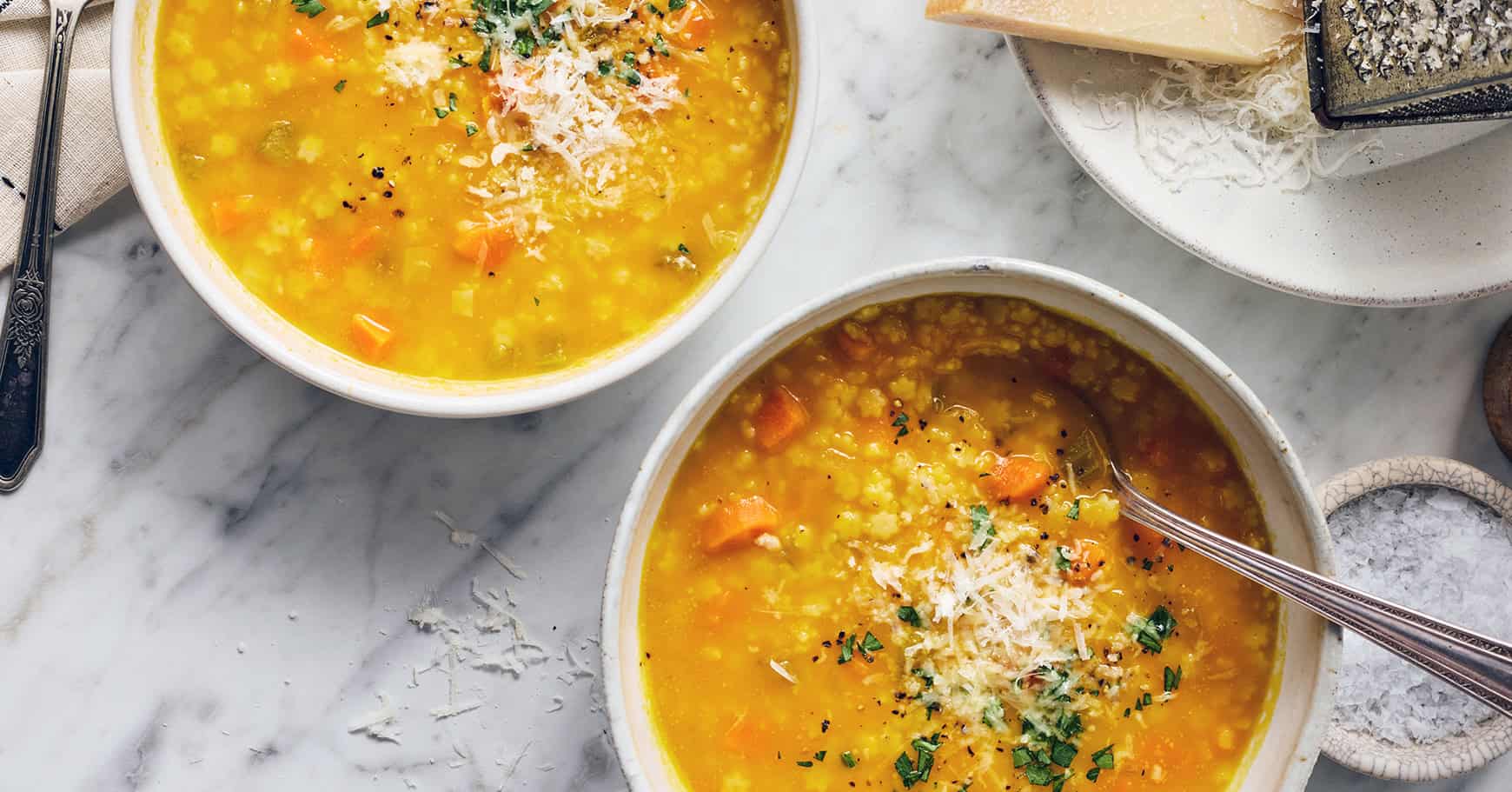
Whether one chooses stelline (delicate stars), acini di pepe (tiny peppercorn-like pearls), or ditalini (small, sturdy tubes), the fundamental purpose of the pasta remains the same: to provide a comforting texture that contrasts with the silkiness of a well-crafted liquid base. In this latest culinary iteration, the pasta serves as the canvas for a vibrant, aromatic broth infused with the essence of seasonal garden vegetables.
A Chronology of the Recipe’s Evolution
The journey to perfecting this vegetarian version was not an overnight success; rather, it was a meticulous process of refinement that spanned multiple testing phases.
Phase I: The Foundation
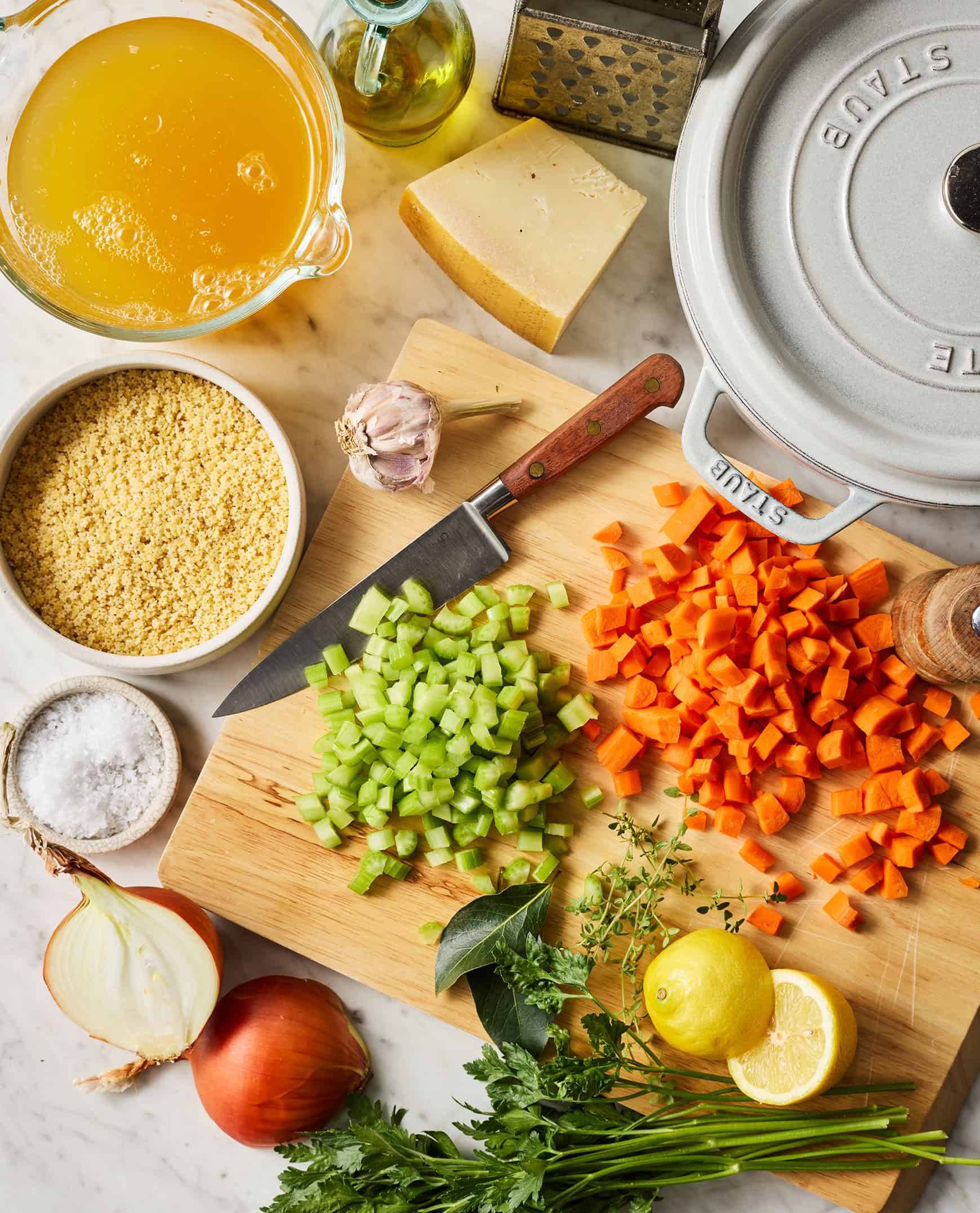
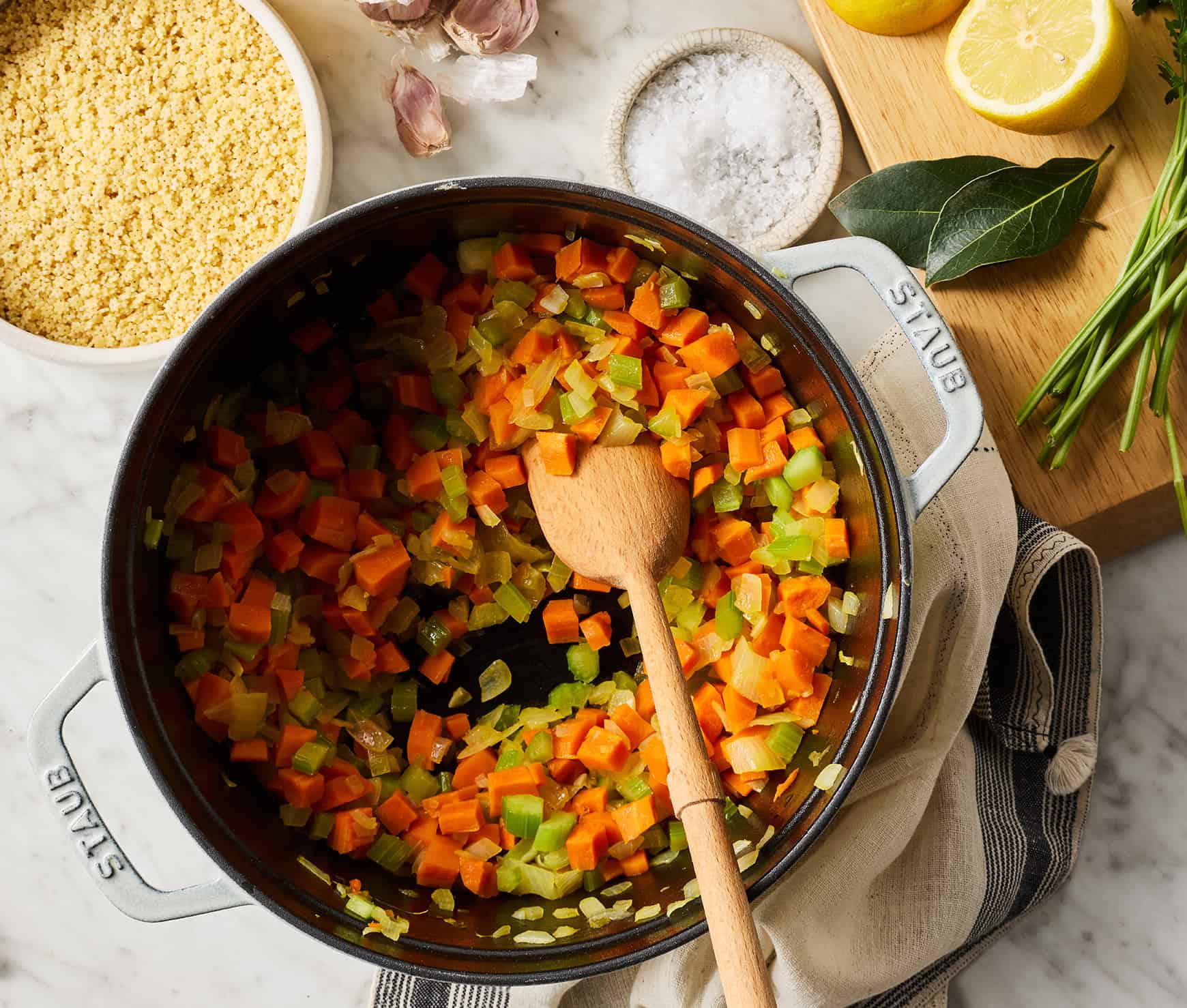
The process began with the essential aromatic base. Onions, carrots, and celery were sautéed in a heavy-bottomed Dutch oven until they achieved a state of translucent, tender sweetness—a process requiring eight to ten minutes of patient attention. This foundation is crucial, as it builds the flavor profile that supports the subsequent layers of the dish.
Phase II: Building the Flavor Profile
Once the aromatics were softened, the infusion phase commenced. Fresh garlic was introduced to the pot, followed by a bouquet of herbaceous aromatics, including thyme, parsley stems, and bay leaves. A Parmesan rind was added during this stage—a secret technique used by professional chefs to impart a subtle, umami-rich depth to the broth without the need for meat-based stocks.
Phase III: The Textural Transformation
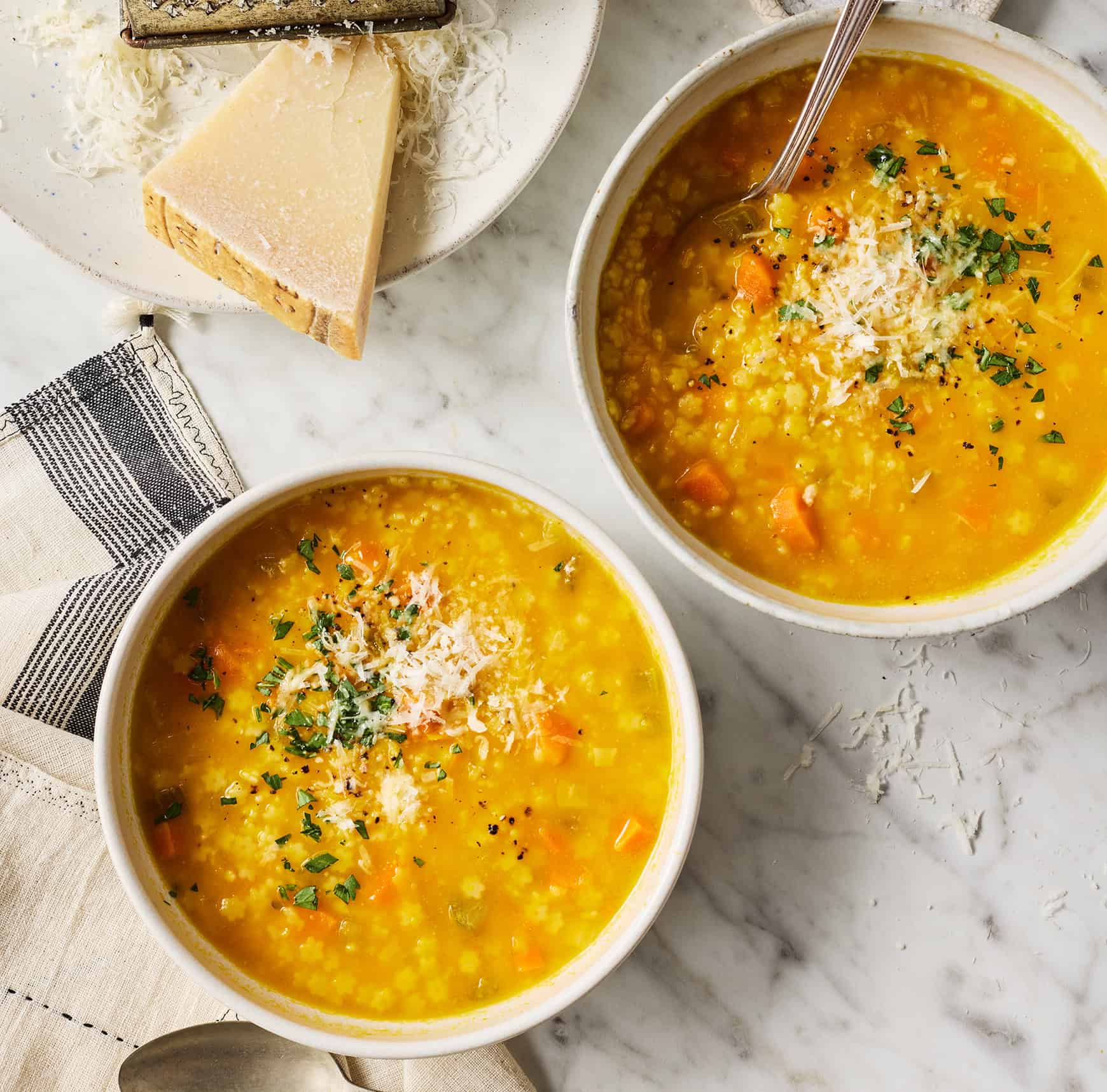
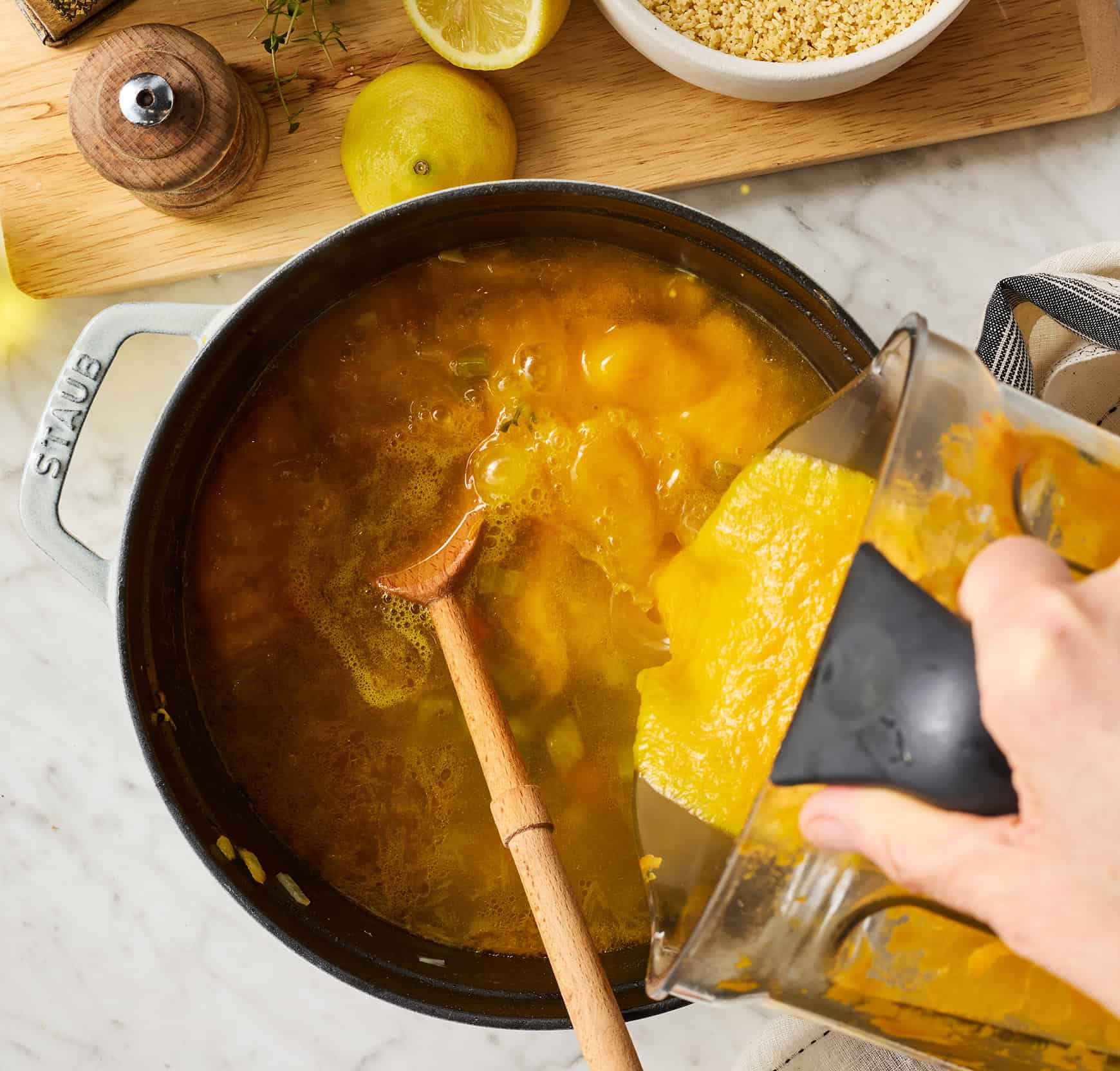
One of the most innovative aspects of this particular recipe is its approach to the vegetables. After simmering for 25 to 30 minutes, the creator employed a "split-texture" strategy. Two cups of the tender vegetables were removed and transferred to a blender with a portion of the broth. By pureeing this mixture and folding it back into the main pot, the soup gains a luxurious, thickened consistency and a striking, golden hue that is both visually appealing and satisfyingly creamy.
Phase IV: The Final Polish
The concluding step involves the introduction of the pastina. The soup is brought to a vigorous simmer, allowing the tiny pasta to cook until al dente. A final, vital touch of fresh lemon juice is stirred in just before serving, providing a bright acidity that cuts through the savory richness, balancing the bowl perfectly.
Supporting Data: Nutrition and Dietary Impact
While comfort is the primary goal of this dish, it is also a nutritionally dense meal. A single serving of this pastina soup contains approximately 220 calories, making it a light yet substantial option.
Key Nutritional Highlights:
- Vitamin A: With 150% of the daily recommended value, the soup is a potent source of beta-carotene, derived primarily from the carrots and aromatic vegetables.
- Protein and Fiber: Each bowl provides 5g of protein and 3g of fiber, contributing to a sense of satiety.
- Low Fat Content: At only 6g of fat per serving, it serves as a heart-healthy alternative to heavier cream-based soups.
The inclusion of fresh parsley and a garnish of freshly grated Parmesan cheese at the moment of serving not only enhances the aesthetic appeal but also adds a necessary spike of brightness and saltiness that rounds out the flavor profile.
Perspectives on Culinary Traditions
The "Italian Penicillin" concept is more than a marketing tag; it is a cultural phenomenon. In Italian households, pastina is often the first "real" food given to children and the last meal offered to the elderly. It represents a universal language of care.
By removing the traditional chicken broth and replacing it with a vegetable-forward, umami-rich base, the recipe honors the history of the dish while adapting it to contemporary dietary preferences. Culinary experts have noted that the use of a Parmesan rind is a masterstroke of waste reduction and flavor management, effectively utilizing a byproduct of the cheese-making process to elevate a vegetarian soup to the standard of a traditional meat-based broth.
Implications for Home Cooking and Future Trends
The popularity of this soup points to a larger trend in home cooking: the "premiumization" of humble ingredients. As food costs rise and consumers seek ways to create high-quality meals with pantry staples, recipes that rely on technique—such as the blending of vegetables to thicken broth—are becoming increasingly valuable.
Storage and Scalability
For the modern home cook, utility is as important as taste. This recipe excels in this regard:
- Refrigeration: The soup can be stored in an airtight container for up to three days. Because the pasta continues to absorb the liquid, chefs recommend keeping a small amount of broth or water on hand to "refresh" the consistency during reheating.
- Freezing: The "base-first" approach is highly recommended for long-term storage. By freezing the soup base without the pasta, home cooks can ensure that the final dish retains its texture upon reheating, as pasta tends to disintegrate during the thawing process.
The Rise of "Nourishment" Cooking
This recipe underscores a shift in culinary focus toward "nourishment" rather than just "satiety." The emphasis on fresh herbs, bright lemon, and the slow, meditative process of simmering vegetables reflects a growing desire for food that acts as a buffer against the stressors of the outside world.
As we look toward the winter months, the demand for recipes that provide both physical warmth and psychological comfort is expected to rise. This version of pastina soup stands as a testament to the fact that when it comes to the kitchen, the simplest ingredients, handled with care and intention, often yield the most profound results. Whether you are battling a seasonal cold or simply seeking a quiet moment at the end of a long day, the golden, citrus-kissed broth and tender, tiny pasta offer a reliable, delicious, and deeply nourishing answer to the age-old question of what to make for dinner.


