

 Ali Ikhwan

 Iffa Jayyana

 Muslim

 Nana

 Dwi Wanna
 Lina Irawan
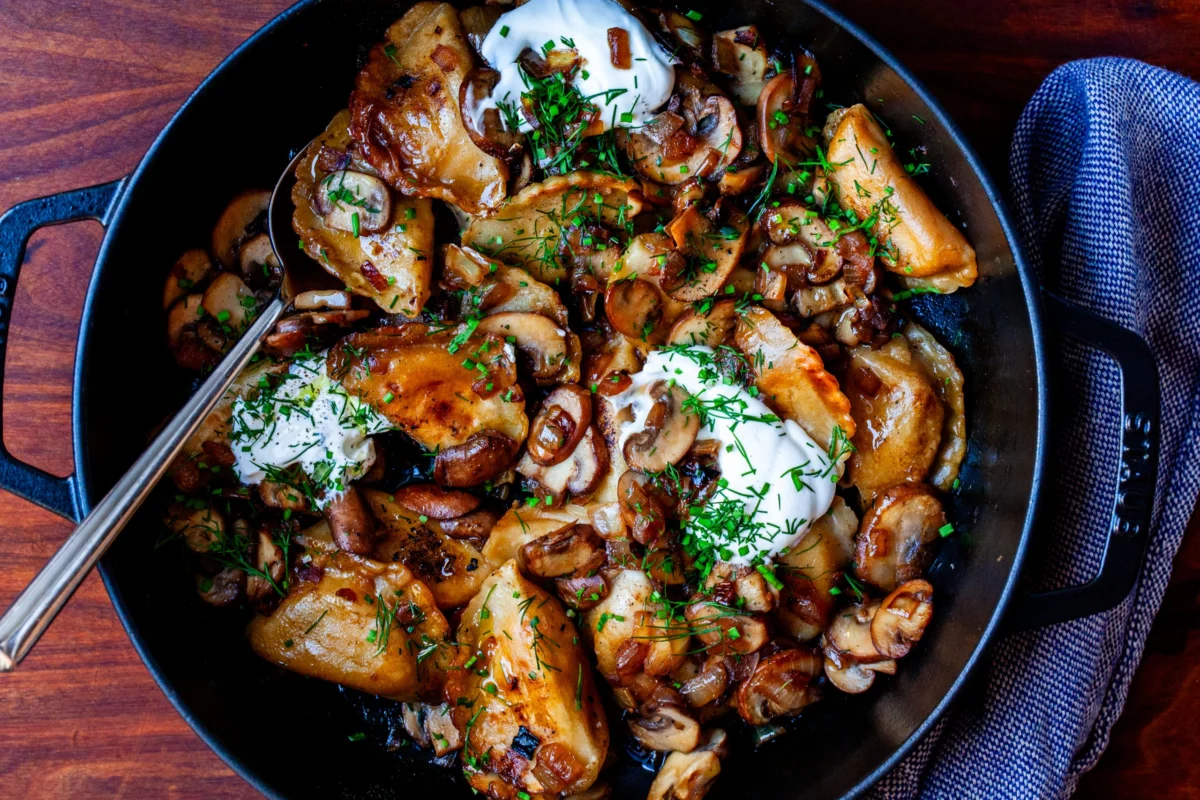
In the modern culinary landscape, the intersection of convenience and comfort has become the "holy grail" for home cooks. As the pace of life accelerates—marked by the competing demands of professional commitments, family milestones, and the persistent desire for wholesome, scratch-style meals—the traditional hours-long cooking project has become a luxury few can afford. Enter the "Skillet Pierogi with Mushrooms," a dish that defies the conventional wisdom of boiling-then-sautéing by utilizing a streamlined, one-pan technique that promises restaurant-quality texture in under 30 minutes.
This approach is not merely a recipe; it is a strategic response to the perennial "dinner dilemma." By reimagining how we treat frozen staples, home cooks are discovering that they can achieve the sophisticated contrast of crispy, golden dough and tender, pillowy centers without the cleanup that usually accompanies a multi-vessel preparation.
Main Facts: The Anatomy of a One-Pan Success
The core philosophy behind this dish is the subversion of the standard pierogi preparation. Typically, these dough-wrapped potato pockets are boiled until they float and are subsequently pan-seared to achieve a crust. This dual-method process often leads to uneven textures and, inevitably, more dirty pots.
The "Skillet Pierogi" method simplifies this by treating the frozen pierogi as a high-heat component that is seared first and steamed second. By utilizing the residual steam trapped under a lid, the dough cooks through while the base achieves a caramelized, crisp exterior.

Key Components of the Dish:
- The Pierogi: Frozen, store-bought pierogi (ideally smaller varieties) serve as the foundation.
- The Aromatics: A combination of caramelized onions and garlicky mushrooms provides an earthy, savory base that anchors the dish.
- The Finish: A strategic application of white vinegar, cold sour cream, and a generous heap of fresh herbs (dill and chives) provides the necessary acidity and brightness to cut through the richness of the dough and butter.
Chronology: A 30-Minute Execution
Efficiency in the kitchen is often a matter of sequencing. The preparation of this meal follows a strict, logical timeline designed to maximize heat efficiency and minimize downtime.
Phase 1: Building the Flavor Foundation (Minutes 0–10)
The process begins with a large, deep skillet—the workhorse of the meal. By heating butter and olive oil over medium-high heat, the cook initiates a Maillard reaction with the onions. These are seasoned early with salt and pepper to draw out moisture, leading to a golden, jammy consistency. Once the onions have softened, garlic is introduced for a brief, fragrant sauté, followed immediately by the mushrooms. The mushrooms are left undisturbed, allowing them to brown deeply before being moved to a holding vessel.
Phase 2: The Searing and Steaming (Minutes 10–20)
With the aromatics set aside, the skillet is wiped or cleared, and fresh oil is introduced for the pierogi. Placing them in a single layer ensures even browning. After approximately five minutes of focused heat, the pierogi are flipped. At this critical juncture, a small amount of water is added to the pan. The immediate eruption of steam, captured by a tightly fitted lid, is the catalyst that cooks the interior of the potato-filled parcels without turning the exterior into a gummy mess.

Phase 3: The Assembly and Finishing (Minutes 20–25)
Once the pierogi are tender and cooked through, the mushrooms and onions are reunited with the pan, allowing the flavors to marry. The heat is extinguished, and the dish is finished with a dash of white vinegar—a tip often championed by culinary experts to balance the richness—followed by dollops of cold sour cream and fresh herbs.
Supporting Data: Why This Technique Works
The success of this dish is grounded in food science principles. By controlling the evaporation of the water used to steam the pierogi, the cook effectively transitions from a moist cooking environment to a dry-heat environment. This ensures that the final product is not soggy, but rather a study in textural contrast.
Furthermore, the choice of ingredients reflects a shift toward cost-effective, pantry-stable items. Pierogi are inherently inexpensive, and by pairing them with mushrooms—which act as a "meat-free" source of umami—the dish provides a satisfying, protein-forward experience without the high price tag or lengthy prep time of traditional meat dishes.
The emphasis on "one-pan" cooking is also supported by behavioral studies in home management. Reducing the "post-cooking chore load"—which includes cleaning pots, pans, and colanders—is a primary driver for why families opt for takeout over home-cooked meals. By condensing the entire operation into a single skillet, the barrier to entry for a home-cooked dinner is significantly lowered.

Official Perspectives: The Chef’s Philosophy
Culinary experts note that the beauty of this dish lies in its flexibility. While the recipe calls for pierogi, it pays homage to the Ukrainian tradition of vareniki. The distinction is subtle but important: vareniki typically feature a thinner, more delicate dough compared to the heartier, thicker dough often found in commercial pierogi.
In a recent feature for New York Magazine, the importance of pantry staples—specifically white vinegar—was highlighted. While often overlooked, the inclusion of a high-quality acid in rich, potato-based dishes is the secret to elevating a simple weeknight meal into something that feels "chef-curated." The acidity cuts through the heaviness of the butter and starch, creating a flavor profile that is balanced and bright rather than one-dimensional.
Implications: The Future of Weeknight Cooking
The rise of the "Skillet Pierogi" trend has broader implications for how we view domestic labor. In an era where "busy" is the default state for many households, the ability to produce a meal that feels intentional rather than "compromised" is significant.
1. Cultural Adaptation
We are witnessing a shift where traditional "labor-intensive" foods (like dumplings and pierogi) are being adapted for the modern kitchen. This allows cultural staples to remain relevant in the diets of younger, time-poor generations, ensuring that these traditions are not lost to the convenience of pre-packaged, microwaveable processed meals.

2. Economic Impact
As inflation continues to impact grocery prices, the focus on humble ingredients like onions, mushrooms, and potatoes is a prudent economic move. The "one-pan" model demonstrates that luxury is not a function of the ingredients themselves, but of the technique applied to them.
3. Sustainability and Waste Reduction
One-pan meals inherently lead to less food waste. Because the recipe calls for specific quantities of aromatics and allows for the use of frozen staples that have a long shelf life, it minimizes the "fridge-rot" phenomenon where half-used produce is discarded.
Conclusion
The Skillet Pierogi with Mushrooms is more than just a quick dinner; it is a masterclass in efficiency. By prioritizing technique over complexity, it proves that a satisfying, nutrient-dense, and aesthetically pleasing meal does not require hours of labor or a kitchen full of dirty dishes. Whether you are navigating the chaos of college applications, managing a demanding career, or simply looking for a way to make a Tuesday night feel special, this method offers a blueprint for success.
As we look toward the future of home cooking, it is clear that the most successful recipes will be those that respect the cook’s time while honoring the integrity of the ingredients. In that regard, the skillet pierogi is, and will remain, a quintessential dish for the modern era.


