

 Ali Ikhwan

 Iffa Jayyana

 Muslim

 Nana

 Dwi Wanna
 Siti Muinah
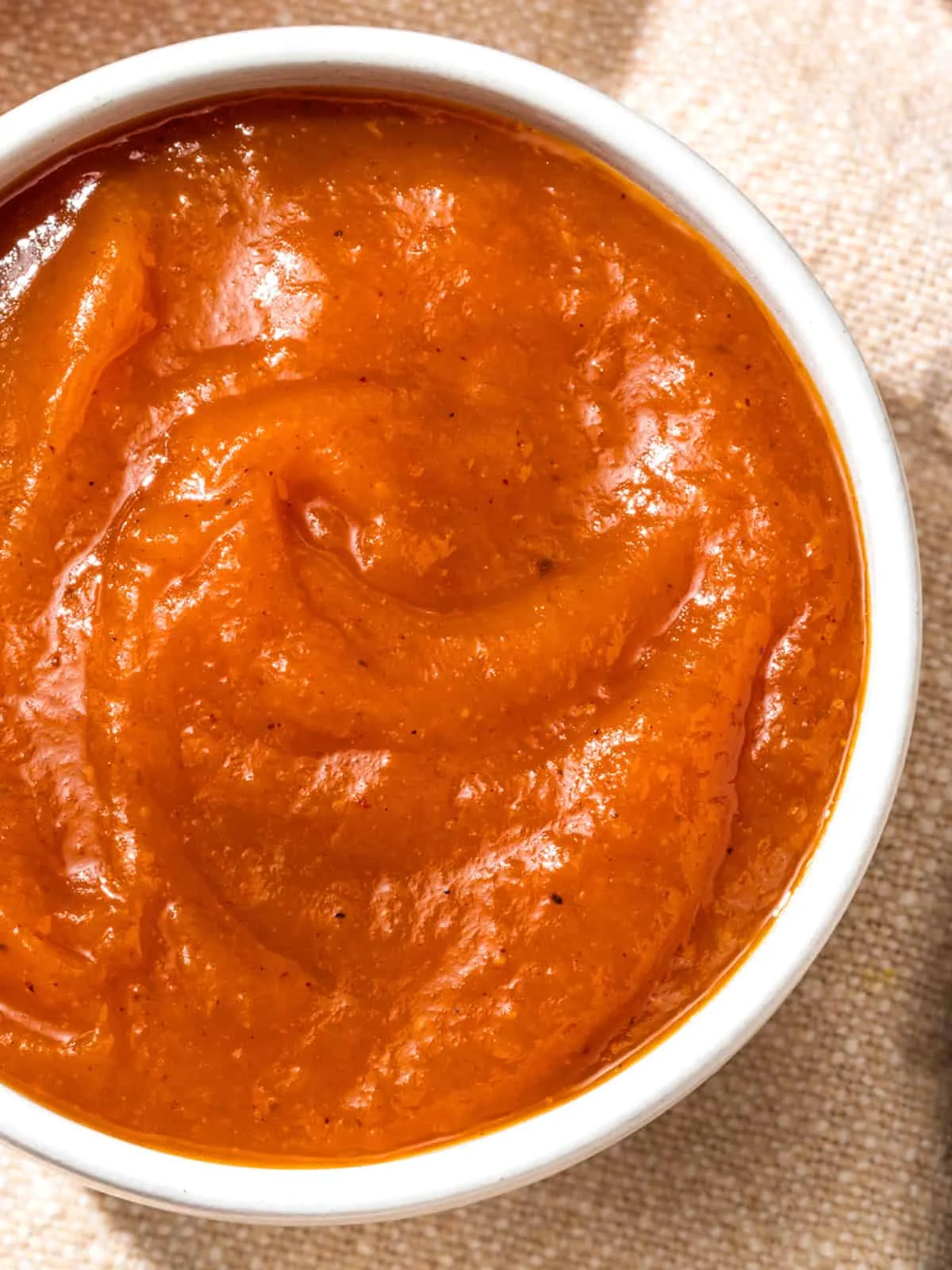
As the leaves turn amber and the air grows crisp, the culinary world shifts its focus toward the quintessential flavors of the season. While pumpkin spice lattes and roasted pumpkin seeds often dominate the conversation, a sophisticated and deeply flavorful condiment is quietly reclaiming its place on the breakfast table: Homemade Pumpkin Butter. Unlike the myriad of pumpkin-flavored products that rely on artificial extracts, authentic pumpkin butter is a slow-simmered, concentrated reduction of fresh pumpkin, aromatic spices, and natural sweeteners. It represents a bridge between the rustic traditions of the harvest season and the refined palate of the modern home cook.
Main Facts: The Anatomy of a Seasonal Staple
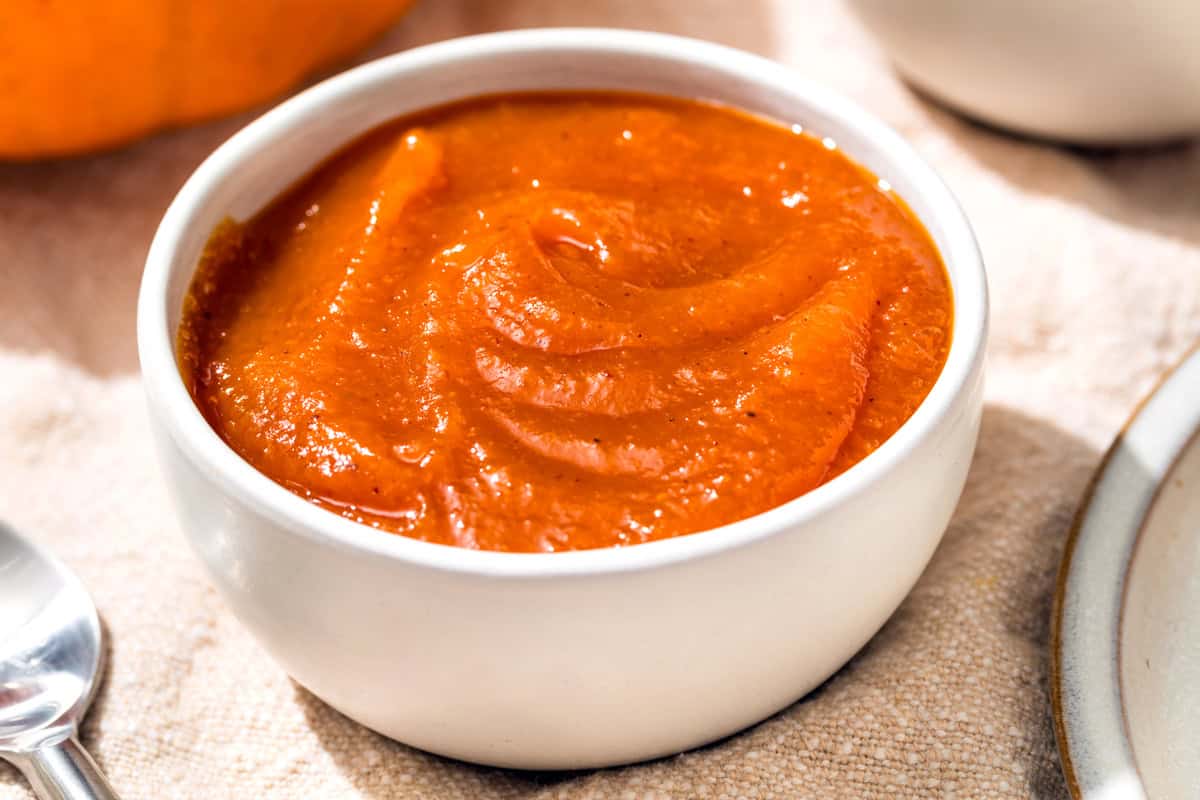
Despite the nomenclature, "pumpkin butter" contains absolutely no dairy. The term "butter" is a culinary designation for a fruit or vegetable puree that has been cooked down—typically with sugar and spices—until it achieves a dense, silky, and highly spreadable consistency. This technique is identical to the production of apple, plum, or pear butter.
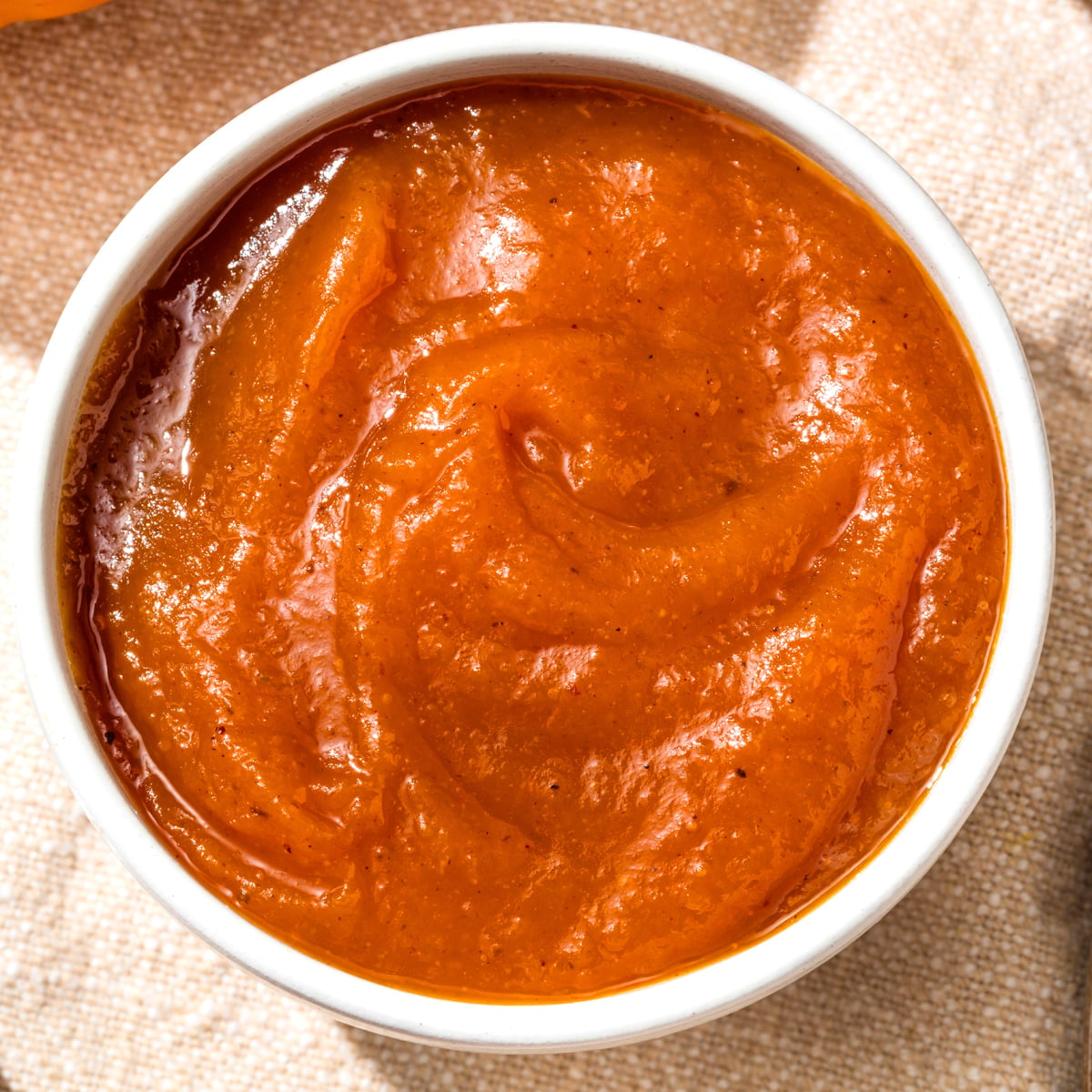
The transformation of raw pumpkin into this shelf-stable spread is a process of reduction. By simmering the pumpkin pulp with maple syrup, brown sugar, and a curated blend of warming spices, the water content is significantly lowered, effectively caramelizing the natural sugars and intensifying the flavor profile. The final product is a spread that boasts a complexity far beyond that of basic canned pumpkin puree. While puree serves as a blank canvas for baking, pumpkin butter is a finished, ready-to-eat luxury—a decadent addition to everything from morning oats to sophisticated charcuterie boards.
A Culinary Chronology: From Field to Jar
The journey to the perfect batch of pumpkin butter follows a precise, time-honored methodology. Whether starting with a fresh sugar pie pumpkin or high-quality canned puree, the process is rooted in the principles of patience and controlled heat.
The Preparation Phase
For those opting for fresh produce, the process begins with the selection of a "sugar pie" pumpkin—a variety smaller, sweeter, and denser than the standard carving pumpkin. The pumpkin is halved, deseeded, and roasted at approximately 400°F (200°C) until the flesh is fork-tender. This roasting stage is critical; it initiates the Maillard reaction, developing the deep, earthy undertones that are essential to the final flavor.
The Simmering and Reduction
Once the pumpkin flesh is scooped and pureed, it is moved to a heavy-bottomed saucepan or a slow cooker. The inclusion of spices—cinnamon, ginger, cloves, and nutmeg—is essential, but the real secret lies in the choice of sweeteners. A combination of dark brown sugar and pure maple syrup provides a nuanced sweetness, adding hints of molasses and wood-smoke that complement the natural brightness of the squash.
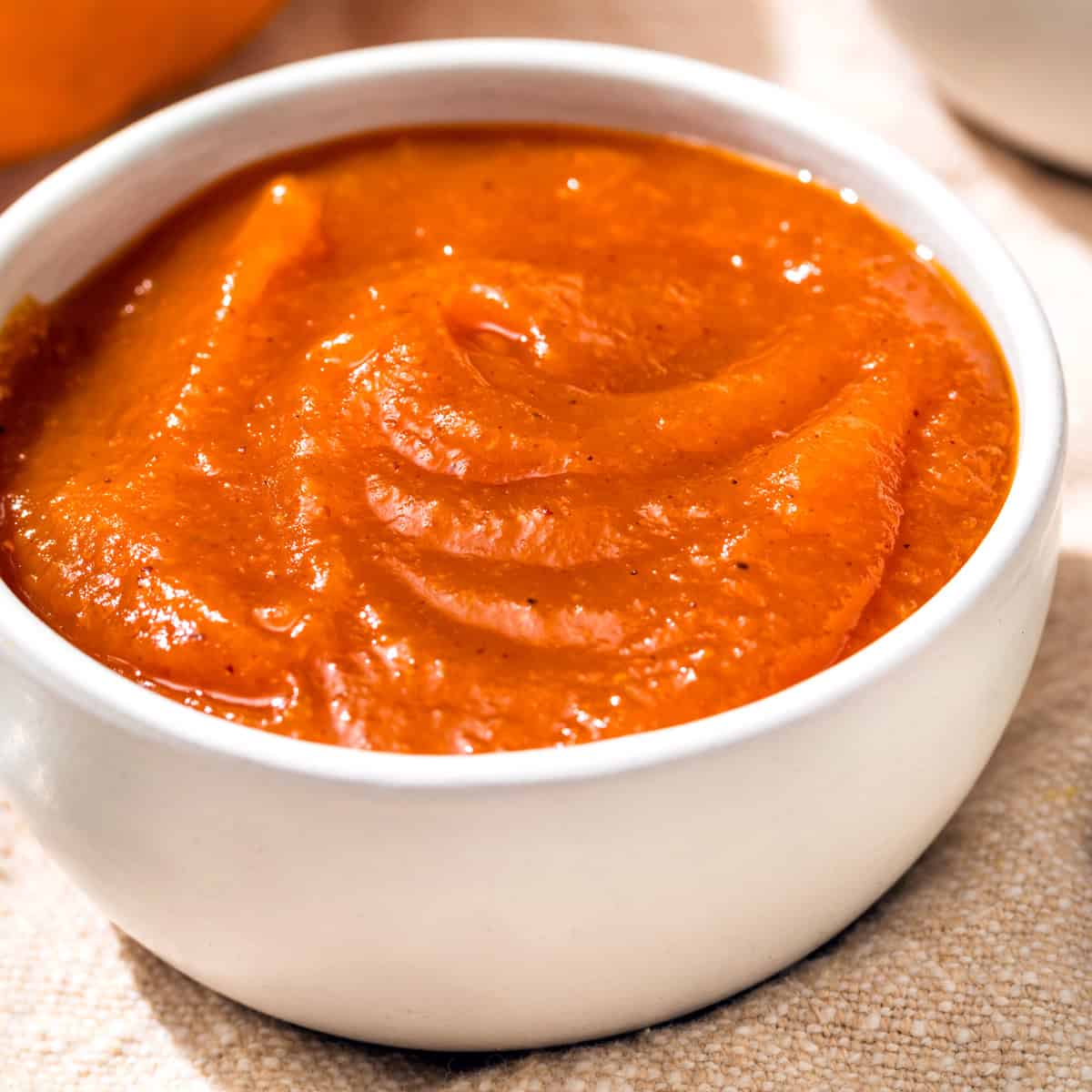
The mixture must be cooked over low heat for an extended duration. As the moisture evaporates, the texture shifts from a watery mash to a luxurious, velvet-like paste. This phase requires frequent stirring to prevent scorching, a risk that increases as the mixture thickens and its sugar content becomes more concentrated.
The Finishing Touches
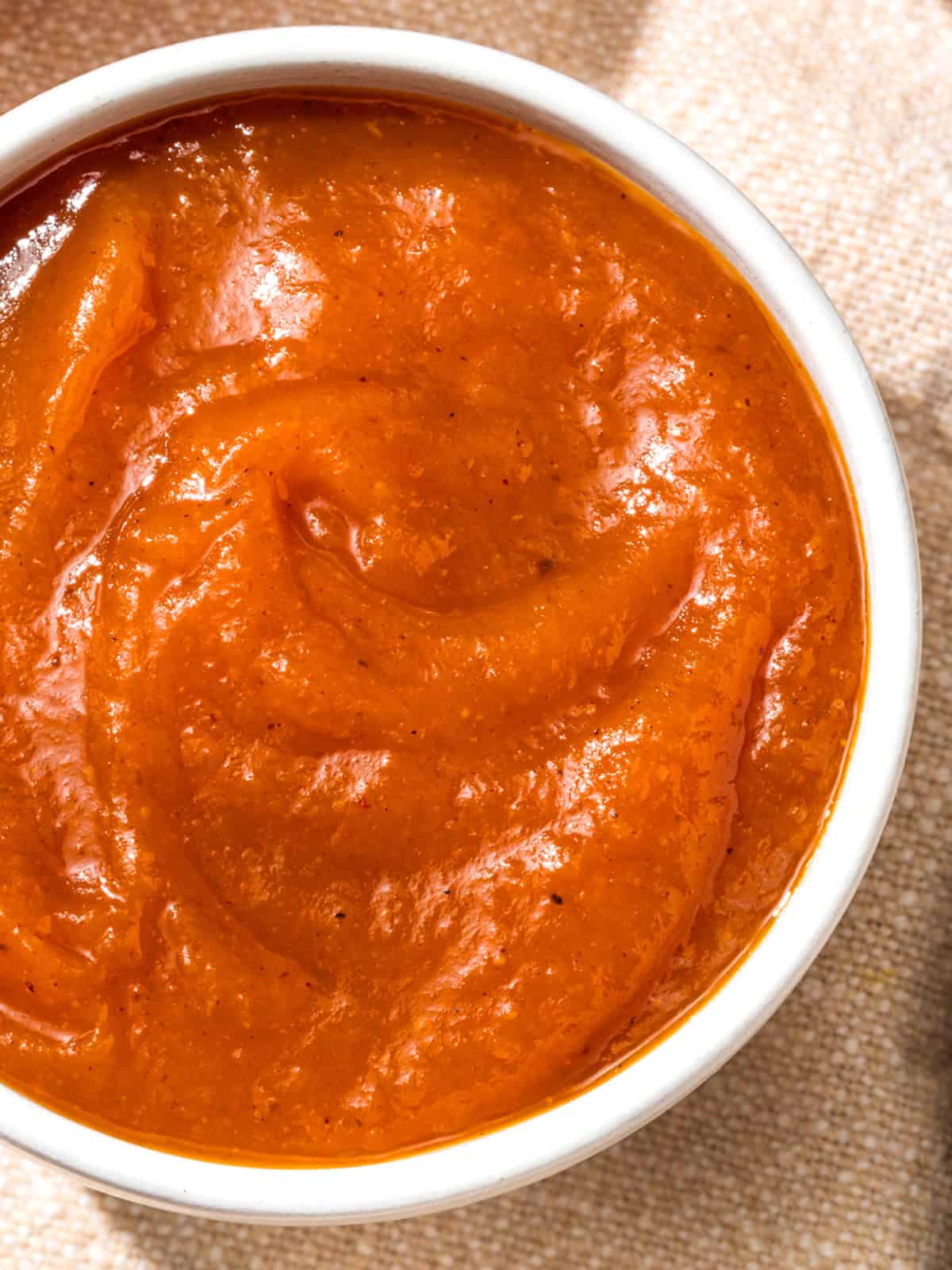
After the desired consistency is achieved—a stage often marked by a darker, more vibrant orange hue and a glossy sheen—the butter is cooled and transferred to airtight vessels. It is at this stage that the flavors truly marry, with the spices permeating every molecule of the pumpkin base.
Supporting Data and Nutritional Profile
From a nutritional standpoint, pumpkin butter offers a unique balance. A standard two-tablespoon serving contains approximately 61 calories. Because it is a concentrated spread, the sugar content is notable, yet it provides a source of fiber and vitamins often missing from traditional commercial jellies or jams.
| Nutrient | Amount per 2 tbsp Serving |
|---|---|
| Carbohydrates | 14g |
| Fat | 1g |
| Sodium | 52mg |
| Sugar | 13g |
| Protein | 0.03g |
It is important to note that because pumpkin is a low-acid vegetable, the pH level is generally not high enough to facilitate safe water-bath or pressure canning for long-term shelf storage. Consequently, culinary experts and food safety authorities recommend keeping the product refrigerated (where it will remain fresh for up to two weeks) or frozen (for up to three months).
Official Perspectives: The Professional Chef’s Take
Kimberly Killebrew, a renowned food writer and the creative force behind Daring Gourmet, emphasizes the versatility of the spread. "Pumpkin butter is one of the most underrated condiments of the autumn season," Killebrew notes. "When you make it from scratch, you aren’t just making a topping; you are creating a concentrated flavor experience that works as well on a piece of sourdough toast as it does in a gourmet yogurt parfait or as a glaze for roasted pork loin."
Professional kitchens have increasingly adopted this technique to elevate seasonal menus. By integrating pumpkin butter into savory dishes, chefs are moving beyond the "pumpkin spice" saturation and leaning into the vegetal, earthy potential of the squash itself.
Implications: A Sustainable Shift in Holiday Gifting
Beyond the domestic kitchen, the rise of homemade pumpkin butter signals a broader cultural shift toward artisanal, sustainable gift-giving. In an era of mass-produced holiday consumerism, a jar of handcrafted pumpkin butter represents a significant investment of time and intentionality.
Versatility in Application
The utility of this spread is limited only by the cook’s imagination. Its common applications include:
- Breakfast Enrichment: Swirled into Greek yogurt, spread over warm buttermilk pancakes, or stirred into steel-cut oats.
- Baking Enhancement: Used as a swirl in cheesecake batters, a filling for thumbprint cookies, or a topping for crepes.
- Savory Pairings: Acting as an accompaniment to sharp aged cheeses, such as sharp white cheddar or Gouda, or as a sophisticated base for a fall-themed crostini.
- Beverage Infusion: A spoonful whisked into hot cider or black tea adds body and a sophisticated, spiced finish.
Conclusion: The Art of the Slow Seasonal Life
The creation of homemade pumpkin butter is an act of defiance against the "hurried" nature of modern food culture. It requires the home cook to engage with the rhythm of the seasons—to roast, to stir, and to wait. In doing so, one produces more than just a jar of preserves; one creates a culinary anchor for the colder months.
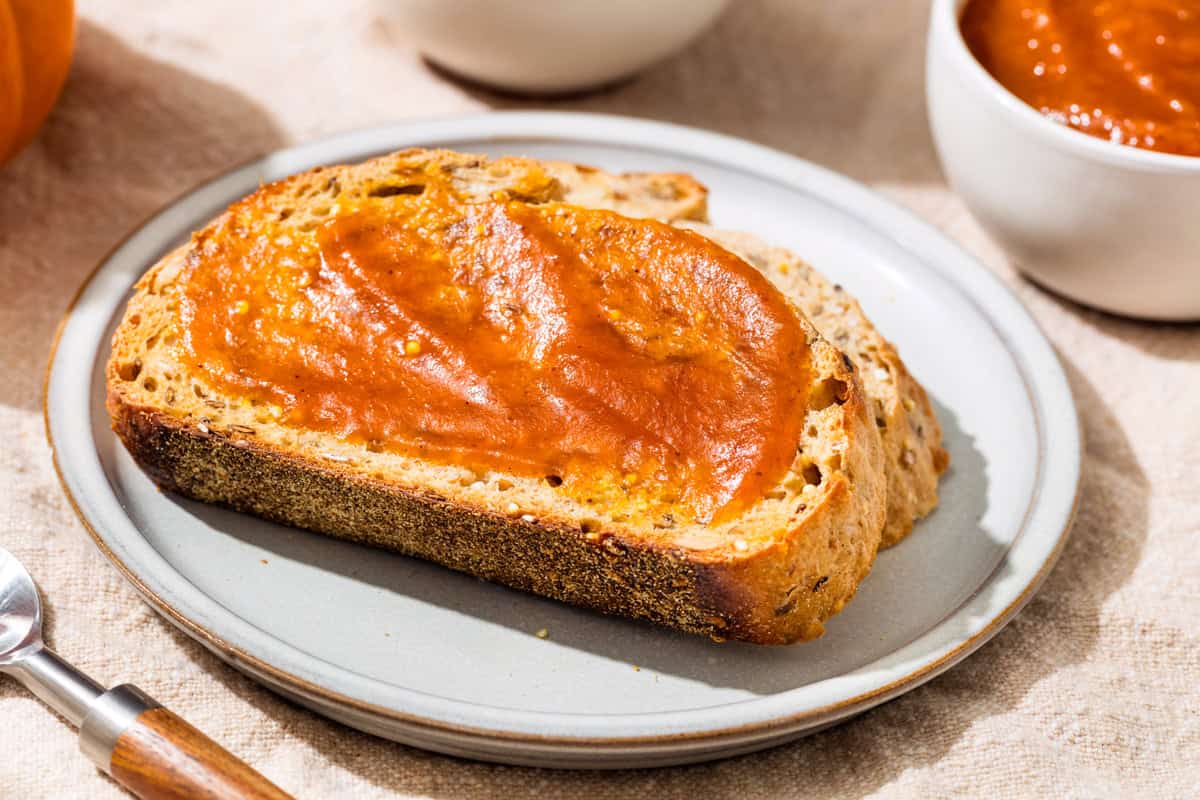
Whether it is gifted to friends in elegantly labeled mason jars or kept in the refrigerator for quiet, meditative Sunday breakfasts, pumpkin butter remains a testament to the idea that the most profound flavors are often those that require the most patience. As the culinary landscape continues to evolve, this simple, spiced reduction stands as a permanent fixture in the repertoire of those who view cooking not as a chore, but as an essential, sensory celebration of the harvest. By prioritizing fresh, whole ingredients and traditional reduction methods, the modern cook can transform a humble pumpkin into a seasonal masterpiece that lingers on the palate long after the last leaf has fallen.


