

 Azzam Bilal Chamdy
 Neng Nana
 Nana Muazin
 Dwi Wanna
 Raul Delapena Setiawan
 Asep Darmawan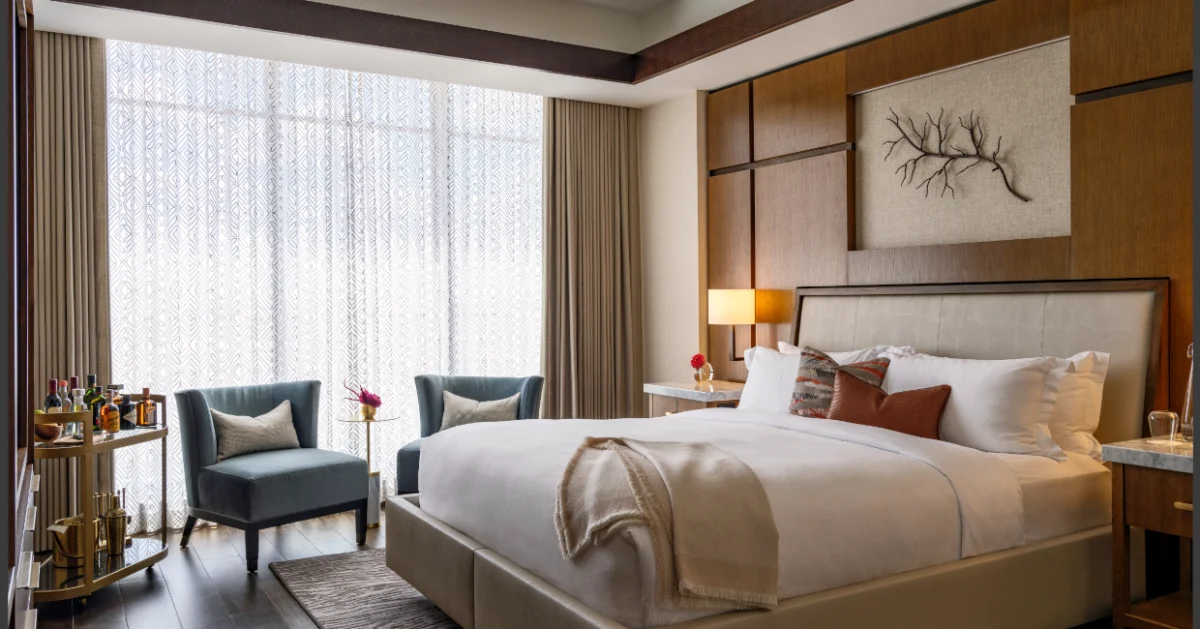
In a strategic move that promises to reshape the landscape of luxury and commercial hospitality, The Johnson Studio at Cooper Carry has officially launched its dedicated Hospitality Interior Design practice. While the firm has long been a titan in the world of restaurant, bar, and public space design, this expansion marks a formal commitment to the complete guest journey—extending their signature design philosophy into the intimate domain of hotel guestrooms.
By integrating this new service alongside Cooper Carry’s established architecture-focused Hospitality studio, the firm is positioning itself as a comprehensive, "under-one-roof" solution for hoteliers, developers, and hospitality groups looking to create seamless, narrative-driven environments.
The Genesis of an Industry Standard: A Chronology
To understand the weight of this announcement, one must look at the lineage of the design firm. Founded in 1987 by the visionary Bill Johnson, The Johnson Studio carved out a reputation for creating high-impact social spaces. For decades, the studio became synonymous with elevated dining and nightlife experiences, working on prestigious projects that prioritized the "energy" of a room.
- 1987: The Johnson Studio is founded by Bill Johnson, establishing a niche in sophisticated hospitality and restaurant design.
- 2016: A pivotal moment occurs when The Johnson Studio joins forces with the global design firm Cooper Carry. This merger created a "mixed-use ecosystem," allowing the creative agility of a boutique studio to benefit from the resources and scale of a larger architecture firm.
- 2016–2026: Throughout the last decade, the studio worked on iconic projects, including the Garden Room at the St. Regis Atlanta and the Cigar Club at the Ritz-Carlton in St. Louis. During this period, the studio began to organically expand its scope, frequently collaborating on larger hotel footprints.
- 2026: The formal launch of the Hospitality Interior Design practice signifies a strategic pivot. By officially incorporating guestroom design into their portfolio, the studio closes the gap between public-facing "front-of-house" design and private "in-room" comfort.
The Philosophy of "Full-Spectrum" Hospitality
The core differentiator for The Johnson Studio has always been its narrative-driven approach. In an era where "Instagrammability" is often mistaken for design quality, The Johnson Studio focuses on the "emotional residue" of a space—the lasting impression left on a guest long after they have checked out.
The Holistic Design Approach
Elizabeth Hughes, Associate Principal and Director of Interior Design at The Johnson Studio, emphasizes that the firm’s value lies in its ability to manage the transition between different zones of a hotel. "The Johnson Studio excels at creating full-spectrum hospitality experiences," Hughes explains. "We design for the moment the guest enters the lobby, through the dining experience, and finally, when they snuggle in for bed. We want to ensure that the story doesn’t stop at the elevator door."
This approach addresses a common pain point in hotel development: the "disconnected guest journey." Often, hotels are designed by multiple firms, leading to a clash in aesthetic, brand voice, and material palette. By unifying these elements under the Cooper Carry umbrella, the firm ensures that the architecture, interior design, branding, and experiential graphics speak the same language.
Supporting Data: A Proven Track Record
The expansion into guestroom interiors is not a departure into unknown territory, but rather a formalization of a capability they have already demonstrated in world-class projects. The firm’s portfolio provides a compelling argument for their ability to handle complex, high-end hospitality environments.
Key Project Highlights:
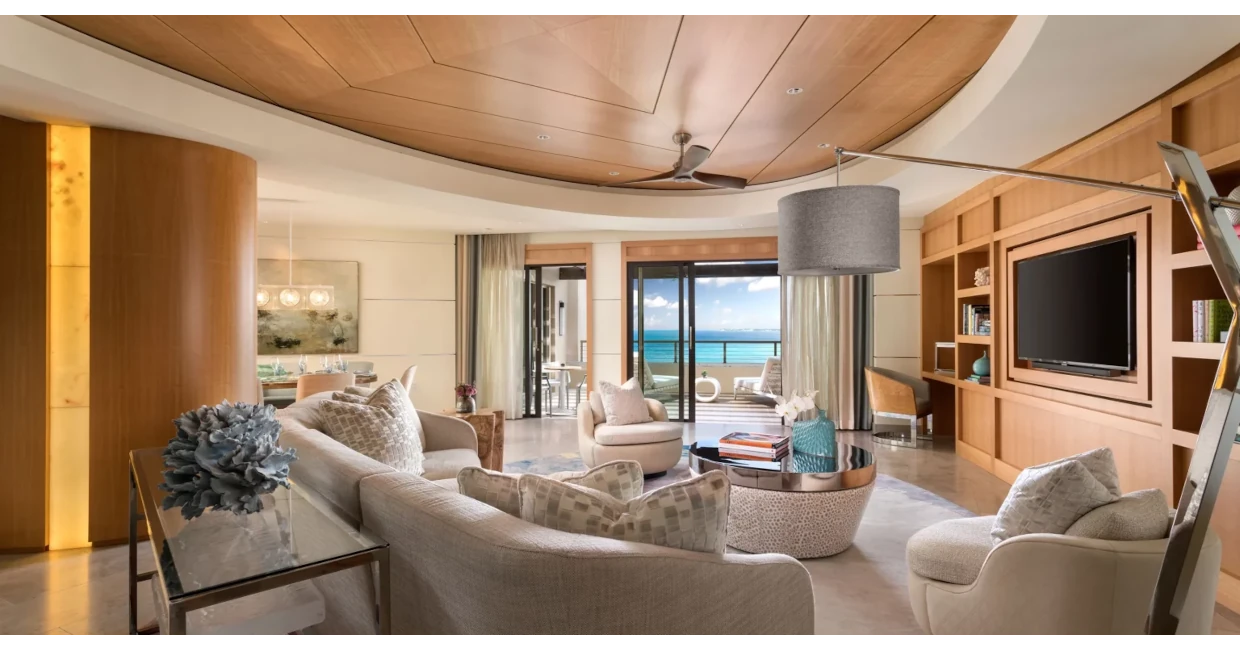
- Seven South Suites at The Ritz-Carlton, Grand Cayman: A masterclass in luxury, where the design reflects the intersection of island tranquility and five-star sophistication.
- The Laurel Hotel & Spa, Auburn, Alabama: A project that balances academic tradition with modern luxury, showcasing the firm’s versatility in regional storytelling.
- Frenchman’s Reef Resort, St. Thomas: A massive undertaking that required the integration of resort-style public spaces with guest accommodations, demonstrating the studio’s scale and logistical prowess.
- The Westin & Buoy Haus Autograph Collection: A testament to their ability to manage dual-branded properties with distinct identities while maintaining a shared operational backbone.
- Grand Hyatt Washington, D.C.: An example of urban hospitality design that meets the rigorous demands of business travel while maintaining an elevated, experiential aesthetic.
Official Perspectives: Leadership on the Evolution
The move has been met with enthusiasm from the firm’s leadership, who see this as a natural maturation of the studio’s service model.
"The hospitality interior design practice formalizes the work we’ve been doing for years," says Juliana Kerschen, Principal of The Johnson Studio. "It is a natural next step for a studio built on decades of hospitality experience. We understand how to create environments that function and respond to evolving guest expectations."
Kerschen’s comments touch on a critical aspect of modern hospitality: functional flexibility. Modern guests are no longer just looking for a place to sleep; they are looking for "third spaces"—areas where they can work, socialize, and decompress. The studio’s ability to design for these shifting behaviors, informed by years of restaurant and bar design, gives them a unique competitive edge.
Elizabeth Hughes adds to this sentiment, noting the importance of the "narrative thread." "Aesthetics are important, but we also want guests to leave with a lasting impression that evokes emotion and memories," Hughes says. "We weave a cohesive story throughout each project so that the lobby, the restaurant, and the room feel like chapters in the same book."
Implications: A New Competitive Landscape
The launch of this practice has significant implications for the broader architecture and design (A&D) industry.
1. The Power of the "Mixed-Use Ecosystem"
Cooper Carry’s model of a "mixed-use ecosystem" is becoming increasingly attractive to developers. In a market where speed-to-market and budget control are paramount, having architecture, interior design, and branding under one roof reduces the friction of inter-firm communication. It eliminates the "blame game" between architects and interior designers, as both are now accountable to the same internal standards and vision.
2. The Influence of Restaurant Design on Guestrooms
Historically, guestroom design has been somewhat static, governed by rigid brand standards. However, as the lines between hotels and lifestyle brands blur, there is a growing demand for the "energy" found in top-tier restaurants to be translated into the guestroom. The Johnson Studio’s background in designing high-energy, successful dining venues (such as 1587 Prime in Kansas City or Rumi’s Kitchen) allows them to bring a "hospitality-first" mindset to the room, focusing on lighting, textures, and intimacy in ways that traditional guestroom designers might overlook.
3. Elevated Guest Expectations
The post-2020 traveler is more discerning than ever. They are sensitive to the "story" of a hotel and demand more than just a clean bed. The Johnson Studio’s focus on "full-spectrum" experiences meets this demand head-on. By creating a unified design language, the firm helps hotel operators deliver the "surprise and delight" moments that build brand loyalty and drive repeat bookings.
Conclusion: Looking Ahead
As The Johnson Studio at Cooper Carry integrates this new practice, the industry will be watching to see how their signature, high-energy design DNA transforms the guestroom experience. With a foundation built on 40 years of expertise and the operational backing of a global architecture firm, the studio is well-positioned to lead the next generation of hospitality design.
For developers and owners, the message is clear: the future of hospitality lies in the cohesion of the environment. By removing the silos between public and private spaces, The Johnson Studio is not just designing rooms; they are curating the entirety of the guest experience—from the first impression in the lobby to the final memory of the stay. As they continue to expand their reach, they set a new benchmark for what it means to be a "full-spectrum" hospitality design firm.


 Lina Hope
