

 Azzam Bilal Chamdy
 Neng Nana
 Nana Muazin
 Dwi Wanna
 Raul Delapena Setiawan
 Evan Lee Salim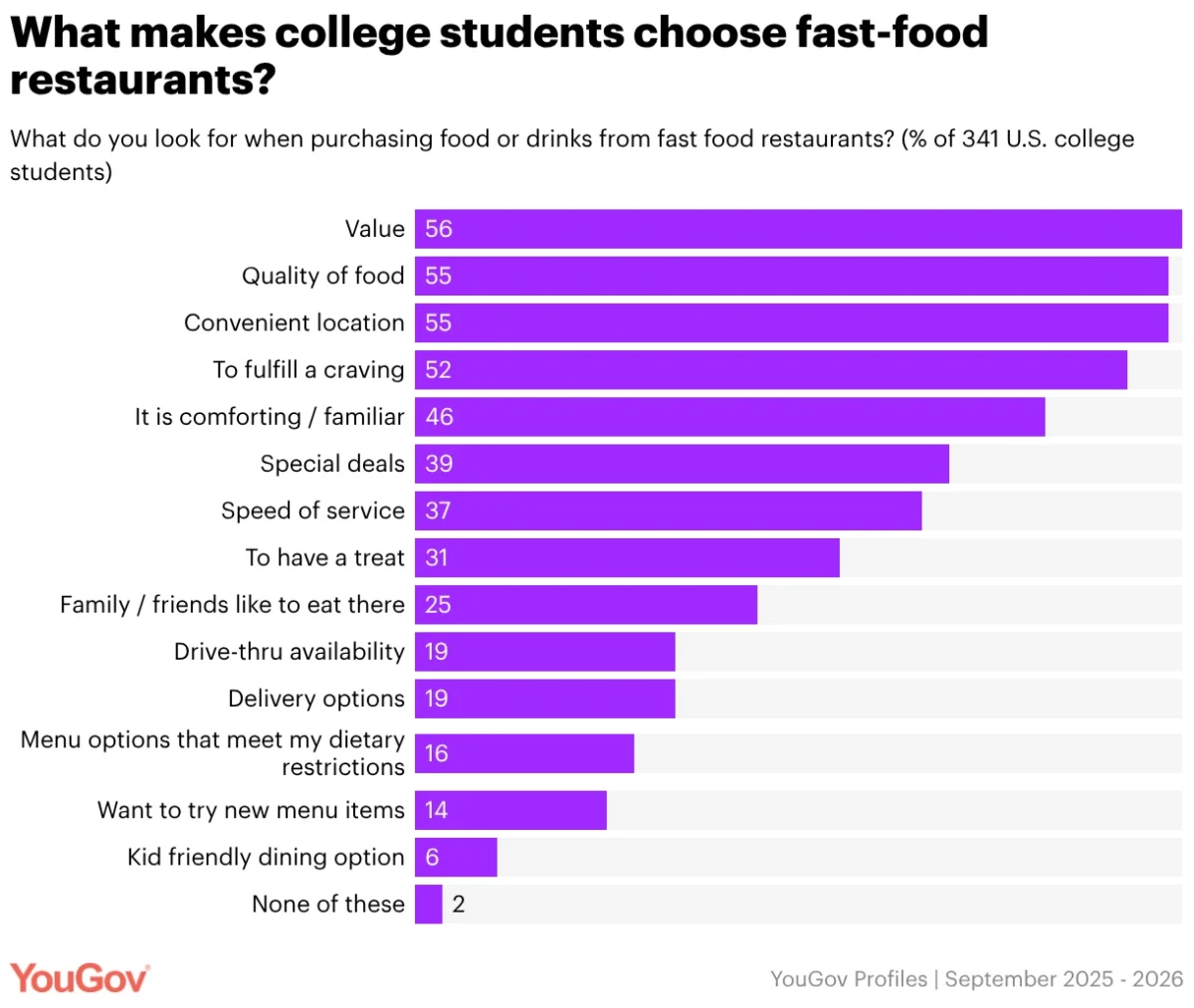
As we head into the final quarter of 2026, the restaurant industry finds itself at a fascinating crossroads. From the integration of generative AI in how consumers discover their next meal to a profound shift in how we perceive the "career" of restaurant work, the landscape is shifting. This edition of Modern Restaurant Management’s Research Roundup dives deep into the data, examining how the sector is adapting to technological disruption, changing labor perceptions, and the rise of global flavor trends.
I. The Human Element: Redefining the Restaurant Career
For years, the narrative surrounding restaurant employment has often centered on "short-term" work. However, new research from the National Restaurant Association’s report, Made in Restaurants: Industry Careers in America, challenges this conventional wisdom.
Bridging the Perception Gap
The study reveals a striking divide between those who have worked in the industry and those who have not. While 86 percent of current restaurant employees view the industry as a platform for long-term career growth, only 54 percent of the general public—who have never stepped behind the counter—share that sentiment.
This perception gap extends to workplace realities. Outsiders often cite scheduling and compensation as insurmountable hurdles. Yet, current employees report high satisfaction levels, with 96 percent expressing overall contentment with their work experiences. Perhaps most tellingly, 86 percent of current industry professionals state they are likely to remain in the sector until retirement.
Transferable Skills and Mobility
The restaurant floor is increasingly viewed as an incubator for professional development. Beyond the immediate task of service, 82 percent of employees report that their roles have equipped them with durable, transferable skills—leadership, time management, adaptability, and high-level communication. With 89 percent of employees feeling there is a clear path for advancement, the restaurant industry is proving to be a robust training ground for the modern workforce.
II. The AI Revolution: The New Discovery Engine
Artificial intelligence is no longer a futuristic concept; it is the new front door for independent restaurants. According to recent data from Menufy, the way consumers choose where to eat is undergoing a fundamental transformation.
The Rise of Conversational Discovery
AI-powered tools such as ChatGPT, Google AI Mode, and Perplexity are becoming the primary search engines for the hungry. Sixty percent of consumers now use these tools to make dining decisions. More importantly, this usage is driving tangible business: 35 percent of consumers report that an AI recommendation introduced them to a restaurant they had never heard of, leading to a direct visit or order.
A Level Playing Field for Independents
Perhaps the most significant implication for the industry is that AI favors independent, local establishments over national chains. Seventy-eight percent of consumers believe AI makes it easier to discover locally owned restaurants. Furthermore, 76 percent of diners are likely to try a local spot recommended by AI, compared to 65 percent for national chains.
However, technology is only the first step in the journey. The data indicates that AI serves as a "validator." Only two percent of consumers will book an order based solely on an AI prompt; the majority (54 percent) will pivot to the restaurant’s official website or check reviews before finalizing their transaction. This places a premium on digital hygiene—up-to-date menus and a credible online presence are no longer optional for small business owners.
III. Market Trends: Coffee, Burgers, and Global Flavors
Brewing Up Competition
The coffee sector is seeing a shift in competitive dynamics. While industry titans continue to dominate, agile upstarts like 7 Brew Coffee and Scooter’s Coffee are making aggressive moves. Between January and August 2026, 7 Brew saw a 41.6 percent surge in foot traffic, highlighting a trend where consumers are seeking convenience and specific day-part offerings. While Scooter’s dominates the morning commute, 7 Brew has successfully captured the afternoon and evening crowd with energy-focused beverages, proving that segmenting the day can lead to significant market share.

The "Dubai-Style" Chocolate Phenomenon
Global flavors are migrating from niche culinary curiosity to mainstream staples. Curion’s latest report shows that 87 percent of Gen Z consumers prioritize authenticity, seeking out brands that source ingredients from the country of origin. The "Dubai-style" chocolate bar, for instance, has seen adoption rates more than double in five years.
Brands that win in this space are those that adopt a "cultural stewardship" approach—honoring the history and sourcing of a product—rather than simply chasing viral trends with cheap substitutions. As the market matures, the consumers are becoming more sophisticated, often comparing versions of a product before deciding where to spend their money.
IV. Supporting Data: The Economic Pulse
Tipping and Menu Prices
Toast’s Q2 2026 Tipping Index confirms that consumer behavior remains steady despite economic pressures. The national average tip stands at 18.8 percent. Interestingly, regional variance remains high, with Delaware leading the nation at 21.4 percent, while California reports the lowest at 17.1 percent.
Menu pricing continues to fluctuate under inflationary pressures. While the median price of an omelette remains flat, the cost of a cold brew has reached $5.66. Hot dogs remain the only item to see a slight price decrease, while burgers and chicken wings have seen marginal increases, reflecting the volatile costs of protein and supply chain logistics.
The Loyalty Paradox
Paytronix’s 2027 Coffee and Cafe Loyalty report highlights a critical reality for operators: enrollment does not equal engagement. The average consumer belongs to 19 loyalty programs but is only active in nine. For restaurants, the battle is not for registrations, but for the "second visit." Once a first-time guest returns for a second time, their likelihood of becoming a repeat customer increases exponentially.
V. Official Responses and Industry Implications
What Drives the Student Diner?
For the college-aged demographic, high prices are the primary deterrent. A YouGov analysis indicates that for students, the "Holy Trinity" of dining—value, food quality, and convenience—is the deciding factor. Brands that fail to balance these three pillars are quickly losing this vital demographic to competitors who can offer a consistent experience at a lower entry point.
The "Best of the Best"
The industry continues to celebrate excellence, with Tripadvisor’s 2026 Travelers’ Choice Awards highlighting Fogón Asado in Buenos Aires as the world’s top fine-dining destination. These awards serve as a reminder that regardless of AI or digital trends, the core of the restaurant business remains the experiential—the human connection between chef, service, and guest.
VI. Strategic Implications for the Future
The convergence of these trends suggests a clear mandate for restaurant owners and operators heading into 2027:
- Invest in Digital Identity: As AI becomes the primary discovery engine, a restaurant’s digital "footprint"—its website, menu accuracy, and review presence—must be flawless.
- Prioritize Authenticity: As Gen Z and younger demographics continue to demand provenance and cultural integrity, brands should focus on the "why" behind their menu. Authenticity is a long-term strategy for customer retention.
- Optimize the Workforce: With high levels of employee satisfaction and a strong desire for long-term career growth, operators should focus on retention through internal promotion and skill-building programs. The "turnover" narrative is being replaced by a "career-building" reality.
- Embrace Data-Driven Loyalty: Moving beyond simple enrollment numbers is critical. Operators must leverage guest data to create personalized experiences that keep customers engaged in their loyalty programs, rather than being just another inactive card in their digital wallet.
Conclusion
The restaurant industry in late 2026 is defined by a blend of high-tech discovery and high-touch service. While AI and global trends are changing the how and what of dining, the fundamental why remains rooted in quality, authenticity, and the human experience. Those who can navigate the digital shift while maintaining the cultural integrity of their offerings are the ones who will define the next chapter of the industry.


 Lina Hope
