

 Ali Ikhwan

 Iffa Jayyana

 Muslim

 Nana

 Dwi Wanna
 Nana Wu
By Editorial Staff | October 16, 2026
As the holiday season approaches, the perennial challenge for every home host returns with familiar intensity: how to provide high-quality cocktails for a crowd without spending the entire party trapped behind the bar. While the art of batching has long been a staple of professional mixology, the logistics of sourcing enough premium spirits to serve a large guest list often present a significant hurdle. For those hosting gatherings of 50 or more, the standard 750ml bottle—which typically yields a modest 12 to 15 servings—is increasingly proving insufficient.
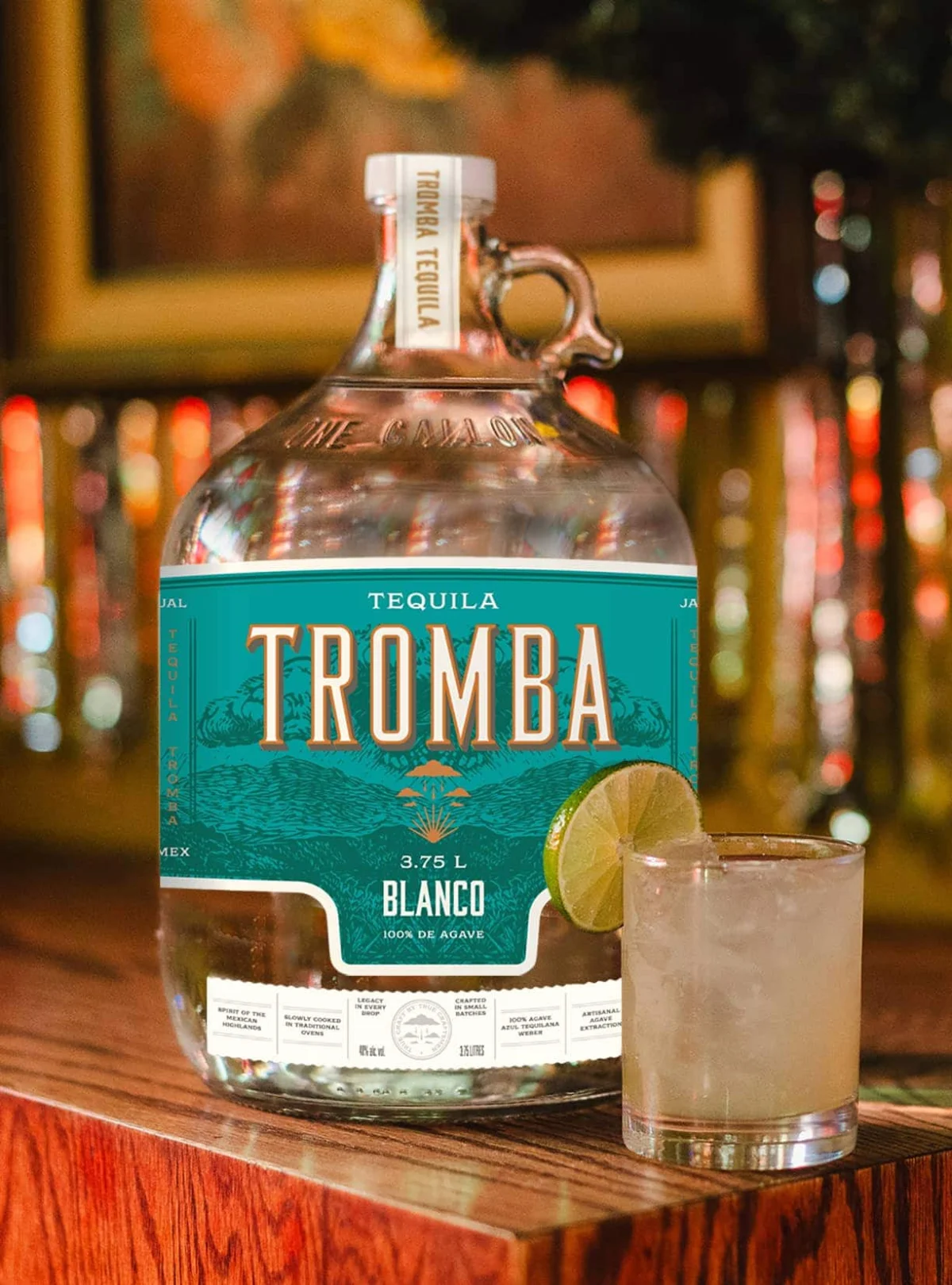
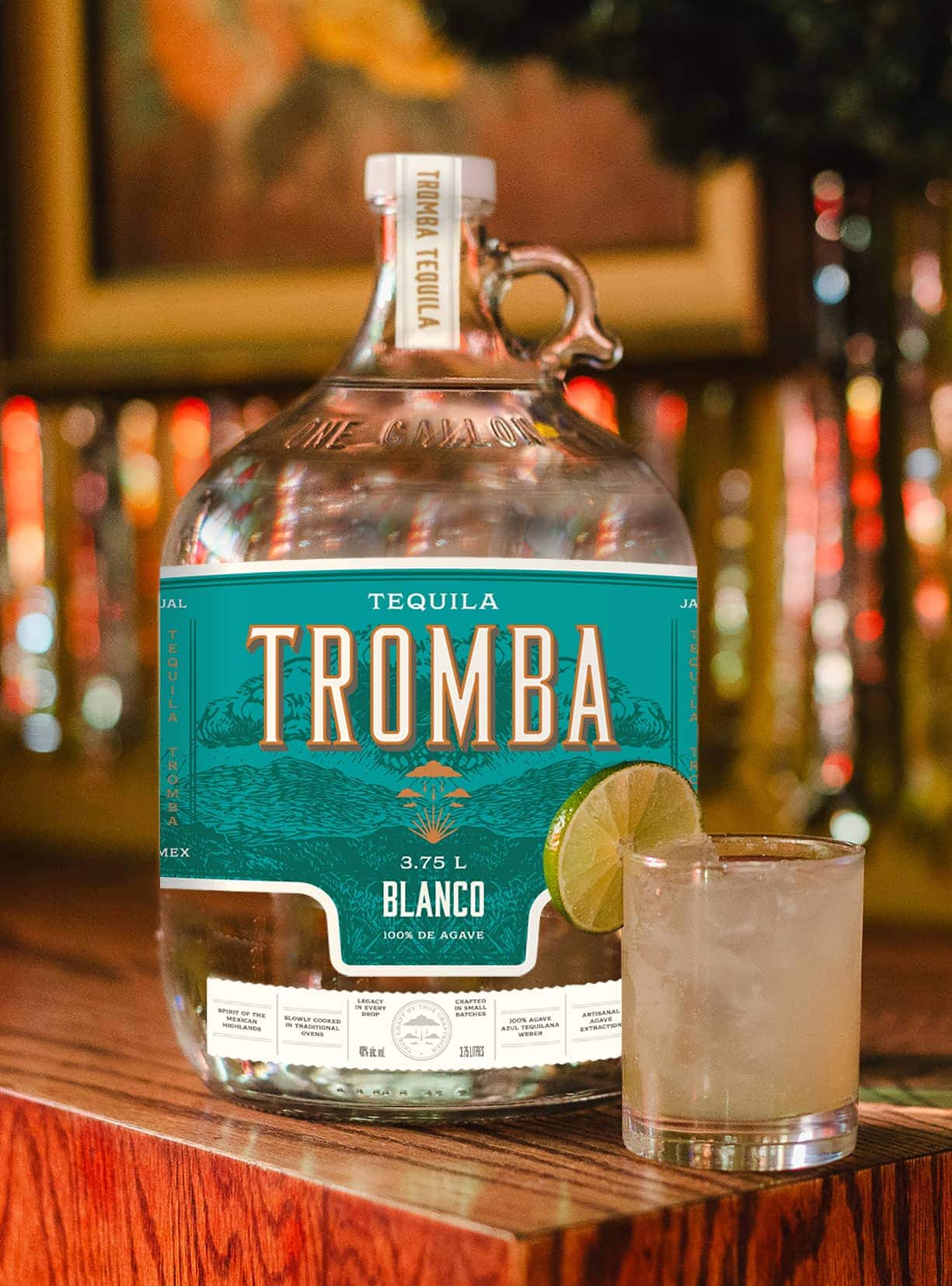
However, a shift in the spirits industry toward "extra-large" formats is offering a solution that is as practical as it is sustainable. Leading this movement is the recent introduction of the Tromba Extra Grande Blanco Tequila, a 3.75-liter jug that is redefining how hosts approach large-scale cocktail service.
Main Facts: The Rise of the 3.75L Format
The concept of "bulk" alcohol has traditionally been associated with low-quality, bottom-shelf spirits. The introduction of the Tromba Extra Grande Blanco marks a departure from this perception, offering a high-end, 100-percent Blue Weber agave tequila in a massive 3.75-liter format.
Designed specifically for high-volume service, this bottle is currently the largest spirits format available in the United States. For a host preparing for a large gathering, the math is compelling: where a standard 750ml bottle might result in a frantic search for backup spirits mid-party, a single 3.75-liter jug provides enough volume to craft approximately 65 standard Margaritas.

Beyond the sheer volume, the product addresses a significant economic pain point. By consolidating five standard bottles into one vessel, consumers can see savings of up to 30 percent compared to purchasing individual units. This efficiency is paired with a clear environmental benefit—a significant reduction in the glass, labeling, and cardboard packaging required to deliver the same amount of liquid, aligning with the growing consumer demand for sustainable practices in the beverage industry.
Chronology of a Shift in Hosting
The movement toward accessible batching has evolved significantly over the past decade.
- 2015–2019: The Rise of the Craft Cocktail Home Movement: As cocktail culture exploded, home bartenders began experimenting with complex syrups and fresh juices. The focus was on quality, but the effort required to make individual drinks remained high.
- 2020–2022: The Pandemic Batching Pivot: Global lockdowns necessitated a shift toward batching. Home bartenders, unable to visit bars, began mixing large-format cocktails, leading to a surge in interest for "punch-style" recipes that could be prepared in advance.
- 2023–2025: The Efficiency Wave: As hosting returned to pre-pandemic levels, the industry noticed a gap: hosts were tired of buying dozens of small bottles. Industry analysts began tracking a rise in "party-sized" purchases, particularly in the tequila category, which has seen explosive growth.
- Late 2026: The Arrival of Extra Grande: The official release of the Tromba Extra Grande Blanco represents the commercial formalization of this trend, providing a premium-tier, high-volume option that had previously been missing from the retail landscape.
Supporting Data: Why Size Matters
To understand why the 3.75-liter format is gaining traction, one must look at the economics of the "Margarita Math." When hosting a party for 50 people, a standard recipe calls for roughly 2 ounces of tequila per drink.
The Cost-Efficiency Breakdown
- Standard Method: 50 drinks x 2 oz = 100 oz of tequila. A 750ml bottle contains 25.36 oz. This requires 3.94 bottles—meaning the host must purchase four bottles.
- The Large-Format Advantage: A 3.75-liter bottle contains approximately 126.8 oz. One jug easily covers the 100 oz requirement for 50 guests, with room for extra pours or a few "extra-thirsty" guests.
Environmental Impact
The sustainability aspect of this shift is profound. By utilizing one large vessel, the carbon footprint associated with shipping and manufacturing glass is reduced by nearly 20 percent compared to the equivalent volume in 750ml bottles. For environmentally conscious brands, this is a major selling point in a market that is increasingly scrutinized for its packaging waste.
Official Perspectives and Regulatory Realities
While the convenience of the Extra Grande is undeniable, the rollout has not been uniform across the United States. Due to the complex nature of American liquor laws—which are governed on a state-by-state basis—the availability of this format is restricted.
At present, the 3.75-liter Tromba format is not legal for retail sale in Florida, Louisiana, Michigan, and Alabama. These restrictions stem from archaic "cap" laws on the size of spirits packaging, many of which were designed decades ago to regulate traditional bottle sizes and have not yet been updated to reflect modern consumer needs.
Industry advocates are currently in dialogue with regulatory boards in these states, arguing that the size serves as a convenience for home entertainment rather than a risk to public safety. "The goal is to modernize the category," notes one industry spokesperson. "The Extra Grande is intended for the host who wants to streamline their party planning, not to change the fundamental way spirits are distributed."
Tasting Notes: A Premium Experience
A primary concern for skeptics of large-format spirits is the potential for quality degradation. Tromba, however, has maintained its commitment to the spirit’s integrity. The Extra Grande Blanco is produced from 100-percent Blue Weber agave grown in the Highlands of Jalisco.
The flavor profile is consistent with the distillery’s reputation for clean, additive-free production:
- Aroma: A crisp, inviting bouquet of cooked agave, punctuated by bright notes of grilled pineapple and fresh citrus.
- Palate: The initial sweetness of the agave is balanced by a distinct minerality and a subtle, peppery finish.
- Mixability: Because of its balanced profile, it is specifically designed to stand up to the acidity of fresh lime juice and the sweetness of agave nectar, making it an ideal candidate for large-batch Margaritas.
For those who lean toward barrel-aged spirits, the brand has confirmed that an Extra Grande Reposado will be arriving at retail shelves by the end of 2026, signaling a broader commitment to the large-format category.
Implications: The Future of Home Entertaining
The introduction of the 3.75-liter tequila format is more than just a logistical convenience; it represents a fundamental change in the "hosting social contract." As we move into the late 2020s, the expectation for high-quality, craft-level cocktails at home is the new baseline.
The End of the "Bartender Host"
The greatest implication of this trend is the liberation of the host. In the past, the host was often a part-time bartender, spending 30 seconds to a minute per drink. With large-batch recipes and a reliable, high-volume spirit source, the host can transition from "mixologist" to "socializer."
A New Standard for Sustainability
If the Extra Grande proves successful, it is highly likely that other major tequila producers—and potentially other spirits categories like gin or vodka—will follow suit. This could lead to a permanent change in how spirits are sold in big-box retailers, where the focus will shift from the sheer number of bottles on a shelf to the efficiency of the format.
Final Thoughts for the Season
As you plan your holiday gatherings, the lesson is clear: complexity is not a requirement for excellence. By choosing the right ingredients and embracing the efficiency of the new large-format spirits, you can ensure that your holiday parties are as seamless as they are spirited.
Whether you are shaking up a classic Margarita for an intimate group or batching for a crowd of 50, the Extra Grande offers a glimpse into a more efficient, sustainable, and enjoyable future for home entertaining. With a retail price point around $69.99, it proves that you don’t need to break the bank to elevate the bar.

 Asro

 Sagoh

