Asro

 Sagoh

 Rifan Muazin
 Lina Irawan

 Laily UPN
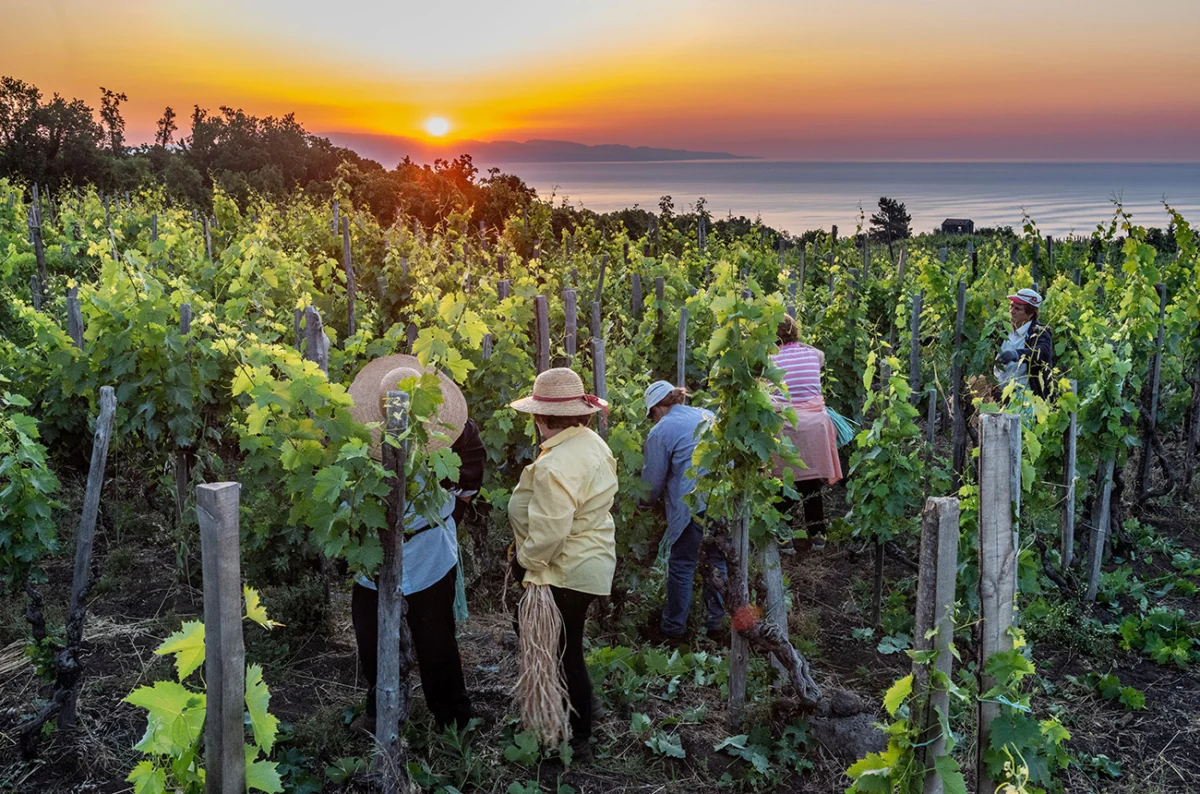
In the vast, sun-drenched landscape of Sicily, two polar opposites are currently defining the island’s future. To the northeast, the jagged, volcanic slopes of Mount Etna reach toward the heavens, offering cool-climate precision and mineral-heavy complexity. To the far west, the saline, wind-whipped coastal plains of Marsala—a region once synonymous with fortified, industrial-scale production—are undergoing a quiet, sophisticated revolution.
Together, these regions represent a seismic shift in Italian viticulture. For decades, Sicily was perceived primarily as a "volume engine" for the European wine market, a place where quantity consistently overshadowed quality. Today, however, that narrative has been dismantled. A new generation of producers, ranging from historical estates to innovative boutique startups, has pivoted toward a terroir-focused philosophy, proving that Sicily’s diverse microclimates are capable of producing some of the most compelling wines in the world.
The Evolution of the Sicilian Landscape
The transformation of Sicilian wine is not merely a marketing pivot; it is an ontological shift in how the land is treated. For much of the 20th century, the island’s output was dominated by high-yield cooperatives and the mass production of Marsala wine. While these wines were historically significant, the focus was often on consistency and bulk export rather than the expression of specific soil profiles.
The Rise of Etna: The Volcano’s Gift
Etna has become the poster child for this renaissance. The "Etna Rosso" phenomenon has captivated collectors globally, driven by the unique volcanic soils and the high altitude of the vineyards. Producers like Benanti and Passopisciaro have become household names among connoisseurs, demonstrating that the Nerello Mascalese grape can rival the elegance of Burgundy’s Pinot Noir. The 2024 vintage, in particular, has been hailed by experts for its "nervous energy," ferrous minerality, and structural integrity.
The Rebirth of Marsala: Beyond the Fortified
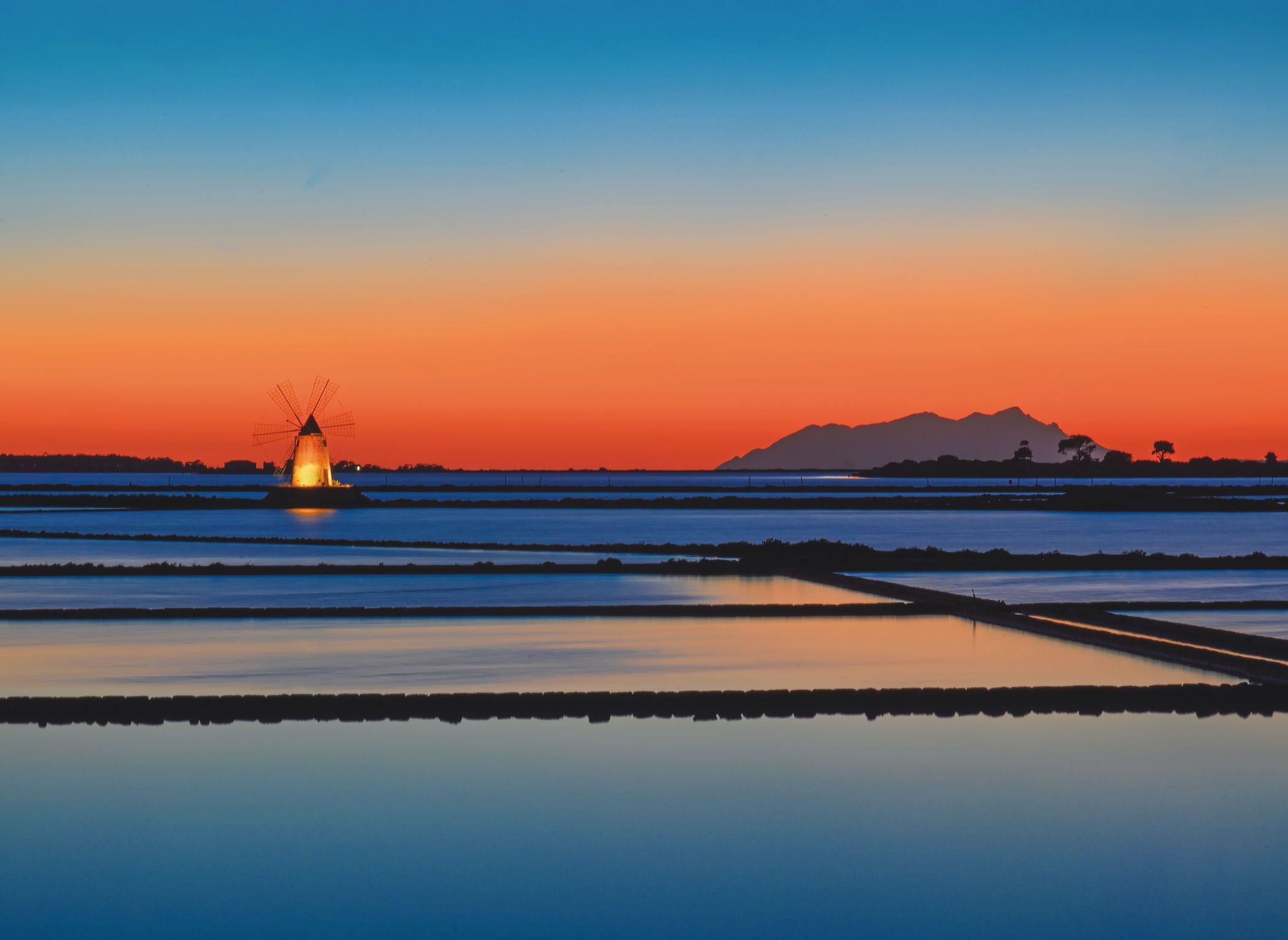
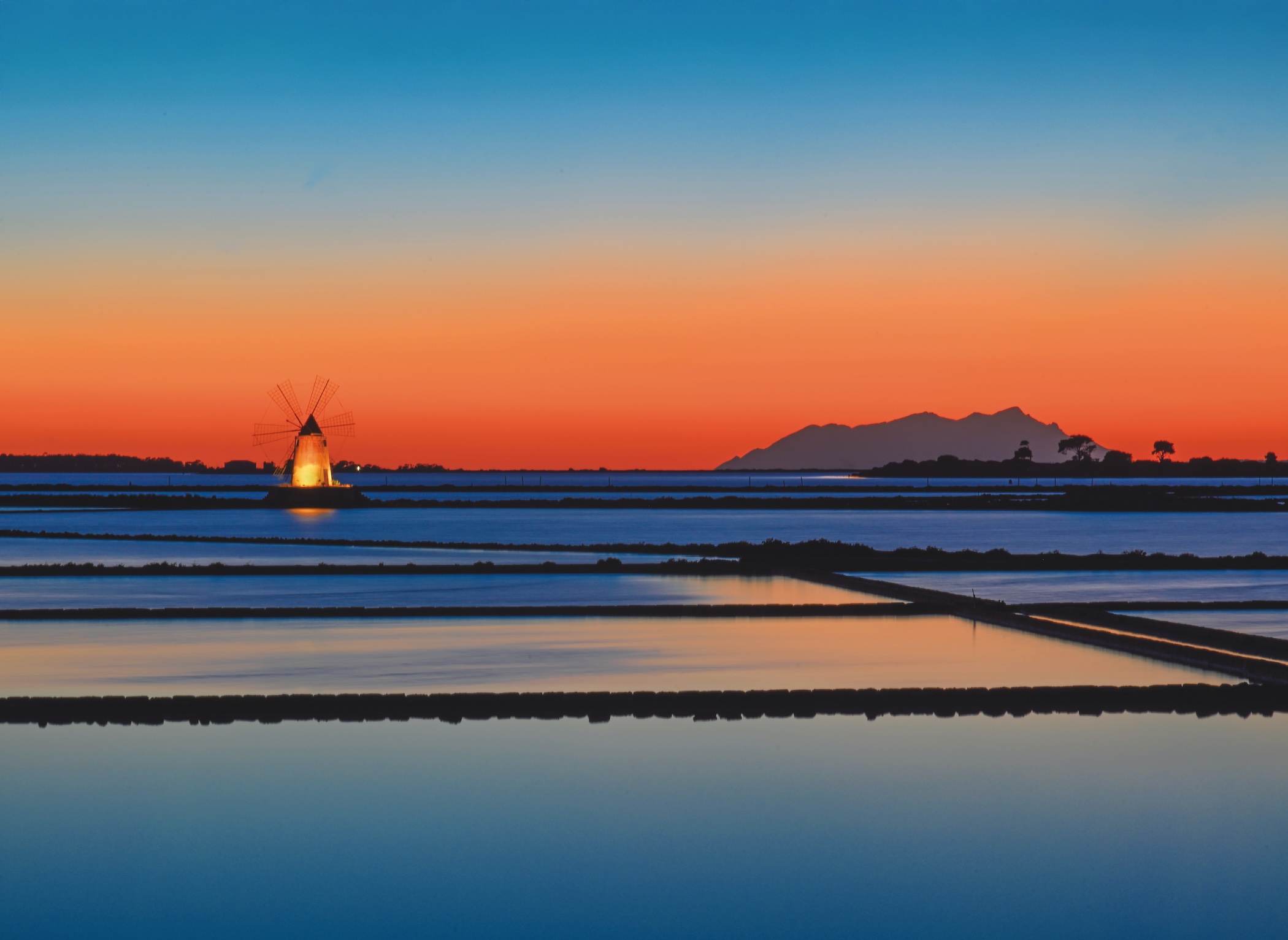
Simultaneously, the west is experiencing a renaissance of its own. Marsala is no longer just the town of fortified, sweet dessert wines. The coastal plains surrounding the Stagnone lagoon are now producing dry, saline-driven white wines—predominantly from the Grillo and Catarratto varieties—that are gaining international acclaim. By embracing the influence of the Mediterranean breeze and the unique salinity of the lagoon, producers are crafting wines that feel as if they were carved from the sea itself.
Chronology: A Decade of Change
The journey from industrial production to boutique excellence did not happen overnight. The following timeline illustrates the key milestones in this transition:
- 2010–2014: The Shift in Focus: A growing number of independent estates began to reject the cooperative model, focusing instead on estate-bottled wines that highlighted specific "contrade" (vineyard zones) on Etna and specific coastal microclimates in the west.
- 2015–2018: International Recognition: Major wine critics began to shift their attention toward Sicily, noting that the "industrial" label was no longer applicable to the island’s top-tier producers.
- 2019–2022: The Sustainability Movement: Producers began to integrate more sustainable viticulture, moving away from heavy chemical intervention to preserve the unique biodiversity of the volcanic and coastal soils.
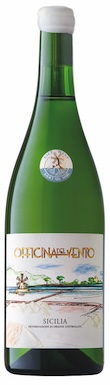
- 2023–2025: Consolidation of Identity: The emergence of high-end projects, such as the Officina del Vento collaboration (led by Italy’s first three Masters of Wine), signaled that Sicily was now a serious contender for the world’s most prestigious wine regions.
Supporting Data: The New Guard of Producers
The current quality of Sicilian wine is best evidenced by the recent output of its most dedicated estates. The following selection highlights the variety and depth currently emanating from the island:
The Western Vanguard (Marsala and Beyond)
- Officina del Vento (2024 Grillo): A weighty, persistent expression of 100% Grillo. This project is a testament to the potential for aging and depth in Western Sicilian whites.
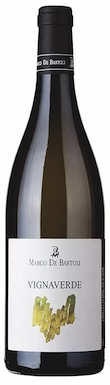
- De Bartoli (Vignaverde 2025): An unoaked masterpiece that defines the purity of Grillo, offering creamy notes of pineapple and stone fruits.
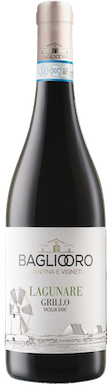
- Baglio Oro (Lagunare Grillo 2025): Sourced from the Stagnone lagoon, this wine is the quintessential example of "seaside" viticulture, characterized by its floral aromatic profile and crystalline structure.
- Cantine Fina (Fiorente Catarratto 2024): A project that highlights the benefits of vigorous sea breezes, resulting in a fresh, vibrant, and highly energetic wine.
- Florio (NV Grillo): Proving that tradition has its place in the new era, this unfiltered, concrete-vinified wine offers a masterclass in balance and texture.
The Volcanic Powerhouses (Etna)
- Girolamo Russo (Feudo 2024): A standout for the 2024 vintage, showing the hallmark ferrous, mineral-soaked red fruit profile that makes Etna Rosso so sought after.
- I Vigneri (2025): A custodian of tradition, using restored palmenti (traditional stone crushing facilities) to craft wines that act as a bridge between the ancient and the modern.
- Benanti (Contrada Calderara Sottana 2024): Sourced from the prestigious northern slopes of Randazzo, this wine exhibits the "nervous energy" and balsamic complexity that defines the best of Etna.
- Passopisciaro (Passorosso 2024): An "everyday" wine that defies the term; it offers a bright, complex look at Nerello Mascalese sourced from multiple high-altitude vineyard plots.
Official Perspectives and Expert Analysis
According to James Button, Decanter’s regional editor for Italy, the current state of Sicilian wine is nothing short of a "viticultural triumph." Button notes that the distinction between the island’s disparate regions is what provides its strength. "You have the fiery, high-elevation terraces of the volcano on one side, and the sun-baked, wind-whipped coastal plains on the other," he explains. "The fact that both have successfully shed their industrial pasts is a testament to the resilience and vision of the current generation of Sicilian winemakers."
Industry experts point out that the move toward "terroir-driven" winemaking has been supported by significant investments in cellar technology that allows for minimal intervention. By using concrete tanks, indigenous yeasts, and moving away from heavy oak influence, winemakers are allowing the volcanic ash and the salty, Mediterranean air to dictate the character of the wine.
Implications for the Global Market
The success of Sicily has profound implications for the global wine market:
- Price-to-Quality Ratio: While prices for top-tier Etna wines are rising, the island remains one of the best value propositions in Europe, particularly for its white wines.
- Sustainability as a Standard: As climate change impacts traditional European wine regions, Sicily’s ability to manage high heat while retaining freshness—thanks to altitude on Etna and coastal breezes in the west—positions it as a climate-resilient hub for the future.
- The End of the "Regional Monolith": Sicily is no longer seen as a single, homogenous entity. It is now categorized by its specific contrade and micro-terroirs, a development that brings it in line with the classification systems of regions like Burgundy or Barolo.
Conclusion: A Future Written in Ash and Salt
The transformation of Sicily from a bulk-wine supplier to a source of world-class, terroir-driven viticulture is one of the most exciting stories in modern wine. Whether it is the mineral-soaked red berries of a 2024 Etna Rosso or the creamy, saline notes of a coastal Grillo, the wines of Sicily are finally speaking for themselves.
As the world continues to look for authenticity, elegance, and a sense of place in the bottle, Sicily stands ready to provide it. The "fiery" volcano and the "wind-whipped" lagoon are no longer just landscape descriptions—they are the signatures of a new era in Italian wine, one that honors the past while fearlessly embracing the complexities of the future. The renaissance is here, and it is firmly rooted in the volcanic ash and the sea salt of one of the Mediterranean’s most storied islands.

 Jia Lissa