

 Azzam Bilal Chamdy
 Neng Nana
 Nana Muazin
 Dwi Wanna
 Raul Delapena Setiawan
 Muslim
By Brodie Crouch
Not long ago, the scent of cured hide and the rhythmic thrum of tanning drums were hallmarks of the British industrial landscape. Leather was a ubiquitous presence in the daily lives of citizens—from the rugged soles of work boots to the plush upholstery of family sofas. Yet, the rapid rise of synthetic polymers and the migration of manufacturing to low-cost overseas markets effectively hollowed out the sector. As tanneries shuttered their doors, a centuries-old tradition was relegated to the margins of history.
Today, however, a curious phenomenon is unfolding. Global luxury houses, once the primary architects of globalized supply chains, are turning their gaze back to the British Isles. They are seeking out a product that was, until recently, considered an industrial byproduct of little value. As we examine this nascent revival, we must ask: Is this merely a fleeting trend in luxury fashion, or a genuine opportunity to rebuild a sustainable, localized economy for farmers and craftspeople alike?
The Anatomy of Decline: A Silent Crisis
The collapse of the British leather industry was not merely a loss of artisanal skill; it was a structural failure that rippled through the agricultural sector. When the demand for domestic hides evaporated, the economic incentive for high-quality processing vanished.
Today, a staggering volume of UK cattle hides—the natural byproduct of the beef industry—is treated as waste. These hides are frequently shredded, relegated to biodigesters for energy, or discarded in landfill. This is more than an environmental indictment; it is a profound waste of natural resources.
The decline has also dealt a fatal blow to the UK’s local abattoir network. As these facilities struggled to remain viable, the closure of local slaughterhouses has necessitated longer transport times for livestock, compromising animal welfare and eroding the "protected provenance" of British meat. When we lose the abattoir, we lose the infrastructure that connects the farm to the fork, creating a food system that is increasingly brittle and disconnected from the landscape.
Chronology of a Disappearing Trade
- The Golden Era (Pre-1980s): A thriving network of local tanneries and abattoirs supported a robust domestic leather market, characterized by regional expertise and vegetable-tanning traditions.
- The Synthetic Shift (1990s–2010s): The emergence of "pleather" and cheap, chrome-tanned leather from overseas markets decimated domestic pricing. Local tanneries became economically unviable.
- The Waste Crisis (2010s–2020s): British farmers found themselves paying to dispose of hides, turning a once-valuable commodity into a liability.
- The Sustainability Awakening (2022–2025): Growing public awareness of "greenwashing," microplastic pollution from synthetics, and the environmental damage of industrial chromium tanning leads to a reassessment of natural materials.
- The Pilot Revival (2026): High-end collaborations, such as those between British Pasture Leather (BPL) and Mulberry, signal a potential turning point for localized, high-traceability production.
The Sustainability Paradox: Examining the Evidence
Critics of the leather industry are quick to point to its carbon footprint. A recent study published in ACS Sustainable Chemistry and Engineering underscores that global average emissions for finished bovine leather can be significantly higher than those of synthetic vegan alternatives. However, these figures often conflate "industrial mass-market leather" with "regenerative, craft-based production."
To look at leather through a single lens is to ignore the nuance of agricultural systems. When cattle are raised on species-rich grasslands—grazed in patterns that mimic natural ecosystems—they perform a critical role in soil carbon sequestration. If we utilize the hides of these animals, which are already being raised for food, we are essentially reclaiming a waste product.
The distinction lies in the tanning process. Conventional, large-scale industrial tanning relies heavily on chromium, a process that is notoriously toxic, water-intensive, and hazardous to workers. Conversely, the revivalists are looking to the past: vegetable tanning. By using natural tannins derived from bark and plant matter, these tanneries decouple the leather industry from the destructive mining of chromium ores and toxic chemical runoff.
Case Study: The British Pasture Leather (BPL) Model
The dream of a circular, British-made leather economy is being tested by British Pasture Leather (BPL). By forging a network that connects pasture-based cattle farms, local abattoirs, and traditional tanneries like Thomas Ware and Sons in Bristol, BPL has created a blueprint for success.
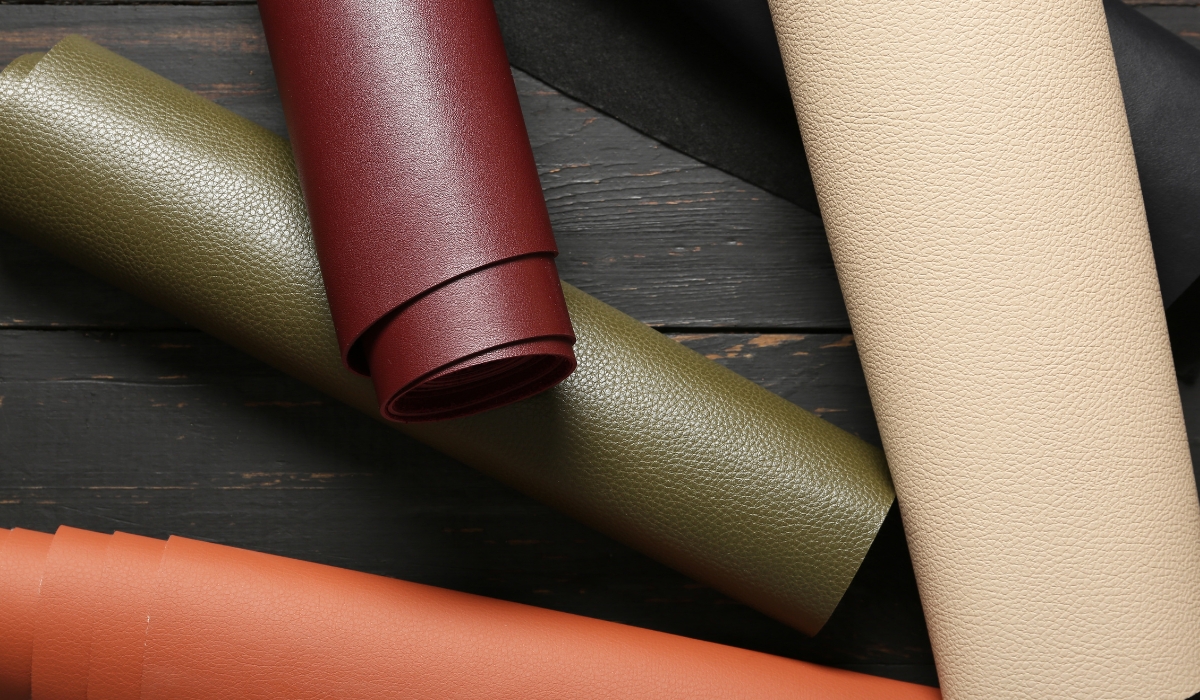
The impact of this model is best exemplified by their partnership with luxury heritage brand Mulberry. By integrating these hides into their Somerset manufacturing hub, Mulberry is effectively shortening their supply chain and ensuring total farm-to-product traceability. This isn’t just a marketing story; it is a logistical transformation.
Similarly, farmers like Andy Rumming of Great Cotmarsh Farm are bridging the gap between producer and consumer. By offering on-farm workshops, Rumming allows the public to interact directly with the material, fostering a deeper appreciation for the provenance of the leather—an "educational consumerism" that is rare in the modern fashion landscape.
Official Perspectives and Industry Implications
The transition toward a localized, high-welfare leather model faces significant headwinds. It requires a fundamental shift in how we value both the product and the process.
1. The Economic Hurdle:
Premium leather carries a higher price tag. This is not merely "luxury branding," but a reflection of the true cost of production—fair wages for skilled tanners, higher welfare standards for livestock, and the overheads of small-scale, non-toxic processing. Communicating this value proposition to a consumer base accustomed to "fast fashion" pricing is the industry’s greatest challenge.
2. The Need for Measurement:
How can a consumer trust that their leather handbag isn’t fueling deforestation or poor welfare? This is where frameworks like the Global Farm Metric become indispensable. By utilizing robust, science-based data to measure the environmental and social outcomes of farming, brands can provide transparent proof of their supply chain. This transparency is no longer optional; as regulatory scrutiny on ESG (Environmental, Social, and Governance) reporting tightens, brands will need more than a "story"—they will need data.
3. The Resilience Factor:
The implications for food security are profound. If the leather industry provides an additional revenue stream for farmers and supports the survival of local abattoirs, it strengthens the entire UK food chain. A more resilient food system is one that can withstand global shocks, and the leather revival is a vital, if often overlooked, cog in that machine.
A Future Built on Heritage?
Is the revival of British leather an impossible dream? Far from it. We are seeing a slow but steady convergence of consumer demand for "slow fashion" and an agricultural push for regenerative practices.
However, the industry must avoid the trap of becoming a boutique, "premium-only" niche. For this to truly matter, it must scale in a way that remains true to its principles. This means protecting the small-scale tanneries that possess the requisite skills, ensuring that abattoirs remain accessible to small farmers, and educating the public that the "true cost" of leather is actually a bargain when compared to the hidden costs of synthetics.
As we move toward 2030, the fashion industry faces an existential choice. It can continue to rely on long, opaque, and often destructive global supply chains, or it can lean into the potential of its own backyard. The tools are available, the craftspeople are ready, and the farms are waiting. The success of British leather will ultimately depend on whether we, the consumers, are willing to value the story behind the product as much as the product itself.
In the quiet, slow tanning pits of Bristol and the verdant pastures of Wiltshire, the future of British manufacturing is being written—one hide at a time. It is a story of resilience, of reclaiming what was lost, and of recognizing that the most sustainable materials are often those that have been under our feet, or on our backs, all along.


 Iffa Jayyana
