 Dwi Wanna
 Nana Wu
 Muslim
 Reynand Wu
 Ammar Sabilarrohman
 Neng Nana
The landscape of corporate travel is undergoing a quiet, yet seismic, transformation. For decades, the business dining sector was dominated by global fast-casual conglomerates and ubiquitous white-tablecloth chains. These entities offered the safety of predictability—a known menu, a standardized receipt, and a reliable Wi-Fi signal. However, as the travel industry enters the second half of the 2020s, a new trend has emerged: the "Authenticity Mandate."
According to the Spring 2026 State of Business Dining Report released by Dinova, a staggering 72 percent of corporate dining expenditure is now directed toward smaller, regional, and independent restaurant brands. This pivot represents a fundamental shift in how business professionals—from high-level executives to field consultants—perceive the value of a meal on the company dime.
Main Facts: The New Corporate Appetite
The data, which tracks aggregate spending habits across a wide swath of industries, suggests that the "business dinner" has evolved from a transactional necessity into a qualitative experience.
Key takeaways from the report include:
- The 72% Shift: Nearly three-quarters of all corporate travel dining budgets are no longer flowing into the coffers of the "Big Ten" national restaurant chains.
- Demand for Localism: Business travelers are increasingly utilizing apps and corporate expense management platforms to seek out "hyper-local" dining establishments that offer a sense of place.
- The Reliability Paradox: While diners prioritize local authenticity, they remain tethered to the requirement of reliability. Restaurants that can balance unique, local branding with the professional standards required for business meetings—such as consistent service speed and integrated digital receipt processing—are the primary beneficiaries of this trend.
Chronology of a Transformation: From Standardized to Specialized
To understand how this shift took hold, one must look at the evolution of the business traveler over the past five years.
The Era of Predictability (2020–2022)
During the immediate post-pandemic recovery, business travel was dominated by a "safety first" mentality. Travelers flocked to major chains because they offered contactless payment, known sanitization protocols, and predictable menus. The goal was to minimize friction in an uncertain world.
The Transition Period (2023–2024)
As travel volume returned to pre-2020 levels, the profile of the traveler began to change. The "bleisure" trend—the blending of business and leisure travel—took hold. Employees who were already spending days in a city for work began extending their stays, leading them to explore the city beyond the airport-hotel corridor. This period saw the first significant decline in spend at national chain outlets.
The Authenticity Mandate (2025–2026)
By the spring of 2026, the preference for local, authentic experiences moved from a "nice-to-have" to an expectation. The workforce, now dominated by generations that prioritize experiential value, began to reject the "cookie-cutter" dining experience. Corporate expense policies began to adapt, and platforms like Dinova began prioritizing independent partnerships to meet the explicit demands of their users.
Supporting Data: Why the Numbers Matter
The Dinova report provides a granular look at the economic implications of these habits. By analyzing the spending patterns of millions of business travelers, the report highlights that the shift is not merely aesthetic—it is a functional movement.
Table: The Allocation of Corporate Dining Spend (2026)
| Sector | Market Share | Year-over-Year Growth |
|---|---|---|
| Independent/Local | 48% | +14% |
| Regional Chains | 24% | +6% |
| National/Global Chains | 28% | -21% |
This data indicates a clear decline in the dominance of national brands. The primary drivers for this include the desire for a "sense of place," better quality ingredients associated with local sourcing, and the social currency gained by hosting clients at a "hidden gem" rather than a national franchise.
Official Responses: The View from the Top
Alison Quinn, President and Chief Executive Officer at Dinova, has been at the forefront of analyzing these trends. Her perspective emphasizes that the shift is a call to action for the entire hospitality industry.
"The opportunity for restaurants is to make sure they’re visible and ready for that customer," Quinn noted in the report. "Business diners want quality and experience, but they also need to know the restaurant will deliver every time. They are not looking to trade their professional reputation for a mediocre meal just because it’s local. The meal must be memorable, but the transaction must be effortless."
Quinn further emphasized the strategic component of this shift: "A lot of this spend is already coming through their doors. The question is whether [independent and regional restaurants] are set up to capture more of it and keep those diners coming back. Business diners who have a successful, seamless, and high-quality experience at a local restaurant are significantly more likely to return on their next trip to that market."
Implications for the Industry
The shift away from national chains carries profound implications for stakeholders across the hospitality and corporate travel ecosystems.
For Independent and Regional Restaurants
For the smaller player, the barrier to entry into the lucrative corporate market has been significantly lowered. However, the requirement for entry has become more complex. To capture this segment, independent restaurants must focus on:
- Digital Integration: Ensuring that their point-of-sale systems are compatible with corporate expense reporting software.
- Professional Atmosphere: Balancing a "local vibe" with the necessities of a business meeting, such as appropriate noise levels and table spacing.
- Visibility: Proactively engaging with platforms that allow corporate travelers to find them, ensuring that their digital presence matches their physical appeal.
For National Chains
For the large conglomerates, the trend is a warning. The days of relying on brand recognition alone are fading. To compete, these chains are likely to see a shift toward "sub-branding"—creating more bespoke, local-feeling experiences under the corporate umbrella, or investing in regional "flagship" locations that break from the standard corporate design.
For Corporate Travel Managers
Travel managers are tasked with the difficult job of balancing policy with employee satisfaction. As employees demand more local experiences, travel policies will likely shift toward more flexible "dining stipends" rather than restrictive "approved vendor lists" that limit travelers to national chains. This requires better backend tools to ensure compliance and tax reporting without hindering the employee’s ability to choose where they dine.
The Future of the "Business Meal"
As we look toward the remainder of 2026 and into 2027, the trend is unlikely to reverse. The business traveler of today views their time as a finite resource. A meal is no longer just caloric intake; it is a moment of connection, a way to experience the culture of the city they are visiting, and a reflection of the company’s brand.
The 72 percent of spending flowing into local and regional channels is a testament to a changing corporate ethos. It reflects a more human-centric approach to business, where the value of a high-quality, local experience outweighs the comfort of a standardized, predictable one.
For restaurants, the roadmap is clear: authenticity is the new currency. For the corporate world, the message is equally resonant: if you want to attract and retain the best talent, you must meet them where they are—and increasingly, that is at the local, independent table.
Disclaimer: This article synthesizes findings from the Spring 2026 State of Business Dining Report. For more information on corporate dining strategies, industry professionals are encouraged to engage with regional hospitality forums and expense management analytics providers.

 Jia Lissa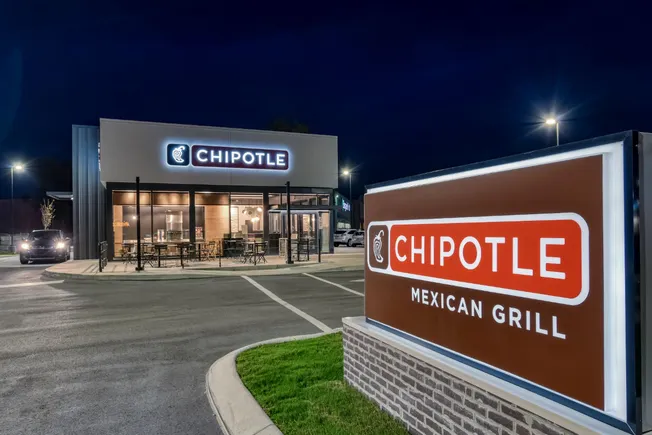
 Iffa Jayyana