 Dwi Wanna
 Nana Wu
 Muslim
 Reynand Wu
 Ammar Sabilarrohman
 Lina Irawan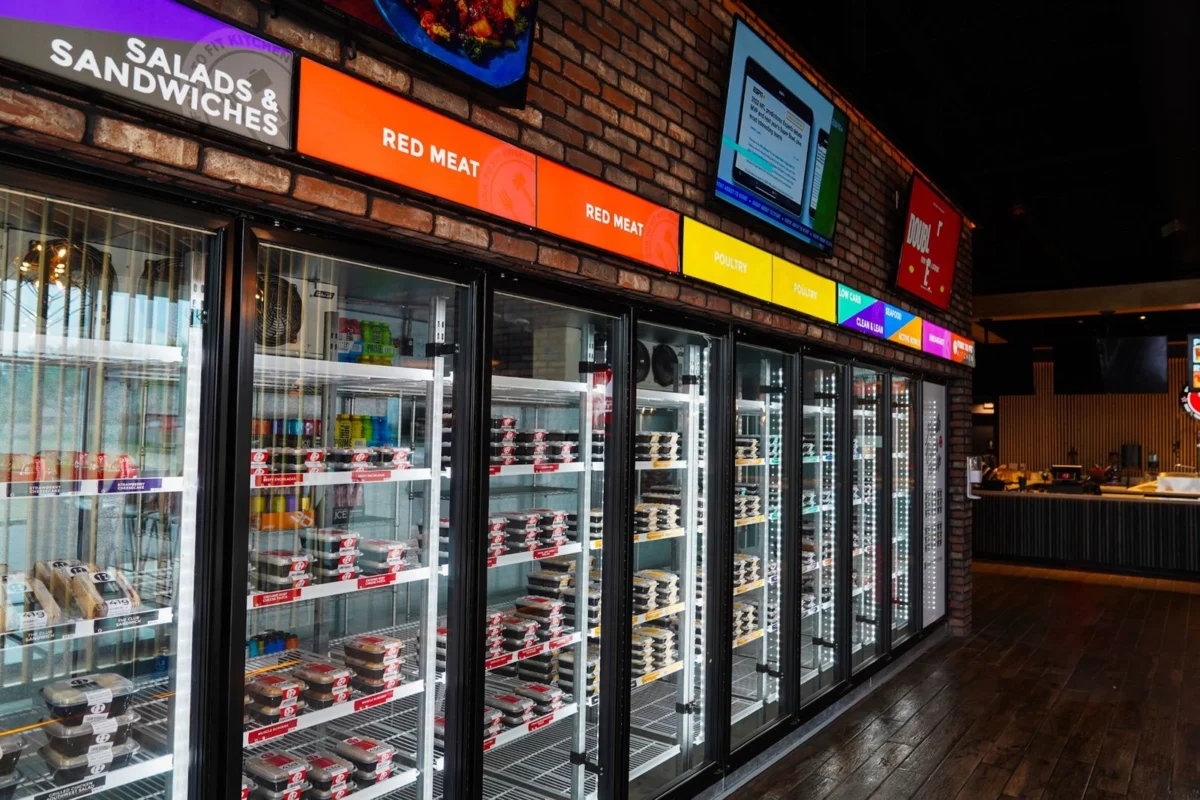
McALLEN, TX – The landscape of the American quick-service restaurant (QSR) industry is undergoing a tectonic shift. For decades, the sector has been defined by convenience at the expense of nutrition. Today, that narrative is being rewritten by Fork to Fit Kitchen, a Texas-born concept that is scaling its mission to harmonize rapid service with clinical-grade nutritional integrity.
In a landmark development for the company, Fork to Fit Kitchen has officially signed its first multi-unit franchise agreement, a strategic move that signals the beginning of an aggressive national rollout. With plans to establish between 2,500 and 3,500 locations across the United States, the brand is transitioning from a successful regional operator into a formidable national powerhouse.
The Strategic Leap: A New Frontier in San Antonio
The cornerstone of this expansion is a four-unit development agreement targeting the San Antonio market. This move is not merely an exercise in geographic growth; it is a calculated entry into one of Texas’s most vibrant metropolitan hubs.
The agreement has been secured with Dr. Narciso Gonzalez, a prominent figure in the regional medical community and founder of Pain and Spine Physicians of San Antonio, Injury and Pain Physicians of San Antonio, and The Spine and Joint Surgical Center. The units will operate under the banner of G5 Restaurant Group, LLC, with Ethan Gonzalez serving as the principal operator.
This partnership is particularly significant, as it aligns the brand’s health-focused ethos with a leadership team that possesses deep roots in the wellness and clinical sectors. Site selection is currently in an active phase, with target corridors including Schertz, the Culebra corridor, and Encino Park. Additional high-traffic areas, such as the vicinity near La Cantera and City Base, are currently under rigorous review, supported by the analytical expertise of Merit Commercial Real Estate.
A Chronology of Growth: From McAllen to the Nation
The trajectory of Fork to Fit Kitchen is a case study in organic, disciplined growth. Founded in 2018 in the heart of the Rio Grande Valley, the brand was birthed out of necessity. At the time, the region faced daunting health statistics, with disproportionately high rates of metabolic disorders, including diabetes and obesity.
- 2018: The Genesis: Co-founders Alex Velasco and Jose Guerra launched the first Fork to Fit Kitchen in McAllen, Texas. The core mission was to address the "food desert" and "health desert" phenomena by offering a menu that was macro-balanced, calorie-transparent, and undeniably convenient.
- 2019–2025: Proving the Model: Over seven years, the company focused on building a resilient corporate infrastructure. By establishing ten corporate locations across the Rio Grande Valley, Velasco and Guerra refined the "tight menu architecture" and centralized commissary systems that would eventually become the foundation for their franchise model.
- April 2026: Institutional Validation: The company reached a critical regulatory milestone when it achieved SBA Franchisor Certification. This designation added the brand to the SBA Franchise Directory, effectively clearing the path for qualified franchisees to access SBA-backed financing.
- June 2026: The Inflection Point: With the signing of the San Antonio multi-unit deal, the company officially pivoted from a regional operator to a national franchise entity, backed by professional franchise development partners at Franchise Marketing Systems.
The Technology-Driven Wellness Ecosystem
Unlike traditional fast-food franchises, Fork to Fit Kitchen differentiates itself through a proprietary technological layer. At the center of this strategy is the "Fork Pulse" app.

Company leadership views the physical kitchen as merely the "front door" to a broader health ecosystem. The Fork Pulse application functions as a bridge between the food on the plate and the biometric goals of the consumer. By syncing meals, fitness activity, and health tracking, the app provides customers with actionable insights.
"We aren’t just selling calories; we’re selling a lifestyle upgrade," says CEO Alex Velasco. "The kitchens are where the transaction happens, but the technology is where the transformation happens. We want our customers to know exactly what they are consuming and how that fuel translates into their daily physical output."
This integration is designed to foster brand loyalty. By positioning the restaurant as a partner in a customer’s wellness journey rather than a simple vendor of sustenance, the company creates a recurring, data-driven relationship with its patrons.
Economic Implications and Scalability
The ambition to open 3,500 units is a bold target, but the operational backbone of the company is engineered to support such scale. The brand relies on a centralized commissary model, which ensures consistency in product quality across disparate locations—a common failure point for scaling restaurant chains.
The Operational Backbone
- Standardized Menu Architecture: By limiting menu complexity, the brand ensures that each location can maintain high throughput without sacrificing nutritional accuracy.
- Clinical-Grade Transparency: Every item, from protein shakes to lunch bowls, is macro-tracked. This transparency is a key selling point for a growing demographic of health-conscious consumers who are increasingly skeptical of "hidden" ingredients and calories in fast-casual dining.
- Franchisee Support: The company provides a comprehensive support suite, including marketing, supply chain management, and ongoing operational training. This "turnkey" approach is designed to attract experienced multi-unit operators who value systems-driven business models.
The economic model is further bolstered by the current appetite for "Better-for-You" (BFY) food concepts. As the U.S. consumer continues to pivot away from traditional processed fast food, the market share for brands like Fork to Fit Kitchen is expected to expand exponentially.
Official Perspectives: The Philosophy of the Founders
In an interview regarding the expansion, CEO Alex Velasco emphasized that the growth is rooted in a fundamental belief that healthy food should be a utility rather than a luxury.
"When we started, we were looking at a community that was underserved and struggling with preventable health issues," Velasco stated. "We realized that the problem wasn’t just a lack of desire to eat well; it was a lack of convenient, affordable, and consistent options. We built Fork to Fit to fill that gap. Now, we are taking that same philosophy and applying it to a national stage because the need for accessible, macro-balanced nutrition is universal."

Velasco also addressed the selection of partners, noting that the brand’s culture is as important as its financials. "We aren’t looking for just anyone. We are looking for operators who share our standards and our long-term vision. We are building an ecosystem, and every new franchisee is a vital node in that network."
The Path Ahead: Challenges and Opportunities
While the vision is ambitious, the path to 3,500 units will present challenges. The current commercial real estate market, labor costs, and the volatility of the food supply chain are significant hurdles for any expanding brand. However, the use of sophisticated data modeling for site selection and the brand’s focus on high-traffic, community-centric locations suggest that the leadership team is well-prepared for these headwinds.
The partnership with Franchise Marketing Systems provides the brand with the institutional knowledge required to navigate the complex legal and operational waters of a national rollout. As the San Antonio locations come online, they will serve as the "gold standard" for future expansion, proving the model in a market with higher competitive density than the Rio Grande Valley.
Conclusion: A New Standard for "Fast Food"
Fork to Fit Kitchen represents a significant departure from the legacy fast-food model. By prioritizing macro-balance, leveraging proprietary technology, and utilizing an SBA-approved financial framework, the company is positioning itself as a leader in the next generation of the restaurant industry.
As the brand prepares to introduce its concept to the wider Texas market and beyond, the message to the industry is clear: the era of "fast food" being synonymous with "unhealthy food" is rapidly coming to an end. For the consumers of tomorrow, the ability to grab a quick, nutritious, and tracked meal will not be a rarity, but an expectation. Through its disciplined growth, technological integration, and unwavering commitment to health, Fork to Fit Kitchen is poised to become the standard-bearer for this evolution.
For those interested in the brand’s progression or investment opportunities, the company continues to maintain an active presence on social media and through its dedicated franchise portal at ForkToFitKitchen.com/franchise. As the next few years unfold, the "Fork to Fit" footprint will likely become a ubiquitous sight in urban centers and suburban corridors alike, signaling a permanent change in the American diet.

 Jia Lissa
 Iffa Jayyana