

 Azzam Bilal Chamdy
 Neng Nana
 Nana Muazin
 Dwi Wanna
 Raul Delapena Setiawan
 Asep Darmawan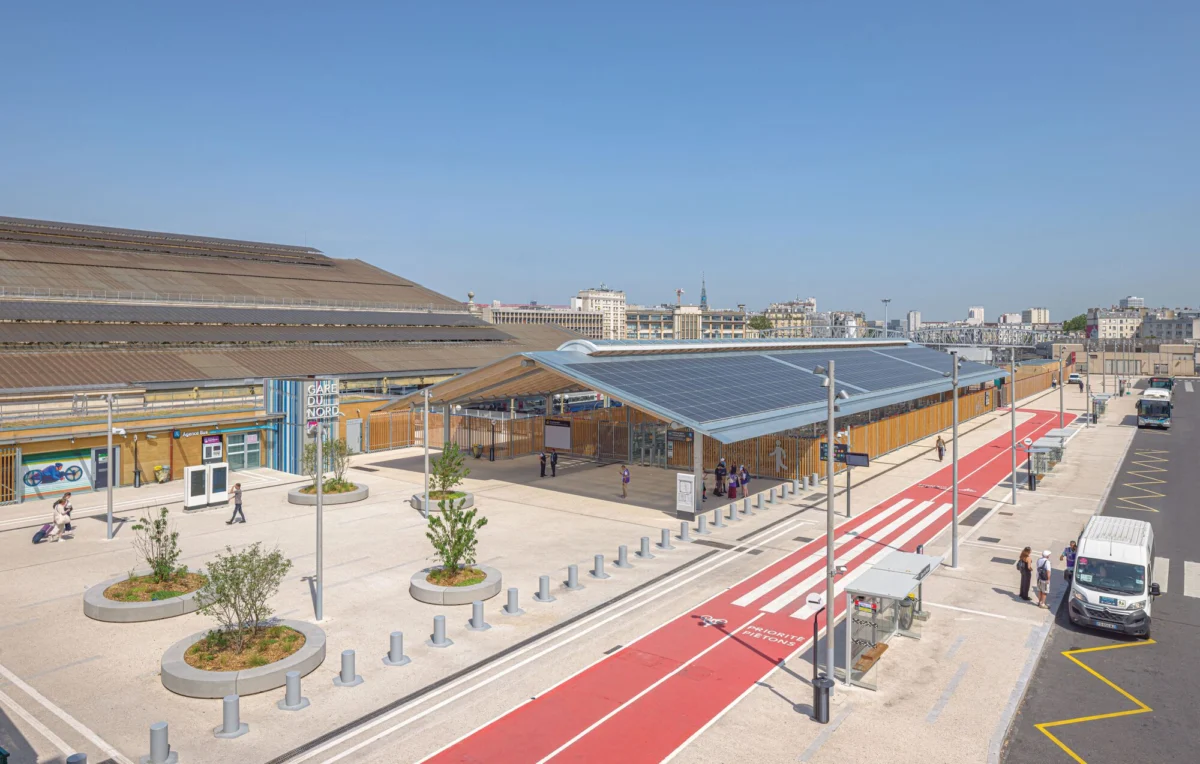
Introduction
In the heart of Paris, where the historic architecture of the 19th-century Gare du Nord meets the urgent demands of 21st-century climate resilience, a new architectural intervention has emerged. The "Solar Bicycle Hall," designed by the multidisciplinary firm AREP, stands as more than just a storage facility for commuters; it is a manifestation of the "frugal and sober" design philosophy currently reshaping French infrastructure. By integrating renewable energy generation directly into the urban transit landscape, this project serves as a pilot for the future of metropolitan mobility.
Main Facts: Architecture at the Intersection of Energy and Transit
The Solar Bicycle Hall at Paris-Nord is a strategic infrastructure project aimed at facilitating the transition to carbon-neutral transit. As urban centers grapple with the dual challenges of population density and environmental degradation, the project addresses the critical "last-mile" problem—the gap between high-speed rail transit and the commuter’s final destination.
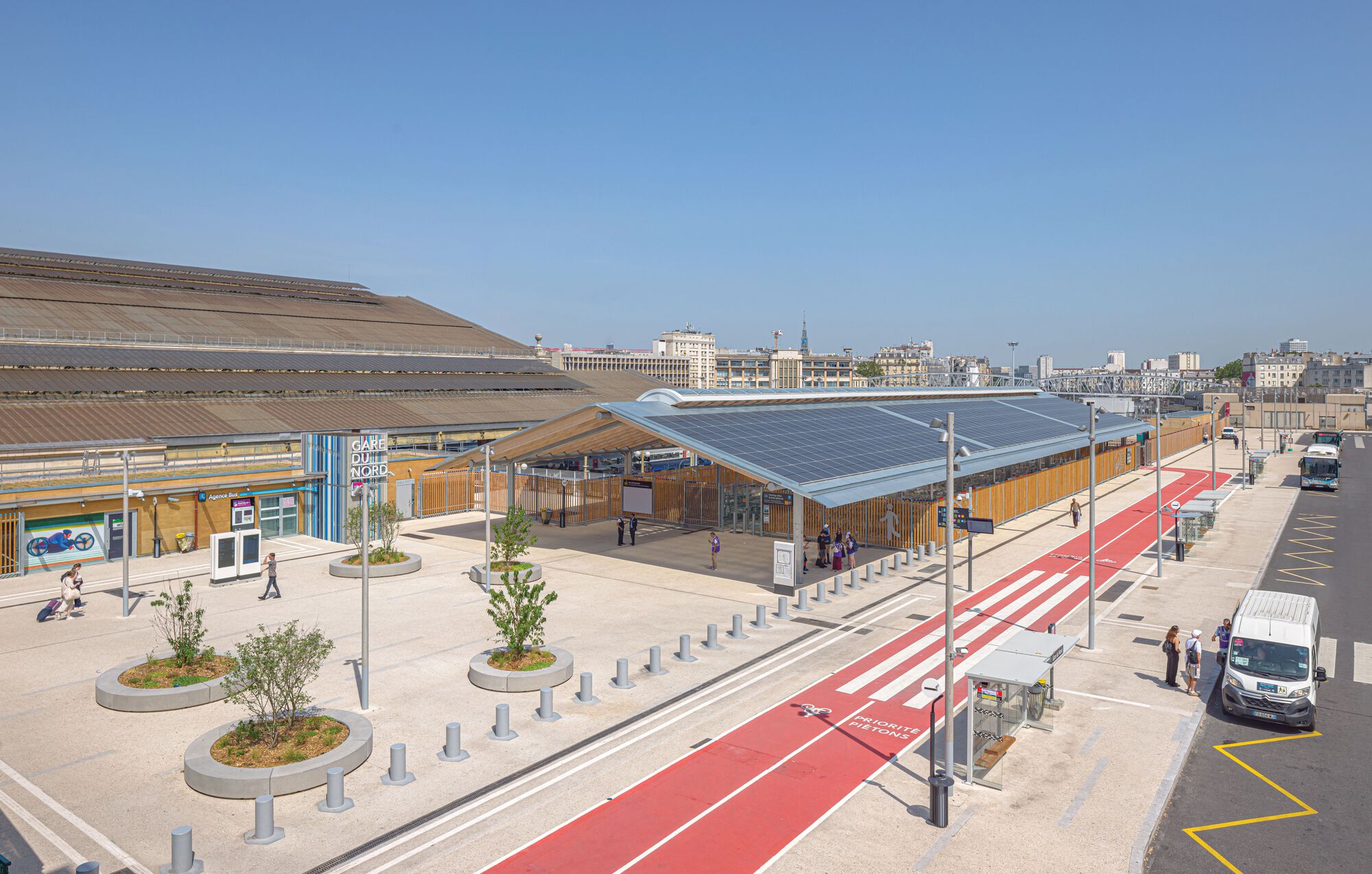
Key features of the structure include:
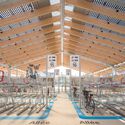
- Renewable Energy Integration: The roof of the hall is equipped with advanced photovoltaic panels, turning a functional space into a micro-power plant. This energy is fed back into the station’s grid, reducing the carbon footprint of the hub.
- Capacity and Accessibility: Designed for high-volume turnover, the hall provides a secure, sheltered environment that encourages the use of bicycles, electric scooters, and other personal micro-mobility devices.
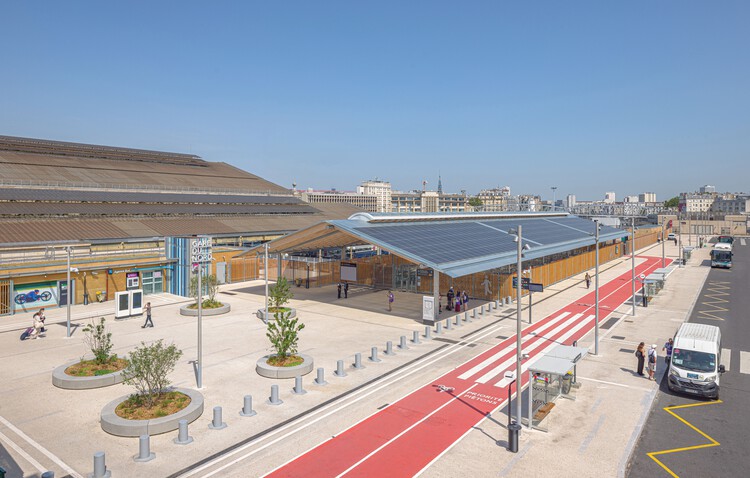
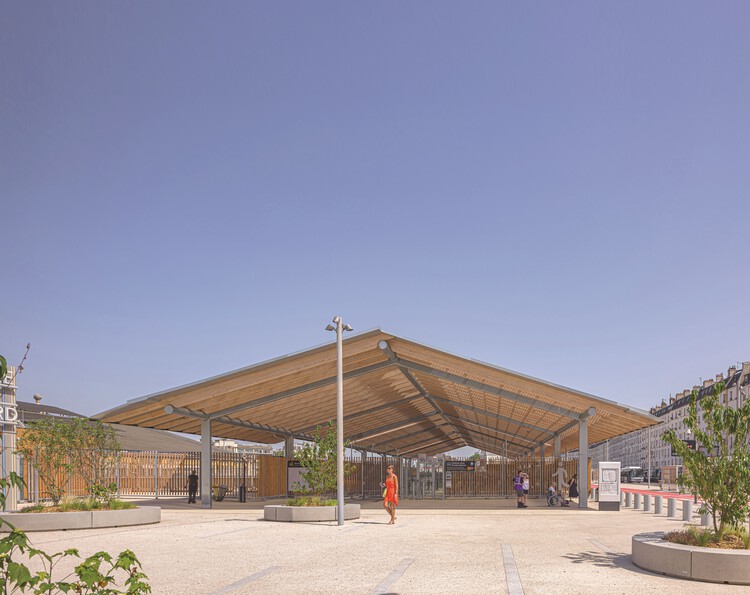
- Design Philosophy: AREP’s design language emphasizes transparency and structural lightness. The choice of materials reflects a commitment to low-impact construction, utilizing renewable resources where possible to align with the "sobriety" mandates set forth by local urban planning authorities.
- Intermodality: By placing the facility at the threshold of one of Europe’s busiest railway stations, the project physically and metaphorically bridges the gap between long-distance rail travel and active, localized transport.
Chronology: From Concept to Implementation
The realization of the Solar Bicycle Hall is the result of a multi-year effort to modernize the Paris-Nord node.
- Early 2023: Initial feasibility studies were conducted to assess the spatial requirements for bike storage at the Gare du Nord, a site that historically struggled with chaotic parking and congestion.
- Late 2023: AREP, known for their expertise in railway architecture and sustainable urban planning, was commissioned to lead the design. The proposal focused on a modular approach, allowing for future expansion.
- Mid-2024: Construction began. The phase involved careful coordination with the ongoing operations of the station, requiring a precise, prefabricated assembly process to minimize disruption to the thousands of daily commuters.
- October 2026: The official completion and inauguration of the hall. The project opened to the public, marking a significant milestone in the "Grand Paris" initiative to increase cycling infrastructure across the metropolitan area.
Supporting Data: Quantifying the Impact
The success of the Solar Bicycle Hall is measured not just in aesthetic terms, but through hard data and performance metrics.
Energy Yield
The photovoltaic array installed on the canopy is projected to generate enough electricity to offset a significant percentage of the station’s lighting and climate-control needs for the bicycle area. This self-sufficiency is a critical metric for AREP, who aim to showcase that infrastructure can be a "prosumer"—both a consumer and a producer of energy.
Urban Mobility Metrics
Recent studies indicate that the integration of secure, covered bike parking increases the likelihood of multi-modal commuting by approximately 30%. By providing a weather-protected, theft-resistant environment, the hall removes the two primary deterrents to bike-train intermodality: the fear of bike theft and the discomfort of inclement weather.
Material Efficiency
The structural calculations for the hall utilized "frugal engineering" principles. By optimizing the structural skeleton, the architects significantly reduced the amount of raw steel and concrete required, lowering the embodied carbon of the project by an estimated 25% compared to conventional structures of similar scale.
Official Responses and Theoretical Context
The architects at AREP have described the project as an "experiment in new communal roofs." In official communications, the firm emphasizes that the hall is a physical embodiment of a shifting societal attitude toward urban space.
"The goal is not merely to park bicycles," stated a lead spokesperson for the design team. "It is to create a space that fosters a cultural shift toward sobriety. We want the station environment to communicate the values of the future: efficiency, sustainability, and communal care."
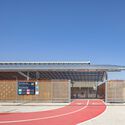
Urban planners and municipal authorities have lauded the project for its adaptability. The French Ministry of Transport has cited the Paris-Nord hall as a "best practice" model for other regional hubs, noting that the modular nature of the roof allows for rapid deployment in secondary stations across the country. Critics have also noted that the aesthetic choice—blending industrial functionality with a clean, contemporary canopy—respects the historical context of the Gare du Nord while signaling a bold, forward-looking identity.
Implications for Future Urban Design
The Solar Bicycle Hall represents a turning point in the design of public spaces. As cities move away from car-centric planning, the "bicycle hall" becomes the new town square of the transit hub.
The Rise of the "Energy-Positive" Station
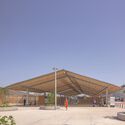
The most significant implication is the potential for the "Energy-Positive" station. If every transit hub in Paris were to incorporate similar solar-canopy designs, the collective energy output would represent a substantial contribution to the city’s renewable energy targets. This model shifts the role of public architecture from passive shelter to active participant in the city’s metabolism.
Promoting a "Sober" Lifestyle
The term "sober lifestyle" used by the architects refers to a conscious reduction in resource consumption. By making the bicycle the easiest and most pleasant way to complete a journey, the design team is effectively "nudging" commuters toward more sustainable habits. The architecture acts as a catalyst for behavior change.
Scalability and Modularity
Because the structure is modular, it is inherently scalable. Whether the requirement is for 50 or 500 bike spots, the design logic remains consistent. This scalability is crucial for municipalities that are working with limited budgets and tight deadlines but face increasing pressure to provide green infrastructure.
Conclusion: The Path Ahead
The Solar Bicycle Hall at Paris-Nord is more than a storage facility; it is a prototype for the resilient, post-carbon city. By harmonizing architectural beauty with pragmatic energy production and functional urban needs, AREP has provided a blueprint for how major transit hubs can evolve.

As the world looks toward 2030 and 2050 climate goals, projects like this offer a glimmer of hope—a practical, immediate, and effective solution to the complexities of urban life. The success of this hall suggests that the future of transit is not just about moving faster, but about moving smarter, with a lighter footprint, and with a renewed focus on the human experience at the center of the metropolitan machine.
As commuters stream through the gates of the Gare du Nord, the Solar Bicycle Hall stands as a quiet but powerful testament to the fact that, when design meets purpose, the urban landscape can be transformed, one bicycle at a time.


 Lina Hope
