

 Azzam Bilal Chamdy
 Neng Nana
 Nana Muazin
 Dwi Wanna
 Raul Delapena Setiawan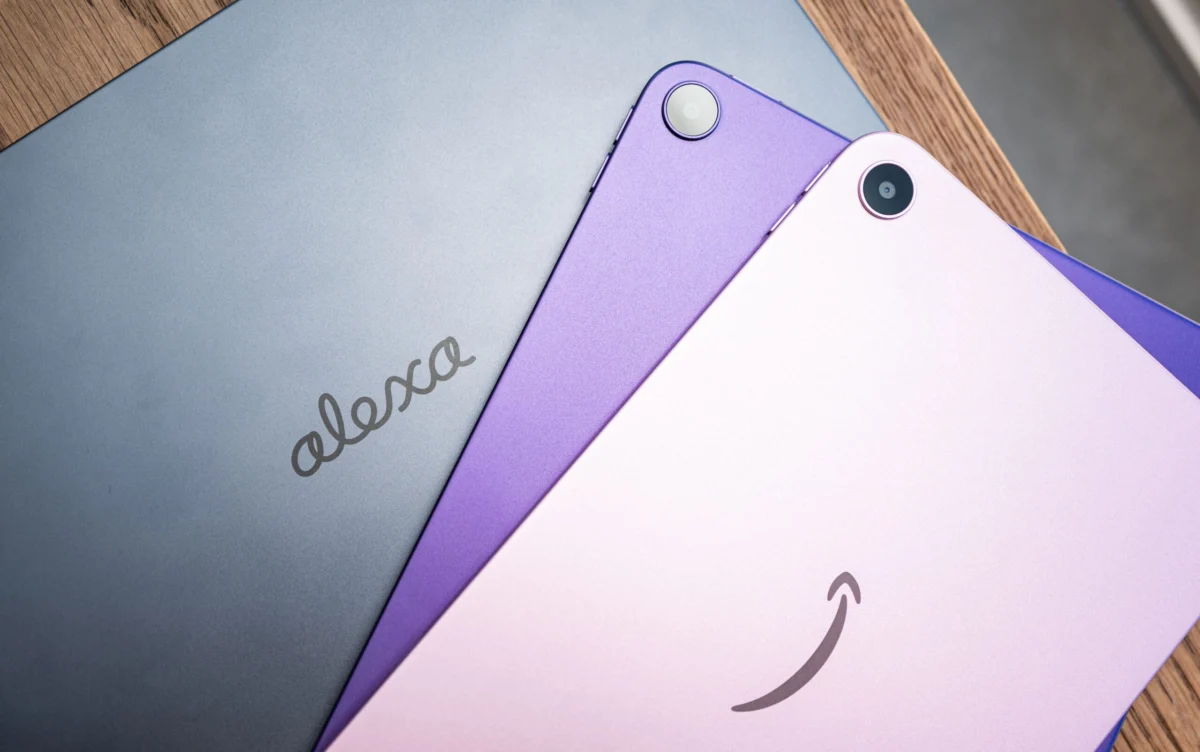
More than a decade after the spectacular collapse of the Fire Phone—a device that remains a cautionary tale in the annals of consumer electronics—Amazon appears to be plotting a quiet, calculated return to the smartphone market. Behind the scenes, the e-commerce giant is reportedly developing a new mobile device under the internal codename "Transformer." While Amazon remains tight-lipped, recent shifts in the company’s hardware strategy, headlined by a total pivot toward premium Android tablets, suggest that the blueprint for a modern, AI-first Amazon phone is already being tested in the wild.
The Evolution of the "Alexa Tablet" Blueprint
In a move that caught industry analysts by surprise this past Thursday, Amazon announced the total retirement of its long-standing, budget-friendly Fire Tablet line. In its place, the company has introduced a new suite of "Alexa Tablets." This is not merely a rebranding; it is a fundamental architectural shift. These new devices finally run standard Android and, crucially, include out-of-the-box access to the Google Play Store.
This transition serves as a silent admission of a long-standing weakness: Amazon’s attempt to cultivate a siloed ecosystem with its forked version of Android had failed to compete with the sheer utility of the broader app economy. By embracing the standard Android ecosystem, Amazon has removed the primary hurdle that doomed the 2014 Fire Phone.
The cornerstone of this new hardware identity is "Alexa+," a sophisticated generative AI assistant that is now the operating system’s primary interface. Unlike the reactive Alexa of old, Alexa+ features "On-Screen Intelligence," a capability that allows the assistant to analyze the user’s current screen context in real time. Whether a user is browsing an article about local restaurants or watching a product review on YouTube, Alexa+ can parse the information and offer direct, actionable assistance—such as flagging nearby venues or adding items to a shopping cart.

A Chronology of Amazon’s Hardware Ambition
To understand why the "Transformer" project is significant, one must look at the trajectory of Amazon’s hardware division under the guidance of Panos Panay, the former Microsoft executive who took the reins of Amazon’s Devices & Services in 2023.
- 2014: The Fire Phone Failure. Amazon’s first attempt at a smartphone was marred by gimmicky "Dynamic Perspective" 3D features, a lackluster app store, and an aggressive price point that failed to mask the device’s technical shortcomings. It was discontinued within a year.
- 2015–2022: The "Fire" Era. For years, Amazon focused on low-cost entry points, prioritizing hardware as a vessel for media consumption and retail shopping rather than as a premium technological experience.
- 2023: The Panay Effect. Following his tenure at Microsoft, where he oversaw the Surface line and the experimental Surface Duo, Panay began steering Amazon toward high-end, premium materials and refined industrial design.
- 2025: Premium Re-emergence. Amazon revamped its Echo speaker line with higher price points and superior internal components, signaling a departure from the "loss-leader" strategy of the previous decade.
- 2026: The Pivot. The introduction of aluminum-bodied tablets and the strategic pivot away from the "Fire" branding suggests an organizational desire to scrub the past, distancing the company from the negative stigma of its earlier hardware failures.
AI as the New Interface: Replacing the App
Perhaps the most radical departure from traditional smartphone design is the potential for an "AI interface." Industry experts have noted that the "Transformer" project is likely designed to move beyond the grid-of-icons model that has dominated smartphones since the debut of the iPhone.
With Alexa+ supporting "live sessions"—a free-form, conversational AI experience similar to Google’s Gemini Live or OpenAI’s Advanced Voice Mode—the device is poised to function as an active agent rather than a passive tool. By using the tablet’s camera for "visual intelligence," users can point their devices at a hardware issue, such as a leaky pipe, and receive step-by-step, real-time guidance.
This vision aligns with the broader industry trend toward "Generative User Interfaces." If Panay’s history with the Microsoft Surface Duo is any indication, he is likely to position the new Amazon device not as a "phone" in the traditional sense, but as a productivity-focused AI companion. By minimizing the reliance on app navigation and focusing on intent-based requests, Amazon could effectively bypass the friction of the current app-store-centric mobile world.

The Economic and Strategic Rationale
Why enter a saturated market when companies like OnePlus and HMD are retreating? The answer lies in the intersection of retail dominance and vertical integration.
A 2022 Pew Research Center study highlighted that 76 percent of Americans use their smartphones to shop. Currently, Amazon relies on third-party hardware (Apple and Samsung) to facilitate these transactions. By owning the device, the operating system, and the AI assistant, Amazon gains total control over the consumer’s shopping journey.
Furthermore, the "Transformer" project arrives at a moment of market instability. The smartphone industry is currently grappling with a severe memory crisis and rising production costs, leading to a sustained decline in shipments. While established players are raising prices, Amazon’s ability to leverage its massive, non-Chinese supply chain and its subscription-based business model (Prime and Alexa+ memberships) gives it a unique defensive moat.
When asked about the potential for these new tablet features to migrate to a handheld device, Amazon’s VP of devices, Kevin Keith, offered a characteristic, yet telling, response: "We have nothing to share on that. Interesting idea." It is the standard corporate deflection, but in the context of the company’s recent hardware overhaul, it rings with the weight of an impending reveal.

Implications for the Future
The implications for the mobile industry are profound. A new, non-Chinese-made, AI-integrated handset from Amazon would represent the first real challenge to the Apple-Samsung duopoly in the United States in years.
If Amazon succeeds in creating a device where the AI proactively handles tasks—shopping, scheduling, and problem-solving—it may set a new standard for what consumers expect from a "smartphone." However, the company faces a steep climb. It must overcome the lingering reputation of the Fire Phone and prove that it can provide a high-end experience that justifies a premium price tag.
As we move toward 2027, the "Transformer" project represents a high-stakes gamble. If Amazon can successfully transition its users from a shopping app to an AI-driven, hardware-integrated assistant, it will have not only solved the riddle of the smartphone but will have fundamentally altered the way consumers interact with the digital world. The move toward premium aluminum hardware, the adoption of the Android/Google Play ecosystem, and the infusion of advanced, on-screen AI intelligence are not just coincidences—they are the building blocks of a new mobile empire.


 Laily UPN
 Rifan Muazin
