

 Azzam Bilal Chamdy
 Neng Nana
 Nana Muazin
 Dwi Wanna
 Raul Delapena Setiawan
 Lina Hope
As the crisp autumn air settles in and the leaves begin to turn, the global culinary world turns its gaze toward Germany. For millions of enthusiasts, this season is synonymous with Oktoberfest—a sprawling, boisterous celebration of heritage, music, and, most importantly, hearty traditional cuisine. While many associate the festival solely with the iconic beer tents of Munich, the cultural phenomenon extends far beyond the Bavarian capital, finding a spirited counterpart in Stuttgart’s Cannstatter Volksfest.
Whether you are looking to host a backyard gathering or simply wish to recreate the authentic flavors of a German Gasthaus in your own kitchen, this guide serves as your definitive roadmap to the recipes, traditions, and history that define the German festival season.
The Cultural Landscape: Munich vs. Stuttgart
To understand the food of the festival, one must first understand the festivals themselves. Munich’s Oktoberfest, colloquially known as the Wiesn, is the world’s largest folk festival. With attendance figures frequently topping 7 million, it is a global icon of Bavarian culture.
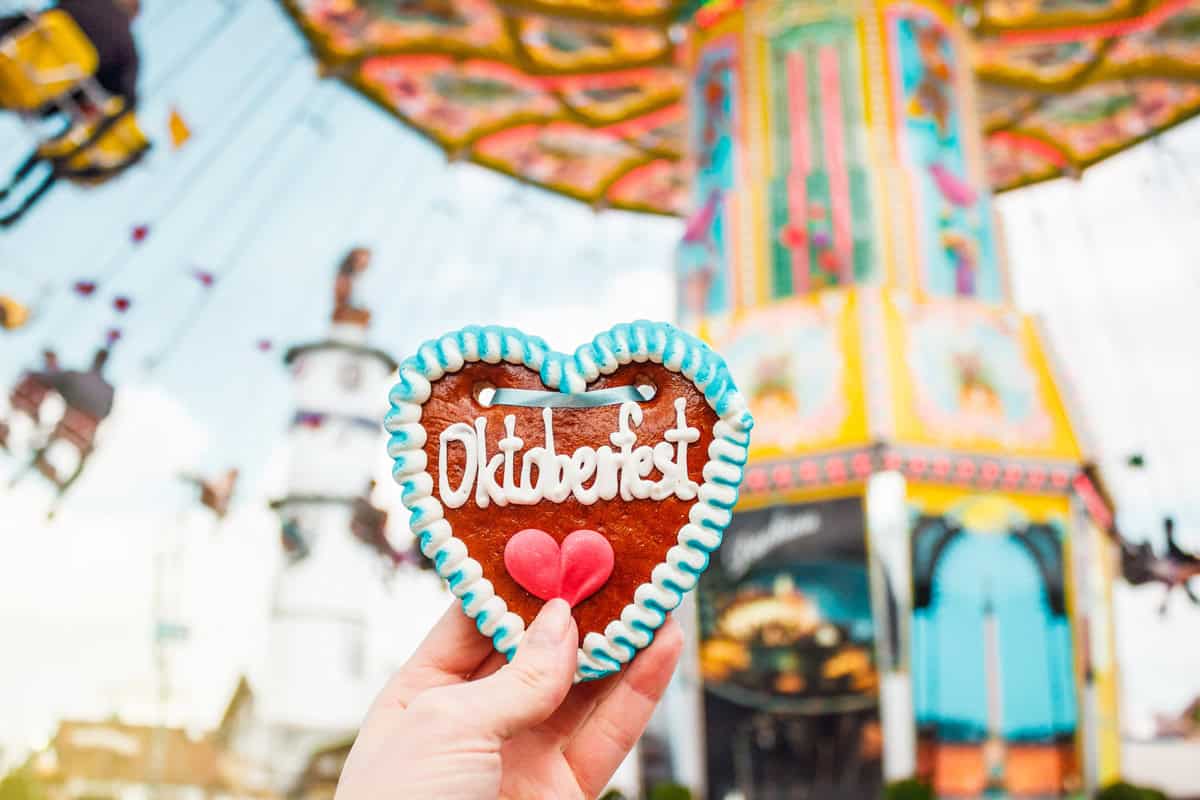
Meanwhile, in the heart of the Swabian region, the Cannstatter Volksfest—or the Wasen—offers a slightly more localized but equally vibrant experience. While both festivals share a love for oompah bands, carnival rides, and flowing beer, their culinary menus often reflect regional pride. Bavarians lean into rich, meat-heavy roasts, while Swabians champion the art of handmade noodles and complex, comforting stews.

A Brief Chronology: From Royal Wedding to Global Phenomenon
The origins of Oktoberfest are rooted in a celebration of love. The inaugural festival took place on October 12, 1810, to commemorate the marriage of Crown Prince Ludwig—later King Ludwig I—and Princess Therese of Saxe-Hildburghausen. The citizens of Munich were invited to join the festivities, which included horse races and agricultural shows.
The event was such a success that it became an annual tradition. Over time, the festival was shifted to September to capitalize on warmer weather and longer daylight hours, allowing guests to enjoy the outdoors well into the evening. By 2023, the festival had evolved into a massive economic and cultural powerhouse, welcoming over 7.2 million visitors and cementing its status as the pinnacle of German autumnal celebrations.

The Culinary Pillars of the Festival
German festival food is designed for endurance; it is rich, savory, and meant to complement the heavy lagers served in mass-sized steins. The following categories represent the essential dishes found across the tents of both the Wiesn and the Wasen.
Main Dishes: The Heart of the Feast
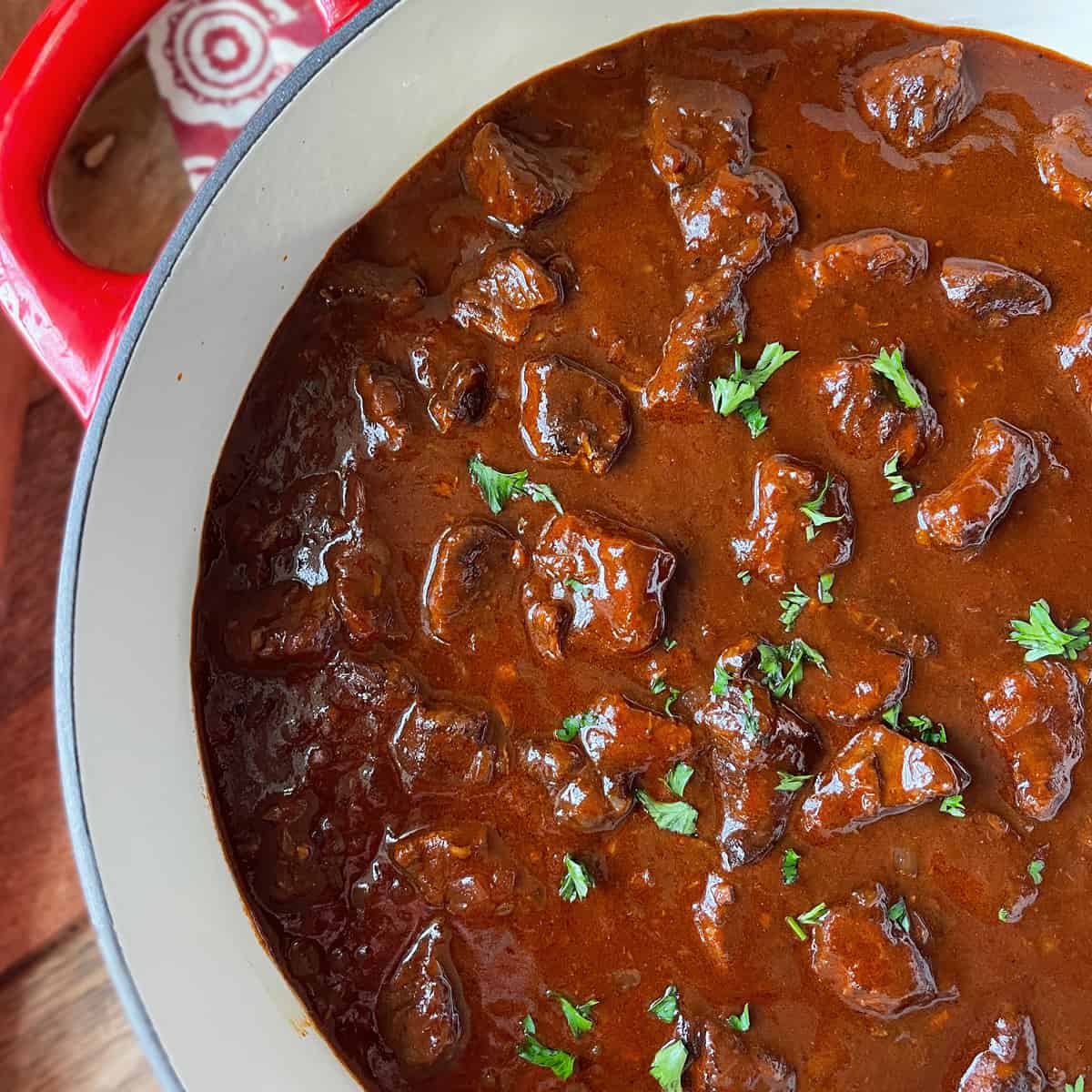
The centerpiece of any festival table is usually a slow-roasted or braised meat dish.
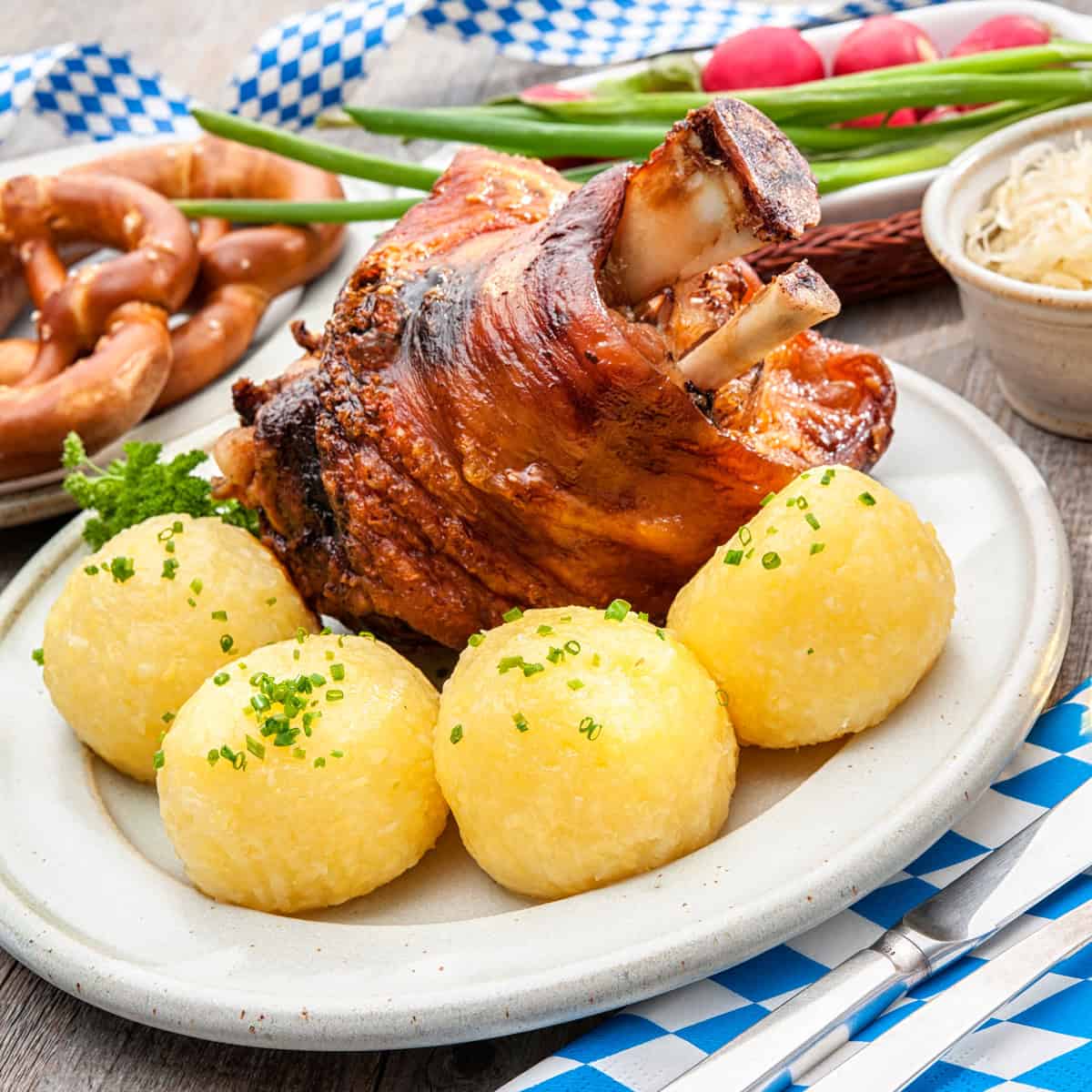
- Schweinshaxe (Roast Pork Knuckle): A legendary dish featuring a crackling, golden-brown skin that protects the succulent, melt-in-your-mouth meat beneath. It is a staple of peasant cooking elevated to a festival necessity.
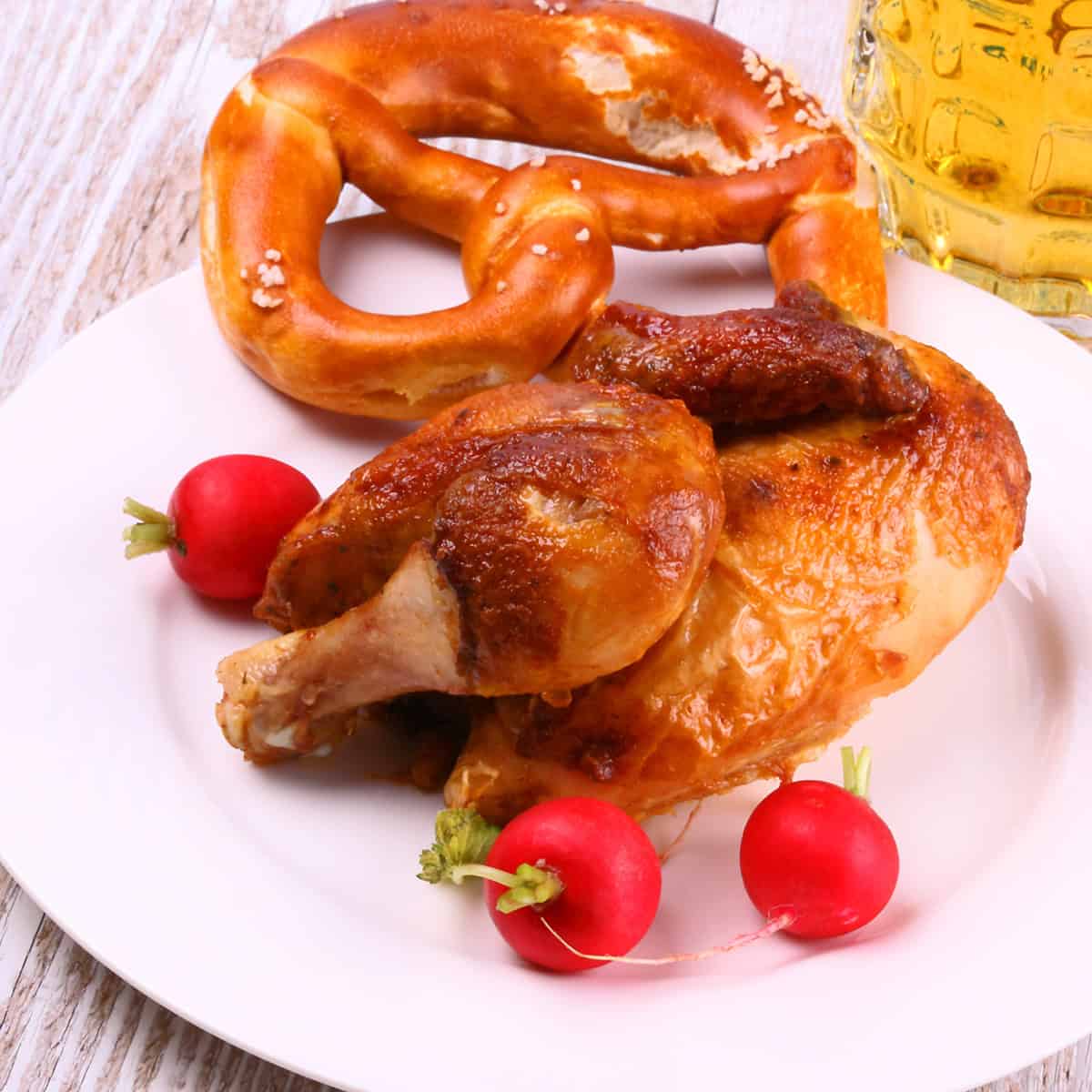
- Wiesnhendl (German Roast Chicken): Simple yet perfect, this rotisserie chicken is seasoned with nothing more than butter and paprika. It is estimated that half a million of these are consumed during the Munich festivities alone.
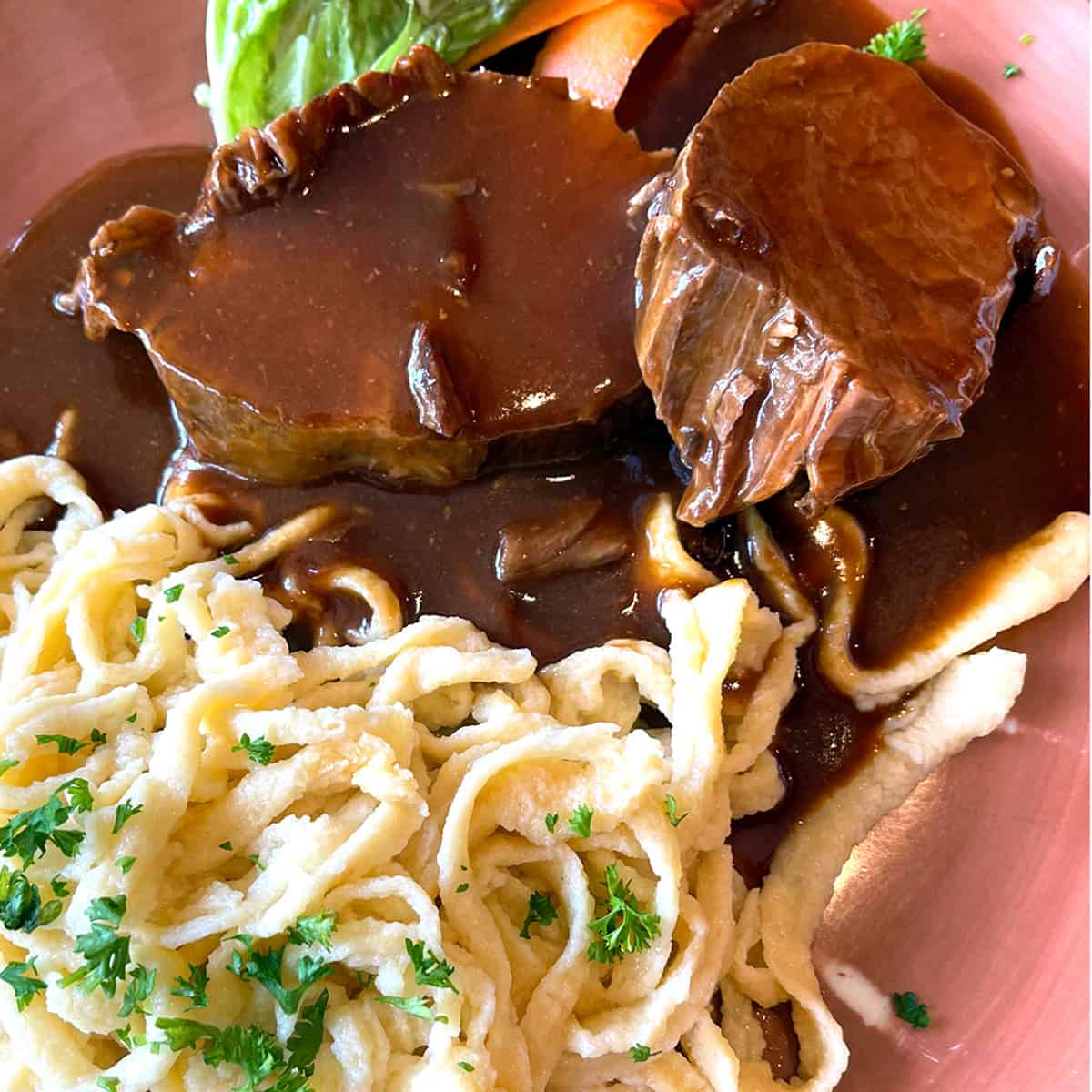
- Rouladen: A masterclass in comfort, these thin slices of beef are rolled with bacon, onions, mustard, and pickles, then braised in a velvety gravy. While more common in smaller, food-focused tents, they represent the soul of German home cooking.
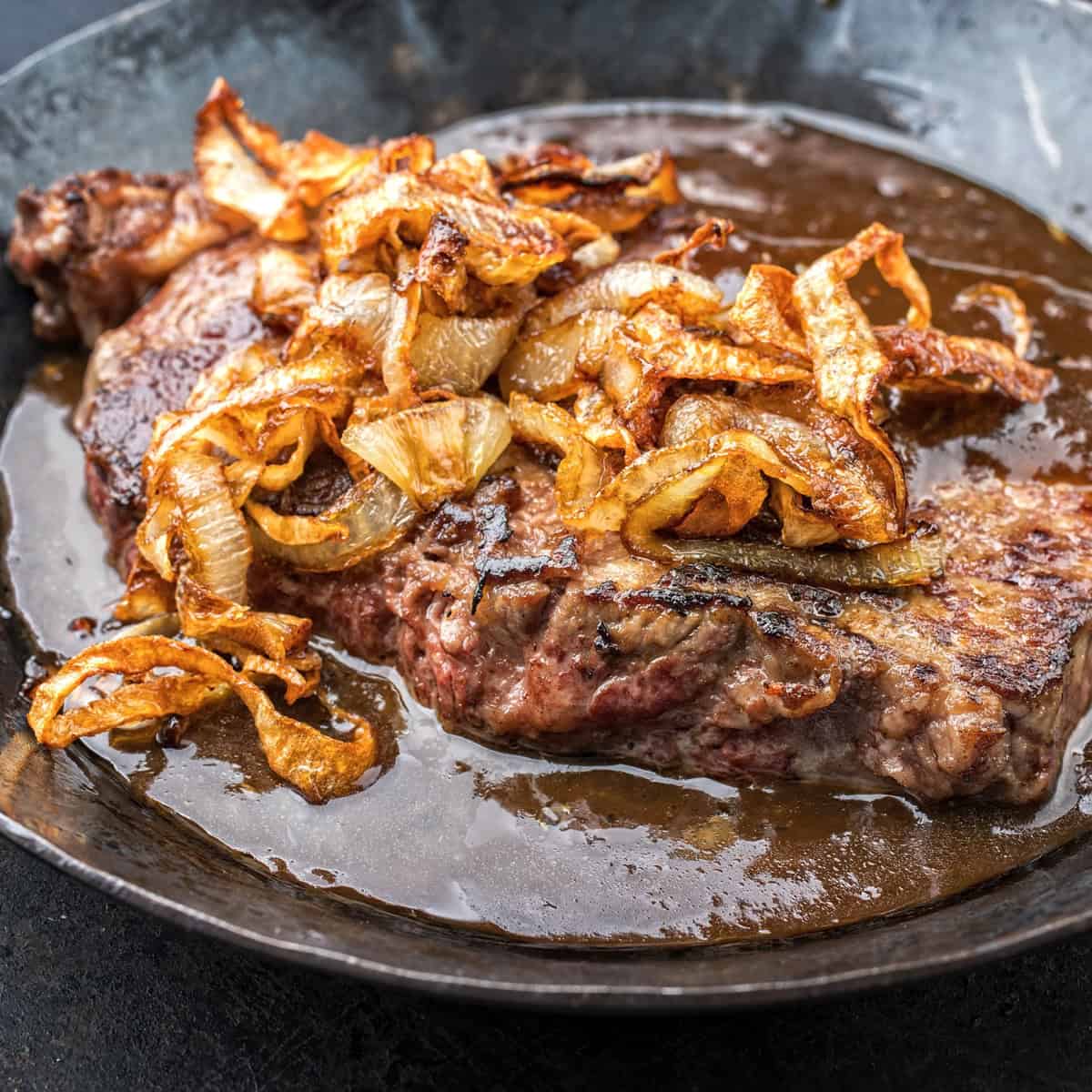
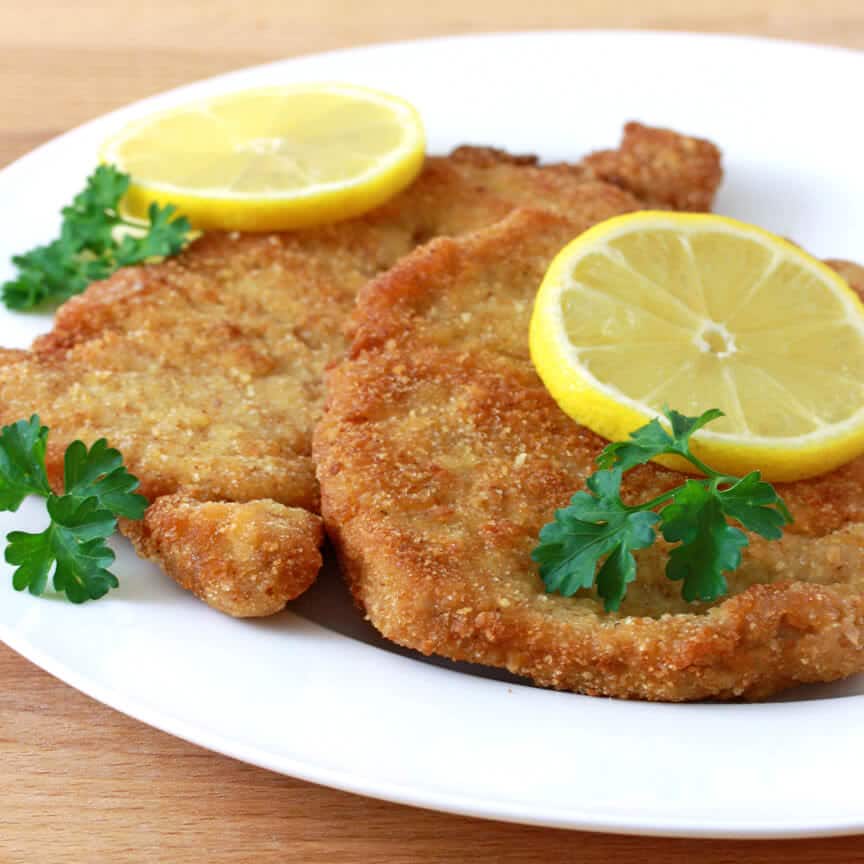
- Schnitzel and Jägerschnitzel: While the classic breaded pork cutlet is a universal favorite, the Jägerschnitzel—smothered in a rich, earthy mushroom gravy—is the preferred choice for those seeking a deeper flavor profile.
The Swabian Influence: Noodle and Stew Traditions
Visitors to the Cannstatter Volksfest in Stuttgart will encounter dishes rarely found in the Munich tents.
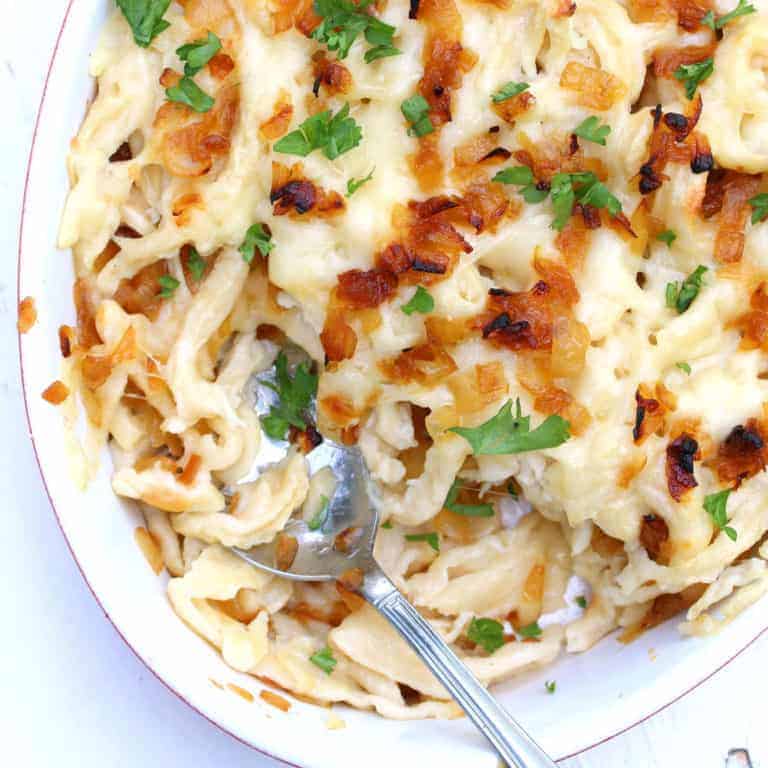
- Gaisburger Marsch: A legendary Swabian stew containing beef, potatoes, and Spätzle in a clear, nourishing broth, traditionally finished with a heap of caramelized onions.
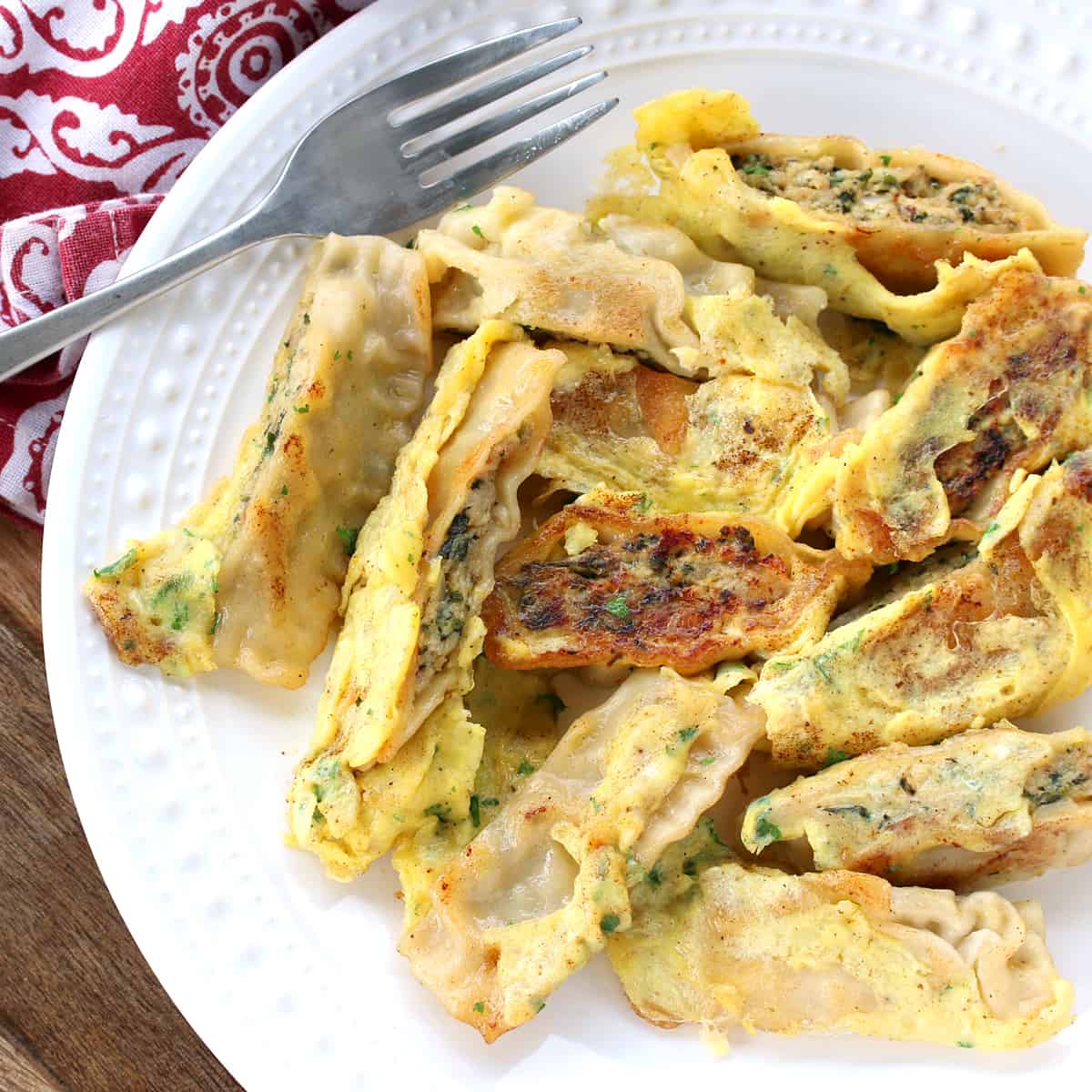
- Maultaschen: Often called "German ravioli," these large, meat-and-spinach-filled pockets are a symbol of Swabian ingenuity. Whether served in der Brühe (in broth) or gebraten (pan-fried with eggs), they are a non-negotiable part of the regional diet.
- Linsen mit Spätzle: A sweet-and-sour lentil dish served over egg noodles. The interplay of vinegar and bacon creates a balanced profile that defines the regional palate.
Supporting Data: The Anatomy of a Festival Meal
To host a truly authentic experience, it is helpful to understand the structural importance of sides. A meal is rarely served in isolation; it is a composition of textures.
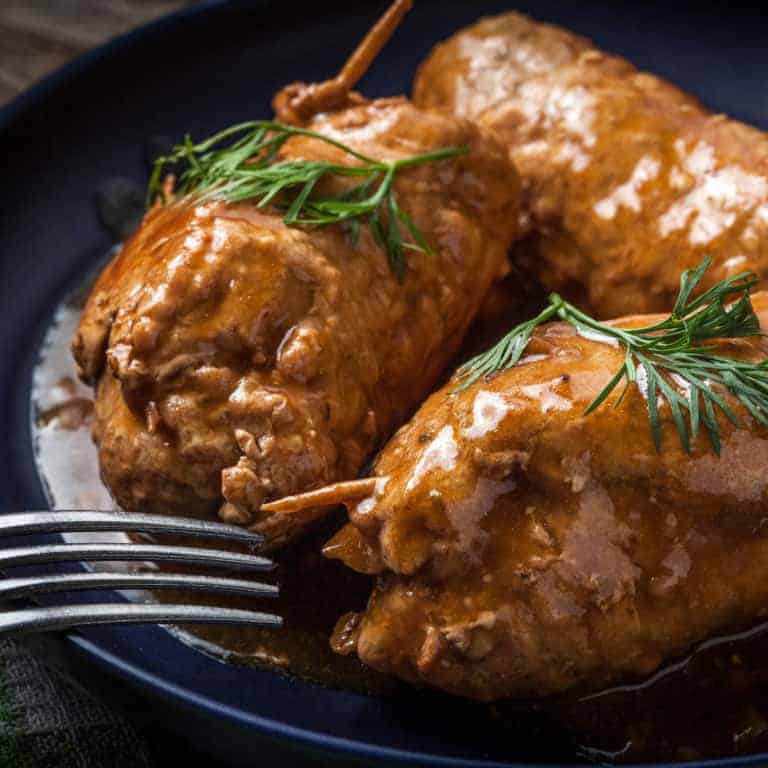
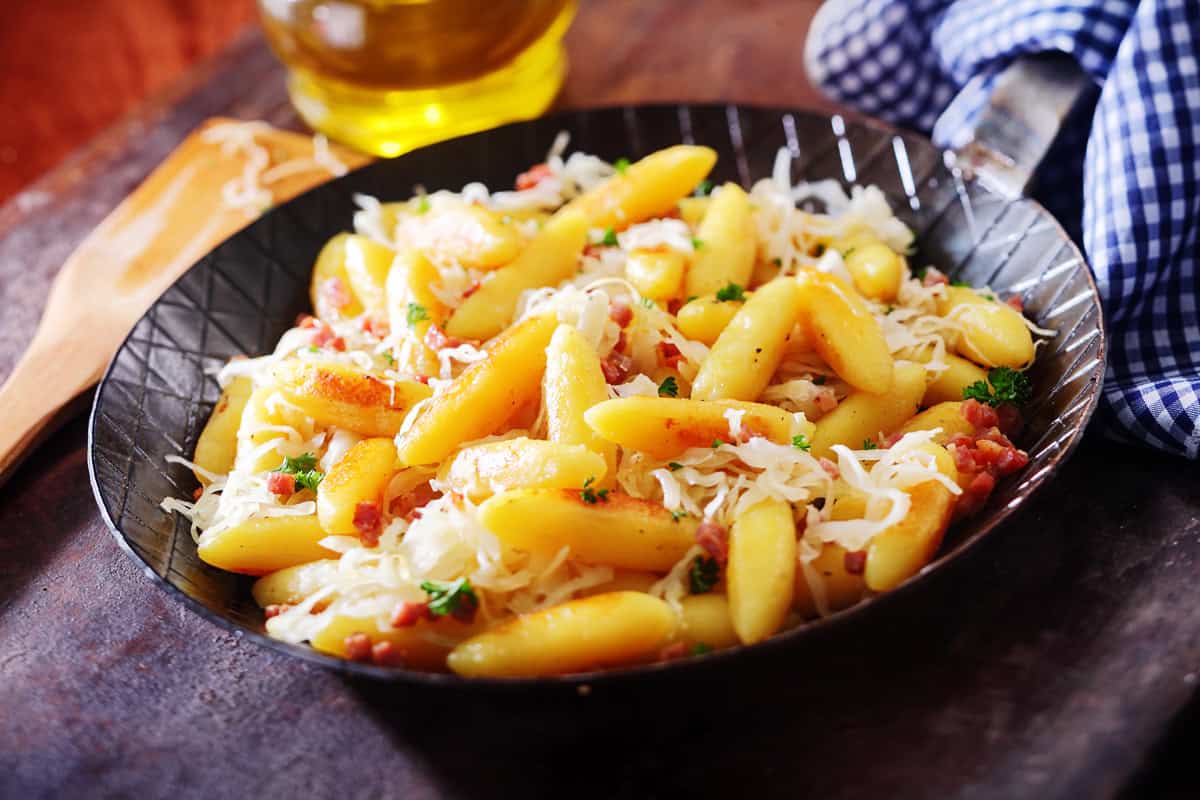
- The Starch Foundation: Spätzle (egg noodles), Semmelknödel (bread dumplings), and Kartoffelklöße (potato dumplings) act as the necessary vessels for the rich gravies.
- The Acid Balance: Because the main dishes are high in fat, the side salads are essential. Krautsalat (cabbage salad), Gurkensalat (cucumber salad), and Kartoffelsalat (potato salad) provide the essential acidity required to cut through the richness of the pork and beef.
- Fermentation: Sauerkraut and Rotkohl (braised red cabbage) are not just sides; they are historical components of German diet, providing probiotics and a deep, complex flavor that pairs perfectly with roasted meats.
The Sweet Finale: Traditional Desserts
No festival experience is complete without a venture into the sugary stalls.
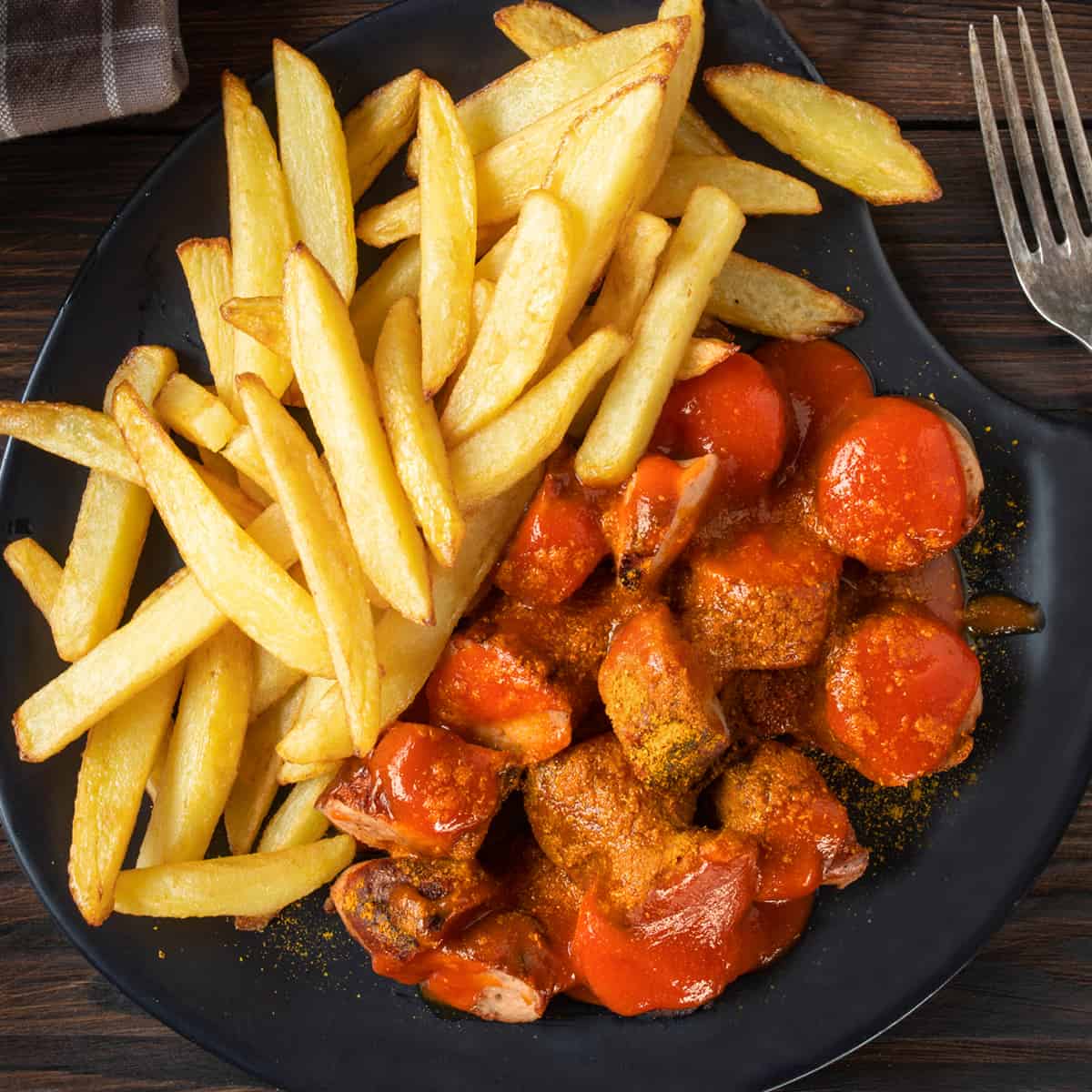
- Dampfnudel and Germknödel: These steamed yeast dumplings are the definition of comfort. Whether served with a pool of warm vanilla sauce or filled with plum jam and dusted with poppy seeds, they are hearty enough to serve as a meal.
- Apfelstrudel and Kaiserschmarrn: These Austrian-influenced favorites have long since crossed the border to become staples of the German festival circuit. The Kaiserschmarrn—a "torn" pancake—is particularly beloved for its rustic, communal presentation.
- Gebrannte Mandeln: The aroma of these candied almonds, roasted in copper kettles, is perhaps the most evocative scent of the festival grounds.
Implications for the Home Cook
For the home entertainer, the "Oktoberfest" label provides a permission structure to cook with intention. These recipes are not "fast food"; they are an invitation to slow down. Making your own Bratwurst, simmering a Sauerbraten for several days, or hand-shaping Spätzle allows the cook to engage with history.
When preparing these dishes, keep three things in mind:
- Quality of Ingredients: Because many of these recipes rely on simple seasonings (salt, pepper, paprika, marjoram), the quality of your meat and vegetables is paramount.
- Patience: Dishes like Sauerbraten or Griebenschmalz require time to develop their flavors. Do not rush the process.
- Presentation: The festival atmosphere is as much about the environment as the food. Use rustic serving platters, offer a selection of mustard, and don’t forget the Apfelschorle (apple spritzer) for those who prefer a non-alcoholic, yet traditional, refreshing beverage.
Official Perspectives: The Value of Heritage
Culinary historians often point to the persistence of these recipes as a form of cultural preservation. In an era of globalized, homogenized dining, the continued dominance of Spätzle and Haxe at German festivals speaks to a deep-seated need for identity and connection. These foods tell the story of the regions from which they originate—the agrarian history of Bavaria and the industrial, hardworking roots of Swabia.
By bringing these recipes into your own kitchen, you are not merely cooking; you are participating in a tradition that spans centuries. Whether you are a seasoned home chef or a curious beginner, the path to an authentic Oktoberfest experience is paved with these time-honored techniques.
Conclusion: A Toast to Tradition
As you prepare your table—perhaps featuring a steaming bowl of Pichelsteiner or a plate of perfectly crisp Schnitzel—remember the motto of the festival: Prost! It is more than just a toast to good health; it is a celebration of the community, the history, and the joy that food brings to our lives. With this guide, you have the tools to capture that spirit, bringing the warmth of a German autumn into your home, no matter where in the world you may be.
From the crispy, golden skin of a Schweinshaxe to the delicate, sweet tang of a Gurkensalat, your journey into the world of traditional German cuisine is just beginning. Roll up your sleeves, open a bottle of crisp white wine or a hearty beer, and enjoy the process of creating something truly authentic. Guten Appetit!


 Basiran
 Jia Lissa
