
 Raul Delapena Setiawan

 Ammar Sabilarrohman
 Lina Irawan
 Suro Senen
 Iffa Jayyana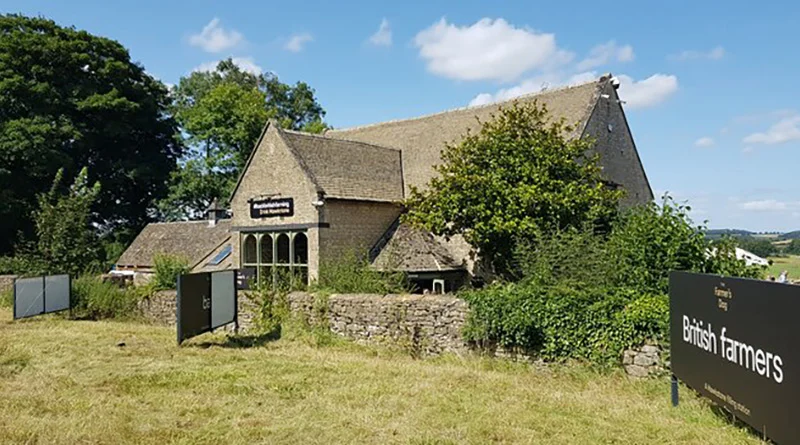
In the picturesque Cotswold town of Burford, Oxfordshire, a high-profile experiment in British hospitality is currently unfolding. The Farmer’s Dog, the latest venture from television personality and farmer Jeremy Clarkson, has become a lightning rod for national attention. Since its doors swung open in August 2024, the venue has enjoyed the kind of success most publicans only dream of: a dining room booked weeks in advance, queues stretching into the car park, and a level of footfall that has revitalized the local area.
However, behind the rustic charm and the bustling atmosphere of a “fully capacity” venue lies a sobering financial reality. Despite its overwhelming popularity, The Farmer’s Dog has reported a pre-tax loss of £8,486 within its first four months of operation. This revelation, brought to light in recent episodes of the documentary series chronicling the farm’s operations, has sent ripples through the hospitality sector. It serves as a stark case study of the "popularity paradox"—a phenomenon where high demand does not equate to profitability, but instead exacerbates underlying infrastructure weaknesses and operational drains.
Main Facts: A Deficit Amidst the Demand
The financial figures for the opening quarter of The Farmer’s Dog paint a confusing picture for the casual observer. For a venue that is "fully booked every day," a loss—even a relatively modest one of nearly £8,500—seems counterintuitive. However, the data reveals that the pub is currently battling a "perfect storm" of high overheads, infrastructure bottlenecks, and an unprecedented level of petty theft.
The core of the issue lies in the mismatch between the site’s original design and its current usage. Originally a more modest roadside inn, the site was not prepared for the "Clarkson Effect"—the massive influx of fans and tourists that follows any project associated with the former Top Gear presenter.
Key operational challenges contributing to the deficit include:
- Infrastructure Strain: The sheer volume of customers has overwhelmed the pub’s waste management systems, requiring constant and costly maintenance of cesspits and grease traps.
- Energy Costs: A lack of a permanent, high-capacity grid connection has forced the business to rely on temporary diesel generators, costing roughly £3,000 per month in fuel alone.
- Asset Depletion: The pub is losing approximately 400 branded pint glasses per week to theft, alongside other bizarre losses ranging from lightbulbs to plumbing fixtures.
- Staffing Overheads: To manage the crowds, the pub has had to hire dedicated car park attendants and additional security, costs that were not part of the original business model for a rural gastropub.
Chronology: From Grand Opening to Financial Reckoning
The journey of The Farmer’s Dog began long before the first pint was poured. Jeremy Clarkson’s acquisition of the site (formerly The Windmill) was motivated by a desire to provide a "farm-to-table" outlet for his Diddly Squat Farm produce and other local British farmers.
August 2024: The Launch
The pub opened in August 2024 to massive fanfare. Thousands of visitors descended on Burford, leading to traffic congestion and instant "sold out" signs for the dining room. From day one, the kitchen was running at maximum output, and the bar was serving record numbers of Hawkstone lager and cider.
September – October 2024: The Infrastructure Crisis
As the initial "honeymoon period" continued, the physical limitations of the building became apparent. The plumbing and waste systems, designed for a standard village pub, began to fail under the pressure of hundreds of visitors per hour. Emergency clearances of the cesspit became a weekly, and then a bi-weekly, necessity. Simultaneously, the lack of a sufficient electrical grid connection meant the pub had to rely on a hired generator to keep the ovens and refrigerators running.
November 2024: The Inventory Leak
By the third month of operation, management noticed a staggering discrepancy in glassware inventory. Despite the high volume of beer sales, the stock of branded glasses was plummeting. It became clear that the "souvenir culture" surrounding the pub was leading to a systemic loss of property.
December 2024: The Financial Review
As part of the ongoing documentary series, Clarkson sat down with a hospitality consultant to review the first four months of trading data. It was during this meeting that the £8,486 loss was officially recorded, prompting a public discussion about the viability of high-volume, low-margin hospitality in the current economic climate.
Supporting Data: The High Cost of Doing Business
To understand how a "full" pub can lose money, one must look at the specific data points that define the operation of The Farmer’s Dog.
The Energy Gap
One of the most significant financial drains is the electricity supply. To upgrade the local grid connection to handle the pub’s industrial-scale kitchen and lighting needs, the business was quoted a sum exceeding £200,000. Faced with such a massive capital expenditure, the management opted for a temporary solution: a high-capacity generator.
- Daily Fuel Cost: ~£100
- Monthly Fuel Cost: ~£3,000
- Annual Projection: £36,000 (excluding hire fees and maintenance)
The Glassware Attrition
The loss of branded glassware is perhaps the most "baffling" statistic revealed by the operator.
- Weekly Loss: 400 glasses
- Monthly Loss: 1,600+ glasses
- Estimated Unit Cost: £1.50 – £2.50 per glass
- Estimated Monthly Cost: £2,400 – £4,000
When extrapolated over a year, the theft of pint glasses alone could cost the business nearly £50,000—more than five times the current recorded loss.
Waste and Maintenance
A standard pub might clear its grease traps once a quarter. The Farmer’s Dog, due to the volume of food being served, requires much more frequent intervention. Similarly, the cesspit—essential for a rural location not connected to the main sewer—must be pumped out constantly to prevent environmental hazards. These "unseen" costs of high-volume hospitality can easily reach thousands of pounds per month.
Official Responses: A "Baffling" Reality
Jeremy Clarkson’s reaction to the financial data was one of visible frustration. During the televised consultation, he described the situation as “baffling,” noting that from the perspective of a visitor, the business looks like a gold mine. “We’re fully booked every day, couldn’t get any more people in if we tried—and we’re losing money,” he remarked.
The hospitality consultant involved in the review noted that this is a classic "scaling" problem. In many ways, The Farmer’s Dog is a victim of its own success. The consultant highlighted that when a business operates at 110% capacity, the wear and tear on the building and the stress on the systems don’t just increase linearly—they increase exponentially.
Furthermore, the consultant pointed out that the pub’s commitment to using local British produce—a core tenet of Clarkson’s philosophy—carries a much higher "Cost of Goods Sold" (COGS) than a traditional pub that might use cheaper, imported ingredients. While this supports the local farming economy, it leaves the business with very thin margins that are easily wiped out by unexpected costs like generator fuel or stolen glasses.
Implications: A Warning for the Wider Industry
The case of The Farmer’s Dog is more than just a celebrity news story; it is a microcosm of the challenges facing the UK licensed trade in 2024. Several broader implications can be drawn from this situation.
1. The Hidden Costs of Fame
For "destination" venues, popularity brings costs that standard pubs do not face. Car park management, security, and the "souvenir theft" of everything from glasses to urinal traps are unique burdens. The fact that customers feel entitled to "take a piece" of the venue because of its celebrity association is a disturbing trend for operators.
2. The UK’s Infrastructure Crisis
The £200,000 quote for a grid connection is symptomatic of a wider issue in rural Britain. Small businesses are often stifled by the prohibitive costs of upgrading utility infrastructure. When a business is forced to choose between a £200k upfront cost and a £100/day generator, it is trapped in a cycle of "expensive poverty," where short-term survival prevents long-term fiscal health.
3. The Margin Problem
The UK hospitality industry is currently grappling with high VAT (20%), rising business rates, and increased labor costs. When these macroeconomic factors are combined with the high cost of quality British ingredients, the "break-even" point for a pub is higher than ever. The Farmer’s Dog proves that even a "sold-out" venue can struggle to reach that point if operational inefficiencies are present.
4. Consumer Behavior and Ethics
The theft of 400 glasses a week suggests a disconnect between consumers and the businesses they patronize. There is an irony in customers who claim to support British farming and local pubs, yet engage in petty theft that directly threatens the viability of those very establishments.
Conclusion
The Farmer’s Dog stands at a crossroads. Its popularity is undeniable, and its role as a champion for British agriculture is commendable. However, the first four months of trading have proven that a crowded bar is not a guarantee of a healthy balance sheet.
To move into the black, the venue will likely need to address its infrastructure deficit—perhaps by biting the bullet on the grid connection—and implement stricter security measures to curb the "souvenir" thefts. For the wider hospitality industry, Clarkson’s candidness provides a rare and valuable look at the reality of modern pub ownership. It is a reminder that in the world of hospitality, success is measured not by the length of the queue outside, but by the resilience of the systems within.

 Layla Zulfa