 Lina Irawan
 Lina Hope
 Rifan Muazin
 Neng Nana
 Jia Lissa
 Laily UPN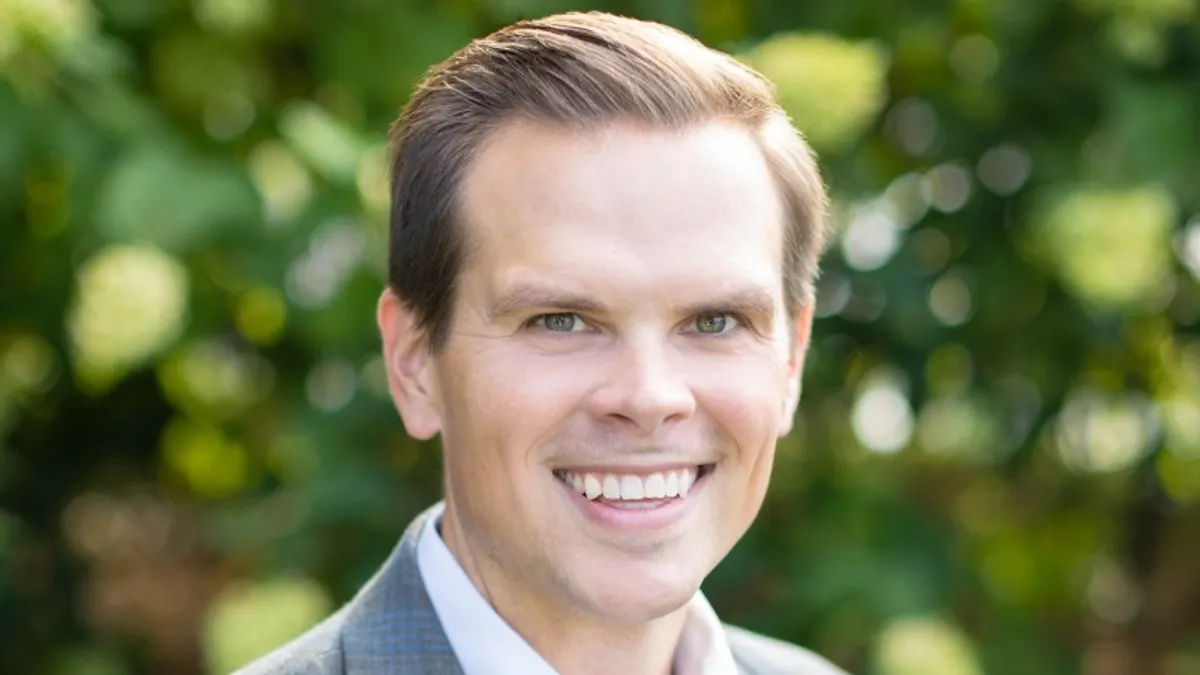
By Industry Desk
June 12, 2026
Zaxby’s, the iconic Southern-born chicken chain, has officially solidified its leadership team for the coming decade, announcing the permanent appointment of Russell Holland as Chief Development Officer (CDO). Holland, who has been steering the company’s growth strategy on an interim basis since February 2026, steps into the role with a clear mandate: to maintain the momentum of a brand that has officially breached the 1,000-unit milestone and is hungry for deeper national penetration.
This appointment is the latest in a series of strategic moves by Zaxby’s CEO Bernard Acoca to professionalize and scale the executive suite. As the quick-service restaurant (QSR) landscape becomes increasingly competitive, Zaxby’s is betting that Holland’s decades of specialized real estate and development experience will provide the architectural backbone for the chain’s long-term expansion goals.
The Core Facts: A Strategic Transition
Russell Holland’s elevation to the permanent CDO position marks the conclusion of a transition period that began earlier this year. Holland originally joined Zaxby’s in December 2025, initially tasked with overseeing real estate and non-traditional development. His rapid ascent to the C-suite speaks to the immediate impact he had on the company’s internal development workflows.
As the permanent CDO, Holland is charged with orchestrating the company’s physical expansion, which involves a complex balancing act of opening new, profitable units while optimizing the performance of the existing footprint. His role encompasses the identification of high-potential real estate, the refinement of construction and design processes, and the strategic rollout of both traditional and non-traditional restaurant models.
A Career Built on QSR Real Estate
To understand why Zaxby’s selected Holland, one must look at the depth of his resume. With nearly 20 years of experience in the food service and real estate sectors, Holland is not a newcomer to the complexities of scaling a national brand.
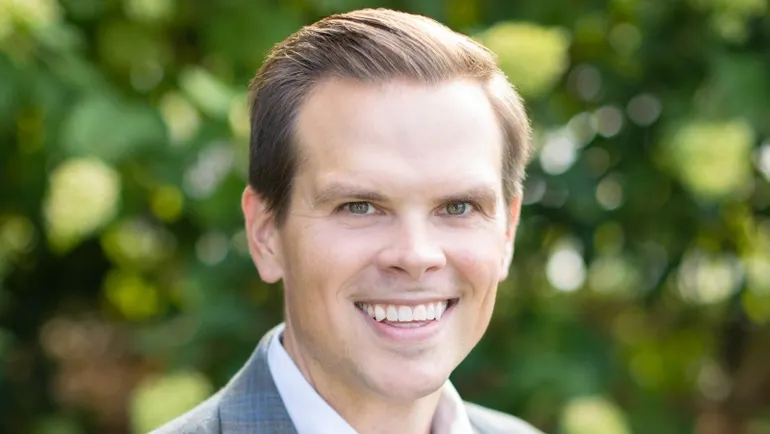
Prior to his tenure at Zaxby’s, Holland served as the Vice President and Head of Real Estate for Inspire Brands—a global restaurant powerhouse that manages a massive portfolio including Arby’s, Buffalo Wild Wings, and Sonic. His work at Inspire provided him with a masterclass in how to manage diverse development pipelines across multiple brands with distinct operational needs.
Before his time with Inspire, Holland spent over 12 years at Waffle House, a cornerstone of Southern dining. His tenure there, marked by various roles in real estate, allowed him to develop a deep, granular understanding of the nuances of site selection, lease negotiations, and market entry strategies. This background is particularly relevant to Zaxby’s, as the chain seeks to expand its reach across the 23 states in which it currently operates, moving into increasingly diverse demographic and geographic territories.
Chronology of Growth: From 1,000 Units to Future Targets
The appointment of a permanent CDO arrives at a pivotal moment in Zaxby’s corporate history. The following timeline outlines the recent evolution of the brand:
- 2025: Zaxby’s officially hits the 1,000-unit milestone, a major achievement that validates its regional popularity and positions it as a significant player in the national QSR chicken segment.
- December 2025: Russell Holland joins the Zaxby’s organization, specifically focusing on non-traditional development—an area the brand views as a high-growth channel.
- February 2026: Holland is elevated to Interim Chief Development Officer following an internal leadership shift, taking over the strategic direction of the entire development department.
- March 2026: The company strengthens its financial leadership by hiring Michael Dixon as Chief Financial Officer. This move is widely viewed by industry analysts as a signal that the company is preparing for significant capital expenditure and potential long-term growth investments.
- June 2026: Russell Holland is named the permanent Chief Development Officer, marking the completion of the leadership puzzle required to support the company’s 2026–2030 expansion plan.
Supporting Data: The Engine of Expansion
Zaxby’s growth is not merely anecdotal; it is backed by a robust and aggressive development pipeline. According to the brand’s recent franchise disclosure documents, the company is maintaining a steady clip of new unit openings.
In the previous year, Zaxby’s added 36 net new units to its portfolio. For 2026, the company has projected a more aggressive trajectory, with plans to open approximately 69 units. Notably, 62 of these are slated to be franchised locations, highlighting the strength of the brand’s appeal to multi-unit operators.
The strategy for this expansion is twofold:

- Traditional Footprint: Continued growth in suburban and urban markets where the brand can leverage its established customer base and drive high traffic volumes.
- Non-Traditional Settings: A deliberate push into locations such as military bases, travel centers, and other high-density, non-standard real estate footprints. This shift allows the brand to capture customers in high-convenience environments where traditional brick-and-mortar storefronts may not be feasible.
Official Responses: Leadership Alignment
The appointment of Holland has been met with strong support from the highest levels of the organization. Zaxby’s CEO Bernard Acoca noted that the selection of Holland was based on a combination of technical expertise and cultural alignment.
“Russell not only has a proven track record of success improving workflows and supporting profitable growth across QSR brands, but he also has a leadership style that fits the Zaxbys brand,” Acoca said in a statement. “His ability to simplify complex development processes and build scalable strategies is exactly what we need as we look toward our next phase of growth.”
The emphasis on "simplifying processes" is particularly telling. In the restaurant industry, the bottleneck for expansion is often the time between signing a lease and the grand opening. By focusing on workflow efficiency, Holland is expected to reduce the "time-to-market" for new franchisees, thereby increasing the internal rate of return for operators and making the Zaxby’s franchise opportunity more attractive.
Implications for the Future
The decision to formalize Holland’s role in the middle of a fiscal year has several profound implications for the competitive landscape of the chicken QSR segment.
1. Scaling for Competition
The chicken segment, arguably the most competitive space in fast food, is currently dominated by titans like Chick-fil-A, Popeyes, and Raising Cane’s. For Zaxby’s to compete at the national level, it requires not just good food, but a high-functioning real estate strategy. By bringing in a veteran like Holland, Zaxby’s is signaling that it intends to compete on speed, site quality, and operational excellence.
2. A Synergistic Executive Team
The pairing of Michael Dixon (CFO) and Russell Holland (CDO) is a classic corporate "growth pairing." Dixon brings the financial discipline to ensure that expansion is profitable, while Holland provides the tactical expertise to execute the growth. This tandem suggests that Zaxby’s is moving away from the "growth at any cost" model and toward a "profitable growth" model, which is essential for private equity or potential long-term public market viability.

3. The Non-Traditional Frontier
Holland’s background in non-traditional development is likely to be his most significant contribution. As prime real estate becomes increasingly expensive and difficult to secure, the ability to build, manage, and scale within unconventional spaces will provide Zaxby’s with a distinct competitive advantage. Whether it is inside an airport, on a college campus, or within a military installation, these high-traffic, low-overhead environments are the new battleground for QSRs.
4. Franchisee Confidence
For existing and prospective franchisees, a permanent CDO provides stability. The development of a restaurant chain is a long-term investment, and partners prefer to see consistency at the leadership level. Holland’s presence ensures that the development roadmap he helped design will be seen through to completion, mitigating the risks associated with leadership turnover.
Conclusion
As Zaxby’s looks toward the horizon, the appointment of Russell Holland is a calculated step in its evolution. With over 1,000 units already in operation and a clear strategy for the next 69, the brand is positioned to transition from a regional favorite to a truly national powerhouse. By integrating leadership with decades of experience from industry giants like Inspire Brands and Waffle House, Zaxby’s is effectively hardening its infrastructure, ensuring that its physical growth is matched by operational, financial, and strategic stability.
The coming months will be a testament to Holland’s ability to turn these plans into reality, but the market consensus remains clear: Zaxby’s is no longer just growing—it is accelerating.

 Iffa Jayyana