

 Dwi Wanna
 Nana Wu
 Muslim
 Reynand Wu
 Ammar Sabilarrohman
 Suro Senen
In the landscape of American gastronomy, few culinary figures evoke as much reverence and intrigue as the pitmaster. Often mythologized as the stoic guardian of the smoker, the pitmaster is the architect of the "low and slow" tradition—a craft that transforms tough, fibrous cuts of meat into tender, succulent masterpieces. While the term is frequently tossed around at neighborhood cookouts, there is a profound distinction between a backyard enthusiast and a professional pitmaster operating at the highest echelons of the industry.
The Anatomy of the Pitmaster: Beyond the Smoke
At its core, a pitmaster is a master of thermal dynamics, wood chemistry, and animal husbandry. They do not merely cook meat; they manage the complex interplay of oxygen, fuel, and time. While a sous chef or a pastry chef in a traditional fine-dining kitchen follows a structured, regulated path of certification, the title of "pitmaster" remains an informal badge of honor earned through years of trial, error, and unwavering consistency.
Professional pitmasters are found in the legendary smokehouses of Austin, the rib joints of Memphis, and the bustling kitchens of Kansas City. They are the individuals who have successfully scaled their craft, moving from cooking for a family of four to managing thousands of pounds of brisket, ribs, and whole hogs on a weekly basis. In this world, reputation is the only currency that matters, and it is earned by the ability to produce the same level of perfection on a Tuesday afternoon as on a Saturday night.
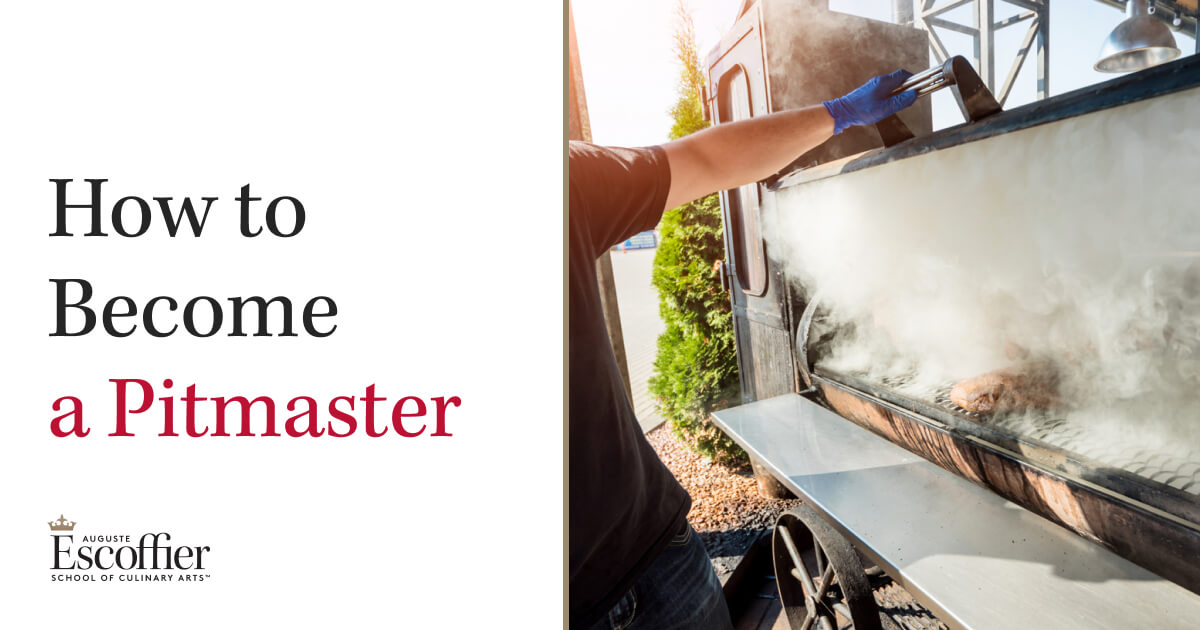
Chronology of a Craft: How a Career Takes Shape
The path to becoming a professional pitmaster is rarely linear. It is a journey defined by long, grueling hours and an obsession with the subtle nuances of smoke profiles.
The Foundation: Culinary Education
While the "old school" method of learning solely through trial by fire remains common, modern aspiring pitmasters are increasingly turning to formal culinary education. Institutions like the Auguste Escoffier School of Culinary Arts provide a necessary technical framework that differentiates a hobbyist from a professional. Culinary programs instill essential knowledge in food safety, inventory management, menu design, and the science of flavor profiles—skills that are often overlooked by those who learn solely on the backyard patio.
The Apprenticeship: The "Line Cook" Phase
The transition into the professional sphere typically begins in the line cook position. In a high-volume barbecue restaurant, this is an apprenticeship of sweat and heat. A newcomer will spend months mastering the basics: trimming briskets, managing airflow in offset smokers, and learning the "bark" development of various proteins.
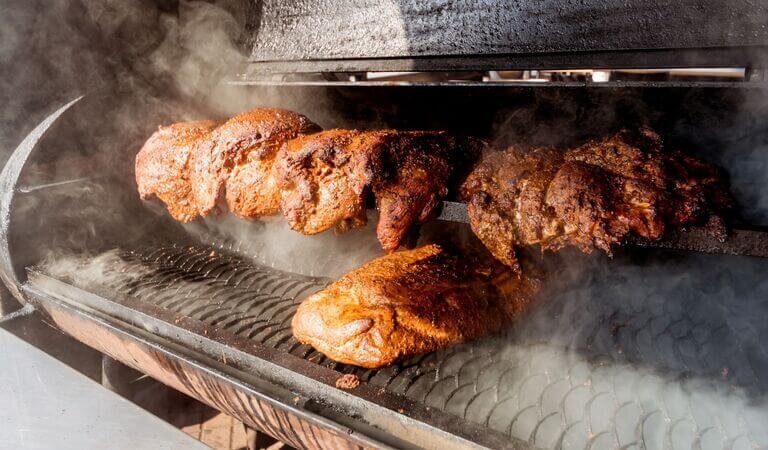
For many, this includes the overnight shift—often from midnight to 6 a.m.—where the real work of fire management occurs. During these hours, the pitmaster-in-training learns to listen to the fire, adjusting wood logs to maintain the "thin blue smoke" that characterizes elite barbecue.
Mastery: The Cutter and the Pit Boss
Progression usually leads to the "front-of-house" role of the cutter. As demonstrated by Michael Fields, an Escoffier graduate who rose through the ranks at the world-renowned Franklin Barbecue, the cutter position is a role of high trust. This individual must possess not only the knife skills to carve brisket with surgical precision but also the interpersonal skills to communicate the story of the meat to the customer. It is the final stage of the hierarchy before one assumes full responsibility for the pit and the business.
Supporting Data: The Economics of the Pit
Understanding the economic reality of the industry is vital for those entering the trade. According to U.S. Bureau of Labor Statistics (BLS) data from May 2024, the median annual wage for chefs and head cooks sits at approximately $60,990. However, for those starting out as line cooks, the median wage is closer to $35,760.

The disparity in these figures highlights the variable nature of the profession. A pitmaster at a premier, destination-style restaurant may command a salary significantly higher than the industry average, especially when accounting for performance bonuses and the potential for equity in the business. Furthermore, those who leverage their skills to launch food trucks or catering operations can see exponential growth in earnings, provided they can master the business side of the craft as effectively as the cooking side.
Official Perspectives: Industry Wisdom
The professional consensus among leading pitmasters is that the transition to a career requires a shift in mindset. As Kevin Fuller, a firehouse cook turned entrepreneur and MasterChef contestant, noted, "If I’m going to make this work, I can’t go in half-cocked on it."
Fuller’s sentiment reflects a growing trend: the professionalization of barbecue. Industry leaders emphasize that while the passion for the craft is the spark, technical knowledge is the fuel. Culinary schools are no longer viewed as unnecessary; they are seen as the fastest way to acquire the "well-rounded foundation" required to innovate. Whether it is mastering the application of a dry rub, understanding the difference between oak and hickory smoke, or calculating food costs for a catering menu, formal training provides the confidence to navigate the high-pressure environment of a commercial kitchen.

Regional Diversity: A Map of American BBQ
To be a professional is to understand the geography of taste. A pitmaster cannot simply be a master of one; they must be conversant in the regional traditions that define American barbecue:
- Texas: The sanctuary of beef. The focus here is on the quality of the brisket, utilizing low and slow heat over oak or mesquite with minimal seasoning—usually just salt and pepper.
- Kansas City: The master of variety. Known for burnt ends and a wide range of proteins, Kansas City style relies on thick, sweet, tomato-and-molasses-based sauces applied toward the end of the cooking process to create a sticky, caramelized finish.
- Memphis: The home of the "dry" rib. Here, the pitmaster’s skill is displayed through the application of a complex, paprika-heavy dry rub. The result is a savory crust that requires no sauce to be considered complete.
- The Carolinas: The domain of the whole hog. Whether it is vinegar-based Eastern style or mustard-based South Carolina "Carolina Gold," the focus is on the interplay between the fatty, tender pork and the acidic, bright sauces that cut through the richness.
- Alabama: The outlier. Famous for its unique white BBQ sauce—a mayonnaise-based creation that provides a creamy, tangy contrast to smoked chicken and pork.
Implications for the Future of the Industry
The future of the pitmaster profession is leaning toward an era of "elevated barbecue." As the market becomes more saturated, consumers are increasingly seeking out chefs who understand the history of the craft while simultaneously pushing the boundaries of what is possible.
We are seeing a trend where the "backyard Dave" archetype is being replaced by the "culinary technician." This evolution has significant implications for the industry:
- Increased Standardization: As more professionals enter the field with culinary degrees, we can expect to see higher standards of food safety and operational consistency.
- Global Fusion: The next generation of pitmasters, like Kevin Fuller, are bringing global influences to the smoker, experimenting with spices and techniques that transcend traditional regional boundaries.
- The Rise of the Entrepreneur: With the rise of social media, the barrier to entry for launching a brand has lowered. However, the barrier to success remains high, necessitating a blend of culinary artistry and business acumen.
Conclusion: The Call of the Smoke
Becoming a pitmaster is not merely about learning how to manage a fire; it is about committing to a life of service and precision. It requires the physical stamina to withstand 12-hour shifts in high-heat environments, the mental acuity to troubleshoot a malfunctioning smoker at 3 a.m., and the creative spirit to keep an ancient tradition alive in a modern world.
For those ready to embark on this journey, the path is clear: start with the fundamentals, seek out hands-on experience under the tutelage of masters, and never stop refining your technique. Whether you aim to run a world-class restaurant in Austin or launch a food truck that brings high-end barbecue to your local community, the first step remains the same—finding the right education to turn your passion into a profession.

 Lina Irawan
 Evan Lee Salim