
 Layla Zulfa
 Laily UPN
 Neng Nana
 Sagoh
Sagoh
 Raul Delapena Setiawan
 Asro
Asro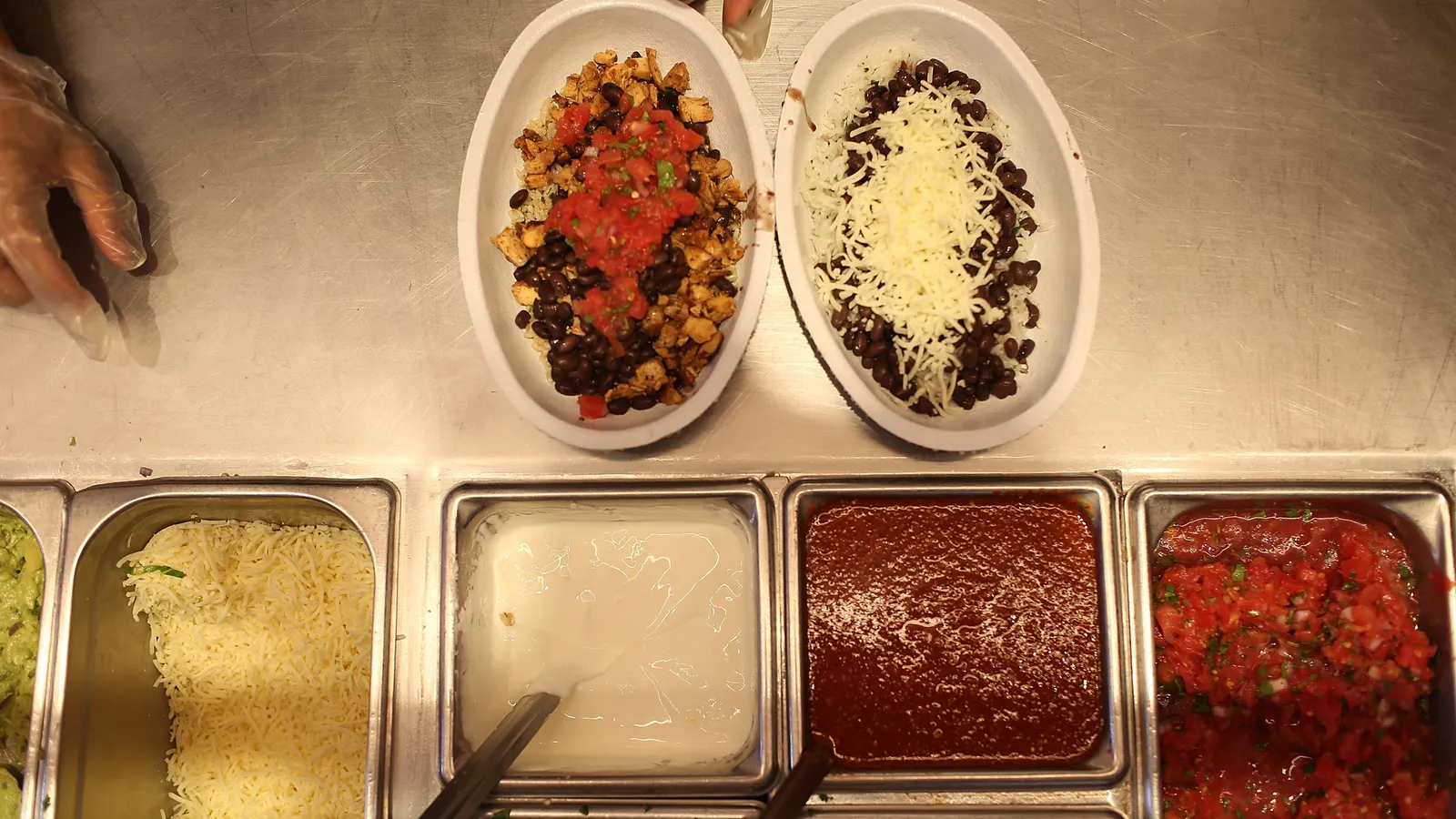
In an era where global supply chains promise uniformity and consumers demand consistency, the modern restaurant industry faces a quiet, persistent challenge: the unpredictable nature of Mother Nature. From the fiery kick of a burrito salsa to the crispness of a seasonal salad, the food served in fast-casual chains is increasingly subject to the whims of climate, geography, and agriculture.
As customers grow more discerning, the discrepancy between "fresh" marketing and "consistent" execution has come under a microscope. Recent investigations have confirmed what many diners have long suspected—that the ingredients in their favorite meals are in a constant state of flux.
The Scoville Investigation: Unpacking the Heat
In 2023, the Wall Street Journal decided to investigate a growing chorus of customer complaints regarding the Tomatillo-Red Chili Salsa at Chipotle Mexican Grill. Patrons had reported that the salsa’s heat level seemed to fluctuate wildly from visit to visit, sometimes leaving diners with a mild zest and other times delivering a stinging, overwhelming burn.
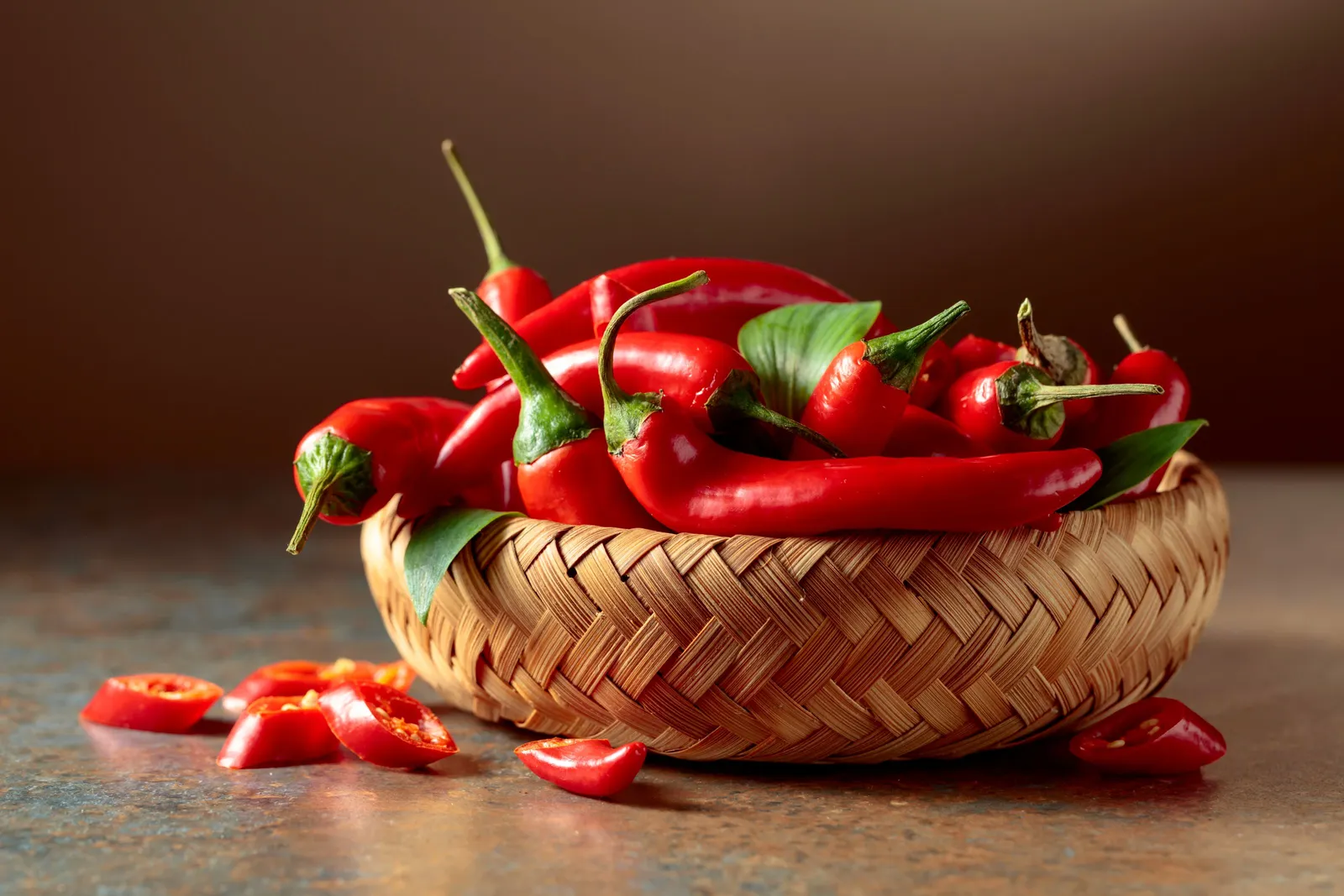
To determine if these claims were grounded in reality, the publication commissioned an independent laboratory analysis. Using the Scoville scale—the industry standard for measuring the pungency of chili peppers—researchers tested salsa samples from three distinct Chipotle locations. The results were conclusive: the Scoville Heat Units (SHU) for the red salsa ranged from approximately 2,700 to just over 3,200. While these figures remain within a specific culinary range, the variance was significant enough to be perceptible to the human palate.
The findings validated consumer feedback, sparking a broader conversation about the inherent trade-offs in the "fresh-first" business model. When a brand builds its reputation on the absence of artificial preservatives and processed additives, it inadvertently invites the chaotic variability of the natural world into its kitchens.
The Science of the Sting: Why Peppers Vary
To understand why a pepper can change its profile from one harvest to the next, one must look at the biology of the plant. Stephanie Walker, an associate professor, extension vegetable specialist, and co-director of the Chili Pepper Institute at New Mexico State University, explains that capsaicin—the chemical compound responsible for the burning sensation—is highly sensitive to its environment.
"Stressful conditions—if they’re experiencing drought or heat stress, as well as wind, pests or diseases—tend to make the peppers hotter," Walker notes. When a plant perceives a threat, it often produces higher concentrations of capsaicin as a biological defense mechanism. Conversely, a pepper grown in a mild, well-irrigated, and temperate climate may yield a much milder fruit.
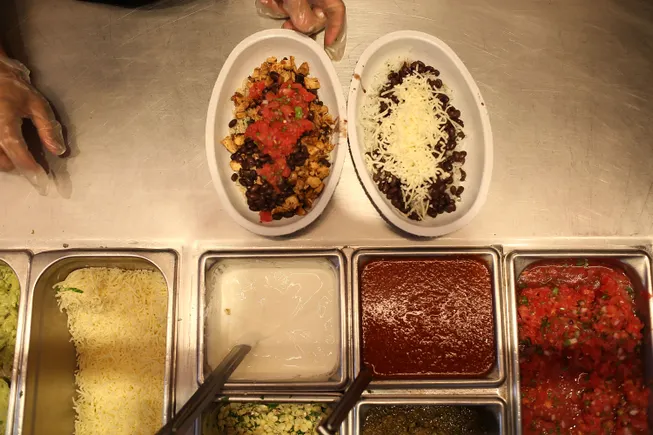
This creates a "seasonal heat map" for restaurant chains. Brad Bergaus, corporate chef and director of menu innovation at Taco John’s, points out that the culinary calendar is dictated by these agricultural cycles. "You’re going to have a hotter sauce come August and September," Bergaus observes. "Come February and March, the sauce isn’t going to be as hot."
This cycle is not limited to peppers. Tomatoes, for instance, fluctuate in sweetness and water content based on regional growing conditions, while lettuce quality is heavily dependent on the "transitions" between major growing regions like the Salinas Valley in California and the desert climates of Yuma, Arizona.
Navigating the Supply Chain: A Chronology of Control
For decades, the restaurant industry has attempted to mitigate these variables through a combination of strict procurement, sophisticated logistics, and rigorous staff training. The process of managing this "natural variance" typically follows a standardized industry workflow:
- Specification Drafting: Brands establish rigid "gold standard" benchmarks for every ingredient. These specifications define everything from the desired Brix level (sugar content) in tomatoes to the specific size and color profile of produce.
- Supplier Accountability: When ingredients arrive "off-spec"—such as wilted lettuce or under-ripe avocados—store-level crews are trained to file quality claims. This data is aggregated to track whether an issue is isolated to a single delivery or a systemic failure from a specific region.
- In-Store Sensory Testing: Before the dining room doors open, staff members are expected to conduct daily taste tests. This human element is the final line of defense against ingredient inconsistency.
- Operational Adjustment: If the ingredients deviate, the preparation must change. For example, if a shipment of tomatoes is particularly watery, a chef might increase the salt ratio to balance the flavor.
This system is not merely about quality; it is a critical cost-control measure. Inconsistent ingredients lead to higher food waste, as staff are forced to discard items that don’t meet standards, and increased labor costs, as cooks spend more time adjusting recipes to achieve the desired output.
The Trust Factor: Implications of Inconsistency
While food waste and labor costs are immediate fiscal concerns, the long-term danger for a brand is the erosion of consumer trust. "The largest cost is losing trust," says Bergaus. When a customer pays a premium for a specific experience, they expect that experience to be reproducible. If the "spicy" salsa is unexpectedly mild or the "fresh" pico de gallo tastes bland, the brand’s promise of quality begins to feel like a marketing veneer.
However, industry leaders argue that consumers must reconcile their desire for "fresh" with the reality of agricultural production. Katy Velazquez, vice president of culinary innovation at Qdoba, believes that transparency is the best path forward. "Those struggles are actually proof of the amount of cooking you’re doing," she says. "When your food is highly processed, you can control a lot more. When you are preparing and serving food made with real ingredients, you’re going to see those differences."
Strategies for Resilience
To survive the tension between consistency and freshness, brands are adopting more agile, data-driven approaches.
The "Nimble" Sourcing Model
When a crop failure occurs, such as the potato shortage that affected many chains several years ago, brands can no longer rely on a single-source mentality. Companies like Taco John’s have had to build a network of "approved" varieties, allowing their culinary teams to switch to a different potato that fits the required specifications without sacrificing the flavor profile the customers expect.
The Power of Training
Perhaps the most effective tool in the kitchen is not a piece of technology, but the empowerment of the cook. Qdoba places a heavy emphasis on providing its staff with tasting notes rather than just rigid instructions. By teaching cooks the why behind a recipe—explaining that a sauce should hit a specific note in the back of the throat—they are better equipped to make real-time adjustments. If the tomatoes are too watery, the cook learns to adjust the salt; if the peppers are too mild, they might adjust the portioning.
Seasonal Planning
Rather than fighting the seasons, some brands are choosing to work with them. By coordinating production schedules with suppliers, some restaurants can avoid manufacturing large batches of house-blended sauces during peak-heat months, opting instead to shift production to windows where the ingredients are more stable.
Conclusion: The Future of the "Fresh" Promise
As the restaurant industry continues to lean into "fresh" and "real" as primary marketing pillars, the challenge of consistency will only intensify. Climate change, which creates more extreme weather patterns, threatens to make the traditional agricultural cycles even more unpredictable.
Yet, the consensus among culinary leaders is clear: the solution is not to move back toward highly processed, lab-controlled food. Instead, the future lies in educating the consumer and empowering the workforce. When restaurants view their ingredients not as static commodities, but as dynamic products of the earth, they transform the act of cooking into a craft.
For the diner, this means accepting that the next bowl of salsa may be slightly different from the last—a small price to pay for a meal that, despite its quirks, is rooted in the reality of the season. The "perfect" meal may be an impossible goal in a fresh-food kitchen, but in the eyes of many, the authenticity of the ingredients is a fair trade for the occasional inconsistency.