 Dwi Wanna
 Nana Wu
 Muslim
 Reynand Wu
 Ammar Sabilarrohman
 Lina Irawan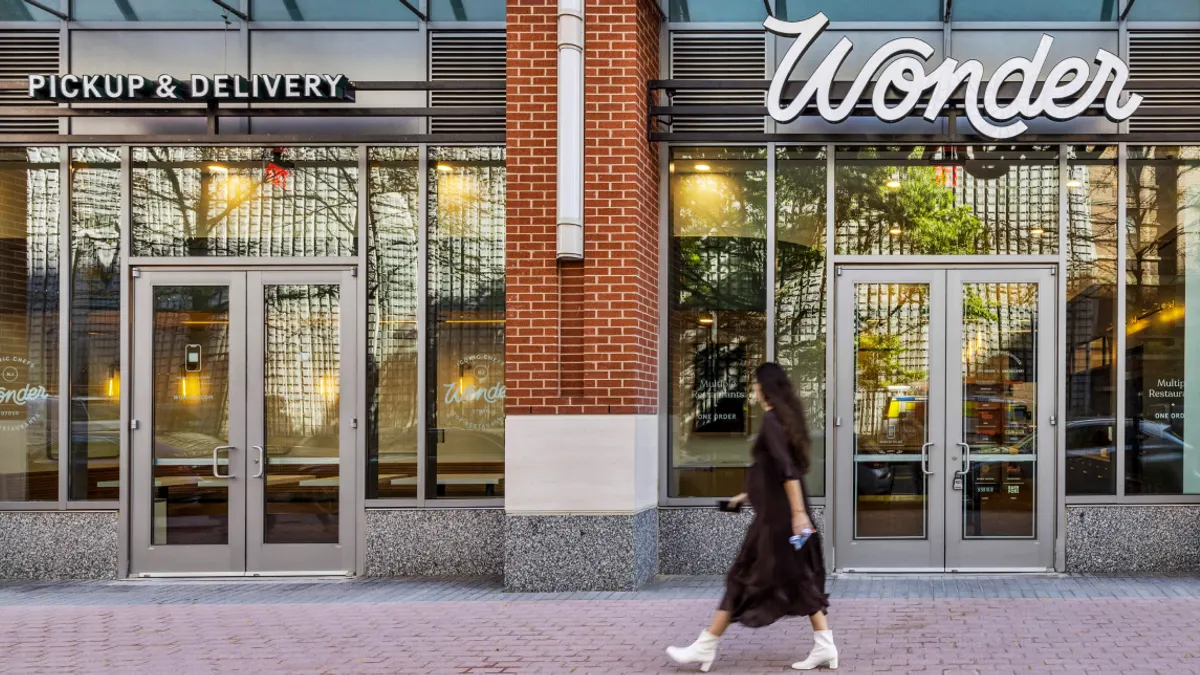
By Industry Desk
July 10, 2026
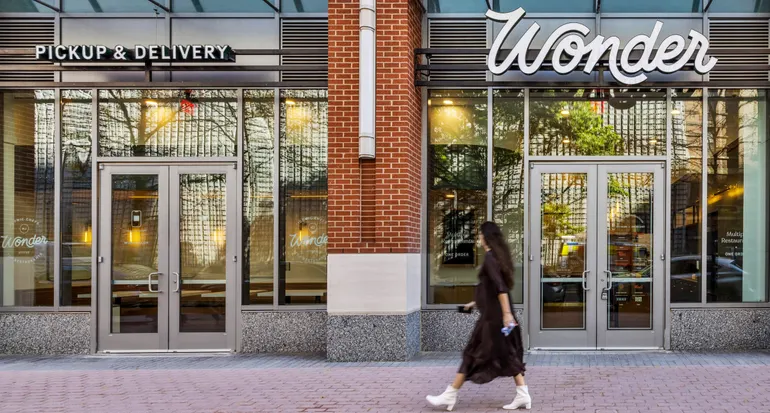
Wonder, the ambitious food hall and delivery disruptor, has once again signaled its intent to dominate the future of the restaurant industry. According to a regulatory filing submitted to the Securities and Exchange Commission (SEC) this Wednesday, the company is in the midst of a significant $600 million equity raise. This latest financial move underscores the company’s aggressive growth trajectory as it transitions from a high-growth startup into a publicly traded powerhouse, with market watchers predicting an initial public offering (IPO) as early as 2027.
The Financial Landscape: A Multi-Billion Dollar Engine
The scale of Wonder’s capital acquisition is staggering. Since 2021, the company has secured over $2.8 billion in funding. The current $600 million round, of which $345 million has already been closed, brings the firm’s total capital influx to a level that rivals some of the most established legacy restaurant conglomerates. Should the company successfully sell the remaining $245 million in equity, its total funding will eclipse the $3 billion threshold.
This funding cycle follows a massive $600 million round last year that cemented the company’s valuation at a cool $7 billion. These figures are not merely vanity metrics; they represent the fuel for Wonder’s "hub-and-spoke" model, which combines physical food halls with high-tech delivery infrastructure. By consistently attracting institutional capital, Wonder has demonstrated that its investors believe in the viability of a "next-generation" dining experience that bridges the gap between high-end culinary quality and the speed of modern logistics.
Chronology: From Concept to National Player
The rapid rise of Wonder has been nothing short of a blitzkrieg. Since its inception, the company has operated with a sense of urgency that has unsettled traditional restaurant chains.
- 2021-2022: The foundation phase. Wonder begins piloting its "restaurant-in-a-box" concept, focusing on high-quality delivery.
- 2023: A pivot to scale. The company begins aggressive expansion, moving from a delivery-only model to brick-and-mortar food halls.
- 2024: Technological integration. The acquisition of Spyce, the automated makeline technology, for $186 million, signals that Wonder is as much a software company as it is a culinary one.
- 2025: The year of the valuation. A $7 billion valuation allows for broader acquisitions, including the purchase of Blue Ribbon Fried Chicken.
- March 2026: Preparing for the public markets. The hiring of Gabrielle Rabinovitch as CFO is a clear indicator that the company is cleaning up its balance sheet and operational structure for an IPO.
- July 2026: The current $600 million raise, setting the stage for national dominance.
Technological Infrastructure: Building the "Restaurant of the Future"
Wonder’s differentiation in a crowded marketplace lies in its obsession with the intersection of food and technology. The company has moved beyond basic kitchen operations to integrate robotics and advanced logistics into its workflow.
The acquisition of Spyce—the automated kitchen technology once owned by Sweetgreen—has been a cornerstone of this strategy. By automating the repetitive tasks of food preparation, Wonder can maintain consistency across its 130-plus locations while minimizing labor overhead.
Furthermore, the company is pushing the boundaries of the "last mile." In June 2026, Wonder announced a partnership with Zipline to bring drone-delivered meals to customers in Texas, with full deployment slated for January 2027. This isn’t just a marketing stunt; the company is leveraging its ownership of Grubhub to integrate drone delivery into a broader, automated network. The successful testing of drone programs in New Jersey serves as the blueprint for what the company hopes will be a nationwide standard.
Expansion Strategy: The Geographic Footprint
Wonder’s growth is no longer confined to the coasts. While it maintains a strong presence in New York, New Jersey, and Pennsylvania, the company is actively executing a "hub" strategy in the Mid-Atlantic and New England.
In June 2026, the company announced a major nine-store expansion in Massachusetts and New Hampshire. These are not isolated openings; they are part of a calculated effort to saturate regions where consumer demand for convenient, high-quality food is highest. Similar activity is being observed in the D.C.-Maryland-Virginia (DMV) corridor, where the company is rapidly adding locations in Alexandria and Chantilly, Virginia.

With 130 locations currently active and another 24 on the immediate horizon, Wonder is successfully navigating the complexities of real estate acquisition, permitting, and localized supply chain management—hurdles that have caused many other fast-casual chains to stumble.
Strategic Acquisitions and Brand Development
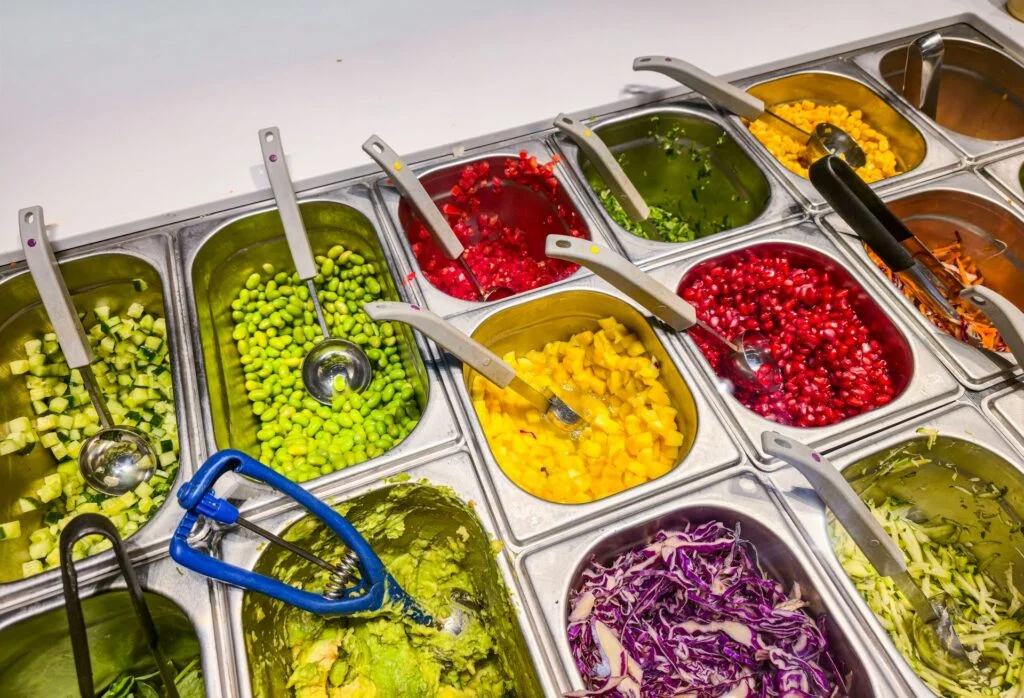
Wonder is not just building locations; it is building a portfolio. The acquisition of Blue Ribbon Fried Chicken earlier this year was a strategic play to add a recognizable, high-affinity brand to its ecosystem. By layering popular external brands alongside its own proprietary concepts—such as Pop Salad and El Diez Mexican Bowls—Wonder is creating a "food hall in an app" experience.
This multi-brand approach allows Wonder to mitigate the risks associated with consumer trends. If one culinary category experiences a dip in demand, the diversity of the menu available at a Wonder food hall ensures that the customer still finds value. This diversification is a key pillar of the company’s pitch to potential public market investors: it is a platform, not just a restaurant.
Implications for the Restaurant Industry
The implications of Wonder’s rise are profound. For traditional restaurant operators, Wonder represents a shift in the definition of "competitive landscape." Traditional chains are competing against a company that operates with the venture capital backing of a tech firm and the logistics efficiency of a courier service.
- Labor Efficiency: By utilizing automation, Wonder is addressing the industry-wide labor shortage that has plagued the hospitality sector for years.
- Market Saturation: By utilizing both physical halls and delivery-only kitchens, Wonder can achieve a density that traditional brick-and-mortar stores cannot, effectively lowering the cost of delivery for the end consumer.
- IPO Pressure: As Wonder moves closer to an IPO, the pressure on other mid-market restaurant chains to innovate—or be acquired—will increase. We are likely to see a wave of consolidation in the industry as legacy brands try to match the tech-stack capabilities of players like Wonder.
Official Stance and Outlook
While the company has remained tight-lipped regarding the specific identities of the investors in its latest $600 million round, the scale of the raise confirms that institutional confidence remains unshaken. By bringing on Gabrielle Rabinovitch, a seasoned finance executive, Wonder has signaled that it is no longer in "discovery mode." It is in "execution mode."

The path to 2027 is clear: continue to scale the physical footprint, refine the drone and automated delivery channels, and prove that the unit economics of a Wonder food hall are superior to those of a traditional restaurant. If the company succeeds, it will likely be the most significant retail IPO since the pandemic.
As the industry watches, the question is no longer whether Wonder can grow, but whether it can sustain its rapid expansion while maintaining the quality that initially set it apart. For now, the market’s answer is a resounding "yes," evidenced by the billions of dollars currently flowing into its coffers. The stage is set for a transformation of the American dining landscape, and Wonder is firmly in the driver’s seat.

 Jia Lissa
 Iffa Jayyana