

 Dwi Wanna
 Nana Wu
 Muslim
 Reynand Wu
 Ammar Sabilarrohman
 Azzam Bilal Chamdy
The modern consumer packaged goods (CPG) landscape is currently defined by a high-stakes balancing act. Manufacturers are under immense pressure to accelerate their sustainability initiatives, yet they must do so without compromising the foundational pillars of the industry: product protection, consumer safety, and effective marketing. According to the latest research from PMMI, The Association for Packaging and Processing Technologies, these core objectives cannot be sacrificed at the altar of green mandates. As companies strive to navigate this complex environment, the industry is increasingly realizing that the path to sustainability is not a straight line, but a series of calculated trade-offs.
The Triple Threat: Complexity, Uncertainty, and Sustainability
The current manufacturing environment is characterized by what PMMI describes as "persistent uncertainty." In their report, From Complexity to Capability 2026, researchers found that CPG executives are grappling with a volatile confluence of factors: high workforce turnover, increasingly complex automated systems, and demand patterns that defy traditional forecasting models.
This environment demands a new level of "operational readiness." To remain competitive, CPG firms must possess the agility to pivot instantly when regulatory frameworks shift or consumer preferences change. The pressure is twofold: manufacturers must commercialize new products faster than ever while simultaneously recovering from supply chain disruptions and protecting profit margins—all while hitting aggressive sustainability targets.
Chronology of the Sustainability Mandate
The evolution toward sustainable packaging has moved from a "nice-to-have" marketing feature to a core operational necessity, driven by three distinct phases of development:
- The Awareness Phase (Pre-2020): Sustainability was largely driven by voluntary corporate social responsibility (CSR) goals. Packaging changes were often superficial, focusing on branding rather than material science.
- The Regulatory & Retailer Push (2020–2024): Large retailers began mandating specific sustainability criteria, while state-level governments initiated legislative action. The focus shifted toward recyclability and the elimination of single-use plastics.
- The Era of Complexity (2025–Present): Companies are now dealing with the "Sustainable Packaging Paradox." They are moving beyond simple material swaps toward systemic overhauls, facing the harsh reality of cost-performance trade-offs, Extended Producer Responsibility (EPR) laws, and the limitations of legacy production equipment.
Supporting Data: The Reality of Trade-offs
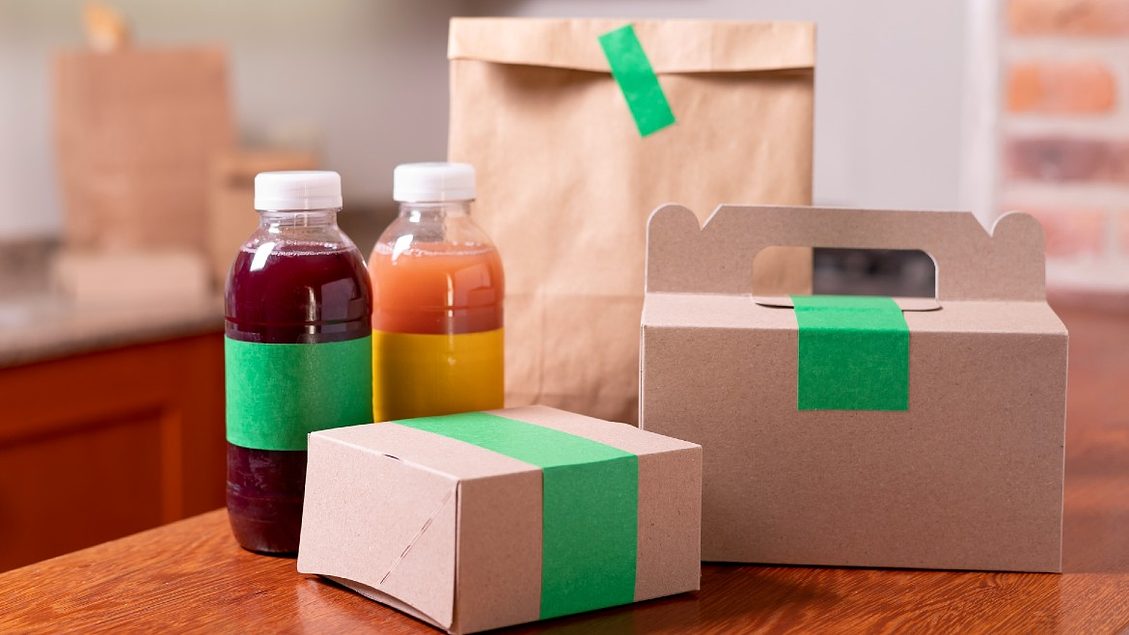
PMMI’s State of the Industry 2025 (SOTI) report paints a candid picture of the difficulties inherent in this transition. Perhaps most telling is the statistic that only 7% of surveyed CPG companies reported that their transition to sustainable materials involved "no trade-offs." For the remaining 93%, the journey involves significant friction.
The Cost of Compliance
For high-volume goods—such as breakfast cereals or snacks—even fractional increases in per-unit packaging costs can be devastating to margins. As EPR laws introduce new fee structures and reporting requirements, the economic burden of sustainability is becoming a boardroom priority. Manufacturers are finding that lightweighting initiatives, while beneficial for waste reduction, often require intensive R&D to ensure the product remains protected during transit.
The Performance Gap
The most common challenges cited by CPG firms involve:
- Production Costs: Sustainable materials often carry a price premium due to lower economies of scale.
- Diminished Protection: Some bio-based or recycled materials lack the moisture or oxygen barrier properties of virgin plastics, leading to shorter shelf life or increased spoilage rates.
- Operational Downtime: Many sustainable materials have different heat-seal windows or mechanical properties, which can cause jams or inefficiencies on legacy packaging lines designed for traditional materials.
The Hierarchy of Sustainable Initiatives
Despite these hurdles, the industry is moving forward with a clear hierarchy of priorities. PMMI’s business intelligence confirms that recyclability remains the top priority, largely because it aligns with both consumer expectations and retailer requirements.
To achieve these goals, companies are adopting a multi-pronged strategy:
- Reduction at the Source: Redesigning packaging to minimize the footprint and material volume used per unit.
- Material Substitution: Moving toward biodegradable options, such as biofilms, and increasing the inclusion of Post-Consumer Recycled (PCR) content.
- Design for Circularity: Monitoring the packaging lifecycle to ensure that the materials chosen can actually be processed by existing municipal recycling streams.
Implications for the Future: The Need for Collaboration
The most critical insight from the PMMI research is that the industry has reached a bottleneck that cannot be solved by CPG firms acting in isolation. A truly sustainable future requires a deep, symbiotic collaboration between CPG brands, original equipment manufacturers (OEMs), and material suppliers.

The Legacy Line Dilemma
Many manufacturers are stuck in a cycle of "incremental changes" because their existing machinery—often representing millions of dollars in capital investment—is not optimized for the newer, sustainable materials entering the market. For a transformative shift to occur, one of two things must happen:
- Material Evolution: Suppliers must develop sustainable materials that mimic the mechanical behavior of traditional plastics so they can run seamlessly on legacy equipment.
- Infrastructure Upgrades: OEMs must prioritize the development of flexible machinery that can handle a wider range of materials without requiring constant re-tooling or causing production bottlenecks.
Without this alignment, many firms will remain unable to move beyond the low-hanging fruit of minor material adjustments.
Industry Outlook: A Path Forward at PACK EXPO
As the industry looks toward the future, events like PACK EXPO International 2026 serve as vital forums for bridging these gaps. With over 2,600 exhibitors, the show acts as a laboratory where material science meets machine capability.
For the CPG executive, the goal at such events is clear: to find containers and materials that not only refresh the brand or create shelf impact but also demonstrate the technical reliability required for high-speed, high-volume production. Whether it is discovering new barrier films that run on existing form-fill-seal machines or exploring new circular economy technologies, the focus is on "capability-driven sustainability."
Conclusion: The Professional Imperative
The journey toward sustainable packaging is arguably the most significant operational challenge facing the food and beverage industry this decade. As Rebecca Marquez, Director of Custom Research for PMMI, notes, the research consistently points toward a reality where corporate mandates must be tempered by engineering realities.

The "Sustainable Packaging Paradox" is not an insurmountable wall, but a challenge of integration. By moving away from siloed decision-making and toward a collaborative model where packaging design is intrinsically linked to machine performance and supply chain economics, the industry can meet its sustainability goals. However, the firms that will succeed in this endeavor are those that recognize that sustainability is not merely a marketing label—it is a sophisticated engineering and economic project that demands a long-term, systemic vision.
As we move toward 2026 and beyond, the winners will be those who can successfully navigate the tension between the green mandate and the fundamental requirement to deliver a safe, protected, and affordable product to the consumer. The transition will be difficult, but through technical innovation and industry-wide collaboration, a sustainable future remains well within reach.

 Laily UPN
 Pevita Pearce