
 Dwi Wanna
 Nana Wu
 Muslim
 Reynand Wu
 Ammar Sabilarrohman
 Ali Ikhwan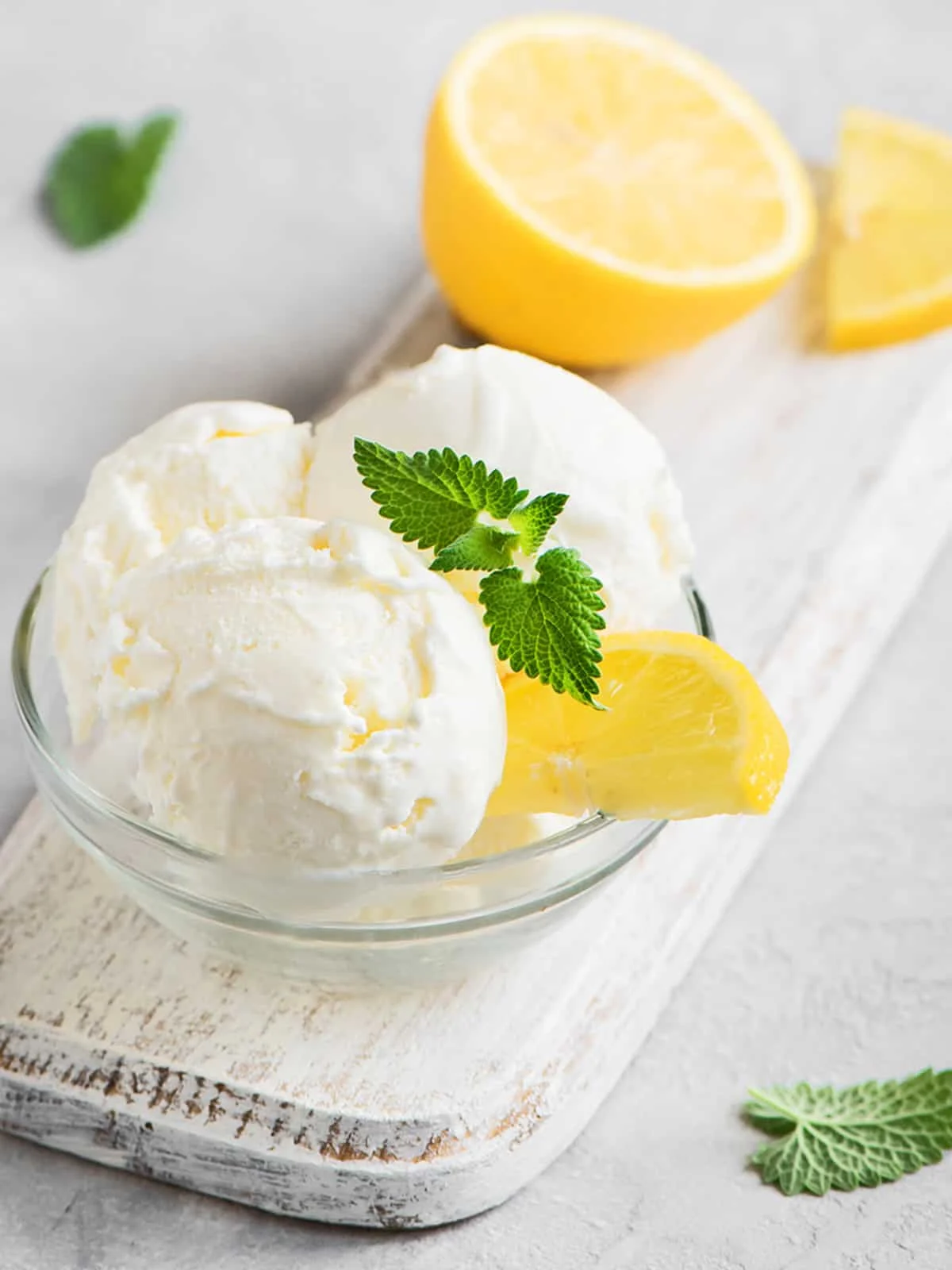
In the world of frozen confections, few flavors command the universal appeal of lemon. It is a flavor profile defined by its duality—simultaneously sharp and mellow, aggressive and soothing. While many commercial ice creams rely on synthetic extracts or heavy artificial stabilizers, a new approach to homemade lemon ice cream is proving that the secret to the perfect pint lies not in complex culinary techniques, but in the intelligent manipulation of raw, high-quality ingredients.
For home cooks and culinary enthusiasts alike, the barrier to entry for artisanal ice cream has traditionally been the "egg hurdle"—the tedious process of tempering eggs to create a custard base. However, a simplified, eggless method has emerged, prioritizing texture and flavor intensity without the need for a stove. By leveraging a high-speed blender to emulsify citrus oils into dairy, creators are achieving a professional-grade mouthfeel that challenges high-end gelaterias.
The Science of Flavor: Beyond the Juice
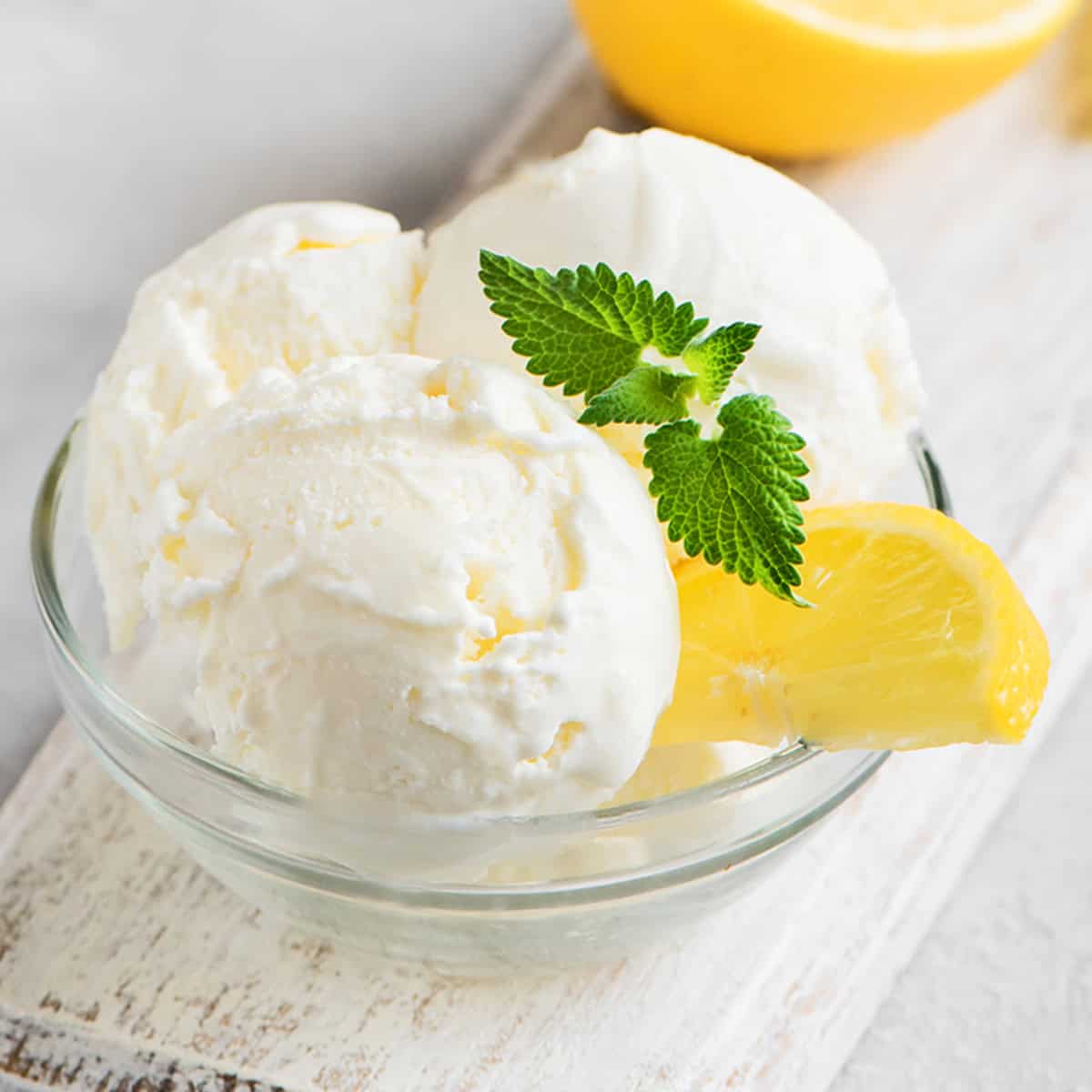
The most common mistake in citrus-based desserts is an over-reliance on lemon juice. While juice provides the necessary acidity, it lacks the aromatic complexity found in the fruit’s skin. The yellow outer layer, or zest, contains essential oils that carry the "soul" of the lemon.
Culinary experts note that these volatile oils are often lost in the churning process if not properly integrated. The innovative technique of blending milk with lemon zest serves two purposes: it releases these potent oils into the fat-rich environment of the milk, and it pulverizes the zest into microscopic particles. This eliminates the "peel-in-the-teeth" sensation, resulting in a velvety, uniform texture that allows the bright, floral notes of the lemon to permeate every spoonful.
Chronology: A Step-by-Step Approach to the Perfect Base
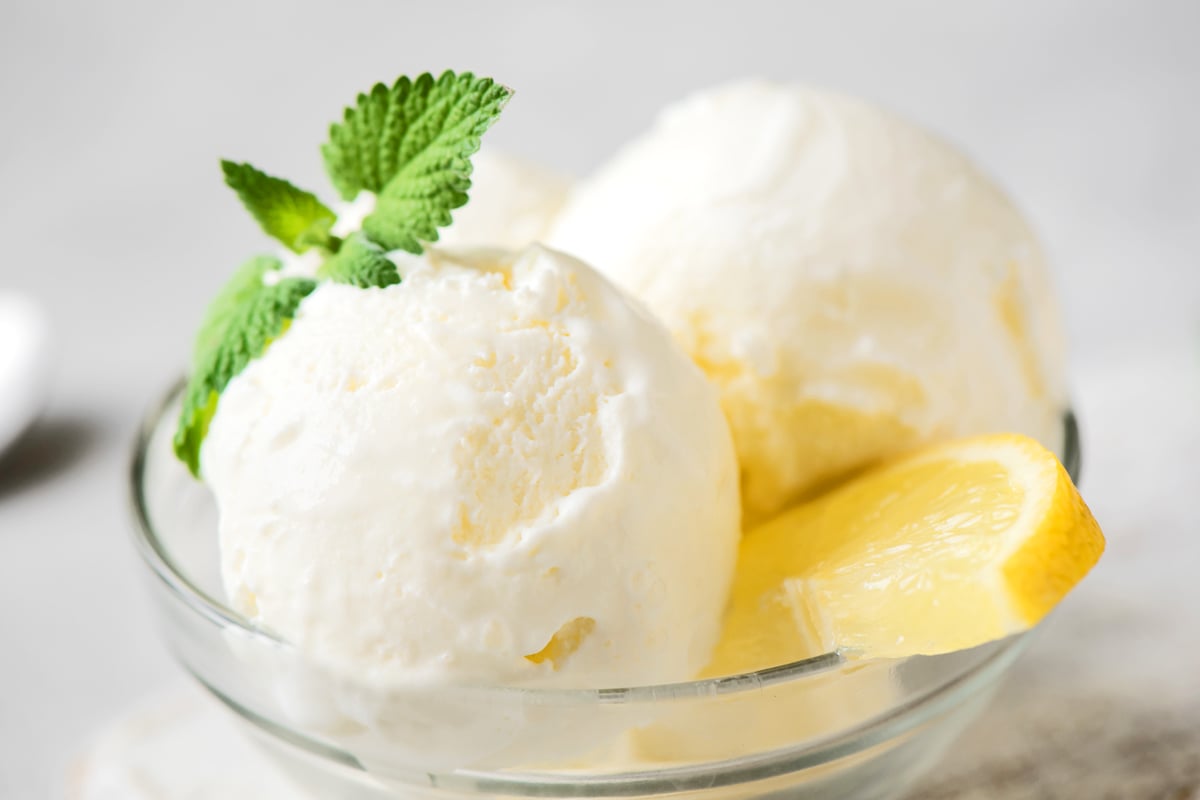
Achieving a balanced ice cream requires a methodical approach to chemistry. The following sequence is recommended for optimal results:
- The Extraction Phase: Begin by combining whole milk, sugar, and finely grated lemon zest in a blender. This stage is critical; the mechanical action of the blades breaks down the zest, ensuring that the citrus oils are evenly dispersed throughout the milk.
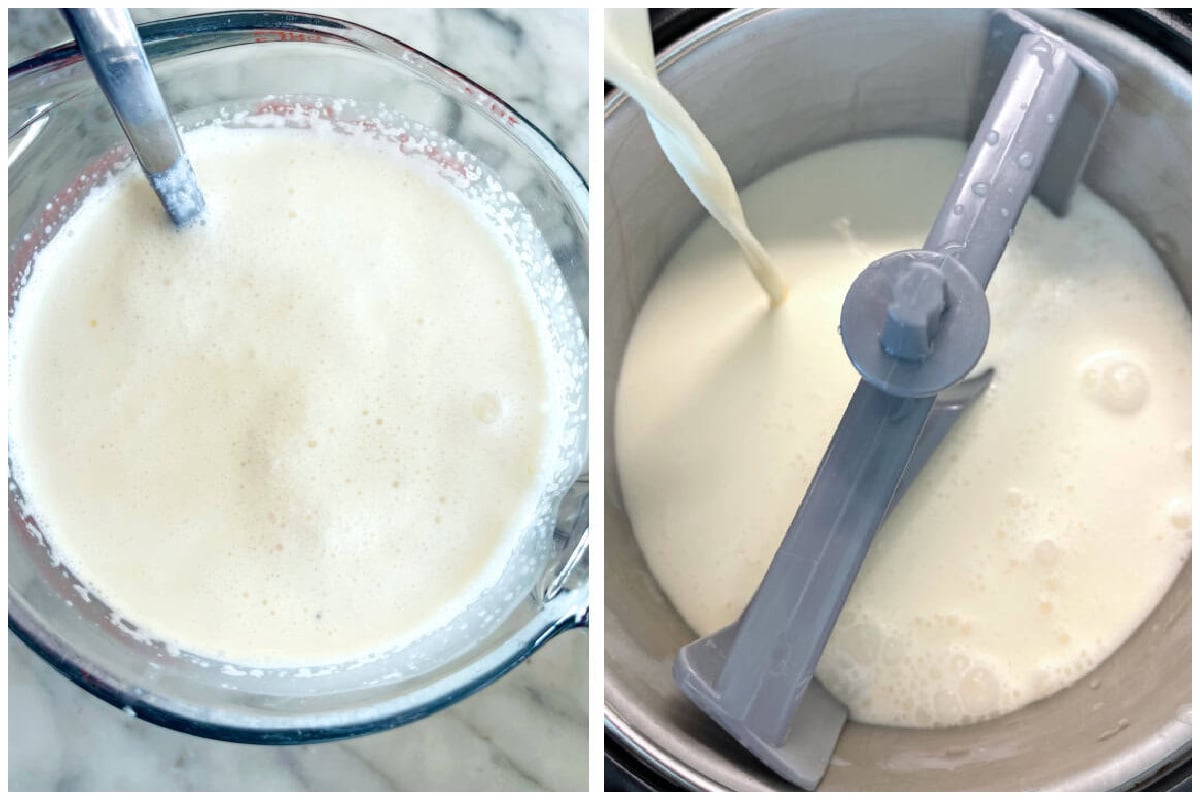
- The Emulsification Phase: Once the zest is pulverized and the sugar is fully dissolved, the mixture should be transferred to a chilled bowl. At this point, heavy cream, a touch of vanilla extract, and a pinch of salt are incorporated.
- The Maturation Period: This is the most overlooked step in home ice cream making. The base should be covered and chilled for a minimum of four hours—ideally overnight. This rest period allows the fats to solidify and the flavors to meld, creating a more stable structure for churning.
- The Acidification Pivot: Perhaps the most important technical rule is to withhold the lemon juice until the final moment before churning. Because lemon juice is highly acidic, it acts as a curdling agent when introduced to dairy. By adding the juice immediately before starting the machine, the cook preserves the integrity of the cream, preventing unwanted separation.
Supporting Data: The Anatomy of a Perfect Scoop
A successful lemon ice cream relies on a delicate balance of fat, sugar, and acid. The typical nutritional profile for a high-quality, eggless lemon ice cream—based on a standard serving size—highlights the importance of these ratios.
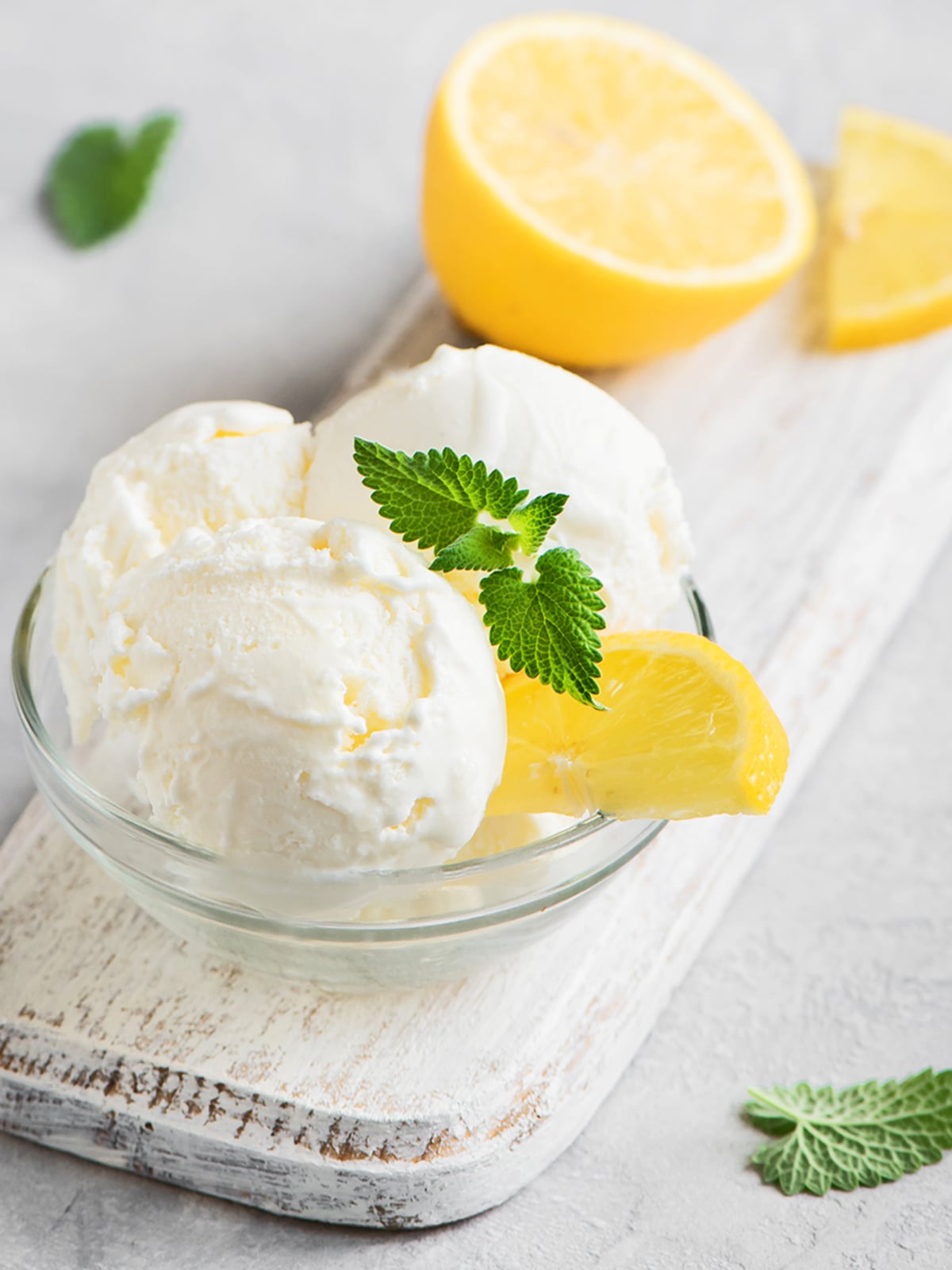
- Fat Content: Approximately 28g of fat per serving, primarily derived from heavy cream, is essential for a smooth, scoopable texture.
- Acidity Management: The use of roughly 1/2 cup of freshly squeezed lemon juice is considered the "gold standard" for a 2-quart batch. Exceeding this amount introduces too much water, which promotes the growth of large, unpleasant ice crystals during the freezing process.
- Thermal Stability: The inclusion of sugar (roughly 29g per serving) is not merely for sweetness; it acts as an antifreeze, lowering the freezing point of the mixture so the ice cream remains scoopable rather than freezing into a solid block of ice.
Expert Perspectives on Equipment
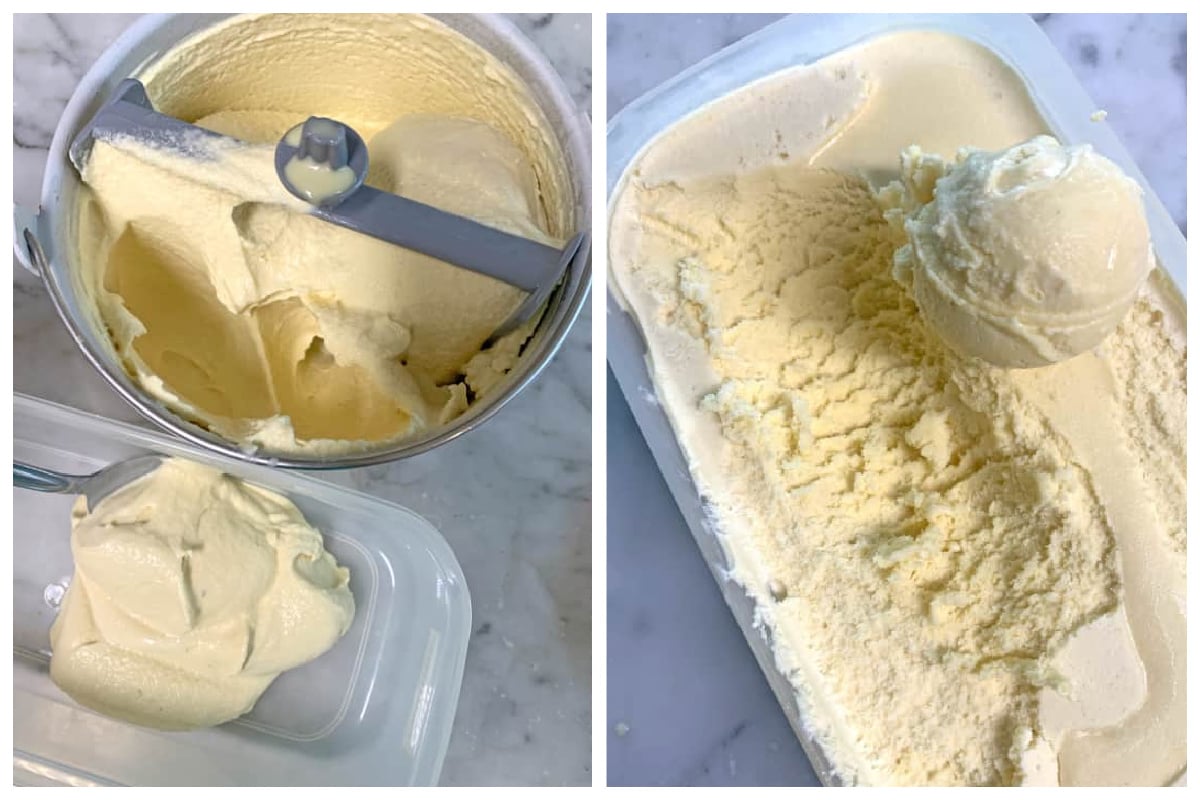
While manual churning methods exist, the consensus among culinary professionals is that the ice cream maker remains an essential tool for achieving the proper overrun—the amount of air incorporated into the base during churning.
"Whether you opt for a traditional canister that requires pre-freezing or a high-end model with a built-in compressor, the goal remains the same: rapid freezing," explains one industry expert. "The faster the mixture freezes, the smaller the ice crystals, and the smoother the final product." For those who do not wish to plan 24 hours in advance, compressors have revolutionized the home kitchen, allowing for on-demand ice cream production.
Implications for Future Culinary Trends
The rise of the "no-cook" ice cream movement signals a broader shift in home cooking. As consumers become more ingredient-conscious, the demand for simplified, high-quality recipes has grown. This trend suggests that the future of dessert lies in minimalism—using fewer ingredients but applying them with greater precision.
The versatility of this lemon base also opens the door for endless experimentation. By treating the base as a "blank canvas," home cooks are beginning to integrate secondary ingredients, such as crushed shortbread cookies for a "Lemon Pie" variation, or swirls of concentrated blueberry jam. However, as noted by researchers, one must be cautious: adding too much water-heavy fruit can ruin the delicate balance of the base.
Storage and Longevity: Keeping the Quality
The battle against ice crystals continues even after the ice cream has been churned. The "freezer burn" effect—caused by the sublimation of water—is the primary enemy of quality. To combat this, experts suggest:
- The Plastic Wrap Barrier: Placing a sheet of plastic wrap directly onto the surface of the ice cream before securing the lid prevents air contact, effectively stalling oxidation and crystallization.
- The Deep-Freeze Strategy: Storing the container at the back of the freezer, where temperature fluctuations are minimal, is vital. Every time a freezer door is opened, the fluctuating temperature causes the ice cream to soften and refreeze, which leads to the formation of icy textures.
- The Two-Week Rule: Even with proper storage, the texture of homemade ice cream will begin to degrade after 14 days. It is recommended to consume the batch within this window to ensure the peak of freshness.
Conclusion: A Refreshing Standard
In an age of ultra-processed, long-shelf-life desserts, the return to simple, fresh, and hand-crafted ice cream is more than just a culinary fad; it is an appreciation for the ingredients themselves. By mastering the synergy between the aromatic zest and the tart juice, and by respecting the chemistry of dairy and acid, the home cook can produce a result that stands toe-to-toe with the finest artisanal shops. This Lemon Ice Cream recipe serves as a template for that excellence: uncomplicated, bold, and undeniably refreshing.


 Azzam Bilal Chamdy
 Sagoh
Sagoh