

 Ammar Sabilarrohman
 Ali Ikhwan
 Dwi Wanna
 Neng Nana
 Siti Muinah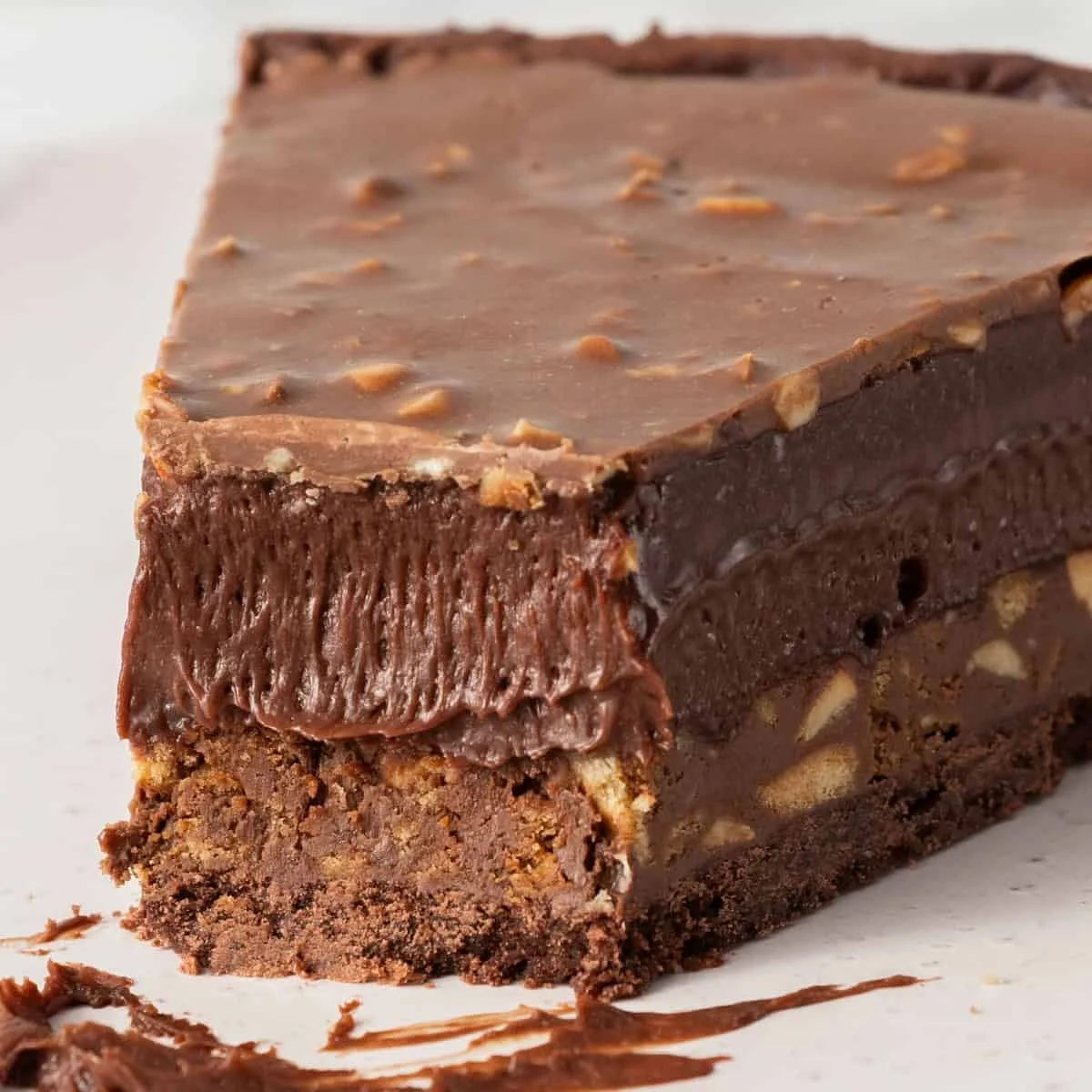
In the world of high-end patisserie, few flavor profiles command as much reverence as the marriage of roasted hazelnuts and premium milk chocolate. While the iconic Ferrero Rocher confection has long been a staple of celebratory gifting, pastry chef and culinary content creator Nick, the mastermind behind The Scranline, has elevated this flavor profile into a sophisticated, multi-layered dessert: the Ferrero Rocher Tart. This article explores the anatomy of this decadent creation, the technical precision required for its assembly, and why it stands as a masterclass in texture and balance.
The Anatomy of a Masterpiece: Main Facts
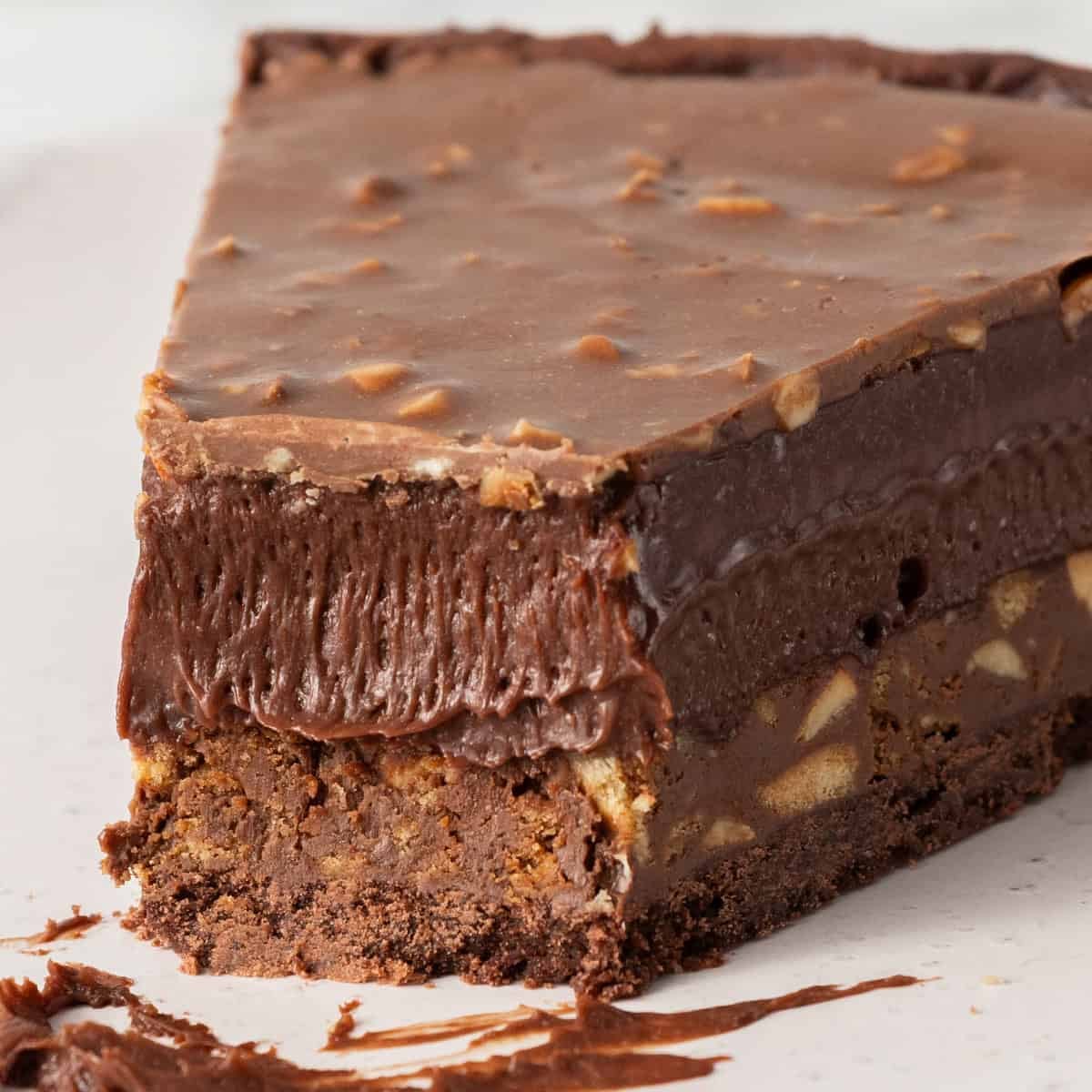
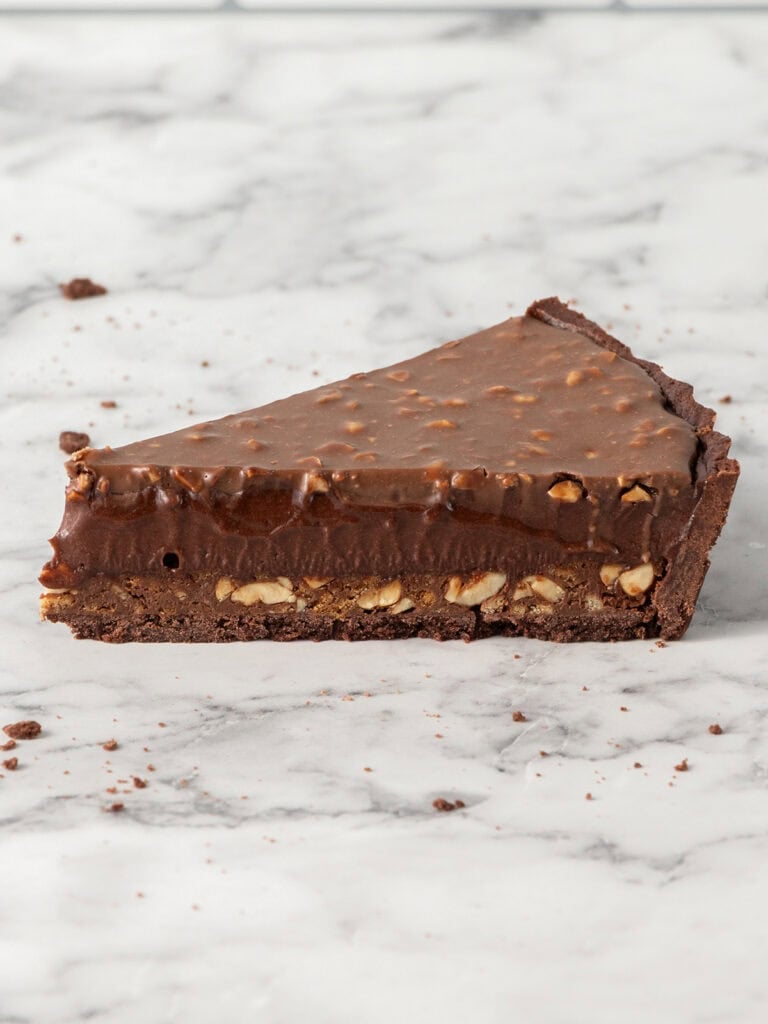
The Ferrero Rocher Tart is not merely a chocolate dessert; it is a structural exercise in contrast. At its core, the recipe seeks to replicate the sensory experience of a Ferrero Rocher—the snap of a thin chocolate shell, the crunch of toasted nuts, and the velvet-smooth hazelnut-infused filling—but on a scale that demands patience and technical rigor.
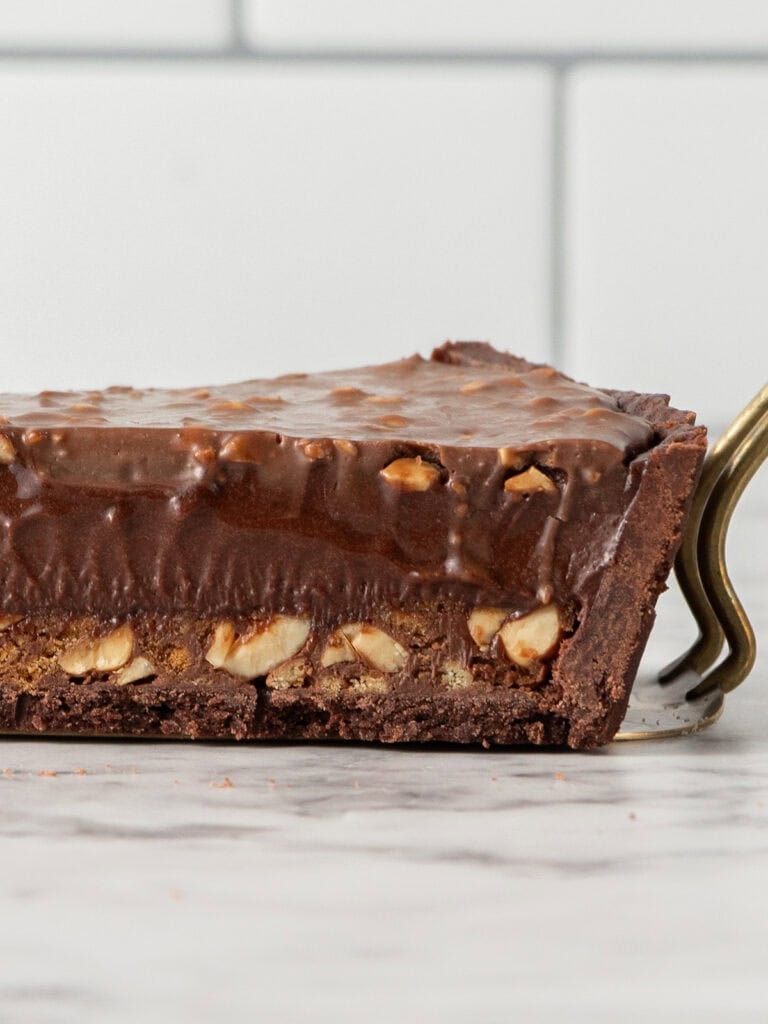
The tart is defined by four distinct layers:
- The Chocolate Pâte Sucrée: A crisp, structurally sound cocoa-infused shortcrust pastry.
- The Nutella-Feuilletine Crunch: A dense, textural base layer that mimics the inner wafer of the original candy.
- The Chocolate Crémeux: A silky, rich, and stable custard-based chocolate filling that replaces the standard ganache for a superior mouthfeel.
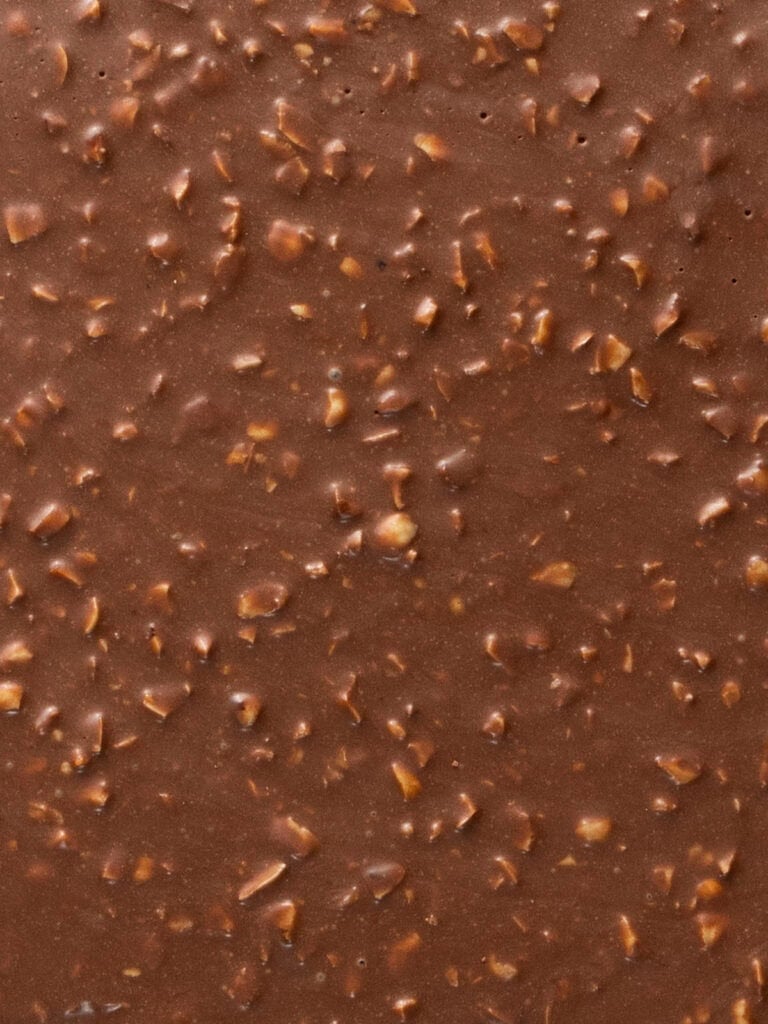
- The Crackly Chocolate-Hazelnut Topping: A tempered-style finish that provides the final, iconic "snap" upon the first bite.
A Culinary Chronology: From Concept to Slice
The development of this tart was not an overnight success. According to Nick, the project was born out of a desire to break down the complexities of a small confection into a centerpiece-worthy dessert.
Phase 1: The Foundation
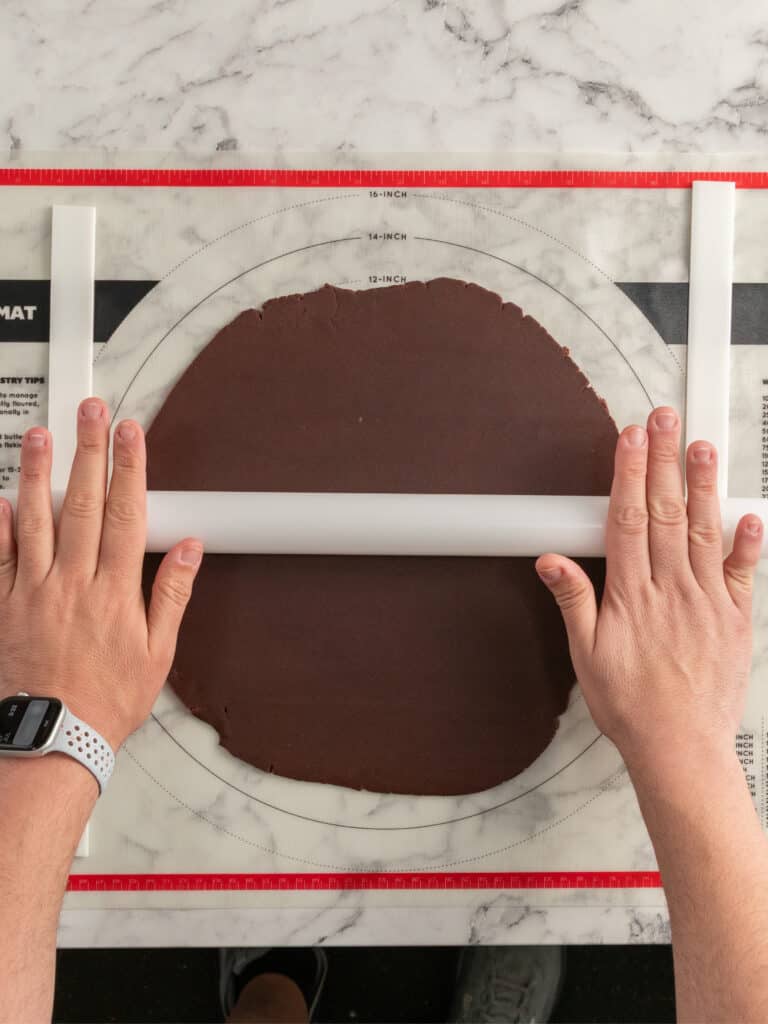
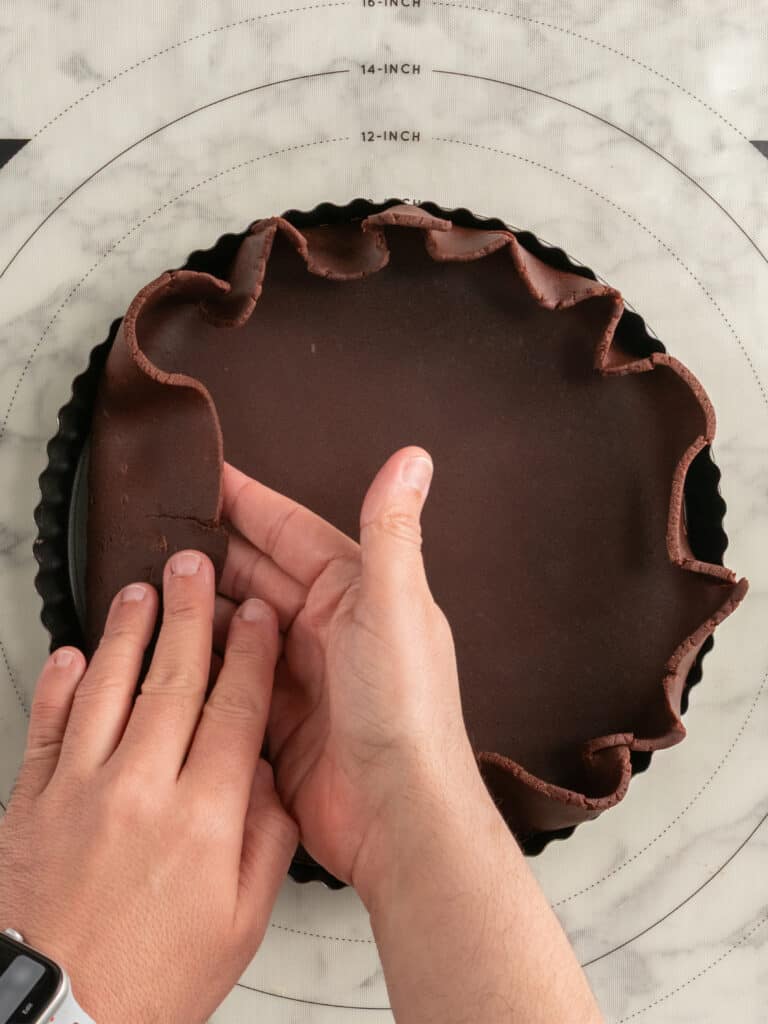
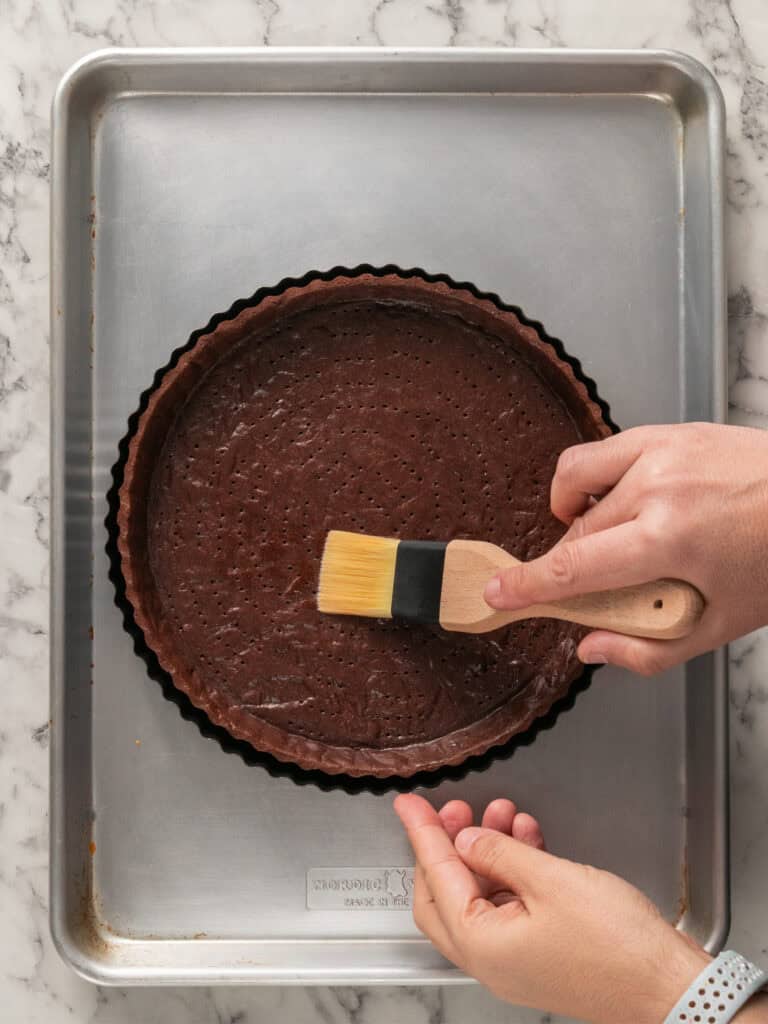
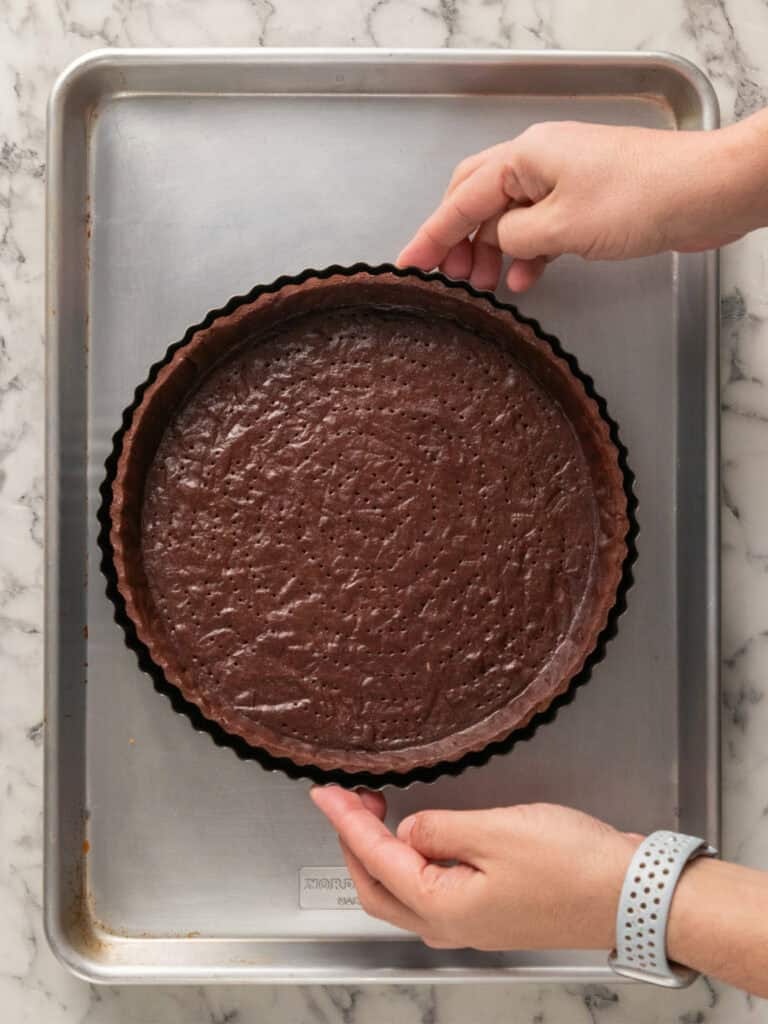
The process begins with the pâte sucrée. Unlike standard pie dough, this chocolate shortcrust requires careful temperature management. The objective is to prevent the butter from melting too quickly, which ensures a crisp finish rather than a greasy one. Bakers are advised to let the dough "fall" into the tart tin rather than stretching it, as stretching leads to unsightly shrinkage during the baking process.
Phase 2: The Crunch
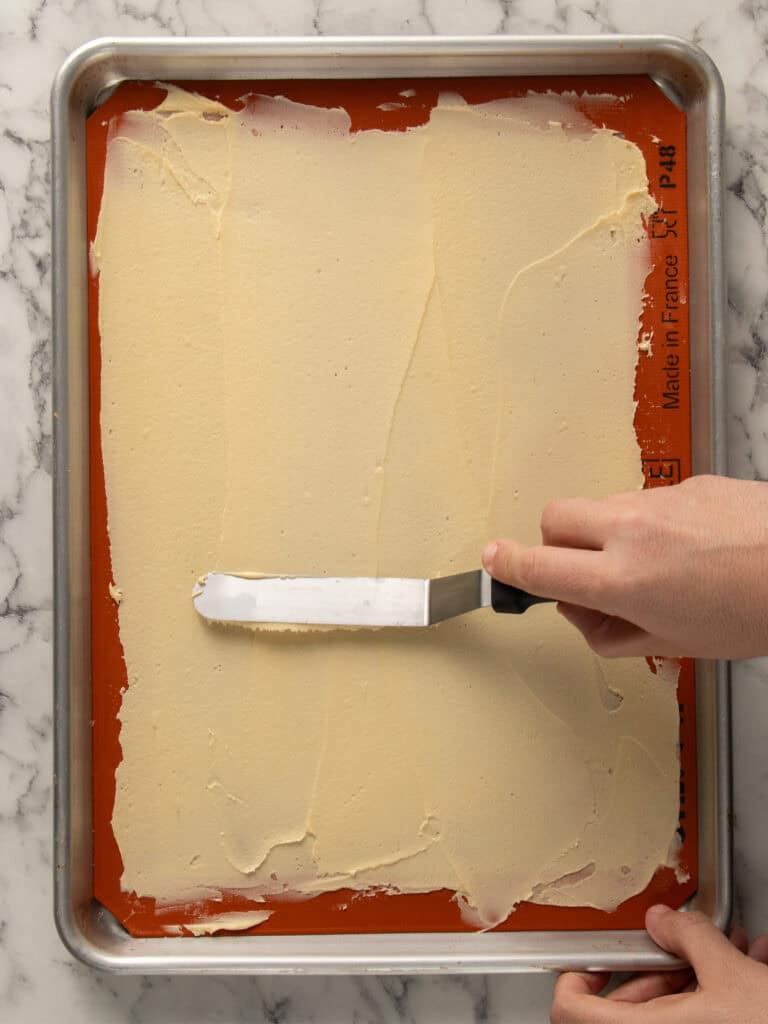
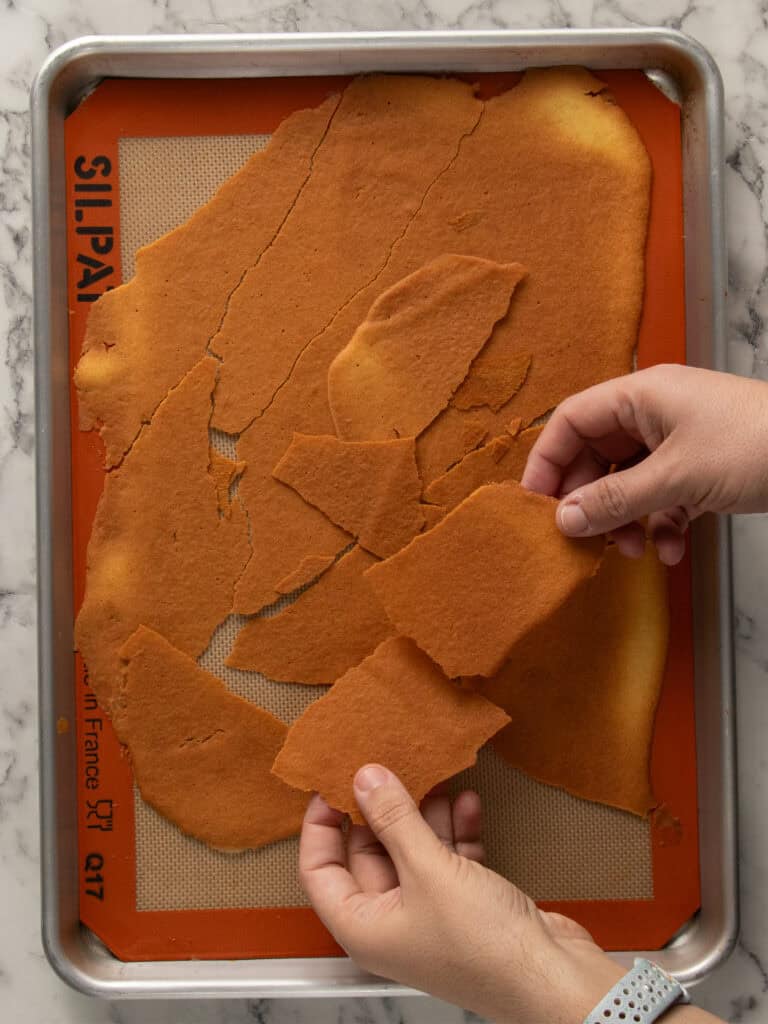
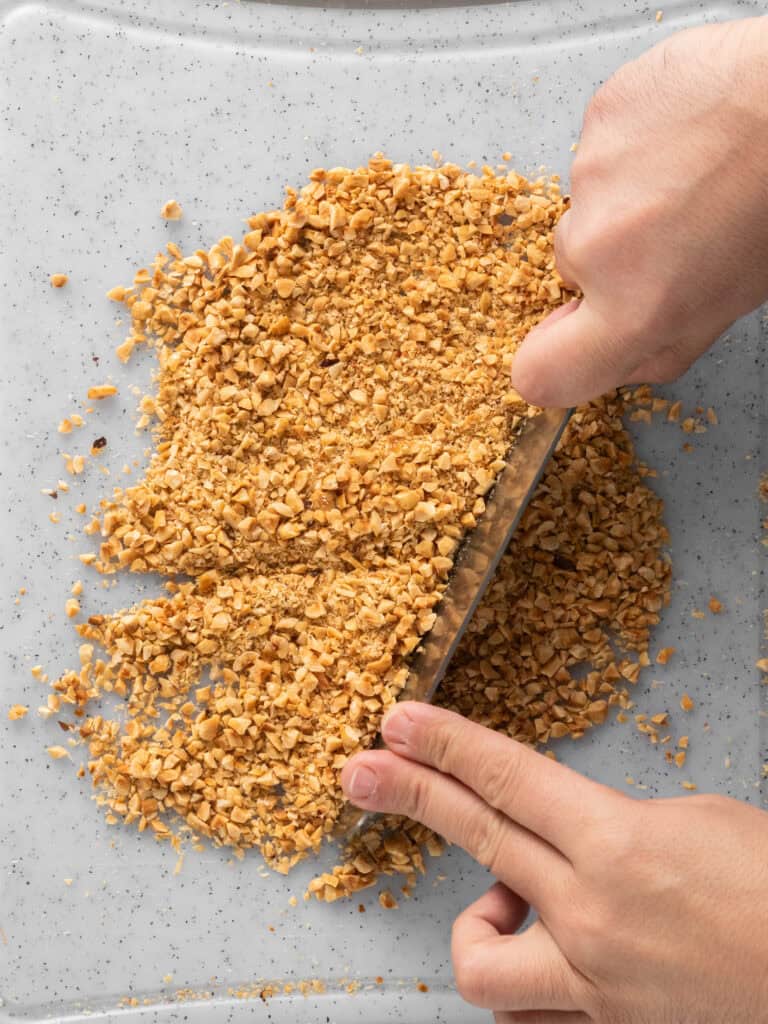
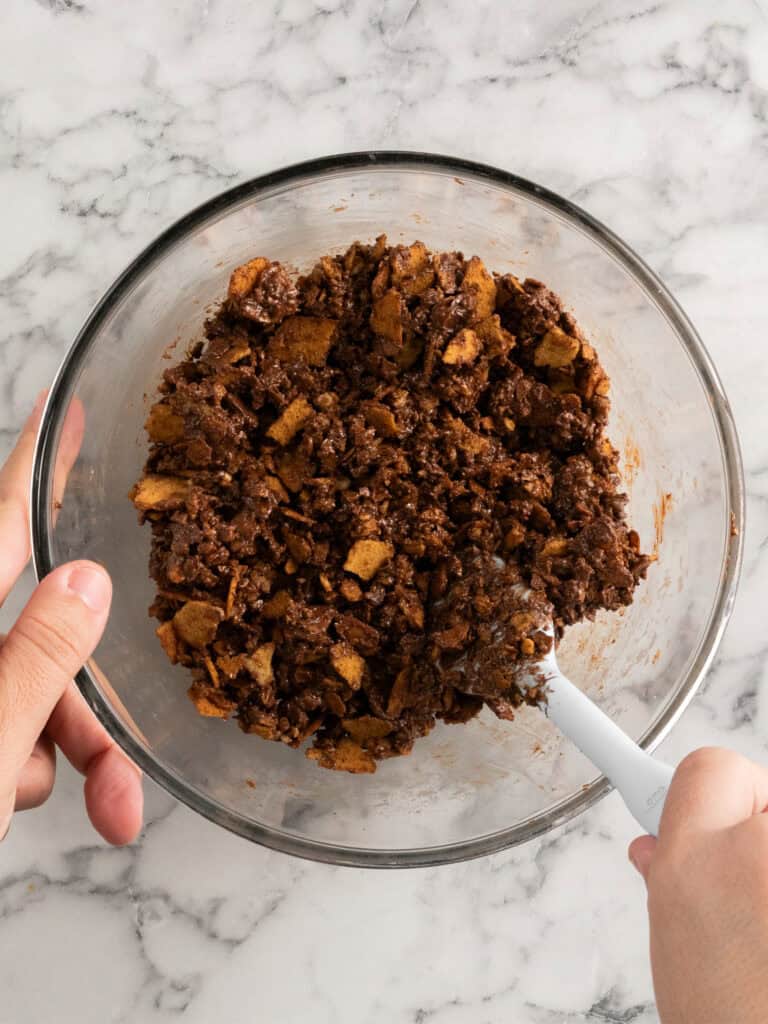
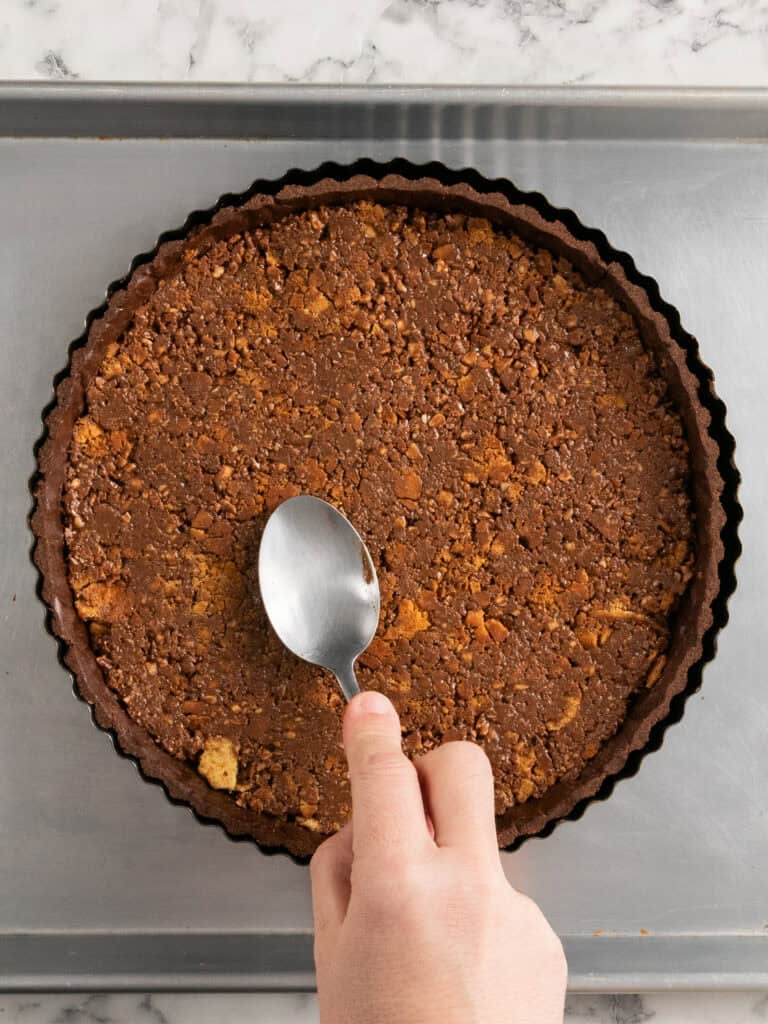
The middle layer—the Nutella-feuilletine—serves as the bridge between the crust and the filling. By warming the Nutella to a pourable consistency and folding in crushed feuilletine (thin, crispy crêpe shards) and roughly chopped, toasted hazelnuts, the chef creates a textural anchor. This layer must be set firmly to ensure the subsequent liquid layers do not seep into the base.
Phase 3: The Crémeux
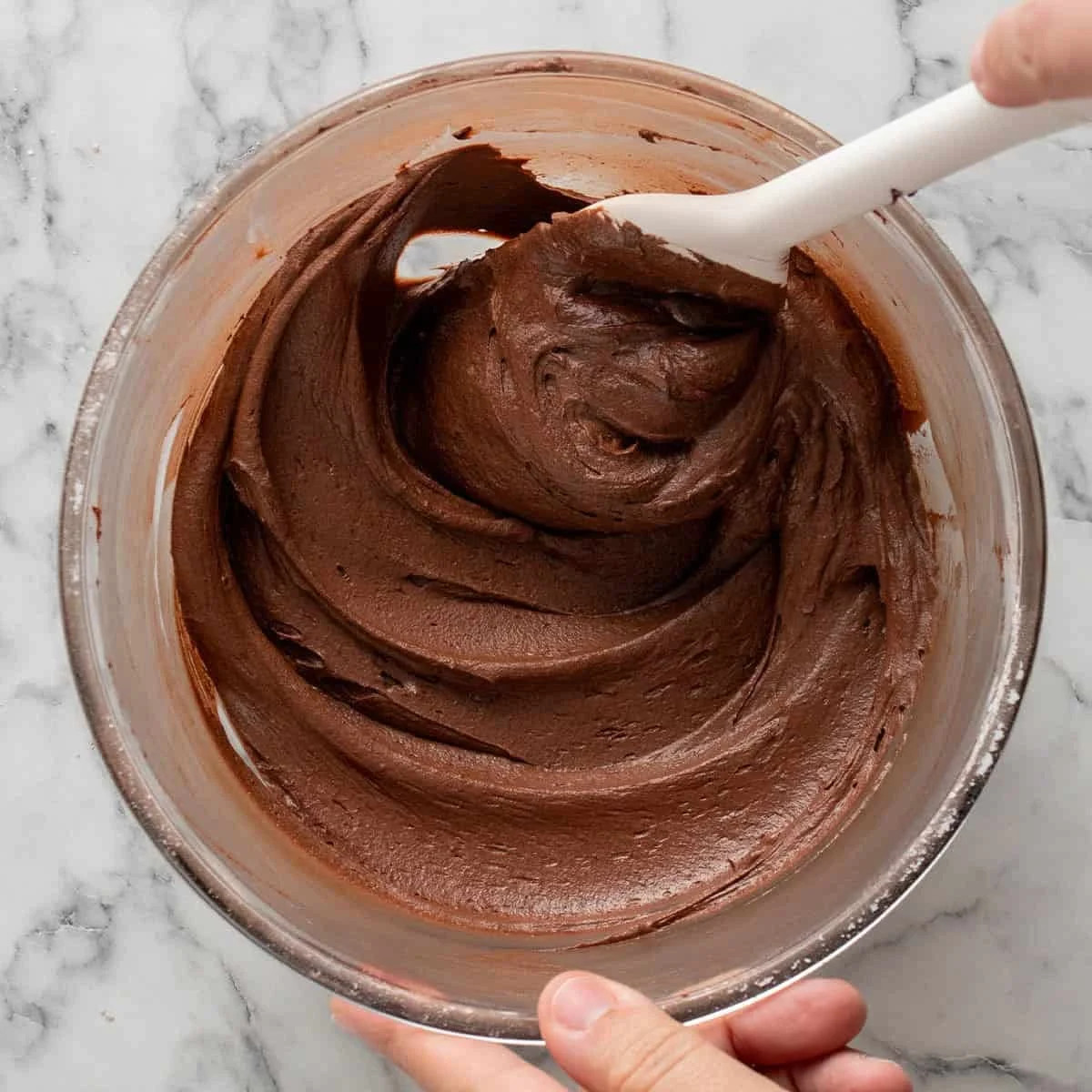
Perhaps the most technical aspect of the recipe is the crémeux. Moving away from the traditional, heavier ganache, the crémeux offers a lighter, more refined texture. This requires the preparation of a custard base (crème anglaise) which is then emulsified with high-quality chocolate. The use of an immersion blender is critical here to ensure a perfectly smooth, bubble-free finish.
Phase 4: The Finishing Touch
The final topping is a mixture of melted chocolate and finely chopped toasted hazelnuts. The chronology of this step is vital: the tart must be completely chilled before the topping is applied. If the topping is applied while the chocolate is too warm, the structural integrity of the underlying crémeux will collapse, resulting in a loss of definition between the layers.
Technical Insights and Supporting Data
For the home baker, this recipe serves as an educational tool in pastry science. The success of the dish relies on specific ratios and temperature thresholds.
- The Importance of Quality: The recipe emphasizes the use of high-quality chocolate, specifically recommending a 40% cocoa solid content. This ensures the sweetness is balanced, preventing the tart from becoming cloying.
- The Role of Temperature: The recipe calls for a total of six hours of chilling time. This is not merely a suggestion; it is a necessity for the chemical setting of the cocoa butter and egg yolks within the crémeux.
- Precision in Measurement: The author insists on the use of digital scales rather than volumetric cups. In professional pastry, a difference of even 10 grams of flour or sugar can alter the consistency of a shortcrust or the set of a custard.
Professional Best Practices: Expert Advice
In the professional kitchen, shortcuts often lead to failure. The guidelines provided for this tart include several "pro-tips" designed to minimize risk:
- The Zester Hack: To achieve the perfectly flush edges seen in commercial bakeries, the crust should be zested after baking. This cleans up any irregular edges for a professional aesthetic.
- The "Boiling Knife" Technique: Achieving clean slices of a layered tart—especially one with a crunchy Nutella layer—is notoriously difficult. The recommended technique involves dipping a sharp knife into boiling water and wiping it dry before every single cut. This melts the chocolate slightly on contact, allowing the knife to glide through without shattering the layers.
- Toasting Hazelnuts: The difference between raw and toasted nuts is the difference between a flat flavor and a vibrant, aromatic one. The instructions for removing the skins via a tea towel are a traditional technique that ensures the final texture remains clean and free of bitter, papery residue.
Implications for the Home Baker
The Ferrero Rocher Tart represents a shift in home baking trends toward "project-based" desserts. Modern culinary enthusiasts are increasingly seeking challenges that allow them to practice techniques like tempering, emulsification, and pastry rolling.
The Learning Curve
This recipe is categorized as a "baking project," implying that it is not intended for a quick weeknight dessert. The implication for the baker is a shift in focus from speed to process. By breaking the recipe into manageable segments—such as preparing the crust and feuilletine a day in advance—the task becomes significantly more approachable.
Flavor Balancing
The recipe’s decision to exclude hazelnut flavor from the crémeux is a sophisticated choice. By concentrating the hazelnut intensity in the base and the topping, the chef ensures that the palate is not overwhelmed. The crémeux acts as a "neutral" chocolate canvas, which prevents the hazelnut from becoming monotonous.
Conclusion
The Ferrero Rocher Tart is more than a dessert; it is a testament to the idea that indulgence is best served through deliberate, thoughtful construction. By honoring the integrity of each layer—from the snap of the chocolate shell to the creaminess of the filling—one can elevate a simple treat into an experience of high patisserie. For those willing to dedicate the time and follow the precise, technical steps laid out, the result is a balanced, textural delight that rivals the finest creations of any commercial bakery.
As the culinary community continues to embrace the "bakery-at-home" movement, recipes like this serve as a gold standard for what can be achieved with patience, quality ingredients, and a commitment to the craft. Whether you are a seasoned baker or an ambitious novice, this tart offers a rewarding journey into the heart of chocolate and hazelnut perfection.

 Lina Irawan
 Nana
Nana
